
Table of Contents
What Happened
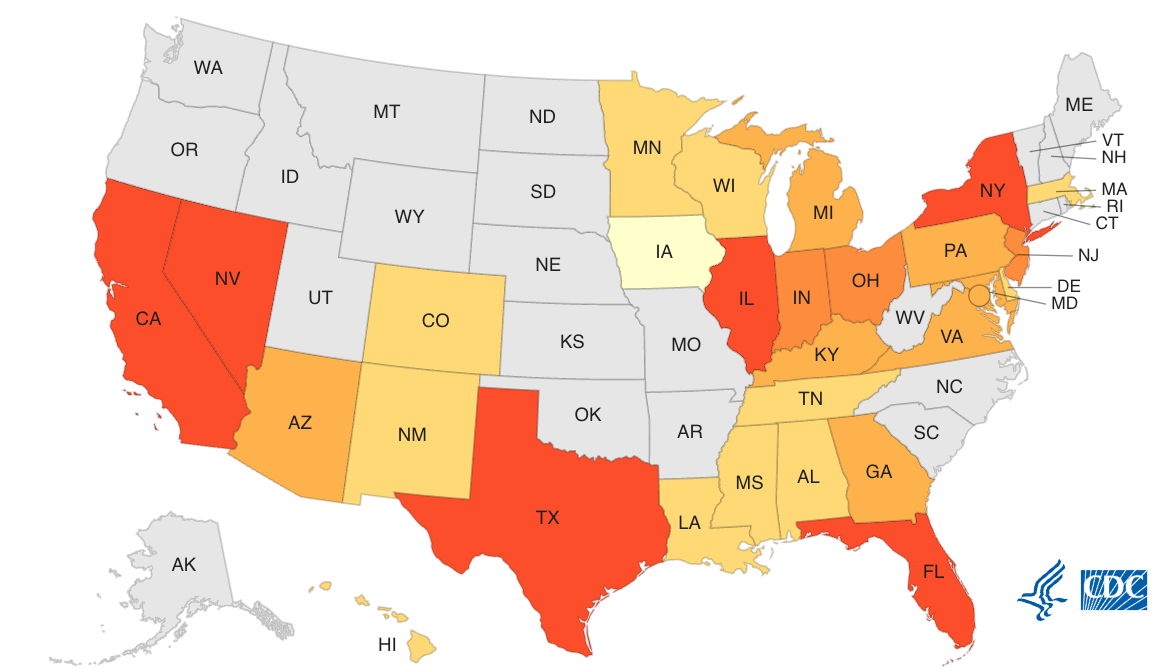
The growing concern surrounding a deadly airborne fungus has led health experts to issue warnings for five U.S. states, as the disease has begun to spread more rapidly than anticipated. The fungus, known to infect the lungs and destroy human tissue, presents a significant public health threat. The states currently impacted by the outbreak include California, Texas, Florida, New York, and Illinois, which are all reporting rising cases and increasing hospitalizations due to fungal infections.
Health officials have highlighted the fact that the fungus is airborne, making it highly contagious and difficult to prevent from spreading. The pathogen is believed to be exacerbated by climate conditions and other environmental factors, making it a pressing concern for vulnerable populations, particularly those with weakened immune systems. The fungus attacks human tissue by infiltrating the respiratory system, causing severe damage to the lungs and other vital organs if left untreated. This makes the fungus not only a public health threat but also a potential epidemic in the making.
Why It Matters
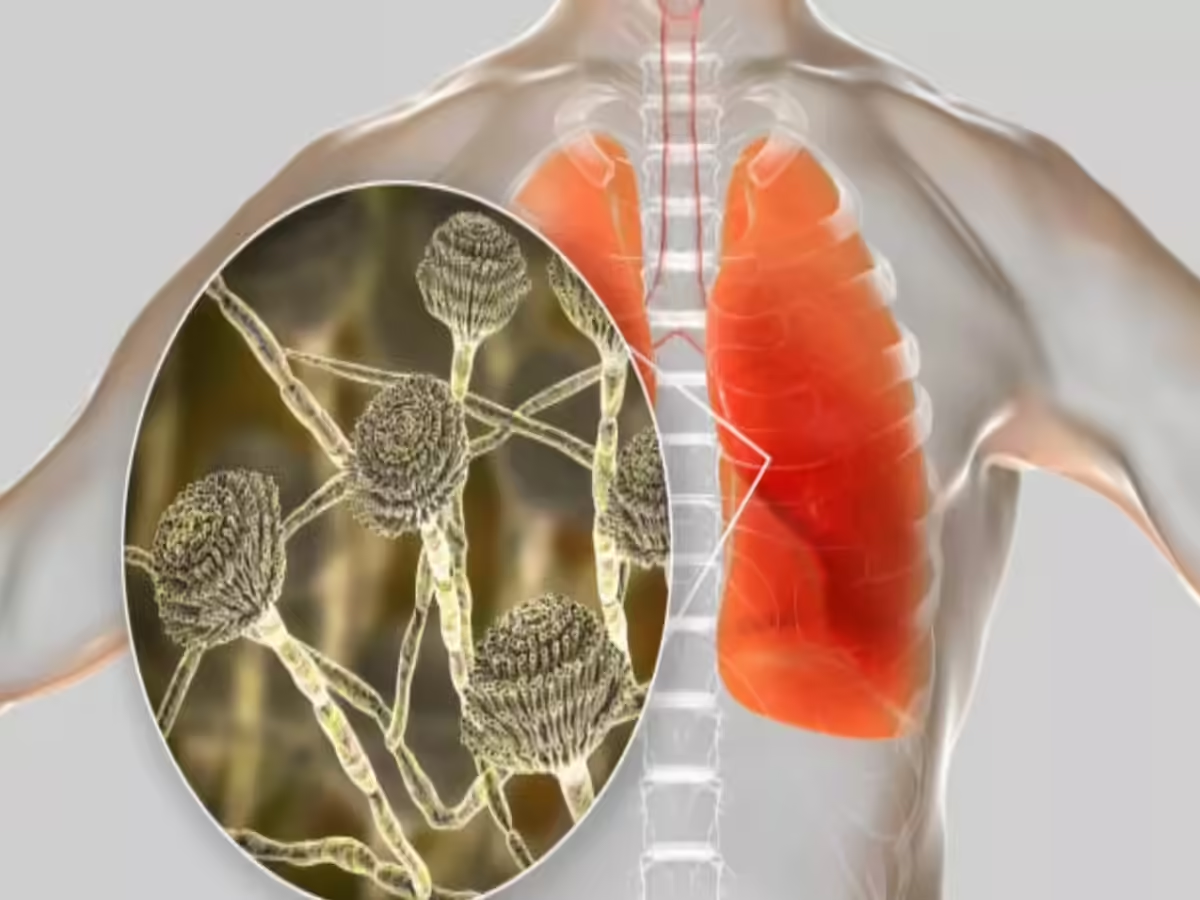
The emergence of airborne fungal pathogens is an issue that has long been on the radar of public health officials, but the speed at which this particular fungus has spread has caught many by surprise. Unlike many other airborne diseases, which are typically viral or bacterial, fungal infections are particularly dangerous due to their ability to infiltrate deep within the human body. When inhaled, the spores of the fungus can easily reach the lungs, where they begin to cause tissue damage.
The long-term effects of fungal infections can be catastrophic, particularly for individuals with compromised immune systems. This makes the situation particularly dangerous for the elderly, young children, and those with pre-existing health conditions, such as asthma or other respiratory disorders. If the outbreak continues to spread, it could lead to a surge in hospital admissions and an overwhelming strain on healthcare systems, particularly in the most affected states. The healthcare community is now scrambling to develop effective treatments and preventive measures, but the rapid transmission of the fungus has left many scrambling for a solution.
The Science Behind the Airborne Fungus
To understand the gravity of the situation, it’s important to explore how the airborne fungus spreads and why it is so dangerous. The fungus is transmitted through spores that are released into the air, typically in warm, humid environments. Once inhaled, these spores travel to the lungs, where they begin to grow and cause tissue damage. Infected individuals may initially experience symptoms similar to those of a cold or flu, such as coughing, fever, and fatigue, but as the infection progresses, the damage to the lungs and other organs can become severe.
What makes this fungus particularly insidious is its ability to remain airborne for long periods, especially in areas with high humidity. The spores are microscopic, making them difficult to detect until the infection has already taken hold. Additionally, the fungus has a long incubation period, meaning individuals who are infected may not show symptoms for several weeks, allowing the pathogen to spread unnoticed. This makes it challenging for health authorities to contain the outbreak quickly and prevent further transmission.
The Impact on Healthcare Systems

As the outbreak of the airborne fungus continues to spread, healthcare systems in the affected states are facing increasing pressure. Hospitals are reporting a surge in patients presenting with symptoms of fungal infections, many of whom require urgent care due to the severity of their condition. With more cases expected to emerge, healthcare providers are worried about the ability to handle the growing number of infected individuals.
The rising cases are also putting a strain on medical resources, including ventilators, intensive care unit (ICU) beds, and antifungal medications. Fungal infections are difficult to treat, requiring specialized antifungal drugs that are not always effective against all strains. Additionally, some individuals may require surgery to remove infected tissue, adding to the strain on surgical teams and operating rooms.
Public health experts are urging the federal government and state authorities to allocate additional resources to combat the outbreak. This includes mobilizing medical personnel to areas most impacted by the fungus, as well as ensuring that hospitals are adequately stocked with medications and equipment. As the situation develops, it is clear that a coordinated response will be necessary to prevent the healthcare system from being overwhelmed.
Environmental Factors
One of the key factors contributing to the rapid spread of the airborne fungus is the changing climate. As temperatures rise and humidity levels increase, the conditions become more conducive to the growth and spread of fungal spores. In many of the affected states, particularly Florida and Texas, the combination of high humidity and warm weather creates an environment that is ideal for the fungus to thrive.
Climate change has been linked to an increase in the frequency and intensity of weather events, which can further contribute to the spread of airborne pathogens. Flooding, increased rainfall, and changes in seasonal temperatures all create conditions that allow fungi to proliferate. As a result, the issue of fungal infections has become a growing concern not only for public health but also for environmental sustainability.
Preventive Measures

In response to the growing threat posed by the airborne fungus, health officials are advising residents in the affected states to take a number of preventive measures. These measures include avoiding areas with high humidity, staying indoors during periods of high spore release, and wearing masks or respiratory protection when venturing into areas where the fungus is known to be prevalent.
In addition, public health campaigns are being launched to raise awareness about the symptoms of fungal infections and encourage early detection. The sooner individuals seek medical attention, the more likely they are to receive effective treatment before the infection progresses to a more severe stage. Health experts are also calling for increased funding for research into new antifungal treatments and vaccines, which could provide long-term solutions to combat fungal outbreaks in the future.
The Bigger Picture
The emergence of this airborne fungus is part of a larger trend in public health, where environmental factors and climate change are increasing the risk of new and emerging diseases. Airborne pathogens, including fungi, viruses, and bacteria, are becoming a more significant threat to global health, particularly in densely populated urban areas where the spread of diseases can occur more rapidly.
As the world grapples with the ongoing effects of climate change, it is crucial for public health authorities to develop strategies to monitor and respond to new and emerging threats. This includes investing in surveillance systems, research on infectious diseases, and public health infrastructure to prepare for future outbreaks.
Conclusion
The outbreak of the airborne fungus in five U.S. states serves as a reminder of the growing threat posed by airborne pathogens. As climate change continues to alter environmental conditions, the risk of fungal infections and other diseases spreading more rapidly increases. While health authorities are working tirelessly to contain the current outbreak, the battle against airborne pathogens is far from over.
In the years to come, it will be essential for governments and healthcare systems to invest in better preparedness and prevention strategies. The emergence of this deadly airborne fungus has highlighted the need for global cooperation in combating infectious diseases, particularly those linked to environmental factors. As scientists continue to study the fungus and its potential impact, the world will need to remain vigilant in its efforts to protect public health from the growing threat of airborne pathogens.