
Table of Contents
- It’s Not a Horror Movie — But It Pierced Me in the First 3 Seconds
- Why a Documentary About Bedrooms? Because Numbers Don’t Cry
- Inside the Rooms — Four Lives Frozen in Time
- “We Needed to Feel It” — Why Silence Speaks Louder Than Graphs
- More Than a Documentary — A Call to Remember (and Reflect)
- This Isn’t Just a U.S. Problem — It’s a Global Wake‑Up Call
- Beyond Grief: How Families Turn Memory Into Purpose
- If This Were Your Child’s Room — What Would You See?
- Final Thought: Grief Is Private. Memory Should Be Shared.
It’s Not a Horror Movie — But It Pierced Me in the First 3 Seconds
The screen fades in. A silent bedroom.
Empty beds. Teddy bears. Skateboards. A half‑read book. A small lamp still plugged into the wall.
No screaming. No sirens.
Just silence.
That silence hits harder than any bullet. It’s the kind of silence that screams.
This is not fiction. This is real. And it’s the doorway into Steve Hartman and Lou Bopp’s seven‑year journey across the United States to document the bedrooms of children who died in school shootings — the core of All the Empty Rooms.
By the time the credits roll — 33 minutes after you started — you’re not the same person.
Why a Documentary About Bedrooms? Because Numbers Don’t Cry
For decades, coverage of school shootings has been dominated by numbers: victims, suspects, police response, legislative talking points. But numbers never capture tears.
That’s what draws director Joshua Seftel into this project. Known for intimate human‑interest documentaries, Seftel helps shift the narrative from headlines to human beings.
Hartman, a veteran correspondent, first reached out to families in 2023 — many for the first time since their tragedies. Some had never spoken publicly. But all agreed on one thing: the children can’t be forgotten. So they agreed to open their homes.
What they offered was not grand speeches or political statements — just empty rooms.
Rooms filled with trophies, laundry baskets, dolls, shoes, trophies, posters, books. Rooms that once echoed laughter and teenage dreams; now frozen in time, preserved by grief.
In that silence, the film finds its voice — one loud enough to shake the viewer’s numbness.
Inside the Rooms — Four Lives Frozen in Time
All the Empty Rooms focuses on just a few stories — but they speak volumes about tragedy, love, and memory. Among them:
- Alyssa Alhadeff, 14 — one of the 17 killed in the 2018 Parkland shooting. Her room still holds soccer cleats, trophies, and a messy bed, unmade in a final rush to school.
- Dominic Blackwell (14) and Gracie Muehlberger (15) — victims of the 2019 Saugus High School shooting in California. Dominic’s room overflows with football gear and posters; Gracie’s with art supplies and unfinished school projects. Laundry baskets, unopened books, backpacks still filled — small daily details that transform tragedy to reality.
- Jackie Cazares, 9 — a fourth‑grader killed in the 2022 Robb Elementary School shooting in Uvalde, Texas. Her room glows with LED lights still turned on, stuffed animals and school bags waiting for a day that never came.
- Hallie Scruggs, 9 — lost in the 2023 Covenant School shooting in Nashville. Her room remains a perfect snapshot of childhood: half‑built LEGO sets, a toy safe filled with secrets, seashells from family trips, books stacked on the nightstand.
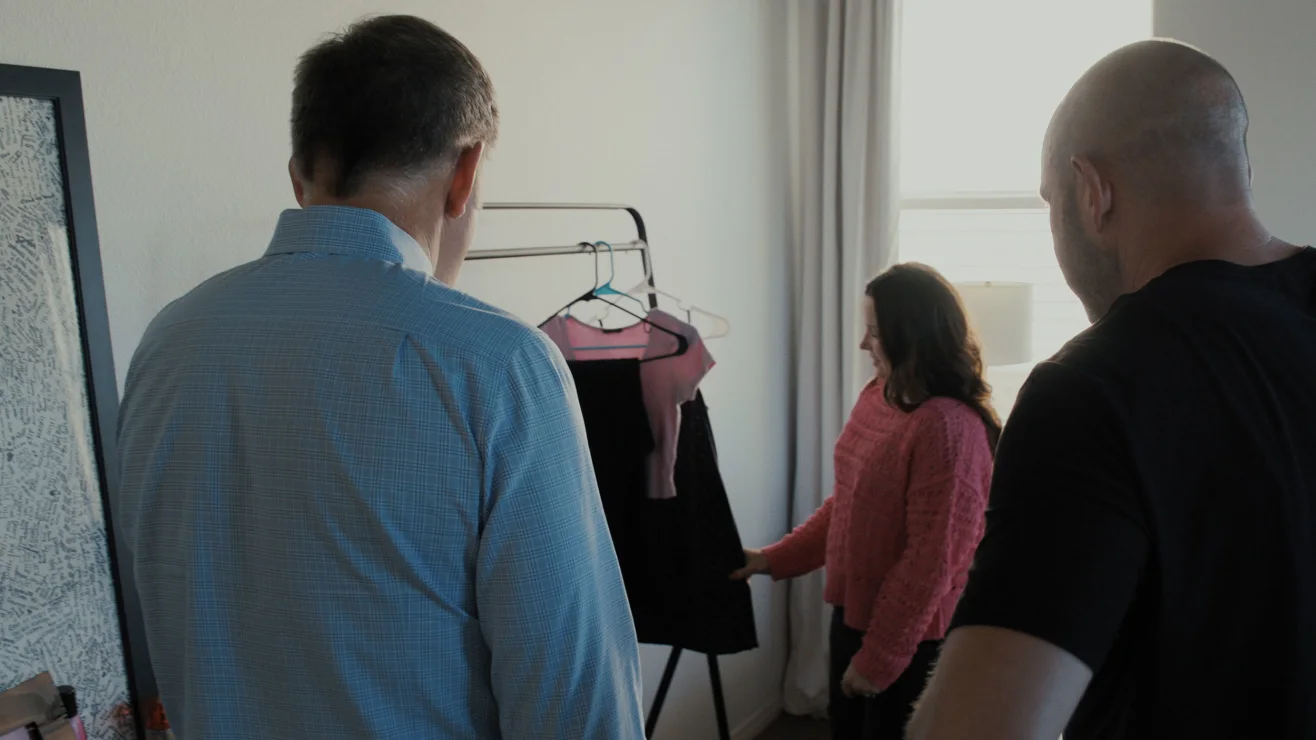
All the Empty Rooms doesn’t show violence. No footage of the shootings. No political debate. Instead, it shows what’s left — the intimate, irreplaceable evidence of lives erased. A teddy bear, a diary, a pair of pink shoes.
The result? A deeper, quieter sorrow than headlines can ever deliver.
“We Needed to Feel It” — Why Silence Speaks Louder Than Graphs
Seftel has said many times: “This film is about silence.”
There’s truth in that. Silence strips away the sensationalism. It leaves you to stare, to feel, to wonder.
One mother, speaking about her daughter’s room, said: “When I walk in, I smell her hair. I still smell her.” A father left his daughter’s clothes exactly where she did — a puny, painful tribute to normalcy that will never return.
That kind of grief isn’t headline‑friendly.
It doesn’t feed debate.
It demands empathy.
And once you see it, you can’t unsee it.
More Than a Documentary — A Call to Remember (and Reflect)
All the Empty Rooms hit Netflix on December 1, 2025.
It’s a short film — only 33 minutes — but its emotional impact lingers. That brevity is part of its power: it asks you to remember — to mourn and reflect — but doesn’t drag the pain out. It honors loss without sensationalizing it.
Some viewers might ask: why share these rooms? Why reopen wounds?
Because — according to the creators — the rooms are monuments. Not to tragedy alone, but to the lives lost. To dreams frozen in time. To laughter silenced too soon.
And because every untouched room is a marker: a reminder that each number in the morning news was someone’s child — someone’s room. Someone’s “would‑be.”
This Isn’t Just a U.S. Problem — It’s a Global Wake‑Up Call
While All the Empty Rooms centers on U.S. school shootings, its message speaks globally. The idea that innocent lives can vanish in seconds — that childhood dreams can freeze forever — transcends borders.
In an era where youth mental health, gun violence, and school safety are becoming global concerns, this documentary invites international audiences to look beyond politics. It asks us to remember: children around the world deserve more than statistics. They deserve futures.
Every room shown in the film — from Florida to California, Texas to Tennessee — echoes with tragedy that could happen anywhere. That’s why audiences around the world should care.
Beyond Grief: How Families Turn Memory Into Purpose
What happens after the cameras leave? For the families featured, silence is fragile.
Many still preserve the rooms. Some visit daily. Others ceremonially clean, straighten, or open windows — small rituals that keep the memory alive.
Some say it’s their way of coping. Others call it a promise: “We will not forget you.”
For many, the film is not an ending. It’s a beginning. A way to honor the lost, to advocate for change, to demand safety, awareness, empathy.
If This Were Your Child’s Room — What Would You See?
Here’s a question to sit with: what if you walked into your child’s room — and everything stopped?
The photos. The books. The clothes.
The trophies. The stuffed animals. The lamps left on.
Would you dare to keep that room unchanged?
Would you find peace in the smell of a pillow? The unworn shoes?
Or would the silence be too heavy to bear?
In All the Empty Rooms, those rooms exist. They beckon you to remember. To grieve. To respect what was lost.
Maybe the scariest thing is not what happened — but how real it feels when it happens to someone else.
All the Empty Rooms doesn’t ask you to protest. It doesn’t demand legislation.
It doesn’t point fingers.
It asks one visceral thing: to see. To feel. To remember.
Because when rooms stand empty, when laughter stops, when childhood ends too soon — we owe those children one thing: memory.
And maybe — just maybe — that memory can make a difference.