
Table of Contents
- How Weather Affects Seasonal Allergies
- When Do Allergens Peak?
- The Impact of Spring Weather on Allergy Symptoms
- Fall: A Second Peak in Allergy Suffering
- How Pollen Is Measured and Tracked
- Tips for Managing Allergy Symptoms During Peak Season
- The Role of the Environment in Allergy Severity
- Medical Treatments for Allergy Relief
- Alternative Remedies for Allergy Sufferers
- The Future of Allergy Treatment and Prevention
- Preparing for Allergy Season
How Weather Affects Seasonal Allergies
As the weather warms up and spring begins to unfold, allergy sufferers know exactly what that means – the dreaded allergy season is upon us. The air will soon be filled with pollen, mold spores, and other allergens that trigger sneezing, congestion, and itchy eyes. Seasonal allergies, also known as “hay fever,” follow predictable patterns based on temperature changes and weather conditions, so understanding these cycles can significantly help manage symptoms and reduce exposure. In this article, we explore how spring’s warmer temperatures set the stage for allergy season and what individuals can do to stay ahead of the discomfort.
When Do Allergens Peak?

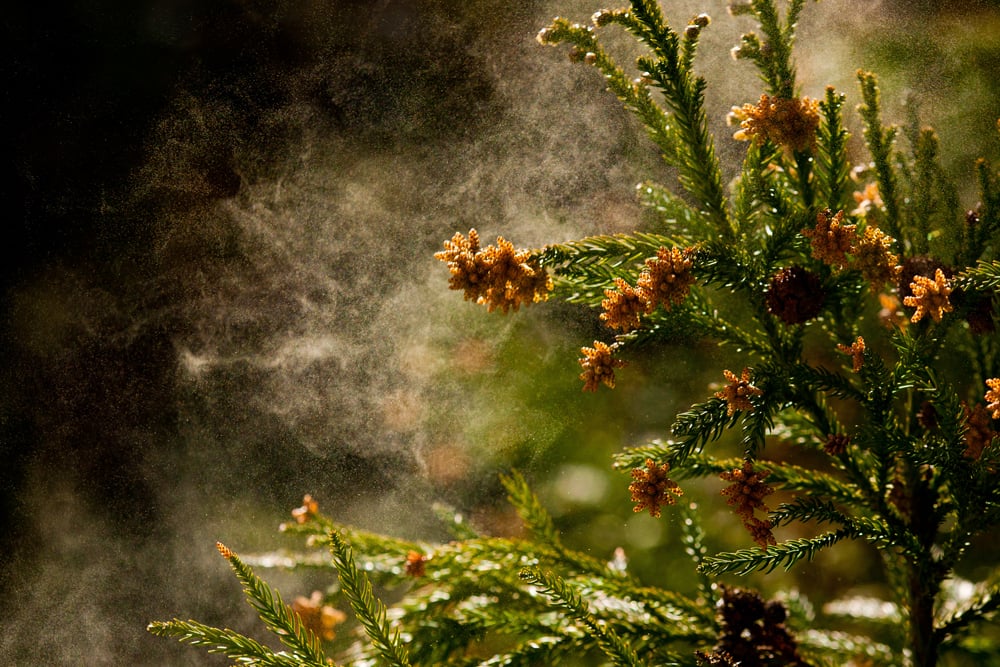
Understanding when specific allergens reach their peak is essential in preparing for allergy season. Springtime typically marks the beginning of allergy season, with tree and grass pollen levels rising from February to May. As trees start to bloom, their pollen fills the air, making it one of the most challenging times for allergy sufferers. Oak trees, which are common in many regions like southeastern Louisiana, are a significant contributor to springtime pollen. The rise in pollen levels can be exacerbated by warmer-than-average late-winter temperatures, causing trees to start releasing pollen earlier than usual.
Grass pollen also plays a major role, lingering well into summer. Timothy grass, in particular, affects nearly 90% of allergy sufferers who are sensitive to it. As temperatures climb, the presence of grass pollen grows, making it essential for people to be aware of the season’s progress to manage their symptoms more effectively.
The Impact of Spring Weather on Allergy Symptoms
Weather conditions directly influence the severity of allergy symptoms on any given day. The highest pollen levels are typically found on warm, dry, and breezy days, which provide the perfect environment for pollen to spread. On such days, pollen can travel long distances, reaching individuals even in areas far from its origin. Spring, often considered the worst time for allergy sufferers, brings a double dose of pollen—both from trees and grasses—blooming at full intensity. Pollen levels usually peak during midday, so if you’re planning to spend time outdoors, it’s best to do so early in the morning when pollen levels are at their lowest.
Mold, another common allergen, also thrives in warm, wet conditions, often peaking later in the year, from late summer to fall. The combination of pollen and mold during these periods creates a particularly tough allergy season for many people.
Fall: A Second Peak in Allergy Suffering
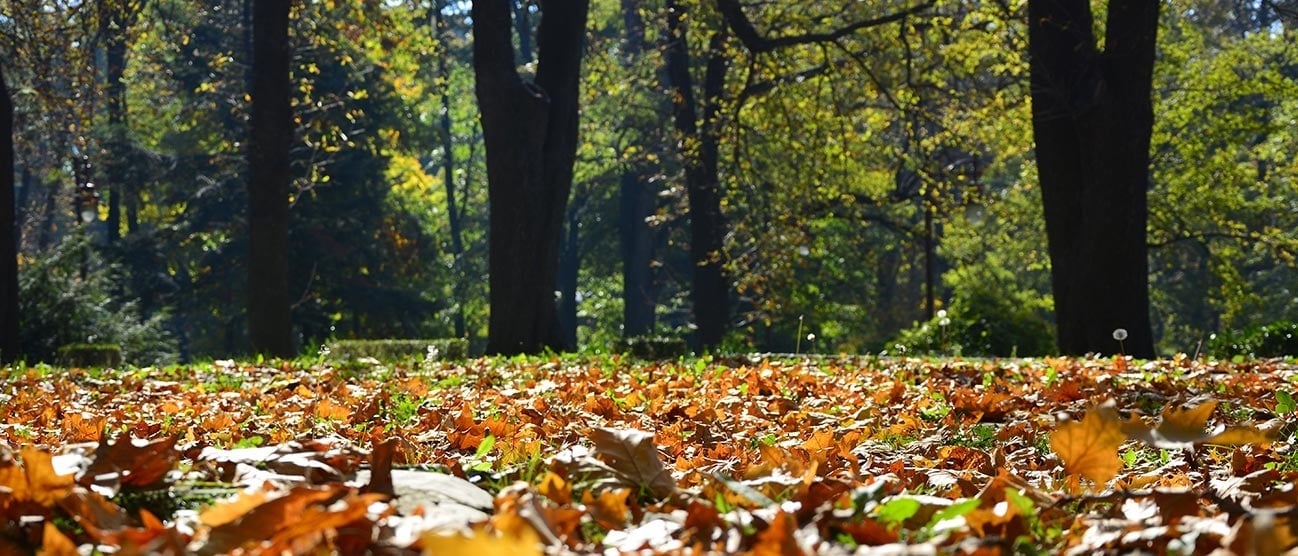
While spring gets the most attention for allergies, the fall season can be just as problematic, especially for those allergic to weeds. From late summer through the fall months, ragweed becomes a dominant allergen. It is responsible for triggering allergy symptoms in millions of people each year, particularly in North America. Ragweed pollen can travel great distances, making it difficult for people living in rural areas to escape the effects.
Other weeds, like pigweed and sagebrush, also contribute to allergy symptoms in the fall. During this time, temperatures tend to drop, and the first signs of cooler weather can give relief from the intense heat, but the allergens in the air continue to cause issues for sensitive individuals. Understanding the seasonal patterns and recognizing the increase in weed pollen can help prepare for this second peak of allergy season.
How Pollen Is Measured and Tracked
To stay on top of pollen levels, scientists use specialized instruments to measure the amount of pollen in the air. These devices are often placed on rooftops in major cities and collect airborne particles over 24-hour periods. These particles are then examined under a microscope, where experts count individual pollen grains. The results are reported as grains per cubic meter of air and categorized on a scale from “Low” to “Very High.”
Pollen counts are valuable for people who suffer from allergies, as they offer insights into when the air is likely to be filled with pollen. Monitoring pollen levels can help allergy sufferers take preventive measures, such as limiting outdoor activities or starting allergy medications ahead of time.
Tips for Managing Allergy Symptoms During Peak Season
Managing allergies during peak pollen season requires a combination of preventive measures and treatments. One of the simplest yet most effective steps is minimizing exposure to allergens. Here are a few tips to help allergy sufferers manage their symptoms during peak pollen season:
- Keep windows closed: To prevent pollen from entering your home, keep windows shut during the day and especially during peak pollen times (midday).
- Monitor pollen counts: Pay attention to local pollen forecasts and adjust your outdoor activities accordingly.
- Use air purifiers: Air purifiers equipped with HEPA filters can help reduce airborne pollen and allergens indoors.
- Take allergy medications early: Start taking allergy medications before symptoms appear, especially if you’re already aware of the allergens in your area. Antihistamines and nasal sprays can be highly effective when taken proactively.
- Shower and change clothes after being outdoors: Pollen can stick to your skin and clothing, so a quick shower and a change of clothes can help reduce the transfer of allergens into your home.
The Role of the Environment in Allergy Severity
Weather patterns influence more than just when allergens peak; they also affect how intense allergy seasons will be. A wetter-than-usual winter can increase mold growth, while a dry spring can lead to higher pollen levels. In some years, unusually warm temperatures can cause early blooming and extended allergy seasons. Local geography also plays a role: areas with more trees or open fields will experience higher pollen counts, while those near bodies of water may see increased mold growth.
Changes in climate over the years have led to shifts in when allergy season begins and how long it lasts. For example, research suggests that higher temperatures and CO2 levels may result in more potent pollen, which could make allergies worse in the future. Understanding how these factors interplay can help people plan ahead and make adjustments to their daily routines.
Medical Treatments for Allergy Relief
In addition to environmental changes, medical treatments are an essential part of allergy management. There are various options available, including:
- Over-the-counter antihistamines: These medications help alleviate common allergy symptoms, such as sneezing, itching, and congestion. Popular options include Claritin, Zyrtec, and Allegra.
- Nasal corticosteroids: These are prescribed medications that help reduce inflammation in the nasal passages, providing relief from symptoms like nasal congestion and post-nasal drip.
- Immunotherapy: For long-term relief, allergy shots or sublingual immunotherapy (oral tablets) can help desensitize the immune system to allergens over time. These treatments require a commitment to regular doses over several months or years but can provide lasting relief.
It’s essential to consult with a healthcare provider before starting any new treatments to ensure they’re appropriate for your specific allergy symptoms.
Alternative Remedies for Allergy Sufferers
Some individuals prefer natural remedies to manage their allergy symptoms. While these treatments may not be as scientifically proven as medications, they can still offer some relief:
- Nasal irrigation: Using a saline solution to rinse the nasal passages can help remove pollen and mucus from the sinuses, providing relief from congestion.
- Local honey: Some people believe that consuming local honey can help build tolerance to local pollen. While there is limited scientific evidence, it remains a popular home remedy.
- Herbal supplements: Certain herbs, like butterbur and quercetin, are believed to have anti-inflammatory properties that can help alleviate allergy symptoms. However, it’s essential to speak with a doctor before taking any supplements.
The Future of Allergy Treatment and Prevention
As allergy seasons become more intense and longer, research into allergy treatment and prevention is evolving. New medications and therapies are being developed, and scientists are exploring the potential of vaccines and genetic modifications to reduce allergic reactions. Additionally, there is growing interest in personalized medicine, which aims to tailor treatments to an individual’s specific allergens and symptoms.
With the increasing prevalence of allergies worldwide, especially in urban areas, it’s clear that the medical community will continue to focus on innovative ways to manage and treat these conditions. As we move forward, understanding the impact of climate change and environmental factors on allergens will play a critical role in shaping allergy prevention strategies.
Preparing for Allergy Season
While allergy season may seem inevitable, knowing when allergens peak and understanding how to manage symptoms can make a significant difference in how well you cope with the season. By taking steps to reduce exposure to allergens, using appropriate medications, and staying informed about the weather and pollen levels, allergy sufferers can enjoy the beauty of spring without being sidelined by uncomfortable symptoms. As allergy seasons continue to shift and evolve, staying proactive and informed will be the key to managing your health during these challenging times.