

Table of Contents
- The Hook: Six Years. $80 Million. And It All Ended in 31 Days.
- Amazon Wanted to Become a Gaming Superpower — And It Went Spectacularly Wrong
- The Game That Was Supposed to Change Amazon’s Future
- The Launch Was a Disaster — And Amazon Didn’t See It Coming
- Player Count Plunged — And It Never Came Back
- Six Years of Work — Shut Down in 31 Days
- How Does a Tech Giant Fail This Spectacularly?
- The Amazon Culture That Helped Build Empires — But Killed Crucible
- What Amazon Learned — And Why Their Gaming Division Isn’t Dead Yet
- But the Question Remains: How Does $80 Million Evaporate So Quickly?
- The Bigger Lesson: Even the Richest Companies Can’t Buy Creativity
- A Question to Leave You With
The Hook: Six Years. $80 Million. And It All Ended in 31 Days.
Imagine spending six years perfecting a project.
Thousands of hours. Millions of dollars. A team of brilliant developers.
And it all vanishes—shut down in barely a month.
That’s exactly what happened to Amazon.
In the gaming world, mistakes are expensive.
But this one was catastrophic.
It wasn’t just a failed game.
It was a lesson in hubris, mismanagement, and the brutal reality of the tech world—where even trillion-dollar companies can burn through tens of millions and end up with nothing but a cautionary tale.
The story of Amazon’s $80 million collapse isn’t just about gaming.
It’s about business risk, corporate decision-making, and the unpredictable consequences of chasing a market dominated by giants.
And once you see how it all fell apart, you’ll never look at tech investments the same way again.
Amazon Wanted to Become a Gaming Superpower — And It Went Spectacularly Wrong
For years, Amazon had a dream:
to become the next big force in video games.
They had the money.
They had the tech.
They had the influence.
So in 2014, Amazon bought Twitch, launching their presence into the gaming world.
Then they announced Amazon Game Studios — their big leap into actual game development.
The goal?
Compete with Microsoft, Sony, Blizzard, Epic Games.
It sounded bold. Ambitious. Powerful.
But the problem with ambition is this:
If you don’t understand the industry you’re entering, ambition becomes a liability.
And Amazon’s first mega-project would prove that brutally.
The Game That Was Supposed to Change Amazon’s Future
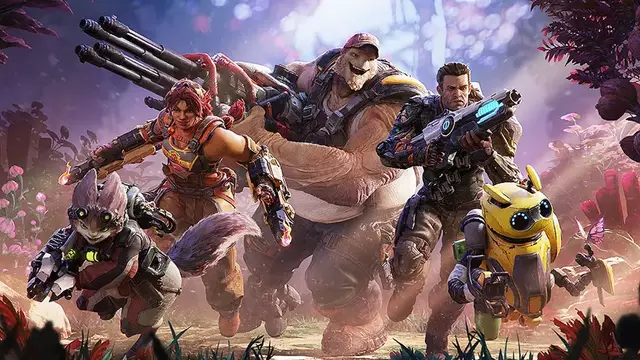
The project was called Crucible — a fast-paced, multiplayer shooter designed to compete with Fortnite, Overwatch, and Apex Legends.
Six years of development.
A team of over 150 people.
Multiple redesigns.
Dozens of prototypes.
Millions poured into marketing projections, engine changes, and balancing tweaks.
Amazon believed Crucible would become their breakout hit —
their flagship game that would put them on the map as a serious developer.
But then launch day arrived.
And everything began to unravel.
The Launch Was a Disaster — And Amazon Didn’t See It Coming
Crucible released in May 2020.
Within hours, players noticed:
- confusing game mechanics
- poor character balancing
- clunky controls
- unstable servers
- unclear objectives
- mismatched gameplay styles
- a lack of identity
The gaming community delivered its verdict:
“This game wasn’t ready.”
Reviews were mixed to negative.
Gameplay was confusing.
Design felt unfocused.
And worst of all, players were bored.
If a game fails to create excitement within the first week, it’s done.
But Amazon had something worse on their hands:
A game that didn’t know what it wanted to be.
And gamers noticed.
Player Count Plunged — And It Never Came Back
Within the first week, Crucible lost nearly 75% of its player base.
Within two weeks, matchmaking became impossible.
Within a month…
Crucible had fewer daily players than some Flash games from 2007.
Amazon panicked.
They did something no major studio had done before:
They pulled the game back into closed beta after releasing it publicly.
It was an admission of failure—
a public acknowledgment that the game wasn’t ready for launch.
But it was already too late.
The gaming community doesn’t forgive easily.
Six Years of Work — Shut Down in 31 Days

By June 2020, Amazon realized the truth:
Crucible couldn’t be saved.
Not with patches.
Not with updates.
Not with rebranding.
Not with marketing.
The game was fundamentally broken.
And so, after 31 days, Amazon announced that development was ending permanently.
The servers would be shut down.
The project was dead.
All $80 million invested was gone.
For a company with Amazon’s wealth, $80 million might not bankrupt them.
But the reputational cost?
The industry backlash?
The internal morale?
The embarrassment?
Those were far more damaging.
How Does a Tech Giant Fail This Spectacularly?

You might think Amazon failed because the game was bad.
But that’s not the whole story.
The real reasons were deeper:
1. Amazon treated game development like software development.
But games are entertainment — not products.
You can’t “optimize your way” into fun.
2. Leadership didn’t understand game design.
They pushed technical solutions instead of creative ones.
3. Constant direction changes confused developers.
Crucible changed genres, styles, and features repeatedly.
4. They ignored feedback from internal testers.
Warnings were raised early, but leadership believed money could fix anything.
5. They rushed the launch to compete with Fortnite and Valorant.
But competition isn’t a strategy.
Quality is.
It wasn’t just a game problem.
It was a culture problem.
The Amazon Culture That Helped Build Empires — But Killed Crucible
Amazon is known for speed, efficiency, and relentless improvement.
Their culture works perfectly for:
- logistics
- retail
- cloud computing
- supply chain automation
But games?
Games are art.
Developers need time, experimentation, iteration, and creative freedom.
Instead, Crucible’s team reportedly faced:
- high pressure
- constant pivots
- moving targets
- unrealistic deadlines
- corporate interference
Amazon tried to run a game studio the same way they run warehouses.
And creativity cannot survive in a system optimized for package delivery times.
What Amazon Learned — And Why Their Gaming Division Isn’t Dead Yet
Crucible’s failure was embarrassing, yes.
But Amazon isn’t known for giving up.
They did what Amazon always does:
They studied their failure.
They learned.
They adapted.
And they focused their remaining resources on another project:
New World, an MMO that at first struggled but eventually found its footing.
Crucible wasn’t the end of Amazon’s gaming ambitions.
It was their initiation.
Every industry giant has a disaster story:
- Google Glass
- Apple Maps launch
- Samsung Note 7
- Meta’s $40B metaverse losses
- Microsoft’s Zune
Amazon’s is Crucible.
And like those companies, they’re using their failure as fuel.
But the Question Remains: How Does $80 Million Evaporate So Quickly?
It’s easy to judge from the outside.
But inside tech companies, waste happens faster than most people realize.
In large-scale game development:
- every month of development can cost millions
- teams of 100+ must be paid salary and benefits
- engines and software licensing fees accumulate
- marketing projections run into millions
- testing and QA cost more than most indie game budgets
When a project drags on for six years, costs skyrocket.
Amazon simply burned money slowly for years—
and then watched the collapse happen quickly.
31 days was just the final chapter.
The failure happened long before release.
The Bigger Lesson: Even the Richest Companies Can’t Buy Creativity
Crucible is a reminder that:
- innovation can’t be forced
- money cannot replace vision
- leadership matters
- understanding your audience is crucial
- creativity must be nurtured
- games are more than code—they’re emotion
Amazon’s biggest mistake wasn’t the game they built.
It was believing they couldn’t fail.
And that arrogance cost them $80 million.
A Question to Leave You With
If you spent six years on a project…
If you watched thousands of hours of work collapse in one month…
If you realized you invested in the wrong idea—
Would you start over?
Or would you walk away?
Amazon chose to keep going.
And whether their next project succeeds or fails, one thing is clear:
In the tech world, you can lose millions overnight—
but what you learn could be worth far more.