
It began with a splash.
A sharp, frantic splash in a rushing river.
The kind of sound you hear only when something is fighting —
fighting the water, fighting fear, fighting time.
At first, no one on the riverbank understood what they were seeing.
The current was strong, moving fast, swirling debris and foam.
But then someone shouted:
“Something’s trapped!”
And everything changed.
Table of Contents
- A Flash of Movement — And a Terrifying Discovery
- The Current Was Stronger Than Anyone Expected
- The Fight to Reach the Struggling Animal
- A Second Attempt — And a Heart-Stopping Moment
- The Container Wouldn’t Come Off
- A Final Cut — And a Breath of Life
- The Aftermath: A Body Covered in Injuries
- Plastic Pollution: A Silent Killer for Animals
- The Slow Road to Recovery
- River’s Transformation: From Fear to Freedom
- The Adoption Journey: Finding a Home Built on Compassion
- How This Rescue Changes Homes — and Hearts
- Travel, Outdoor Safety & The Ripple Effect
- Final Reflection: Would You Jump Into the Current?
A Flash of Movement — And a Terrifying Discovery
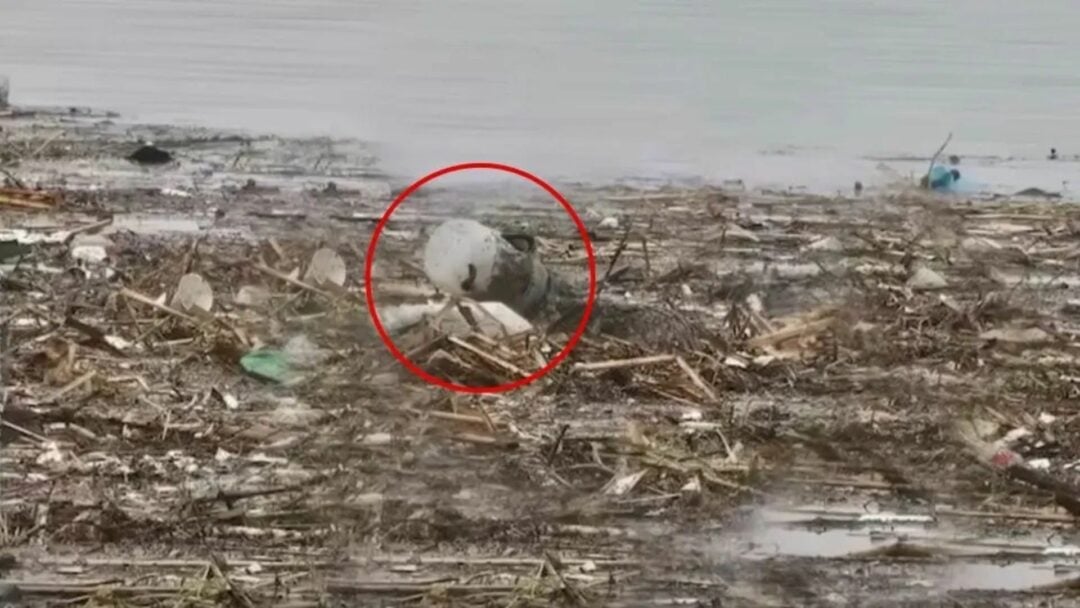
At the center of the river, barely visible, a small body thrashed against the current.
Not a branch.
Not trash.
Not driftwood.
An animal.
And its head —
completely wedged inside a clear plastic container.
No air.
No vision.
No chance of escape.
Every second it struggled, the river pulled harder.
Imagine fighting for breath…
except the air is sealed behind plastic and you’re being dragged downstream.
Would you hesitate — or jump into action?
The Current Was Stronger Than Anyone Expected
The rescuers — a group of animal welfare volunteers — sprinted toward the water.
The river roared louder.
Waves slapped against the banks.
The trapped animal was spinning, carried farther and farther away.
One wrong move
and the current would steal it completely.
One rescuer yelled, “We need ropes!”
Another ran for a net.
A third grabbed a long hook pole.
But the river didn’t wait.
The animal disappeared under the surface for a moment —
a moment that felt like an eternity.
When it resurfaced, the container was still on its head.
And the rescuers knew:
This wasn’t just a rescue.
It was a race.
The Fight to Reach the Struggling Animal
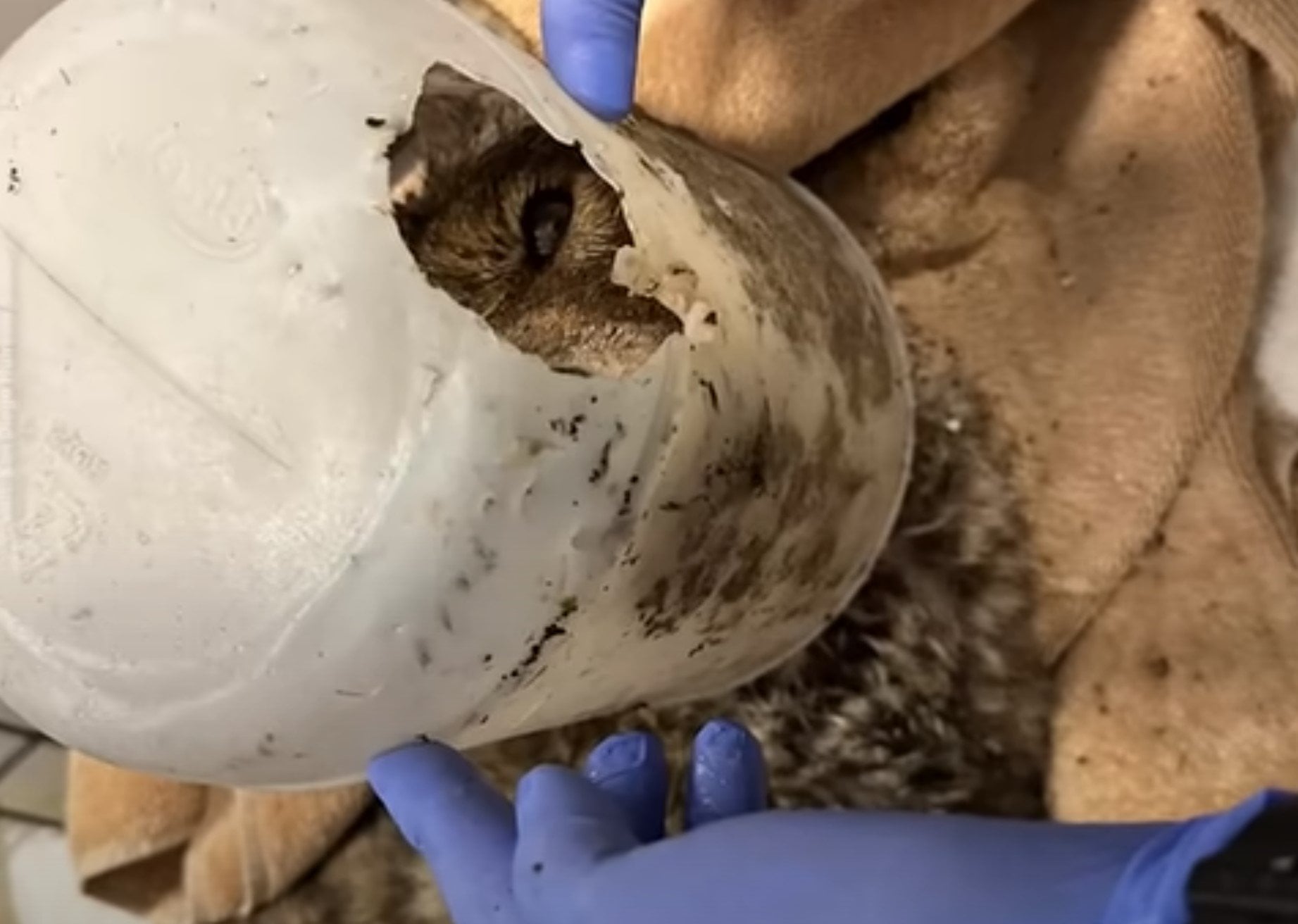
Two volunteers attached ropes around their waists.
Their feet dug into the mud.
Their bodies leaned forward as they waded into the freezing water.
Every step was a battle.
The current pushed.
The riverbed shifted.
Debris slammed into their legs.
But they kept going.
Because the little body drifting ahead wasn’t just a shape…
it was a life.
When they finally got close enough, one volunteer swung the net toward the animal.
Missed.
The current yanked the animal out of reach.
For a second, hope flickered.
Would they even make it in time?
A Second Attempt — And a Heart-Stopping Moment
The rescuers reset their footing, leaned in deeper, and flung the net again.
This time —
contact.
They scooped the animal against the current.
The river fought back, pulling and twisting, but the rescuers held on.
Together, with every muscle shaking, they hauled the net toward the shore.
And as soon as they touched land, they saw the truth:
It was a dog.
A small, exhausted, terrified dog —
completely sealed inside a plastic food container, gasping for breath.
His paws trembled.
His body collapsed.
And his heartbeat thudded weakly against the ground.
He was seconds away from drowning.
The Container Wouldn’t Come Off
They tried pulling it.
Twisting it.
Cutting it.
The plastic was thick, warped from pressure and filled with suction.
Removing it without harming the dog was almost impossible.
But they tried anyway.
One rescuer held the dog steady.
Another slid scissors under the rim.
Another stabilized the neck.
The dog’s tiny chest rose fast and shallow —
a sign he was suffocating.
The container had to come off now.
A Final Cut — And a Breath of Life
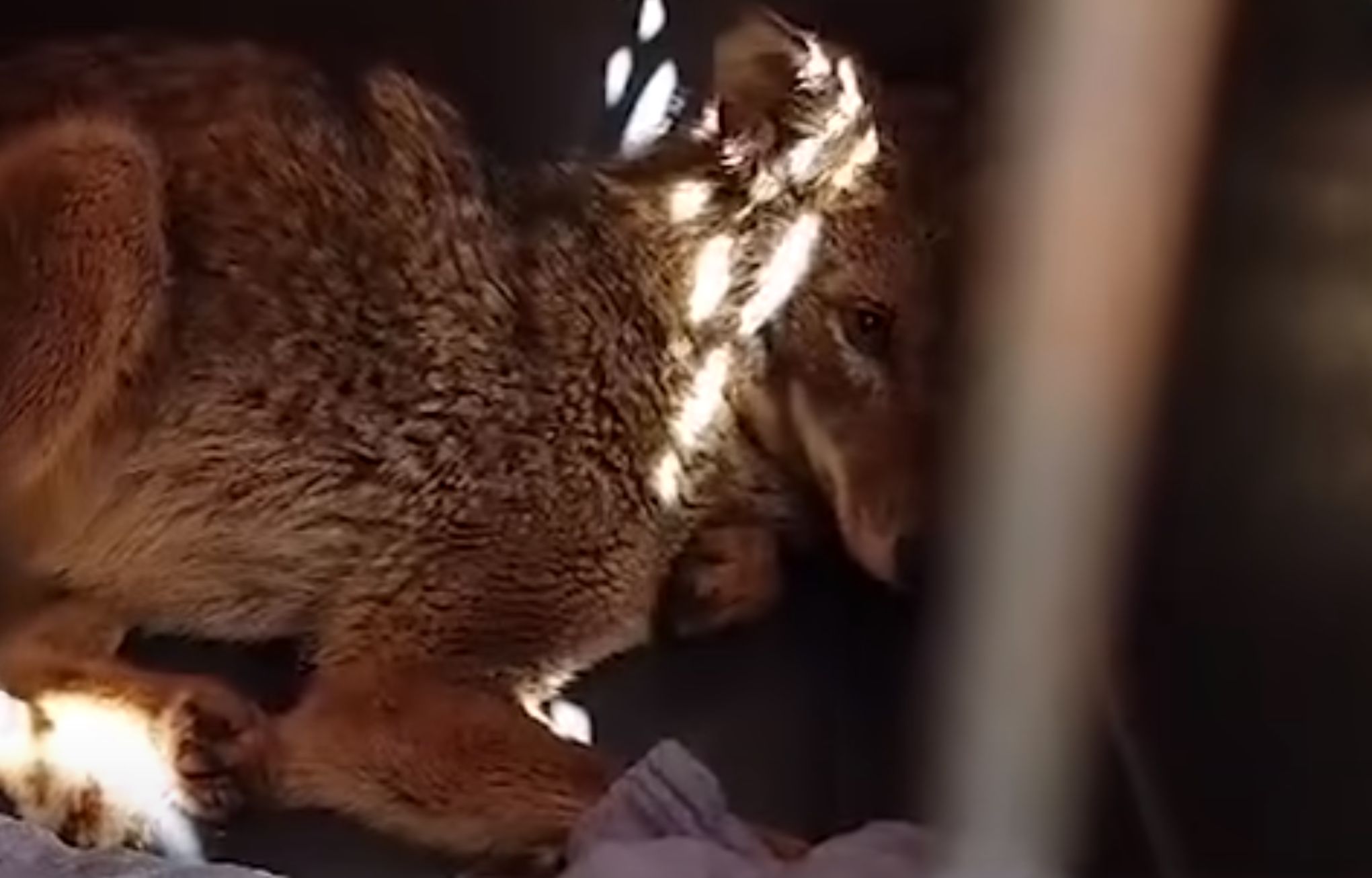
With one last careful snip,
the plastic cracked.
Air rushed out.
The container released.
And the little dog inhaled his first full breath in what felt like hours.
He wheezed.
Coughed.
Collapsed against the rescuer’s chest.
But he was breathing.
Alive.
Saved.
The river roared on, unaware of the miracle that had just unfolded on its banks.
The Aftermath: A Body Covered in Injuries
The dog was rushed to a nearby clinic.
Doctors discovered:
- deep cuts on his neck
- bruised ribs from fighting the river
- water in his lungs
- dehydration
- hypothermia
- scratches from floating debris
- severe exhaustion
But despite all that, he tried to wag his tail.
Even after nearly drowning,
even after fighting for survival,
his spirit wasn’t broken.
And while the vet team treated him,
the rescuers kept asking the same question:
How did he end up with a plastic container on his head?
Plastic Pollution: A Silent Killer for Animals
What happened to this dog wasn’t unusual.
Worldwide, thousands of animals get trapped in:
- plastic cups
- food containers
- jars
- discarded packaging
- fishing nets
- bags
- rings
- bottles
And with rivers rising due to climate change, these dangers increase.
A simple walk near trash
can become a life-or-death struggle.
This is why high-intent searches spike every year:
- “how plastic pollution harms wildlife”
- “eco-friendly home products”
- “how to reduce plastic waste at home”
- “environmental dangers for pets”
Because plastic isn’t just a nuisance.
It’s lethal.
The Slow Road to Recovery
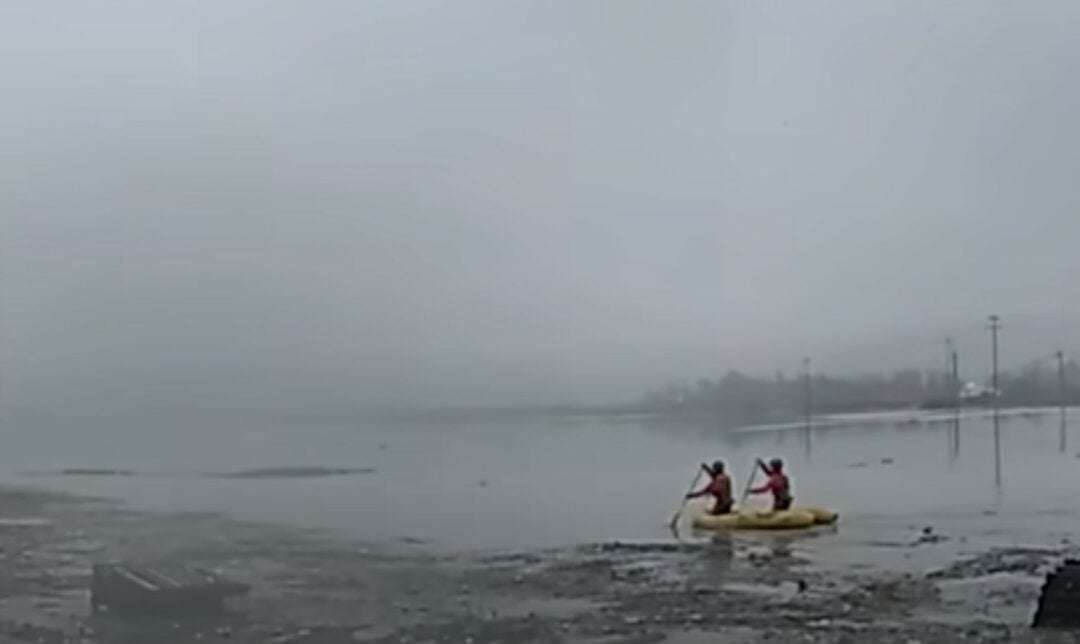
In the days following the rescue, the dog — whom the team named River — slowly regained strength.
He began drinking water on his own.
He accepted food from the volunteers.
He slept deeply, safely, without fear of drowning.
But the emotional recovery took longer.
He panicked at the sound of rushing water.
He flinched at sudden movements.
He avoided bowls and containers of any kind.
He clung to rescuers desperately, afraid of being left alone.
Healing doesn’t follow a timeline.
Trauma doesn’t disappear overnight.
River needed care — not just medical, but emotional.
And the rescuers were determined to give him both.
River’s Transformation: From Fear to Freedom
Weeks passed.
River began:
- exploring his surroundings
- wagging his tail without hesitation
- approaching people with curiosity
- licking hands
- trusting again
He learned to play.
He learned to feel safe.
He learned that water could be peaceful, not deadly.
He learned that hands could comfort, not harm.
His fur softened.
His eyes brightened.
His body grew stronger.
And one day, he did something everyone had been waiting for:
He ran.
Not away.
Not because he was scared.
He ran because he felt free.
The Adoption Journey: Finding a Home Built on Compassion
Once River fully recovered, applications poured in.
Dozens of families wanted him.
He had become a symbol —
a reminder of why every rescue matters.
The rescuers chose a family with:
- fenced yards
- quiet spaces
- experience with traumatized dogs
- time to give
- love to spare
At the meet-and-greet, River approached cautiously.
Then he leaned his body against the new family’s legs…
and stayed there.
His rescuers knew:
He had chosen them too.
How This Rescue Changes Homes — and Hearts
River didn’t just find a home.
He changed one.
His new family learned:
- where to place water bowls safely
- how to secure outdoor areas near rivers
- how to use pet-friendly cleaning products
- the importance of sustainable home waste management
- the value of creating safe spaces for animals
Homeowners often forget that small decisions —
like where trash is stored or how recycling is handled —
can save or endanger the animals around them.
River’s story taught many that ethical home design isn’t just about style.
It’s about safety.
Travel, Outdoor Safety & The Ripple Effect
River’s rescue also sparked conversations about:
- safety during hikes
- riverbank dangers for dogs
- eco-conscious travel
- protecting pets during outdoor adventures
People became more aware of how plastic waste affects ecosystems.
Travel influencers even started featuring:
- zero-waste gear
- collapsible eco bowls
- sustainable pet travel kits
- river-safe leashes
- biodegradable bags
The story of one dog reshaped how thousands think about responsible traveling with pets.
Final Reflection: Would You Jump Into the Current?
Imagine standing at a river.
You see an animal flailing.
Spinning.
Suffocating inside plastic.
Seconds from drowning.
What would you do?
Walk away?
Wait for someone else?
Take a video?
Or race into the current, risking your own safety to save a life?
River is alive today because someone chose courage over comfort.
Someone chose action over hesitation.
Someone chose compassion over fear.
And the question left behind is simple:
If you were there… would you?
Because sometimes the world doesn’t give second chances.
Sometimes we have to make them.