
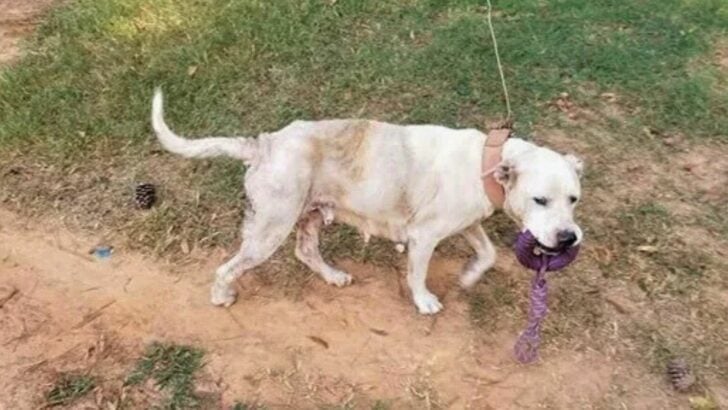
Imagine being chained outside for years, with no one to love you, no warm bed to sleep in, and no one to care for your basic needs. This is the story of a dog that had to endure unimaginable suffering, yet somehow, the resilience of its spirit stayed strong.
For years, this dog lived a life of loneliness and neglect, but what happened when someone finally showed kindness and gave it the love it so desperately needed?
This dog’s transformation is a reminder of how deeply our pets rely on us—not only for food and shelter but for love, care, and emotional well-being.
Table of Contents
- Life on a Chain: The Silent Struggle of Abandonment
- The Power of Love: A Second Chance
- How Abuse Affects the Emotional Health of Pets
- The Role of Pet Adoption in Healing
- How to Prevent Pet Neglect: The Importance of Responsible Pet Ownership
- The Connection Between Pet Care and Home Security
- How to Create a Safe and Loving Environment for Your Pet
- The Impact of Compassion and Advocacy
- Final Thoughts: The Power of Love and Responsibility
Life on a Chain: The Silent Struggle of Abandonment
For most of us, the thought of leaving a pet outside, chained to a post with no shelter or care, is unfathomable. But unfortunately, for one dog, this was its daily reality. Chained, ignored, and forgotten, this dog’s life was a silent struggle.
Chaining pets is an issue that’s all too common, yet remains largely unaddressed in many communities. The physical and psychological toll on an animal that’s left alone for years is immeasurable. The lack of interaction, exercise, and love can lead to serious health problems, emotional trauma, and behavior issues that can last a lifetime.
Why do people neglect their pets in this way? What does it take to make someone realize the emotional cost of pet neglect?
The Power of Love: A Second Chance
What was this dog’s life like before it was rescued? Painful—but hopeful. Despite the suffering, this dog had never given up hope. When the dog was finally rescued, it was evident just how much love it had missed out on. This was a turning point, not just for the dog, but for the rescue team and the family that would adopt it.
The first steps of recovery were emotional—learning what it felt like to trust, to be loved, and to have a future. But how do you rehabilitate a dog that has been subjected to such a harsh existence? The process is slow and requires a lot of patience, care, and compassion.
Would you be willing to take on the challenge of adopting a dog with such a heartbreaking past? What does this story teach us about the resilience of animals and our responsibility to care for them?
How Abuse Affects the Emotional Health of Pets

The emotional health of pets is often overlooked in discussions about animal welfare. This dog’s experience is a harsh reminder of how neglect and abuse can affect an animal’s mental state.
Pets that experience long-term emotional neglect may develop anxiety, fear, and depression. In some cases, these conditions can even manifest as aggressive behaviors or separation anxiety when left alone.
The road to recovery for a pet that has been emotionally damaged is challenging and requires ongoing care. But with patience, love, and the right environment, animals can learn to heal and trust again.
What can we do to better understand the emotional needs of our pets and ensure they thrive in a loving home environment?
The Role of Pet Adoption in Healing
Adoption isn’t just about giving a pet a home—it’s about giving them a second chance at happiness, health, and love. This dog’s journey to recovery wouldn’t have been possible without the support of the adoptive family who gave it the opportunity to heal.
Pet adoption can be a transformative experience, not just for the animal, but for the adopter as well. Adopting a dog with a troubled past comes with its challenges, but the rewards are immeasurable. Rescue pets often show an incredible amount of love and loyalty when they are given the chance to thrive.
If you’ve ever considered adopting a pet, what can you learn from stories like this about giving a second chance to animals in need?
How to Prevent Pet Neglect: The Importance of Responsible Pet Ownership
The dog’s story brings to light a crucial question: How can we prevent more pets from experiencing this kind of abuse? Pet neglect is a form of irresponsible ownership—one that leads to serious consequences for both the animal and the community.
Here are some steps we can all take to prevent pet neglect:
- Adopt Responsibly: Before adopting a pet, make sure you have the time, resources, and commitment to care for it properly.
- Ensure Proper Training: Dogs, especially those who have been abandoned or mistreated, need proper training and socialization.
- Provide Proper Shelter: Make sure your pet has a safe and comfortable space to live, whether inside or outside.
- Check for Local Laws: Many areas have laws against chaining or leaving pets outside for extended periods. Make sure you know your local regulations and follow them.
How many pets are suffering today because of poor pet ownership? It’s time to start making responsible decisions about how we treat the animals in our care.
The Connection Between Pet Care and Home Security
At first glance, you might wonder: What does this story about a neglected dog have to do with home security? The connection is stronger than you might think. The safety and well-being of your pet are closely tied to the security of your home.
Just like home security systems protect your property, ensuring your pet’s safety also requires monitoring and protection. Installing fencing, motion detectors, or pet cameras can prevent pets from escaping or getting into dangerous situations.
Here’s a thought: if your dog had wandered off, would you know where they were and what they were doing? Pet safety isn’t just about feeding them; it’s about keeping them protected, secure, and cared for at all times.
How to Create a Safe and Loving Environment for Your Pet
Creating a safe and loving home for your pet involves more than just offering food and water. It’s about creating a space that fosters their emotional and physical health. Here’s how you can improve your home environment for your pets:
- Safe Spaces: Create areas where your pet can retreat and relax. This could be a comfortable bed in a quiet corner or a crate where they feel secure.
- Interactive Toys: Stimulate your pet’s mind and reduce anxiety by providing toys and puzzles that keep them engaged.
- Routine and Consistency: Dogs thrive on routine, so make sure you provide consistent meals, walks, and bedtime.
- Physical Safety: Ensure your home is pet-proofed. Check that gates and windows are secure, and make sure your pet has no access to dangerous areas like roads or pools.
Would you consider making changes to your home to make it a better place for your pet to thrive?
The Impact of Compassion and Advocacy
The rescue of the chained dog wasn’t just an isolated incident—it speaks to a larger issue of animal welfare and the need for greater advocacy. This story encourages us to raise awareness, support local shelters, and advocate for better treatment of animals.
Many animals around the world are still waiting for a chance at a better life. By adopting, volunteering, or donating to shelters and rescue organizations, you can help make a difference in an animal’s life.
How often do you advocate for animals in your community? What steps can you take to raise awareness and ensure that fewer animals suffer the way this dog did?
Final Thoughts: The Power of Love and Responsibility

The story of the dog chained outside for years serves as a powerful reminder of both the resilience and vulnerability of animals. It shows us that with compassion and responsibility, we can help animals heal and give them the life they deserve.
If you’ve ever been inspired to adopt or rescue an animal, this story can serve as a guide to understanding the emotional complexity of caring for a pet with a troubled past. It’s time we all do our part to ensure that every animal, no matter its history, receives the love and care it deserves.
In our next article, we’ll explore “How to Build a Pet-Friendly Home: Top Tips for Comfort and Safety”, offering practical advice for keeping your pets safe and happy at home. Stay tuned!