

Table of Contents
The Cathedral Performance That Sparked Outrage
On October 30, during a scheduled performance at a cathedral near Buenos Aires, the orchestra was reportedly playing in front of a public audience when a group of parents entered the venue. According to reports, the parents had previously been aware of the musician’s criminal past and had tracked his location.
Witness accounts described a sudden disruption in the performance as the group confronted Pecollo directly. Shouts reportedly accused him of being a predator and questioned why he was allowed to perform in a public cultural and religious setting.
The situation escalated within moments. Instead of remaining a verbal confrontation, it turned physical as several individuals moved toward the stage area. Audience members were reportedly shocked as the performance descended into chaos.
Authorities later confirmed that the attack occurred inside the cathedral premises, an environment typically associated with safety, reflection, and community gathering, making the incident even more disturbing to the public.
Escalation Into Violence Inside a Sacred Space

The attack reportedly involved multiple individuals, with some accounts stating that Pecollo attempted to escape the confrontation. However, he was pursued and struck repeatedly during the altercation.
In a highly symbolic and controversial detail reported by media outlets, it was alleged that his own trumpet was used as part of the assault. The use of a musical instrument in such a violent manner added to the shock surrounding the case, turning an object associated with art and performance into a weapon.
Emergency services were eventually called to the scene, and Pecollo was transported to a medical facility in critical condition. He remained in a coma following the attack and died several days later as a result of his injuries.
Law enforcement authorities later opened an investigation into the incident, treating it as a case of homicide while also examining the motives and background of those involved in the attack.
Legal History and Questions About Early Release
One of the most debated aspects of the case is the prior sentencing and early release of the victim. According to reports, Pecollo had been convicted in 2010 and sentenced to a long prison term for offenses involving minors. However, he was released after serving only part of that sentence.
This detail has sparked renewed discussion about sentencing consistency, parole systems, and rehabilitation policies in Argentina’s criminal justice framework. Critics argue that early release in cases involving sexual offenses against children can undermine public trust and create risks if reintegration is not properly managed.
On the other hand, legal experts emphasize that most justice systems include mechanisms for conditional release, particularly when offenders meet certain criteria. The challenge lies in balancing rehabilitation opportunities with community safety concerns.
In this case, the fact that the individual was later performing publicly raised questions about whether sufficient safeguards or monitoring mechanisms were in place following his release.
Public Reaction and Community Division
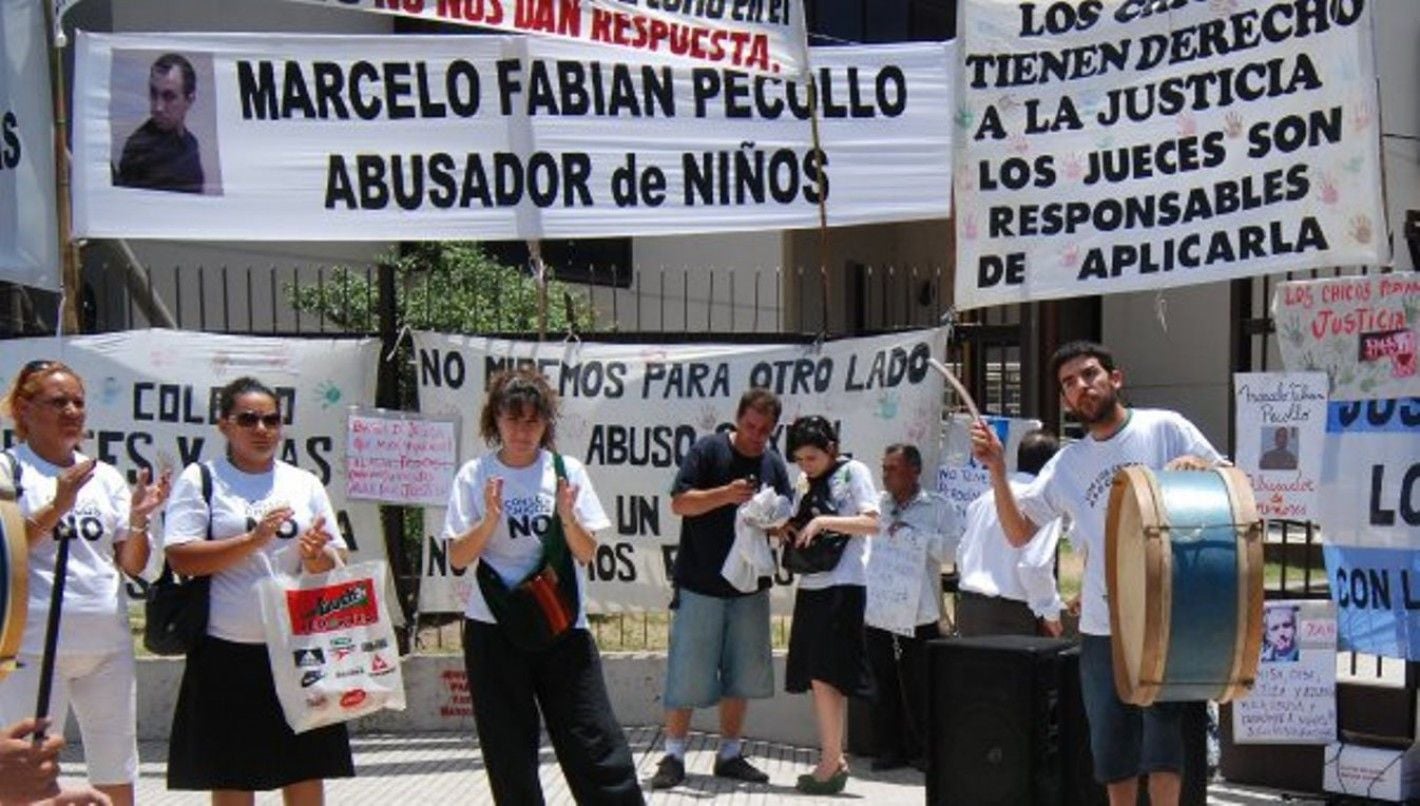
The aftermath of the attack generated widespread public reaction both in Argentina and internationally. Many expressed sympathy for the victims of the original crimes and understood the emotional anger of the parents involved in the confrontation.
However, others strongly condemned the use of violence as a response, emphasizing that taking the law into one’s own hands undermines the legal system and can lead to dangerous precedents.
Human rights advocates warned that while the crimes attributed to the victim were serious and deeply disturbing, vigilante justice can erode rule of law and create cycles of violence. They stressed that accountability must remain within judicial systems rather than public retaliation.
At the same time, community voices highlighted the emotional reality faced by families affected by sexual abuse cases, arguing that justice systems often feel slow or insufficient in delivering closure.
This divide has made the case particularly polarizing, with debates unfolding across media platforms, legal forums, and public discussions.
Vigilantism Versus Legal Justice
The core issue raised by this incident is the tension between legal justice and vigilantism. While the accused was not under public protection at the time of the attack, his presence in a public cultural setting created a flashpoint that led to violence.
Legal analysts note that vigilantism typically emerges when communities feel that formal systems have failed to deliver adequate punishment or protection. However, such actions bypass due process and can lead to unintended legal consequences for those involved.
In this case, authorities have confirmed that an investigation is ongoing into the individuals who carried out the attack. Depending on findings, they may face charges related to assault or homicide.
The case highlights a recurring global challenge: how societies manage the reintegration of individuals convicted of serious crimes while maintaining public trust and safety.
Broader Implications for Society and Justice Systems

Beyond the immediate tragedy, the incident raises broader questions about criminal justice reform, offender rehabilitation, and community awareness. It also reflects the emotional weight carried by victims’ families, especially in cases involving crimes against children.
Experts argue that clearer communication about offender placement, stricter supervision where necessary, and improved transparency could help reduce community tensions in similar cases. However, these measures must be balanced with legal rights and rehabilitation frameworks.
The use of violence in this case also underscores the importance of addressing public frustration through lawful channels, ensuring that emotional responses do not override legal protections.
As discussions continue, the incident remains a stark reminder of how unresolved trauma, legal controversies, and public anger can intersect in unpredictable and tragic ways.
Conclusion
The fatal attack on a former convicted musician during a cathedral performance in Argentina has left a lasting mark on public discourse about justice, accountability, and emotional retaliation. While the underlying allegations that triggered the confrontation are severe, the outcome has also raised urgent concerns about the dangers of vigilante action.
As the legal process continues, the case stands as a complex example of how past crimes, perceived justice failures, and immediate emotional responses can collide with devastating consequences. It forces a broader reflection on how societies can uphold both justice and restraint in the face of deeply painful histories.