
Table of Contents
- A Major Shift in Who Can Join the Army
- Why the Army Needs a Bigger Recruiting Pool
- The Return of an Old Recruiting Formula
- A Second Change That Says Even More
- How the Army Compares With Other Branches
- What This Says About America’s Military Challenge
- The Human Side of the Policy Change
- A Recruiting Adjustment With Long Term Meaning
- What This Means for the Future of Army Recruitment
A Major Shift in Who Can Join the Army
Under the revised regulations, the Army is increasing its maximum enlistment age to 42, bringing it closer to other branches that already accept older recruits. The Air Force and Navy both cap enlistment at 41, while the Marine Corps remains more restrictive, generally limiting enlistment to 28 unless special permission is granted. By moving its own ceiling upward, the Army is signaling that it no longer sees younger applicants as the only answer to its manpower needs.
This is not the first time the Army has taken this step. During the height of the Iraq War in 2006, the service temporarily raised the age cap to 42 as it struggled to meet force demands during a period of intense military operations. A decade later, that limit was lowered back to 35. The decision to return to 42 in 2026 therefore carries a familiar message: when recruiting becomes harder and the applicant pool shrinks, age restrictions become one of the first barriers to reconsider.
Yet officials familiar with the decision have stressed that this latest change was not driven by the ongoing conflict involving Iran. According to ABC News, the policy had been in development for months and is part of a longer-term effort to widen the recruiting pipeline rather than a short-term reaction to a specific overseas crisis. That distinction matters because it suggests the Army is dealing with a structural recruitment problem, not just a temporary wartime surge.
Why the Army Needs a Bigger Recruiting Pool
The most important fact behind this move is simple: the pool of eligible recruits has been shrinking. The Pentagon has estimated that only about 23 percent of Americans between the ages of 17 and 24 are currently eligible to serve. That means the military is already competing for a relatively small share of the youth population before it even begins trying to persuade people to enlist. Academic struggles on the military entrance exam, obesity, and criminal records are among the biggest reasons many young Americans do not qualify.
That figure is startling because it reveals how narrow the Army’s starting point has become. Military recruitment is not only about persuasion anymore. It is increasingly about eligibility. Even if the Army were to run highly effective campaigns, offer bonuses, and intensify outreach, it still faces a fundamental constraint: millions of young people cannot pass the threshold required for entry. Raising the enlistment age does not solve that problem, but it does expand the search to a broader group of adults who may have more stability, stronger motivation, or a renewed sense of purpose later in life.
There is another subtle shift happening as well. According to service data reviewed by ABC News, the average age of recruits has been creeping upward, rising from 21 in 2010 to nearly 23 last year. That may sound minor, but it suggests the traditional teenage recruit is no longer the Army’s only realistic target. Americans are taking longer to settle into careers, education paths, and adult responsibilities. In that context, raising the enlistment age may be the Army’s way of acknowledging that life trajectories have changed and recruitment policy must change with them.
The Return of an Old Recruiting Formula
In some ways, this decision revives a formula the Army has used before: when younger recruiting pipelines become strained, broaden the definition of who might serve. The 2006 age increase happened in the shadow of war, but the logic still applies today. Older recruits can bring maturity, work experience, family discipline, and a stronger sense of commitment. For some, military service in their late 30s or early 40s may represent a second career, a response to economic change, or a delayed desire to serve that was once postponed by family or work obligations.
At the same time, the move raises obvious practical questions. Military service is physically demanding, and age can affect recovery, endurance, and deployability. The Army clearly believes that its medical and fitness screening systems are sufficient to determine which older applicants can meet the required standards. In other words, the service is not promising that every 42-year-old will be accepted. It is saying that applicants up to that age deserve the chance to compete, provided they can meet the same requirements that protect readiness. This distinction is critical because the policy is not lowering physical standards. It is widening the gate to see who might still clear them.
A Second Change That Says Even More
The enlistment age increase did not come alone. The Army also changed its rules to allow applicants with one marijuana-related conviction to enlist. That adjustment may be even more revealing than the age change because it reflects how the military is adapting to shifting social attitudes and legal realities. Marijuana laws across the United States have changed dramatically over the past decade, and many Americans now live in places where cannabis use has been decriminalized or legalized under state law. An older recruiting model that treated even a single marijuana-related offense as a major barrier may no longer fit the social landscape the Army is operating in.
This does not mean the Army is broadly relaxing standards around misconduct or drug use. The new policy is narrow. It allows enlistment for individuals with only one marijuana-related conviction, not multiple offenses or a sweeping category of criminal history. Still, the symbolism is powerful. It shows the Army is reassessing rules that may have excluded otherwise capable candidates over conduct that, in much of the country, now carries a very different cultural and legal meaning than it did years ago.
Taken together, the age increase and the marijuana rule change send the same message: the Army believes that some past restrictions are now too costly in a recruiting market where qualified people are increasingly hard to find.
How the Army Compares With Other Branches
One reason this decision may feel less radical than it first appears is that the Army was, in some ways, catching up. Other branches have already been more open to older applicants. The Navy and Air Force both cap enlistment at 41, while the Coast Guard also allows recruitment into the early 40s according to some recent reporting on the regulation change. The Marines remain the clear outlier, holding to a much lower age ceiling and a more selective profile overall.
That comparison matters because it frames the Army’s move as an alignment rather than a dramatic departure. The branch is not inventing an unheard-of standard. It is repositioning itself within the broader military landscape so that it does not exclude applicants whom other services would at least consider. In a competitive recruiting environment, that kind of alignment can matter. A 39-year-old or 41-year-old interested in service might now see the Army as a viable path rather than automatically looking elsewhere or assuming military service is no longer possible.
What This Says About America’s Military Challenge
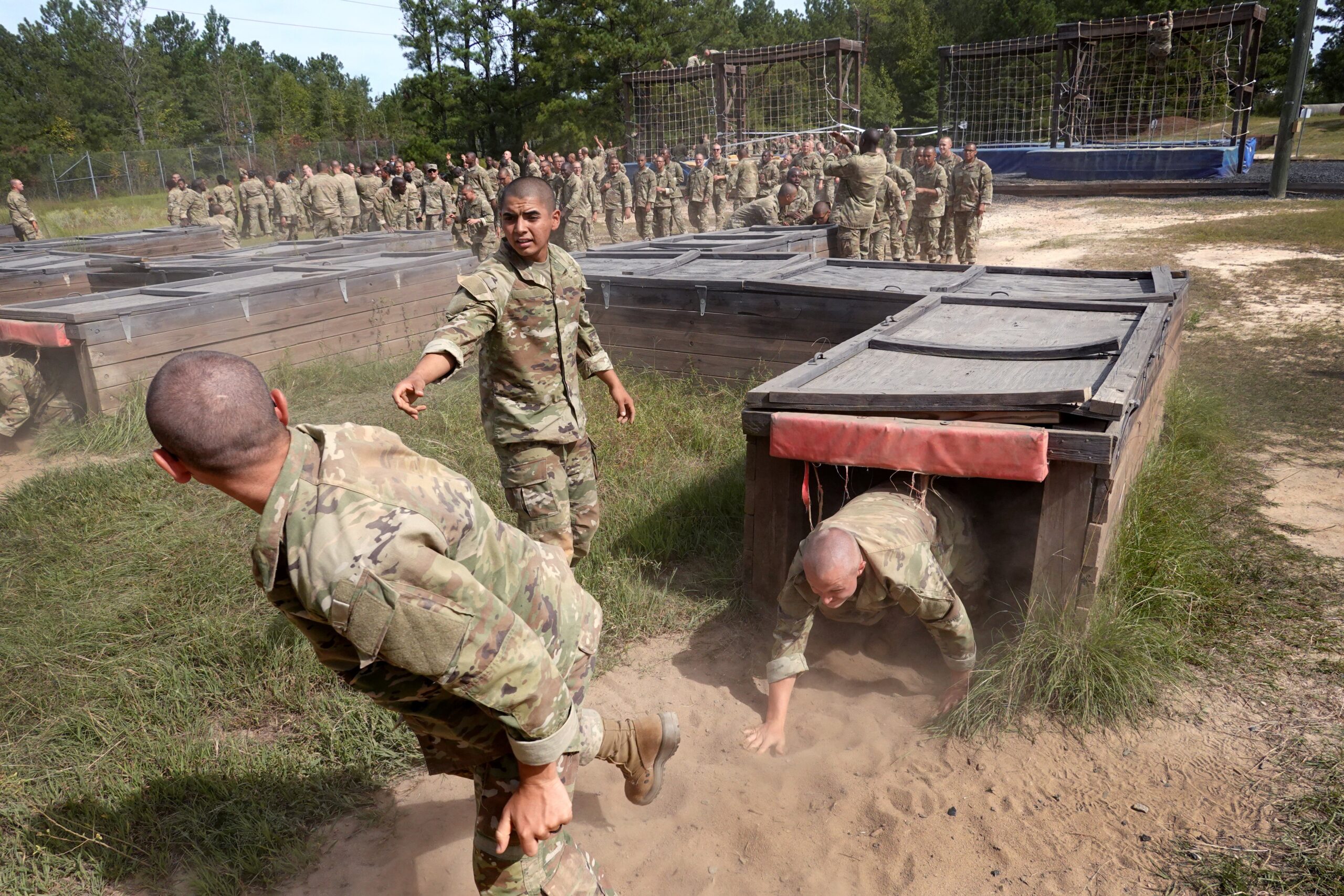
The deeper story here is not really about people in their 40s. It is about the Army’s concern that the traditional recruiting base is no longer sufficient. A country of hundreds of millions should, in theory, provide a robust pipeline of recruits. But the military has spent years warning that the combination of physical health trends, educational gaps, legal barriers, and low propensity to serve has steadily eroded that pipeline. The 23 percent eligibility estimate is not just a number. It is a warning that the gap between the Army’s needs and the nation’s preparedness may be widening.
That challenge has strategic consequences. A volunteer military depends on a constant inflow of people who are physically fit, mentally prepared, and willing to serve. If the eligible pool contracts too far, the military must either recruit more aggressively from the margins, increase incentives, rethink standards, or invest more heavily in preparation programs that help potential recruits meet requirements. Raising the age limit belongs to that larger pattern of adaptation. It is one tool, not a full solution.
The Human Side of the Policy Change
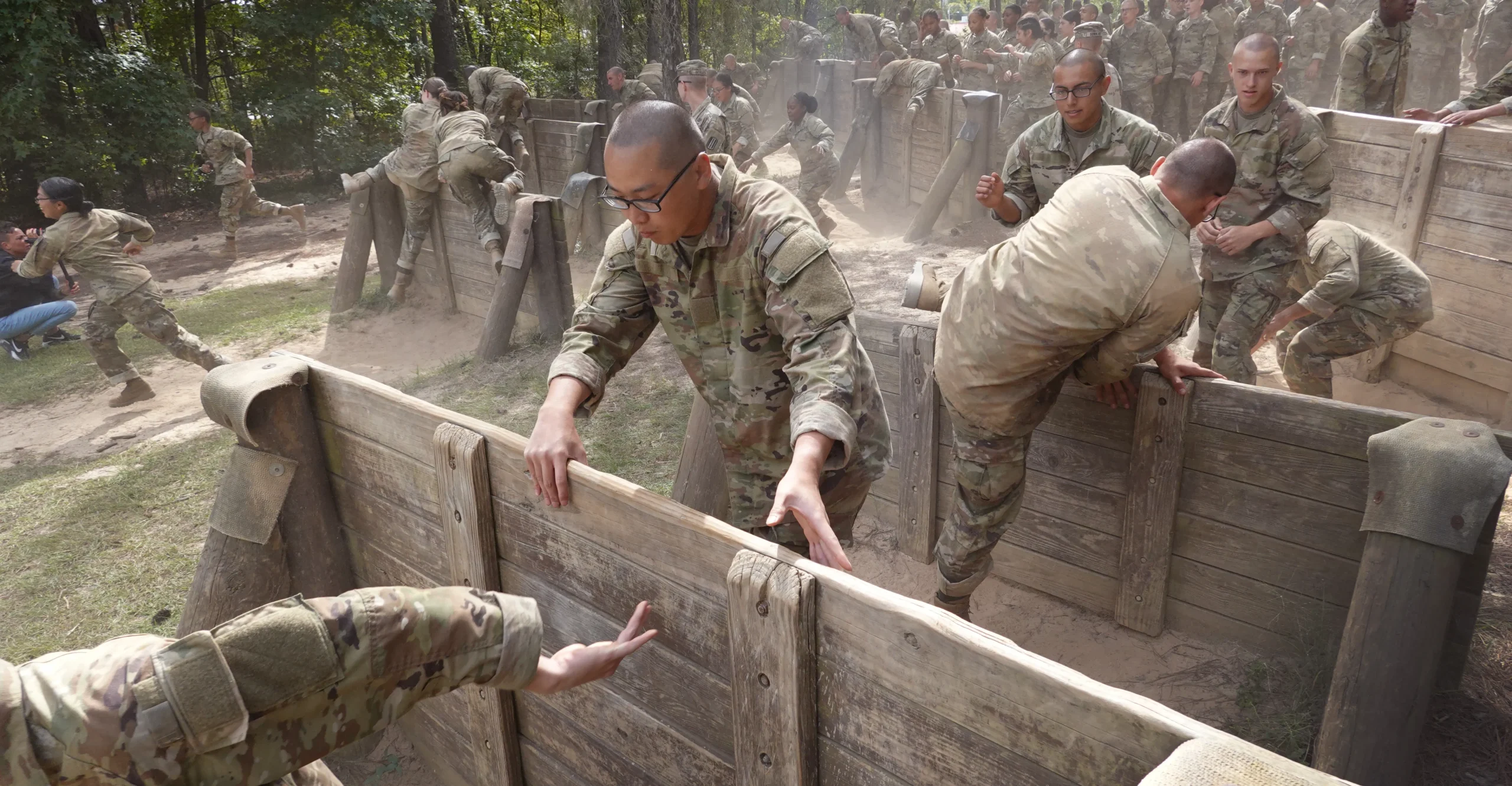
For many Americans, this rule may open an unexpected door. Someone who assumed they had aged out of military service at 35 may now find themselves newly eligible at 38, 40, or 42. That could matter to people seeking a fresh start, career training, benefits, purpose, or a chance to serve after circumstances earlier in life made enlistment impossible. The military has always attracted people for different reasons, and older recruits may arrive with a different kind of motivation than younger ones. They may be less impulsive, more disciplined, and more certain about why they want to join.
At the same time, the Army will need to balance that opportunity with the realities of training and force integration. Older recruits may have spouses, children, established careers, or health considerations that make the transition into military life more complex. Training environments designed around younger entrants may also need to adapt in subtle ways. The service appears to believe those challenges are manageable, especially compared with the cost of leaving a potentially valuable applicant segment untapped.
A Recruiting Adjustment With Long Term Meaning
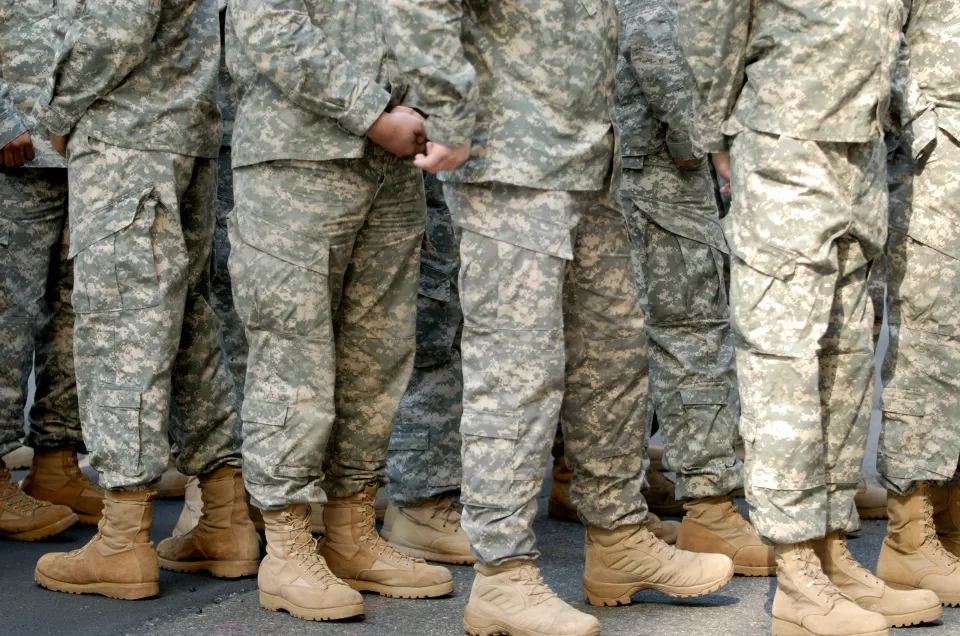
Because this change was reportedly in the works for months and is not being framed as a response to one current conflict, it may prove to be more than a temporary fix. It could signal a broader rethinking of what the Army wants its recruiting base to look like in the future. For years, the image of the recruit has centered on teenagers and people in their early 20s. This rule complicates that image. It suggests the Army sees national service as a possibility for a wider range of adults, not just the very young.
Whether the move materially boosts numbers remains to be seen. It is entirely possible that only a modest number of older recruits will ultimately enlist. But even a modest increase could matter if the Army is consistently missing targets. More importantly, the policy tells us how seriously Army leaders are taking the recruiting challenge. They are not waiting for the pool to improve on its own. They are changing the rules of who gets considered.
What This Means for the Future of Army Recruitment
In the end, the Army’s new enlistment age policy is about more than adding seven extra years to the top of an eligibility chart. It is a sign of a military adapting to a country where fewer young people qualify to serve, where social norms around past marijuana offenses have shifted, and where readiness increasingly depends on flexibility in recruitment policy. The service is trying to widen opportunity without surrendering standards, and that balance will define whether this change succeeds.
If the policy works, it may help stabilize recruiting and offer a new path to adults who thought military service was behind them. If it falls short, it will still stand as evidence of how constrained the recruiting environment has become. Either way, the message is unmistakable. The Army is searching more broadly because it believes the old recruiting pool is no longer large enough. That reality says as much about modern America as it does about the military itself.