

Table of Contents
- What is Artificial Meat and Why the Controversy?
- Trump’s Executive Order: What Does It Propose?
- The Arguments for and Against the Ban
- Embracing Sustainability and Innovation
- The Role of Artificial Meat in Environmental Sustainability
- How the Ban Could Affect the Food Industry
- The Future of Food: Innovation or Regulation?
- What’s Next for the Artificial Meat Debate?
What is Artificial Meat and Why the Controversy?
Artificial meat, also known as lab-grown or cultured meat, is produced by cultivating animal cells in a lab environment, bypassing the need to raise and slaughter animals. It has been hailed as a groundbreaking innovation in the food industry, offering the potential to reduce the environmental impact of meat production, minimize animal suffering, and address global food security concerns.
However, despite its promise, artificial meat remains controversial. Supporters argue that it offers a sustainable alternative to conventional meat, while critics claim it is unsafe and an unnecessary distraction from more traditional forms of farming. With growing demand for alternatives to factory-farmed meat, the discussion about artificial meat is becoming increasingly relevant as new technologies emerge.
Trump’s Executive Order: What Does It Propose?
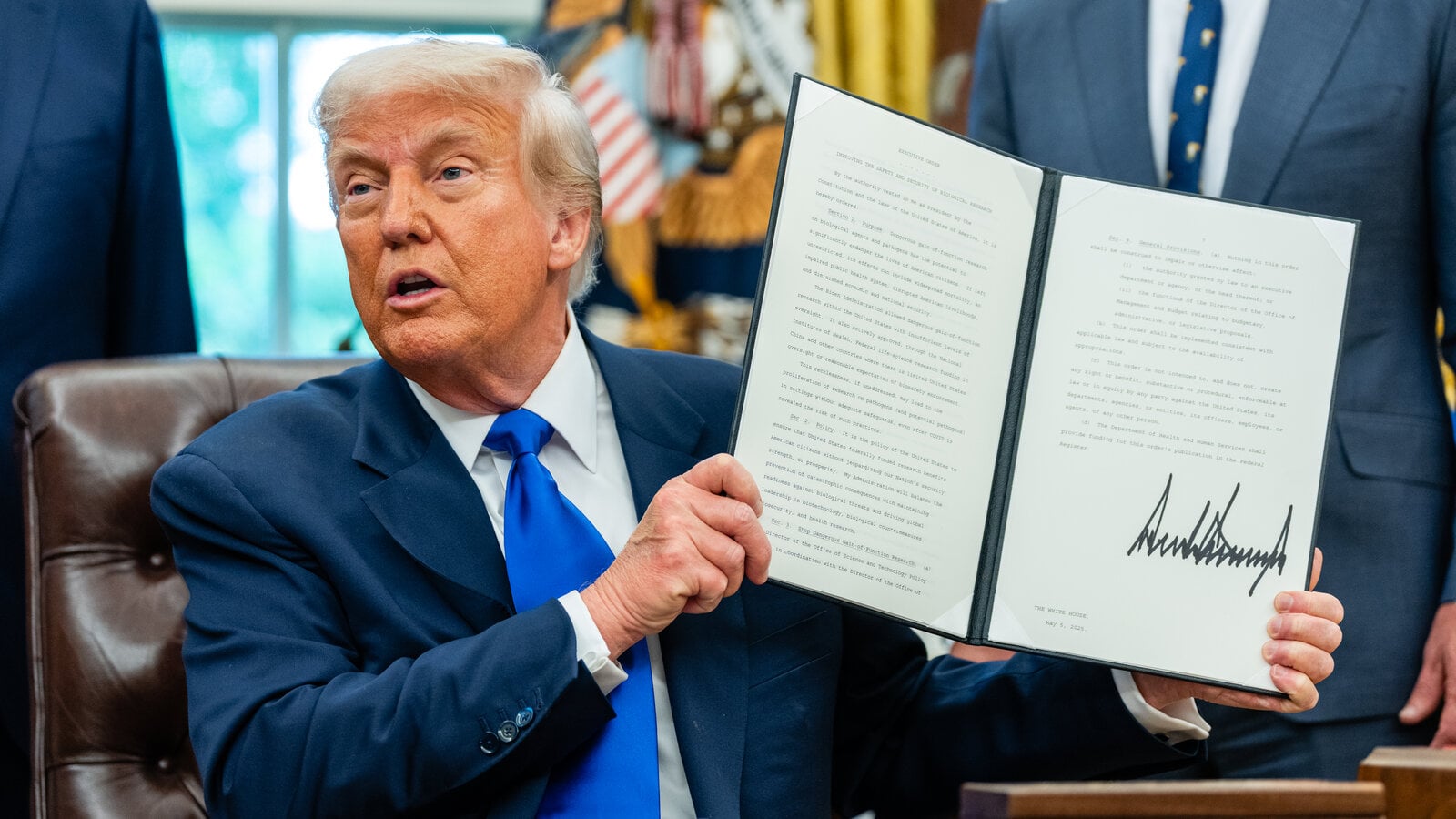
President Trump’s executive order, if passed, would make it illegal for companies to produce or sell artificial meat in the United States. The executive order cites concerns about consumer health and the potential risks associated with lab-grown food. It also references the need to protect the livelihoods of farmers, ranchers, and traditional meat producers, many of whom have expressed strong opposition to the growing popularity of cultured meat.
The order has sparked immediate backlash from those in the biotechnology and alternative food sectors. Supporters of artificial meat argue that banning it would stifle innovation, harm the environment, and hinder progress toward a more sustainable food system. They argue that Trump’s proposal is a step backward in the fight against climate change and food insecurity.
The Arguments for and Against the Ban
One of the primary arguments for banning artificial meat is the protection of traditional farming and ranching practices. Critics of lab-grown meat argue that it threatens the agricultural economy and the livelihoods of farmers and ranchers who have relied on livestock for generations. By banning artificial meat, supporters hope to preserve the way of life for rural communities and protect jobs in the traditional meat industry.
Additionally, some critics of artificial meat raise concerns about its long-term health effects. While there have been studies that suggest lab-grown meat could be safer than conventional meat in terms of bacterial contamination, there is still skepticism about the potential risks of consuming genetically modified food products. The ban, according to its supporters, would help protect consumers from any unintended health consequences.
Embracing Sustainability and Innovation
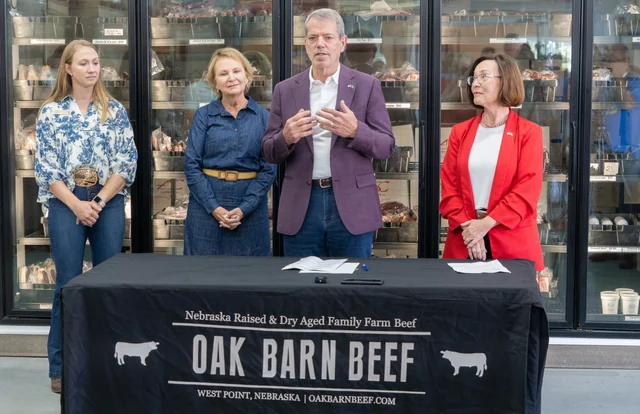
Opponents of Trump’s executive order argue that banning artificial meat would be a significant setback for environmental sustainability. Traditional meat production is one of the largest contributors to greenhouse gas emissions, deforestation, and water use. Artificial meat has the potential to reduce these environmental impacts by cutting down on the need for livestock farming and the associated resources.
In addition to environmental concerns, proponents of lab-grown meat see it as a way to address global food insecurity. As the world’s population grows, demand for meat is expected to increase. Artificial meat could offer a way to meet that demand without putting additional strain on the planet’s resources. Critics of the ban argue that it is short-sighted and ignores the urgent need for innovation in the face of global challenges.
The Role of Artificial Meat in Environmental Sustainability
One of the key arguments in favor of artificial meat is its potential to reduce the environmental impact of food production. Traditional livestock farming requires vast amounts of land, water, and feed. It is also a significant source of methane emissions, a potent greenhouse gas that contributes to climate change. By contrast, lab-grown meat could be produced using far fewer resources, significantly reducing its environmental footprint.
Studies have shown that artificial meat could use up to 90% less water and produce 90% fewer greenhouse gas emissions compared to conventionally farmed meat. Additionally, because it doesn’t require raising animals, it could help reduce deforestation and other forms of environmental degradation associated with animal agriculture. For many environmentalists, artificial meat is seen as a crucial step toward a more sustainable food system.
How the Ban Could Affect the Food Industry
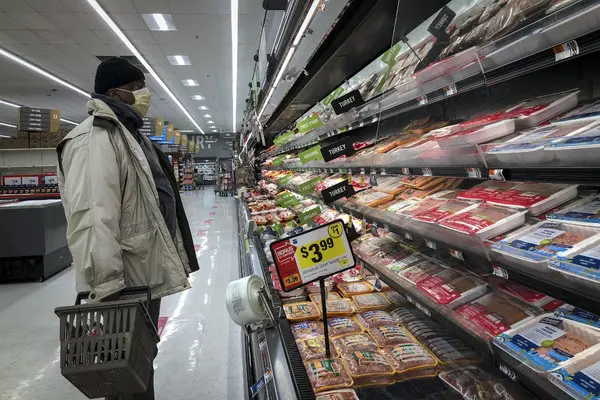
The economic implications of Trump’s executive order would be far-reaching. The artificial meat industry has attracted significant investment in recent years, with companies like Impossible Foods and Beyond Meat leading the way in creating plant-based and lab-grown meat alternatives. The ban could stifle innovation in these industries, potentially leading to job losses and a reduction in the economic benefits associated with this growing market.
Furthermore, many consumers are increasingly seeking out alternative protein sources, either for health reasons or due to environmental concerns. Artificial meat could provide a way to meet this demand while reducing the strain on natural resources. By banning it, Trump’s executive order could inadvertently block progress in meeting the evolving needs of the modern consumer.
The Future of Food: Innovation or Regulation?
As the world grapples with climate change and food security challenges, the future of food production will likely hinge on innovation. Artificial meat represents a bold step forward in creating a more sustainable food system. While Trump’s proposed ban is one approach to regulating this emerging industry, it raises questions about the role of government in shaping the future of food.
In many ways, this debate highlights the tension between innovation and regulation. On one hand, banning artificial meat could be seen as a way to protect traditional industries and maintain consumer trust in the food system. On the other hand, supporting lab-grown meat could help ensure that future generations have access to a sustainable, ethical, and environmentally friendly food supply.
What’s Next for the Artificial Meat Debate?
As the debate over artificial meat continues to unfold, the fate of Trump’s executive order remains uncertain. While some view the ban as a necessary step to protect traditional industries, others see it as a barrier to innovation and progress. Ultimately, the decision will shape the future of food production and sustainability in the United States.
For now, the future of artificial meat hangs in the balance, with lawmakers, industry leaders, and consumers all weighing in on what they believe is the best path forward. The growing demand for alternatives to traditional meat, coupled with the environmental challenges posed by livestock farming, means that this debate is far from over. How the U.S. chooses to address these issues will have lasting implications for the food industry and global sustainability.