

Table of Contents
Unprecedented Temperatures
Australia is no stranger to hot summers, but this particular heatwave is breaking all previous records. According to meteorologists, temperatures in several parts of the country have reached levels typically seen only in the most extreme desert regions. The city of Sydney, for instance, saw its highest recorded temperature in more than 50 years, reaching a scorching 118°F (48°C) on one of the worst days. Meanwhile, other areas like Perth and Adelaide experienced temperatures just shy of the 122°F (50°C) mark, a level rarely seen in urban centers.
The cause of such extreme temperatures is attributed to a combination of high-pressure systems and persistent heat waves that have been exacerbated by climate change. Experts point to the weakening of traditional weather patterns and the growing frequency of such heat events as a direct result of global warming. This heatwave, unlike typical seasonal spikes, has been sustained over several days, pushing both human and ecological resilience to their limits.
The Impact on Australians

The record-breaking heatwave has triggered widespread health and safety concerns, with authorities issuing extreme weather warnings across the country. Hospitals have reported an increase in heat-related illnesses, including heat exhaustion, dehydration, and heatstroke. Vulnerable groups, such as the elderly, young children, and those with pre-existing health conditions, have been especially affected by the prolonged exposure to dangerous temperatures.
In addition to the health risks, the heatwave has placed an immense strain on Australia’s infrastructure. Power grids have been under pressure as demand for air conditioning and cooling systems has surged, leading to blackouts in some areas. Authorities have urged residents to limit their outdoor activities, especially during peak heat hours, and to stay hydrated. Despite these precautions, the sheer intensity of the heatwave has left many feeling helpless as they battle the oppressive conditions.
Climate Change
This heatwave is just one example of a broader trend of increasingly severe weather events that have been observed in Australia over the past few decades. Climate change has caused global temperatures to rise, leading to more frequent and intense heatwaves, droughts, and wildfires. Australia, with its vast and diverse geography, is particularly vulnerable to these shifts in climate patterns.
Scientists have warned that extreme heatwaves like the one currently sweeping through Australia could become more frequent as global temperatures continue to climb. The Intergovernmental Panel on Climate Change (IPCC) has predicted that by the end of the century, much of the planet, including Australia, will experience more extreme weather events if global warming is not mitigated. Australia’s climate, which is already characterized by harsh conditions in many regions, is expected to face even more severe challenges in the coming decades, including longer and hotter heatwaves, particularly in the summer months.
The current heatwave underscores the urgent need for global action to combat climate change, including reducing greenhouse gas emissions and transitioning to renewable energy sources. While Australia has made some progress in these areas, the severity of the heatwave highlights the gap between current efforts and what is needed to prevent further climate disruption.
Economic and Environmental Impact

Beyond human health and safety, the heatwave is also taking a significant toll on Australia’s economy and environment. Agriculture, one of the country’s most important industries, has been particularly hard hit, with crops such as wheat, barley, and fruits experiencing stunted growth or even being destroyed due to the extreme heat. The agricultural sector, which already faces challenges due to droughts and water shortages, is now under further strain as the heatwave threatens food security and production.
In addition to agriculture, the tourism industry, which relies on the appeal of Australia’s beaches, national parks, and outdoor activities, has been affected by the sweltering conditions. Tourists are being urged to stay indoors or seek cooler environments, which has led to a decline in tourism-related activities. The cost of recovery from the heatwave, including rebuilding infrastructure and assisting the farming sector, is expected to be significant.
The environmental impact is also notable, with wildfires becoming a growing concern. The heat has made conditions more favorable for the spread of wildfires, which have already ravaged large parts of the country in recent years. The bushfire season, which typically peaks in the summer months, is now starting earlier in the year due to the persistent heat, making it harder for fire services to contain these blazes.
Global Warming and the Need for Urgent Action
As Australia grapples with this record heatwave, it is also an important moment for the global community to reflect on the escalating impacts of climate change. The extreme weather events witnessed in Australia are not isolated. Similar heatwaves, floods, and wildfires have been observed across the globe, from the U.S. West Coast to Southern Europe. These events are a clear reminder that the climate crisis is not a future threat—it is happening right now.
Governments, businesses, and individuals must urgently adopt policies and practices to reduce emissions, protect ecosystems, and build resilience to climate change. In Australia, this means continuing to shift toward renewable energy, improving water management in agriculture, and enhancing disaster preparedness for future extreme weather events. On the global stage, the urgency of these measures is clear: without a collective effort to curb emissions and address climate change, the frequency of such extreme weather events will only increase.
The Role of Renewable Energy and Innovation
One of the key solutions to combating extreme weather events like the current heatwave lies in renewable energy and innovation. As the world moves away from fossil fuels, the transition to clean energy sources such as solar, wind, and hydroelectric power is essential in reducing global warming and mitigating climate change. In Australia, solar power is already playing a significant role in providing clean, sustainable energy, especially in rural areas. The country’s vast landscape and abundant sunlight make it an ideal location for solar farms and wind turbines.
In addition to renewable energy, technological advancements in energy storage and grid management will be crucial in ensuring that energy demand can be met during periods of extreme weather. The development of efficient battery storage systems will allow renewable energy to be stored and used when demand is highest, reducing reliance on fossil fuels and helping to stabilize the grid during heatwaves and other extreme conditions.
Preparing for Future Heatwaves
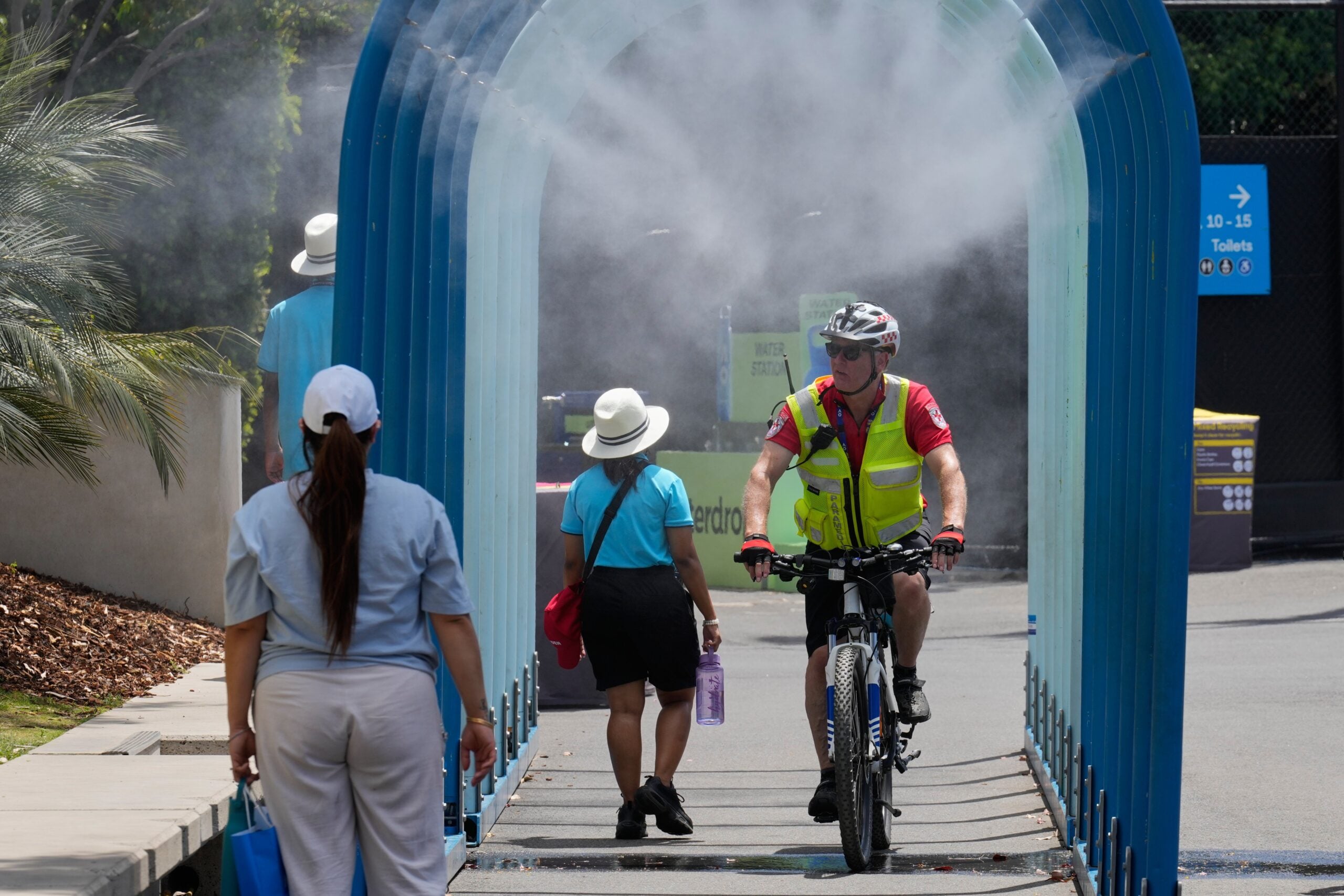
As Australia faces the realities of climate change, it is becoming increasingly clear that preparation for future heatwaves is essential. This includes building infrastructure that can withstand extreme temperatures, such as energy-efficient buildings, better water management systems, and cooling systems that are both sustainable and accessible. Communities in areas prone to extreme heat will need to develop strategies to cope with rising temperatures, including creating public spaces with cooling stations and ensuring that vulnerable populations have access to air conditioning and other cooling resources.
In addition, the government must prioritize disaster preparedness and response, ensuring that resources are available to deal with the immediate impacts of heatwaves, such as health care, food security, and fire prevention. Community awareness and education about the risks of extreme heat and climate change will also play an important role in building resilience.
Conclusion
The record-breaking heatwave currently sweeping across Australia is a stark reminder of the growing threat posed by climate change. With temperatures reaching unprecedented levels and extreme weather events becoming more frequent, it is clear that the country’s climate future will depend on urgent action to address global warming. While this heatwave has highlighted the immediate challenges, it also offers an opportunity for Australia—and the world—to invest in renewable energy, sustainable practices, and climate resilience. The steps taken now will determine how well we can cope with the changing climate and protect both people and the planet in the years to come.