
Table of Contents
The 2016 Cyprus Hijacking Incident
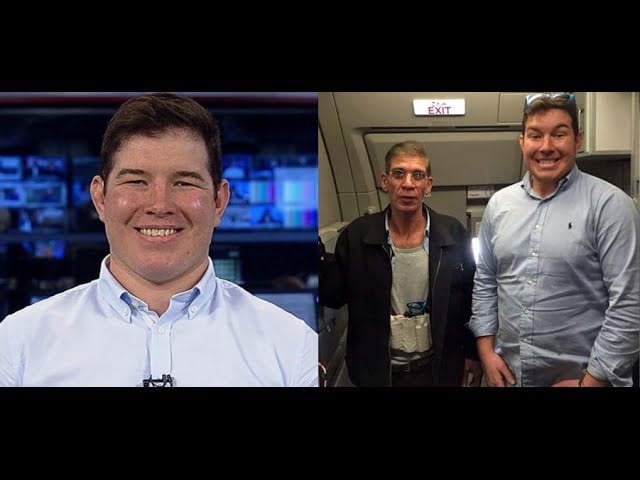
When news spread in 2016 that a British man had taken a selfie with a hijacker aboard a plane during a high-tension terrorist standoff, the world was left stunned. The photo, which rapidly went viral, was captured aboard Egyptair flight MS181 as it was hijacked by a man claiming to have explosives strapped to his chest. What followed was not only a standoff between the authorities and the hijacker, but an unprecedented moment in modern history — a selfie taken amid life-threatening chaos.
Ben Innes, a 26-year-old health and safety auditor from Aberdeen, was one of the 56 passengers on board the flight, which was en route from Alexandria to Cairo when it was diverted to Larnaca, Cyprus after being hijacked by Seif Eldin Mustafa, a man with a seemingly real suicide belt. Innes, later known worldwide for the photo, became part of the story when he requested a selfie with the terrorist. This seemingly bizarre act turned into a worldwide discussion, leading to questions about human behavior under pressure, the psychology behind the selfie culture, and how a moment of panic turned into internet legend.
The Hijacking and the Man Behind the Camera
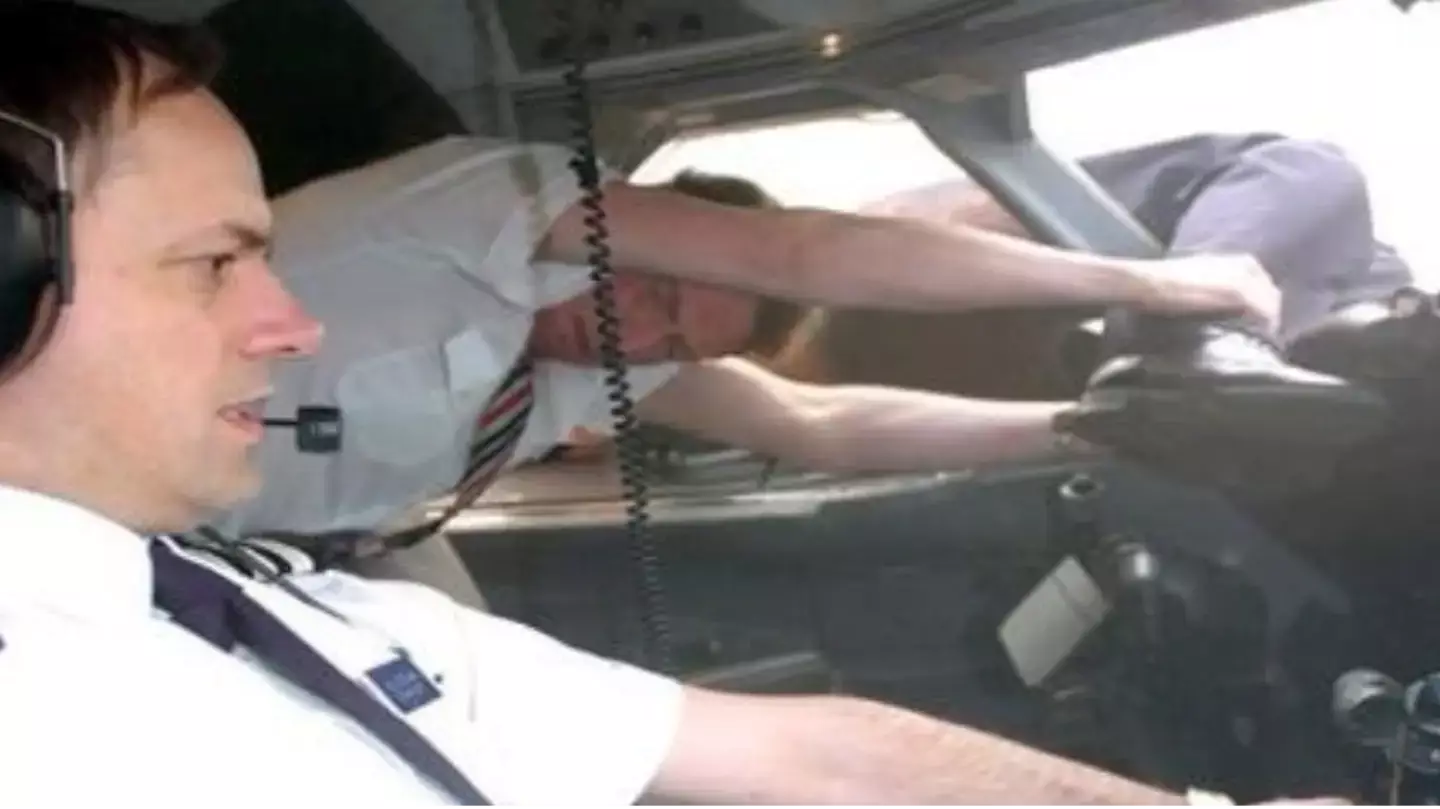
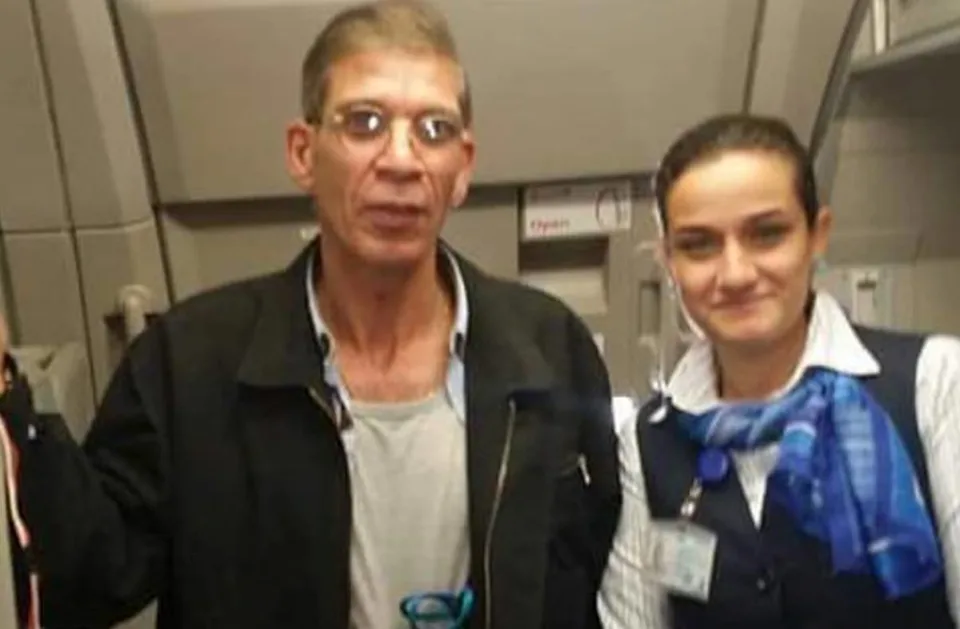
On March 29, 2016, Egyptair flight MS181 was hijacked mid-flight, forcing the plane to make an emergency landing at Larnaca Airport in Cyprus. The hijacker, identified as Seif Eldin Mustafa, was armed with a suicide belt, which raised fears of a major terror attack. Mustafa’s demands were primarily personal — he sought to speak with his ex-wife in Cyprus. While he held passengers at gunpoint, the authorities quickly moved to negotiate his surrender.
During the standoff, Innes, one of the passengers held on the plane, decided to act unexpectedly. According to his later interviews, the idea of the selfie wasn’t driven by a desire to commemorate the moment or a fan-like admiration of the hijacker but rather a simple curiosity to inspect the bomb and take a chance. He said, “If the bomb was real, I had nothing to lose,” adding that he simply wanted “a closer look” at the potential explosives.
With the assistance of a cabin crew member who acted as a translator, Innes asked Mustafa if he could take the selfie. To his surprise, Mustafa consented with a shrug, and the photo was taken — with Innes smiling beside the man holding what appeared to be a deadly weapon. The photo, as controversial as it was, would go on to become one of the most talked-about images in recent years, sparking debates on the morality of taking such a selfie during a hijacking and the bizarre courage it represented.
The Role of Social Media in Amplifying the Moment
The selfie that Ben Innes took aboard Egyptair flight MS181 was not only a personal moment for him but also became a global media phenomenon. With the rise of social media, the image spread like wildfire, and before long, it was being discussed across news outlets, blogs, and platforms like Twitter, Facebook, and Instagram.
In a time when internet users were becoming accustomed to viral moments — often involving celebrities or sensational moments — the image of a passenger casually smiling alongside a terrorist was jarring. People worldwide debated whether Innes’ actions were brave, foolish, or insensitive. Some praised him for maintaining composure, while others criticized his decision to document the ordeal instead of focusing on survival.
The selfie was so extraordinary because it broke the norms of hijacking coverage. In an age of cell phones and self-expression, this was not just a hostage crisis; it was a social media moment caught on film, capturing the bizarre mix of real-life danger with the growing trend of social media interaction in everyday life.
From Internet Meme to National Headlines
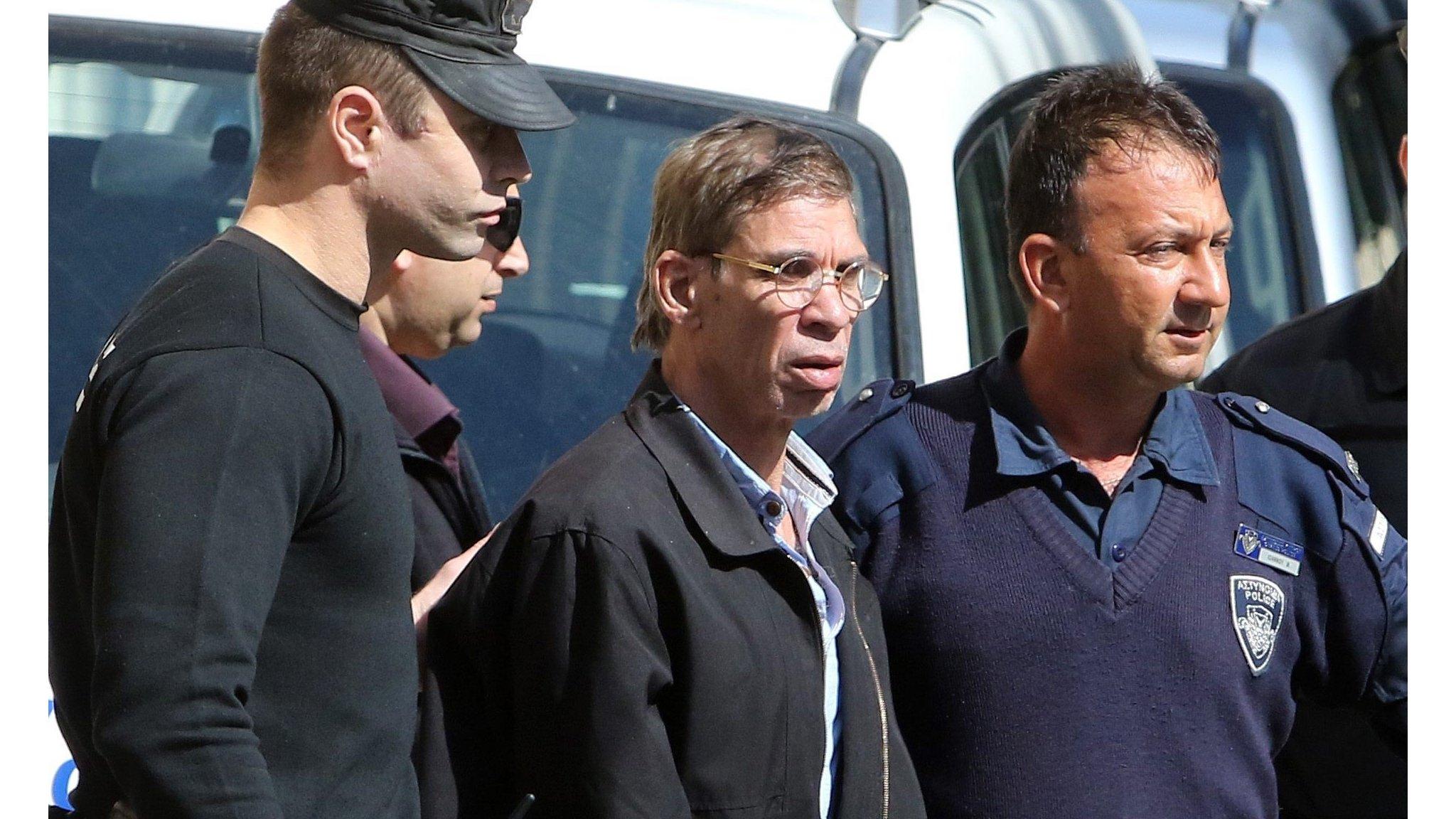
Following the events on the plane, Seif Eldin Mustafa eventually surrendered to the authorities after a five-hour standoff. He was arrested and later tried for hijacking the flight with terrorist intent. In 2019, Mustafa was sentenced to life in prison by an Egyptian court. His motives appeared to be personal, and he had not followed through with his threat to detonate the bomb. Mustafa’s life sentence stemmed from his actions in endangering lives and attempting to manipulate the situation for his personal purposes.
Innes, however, did not escape unscathed from the event. The public backlash against his selfie grew, and while some considered it an act of bravery, many thought his actions were reckless and insensitive. Ultimately, Innes did not face legal consequences, but his reputation and his place in the media spotlight continued to evolve.
He later admitted that his actions were a mix of curiosity and an attempt to maintain calm in an extraordinarily tense moment. In interviews, he explained that the selfie wasn’t meant to be disrespectful but was part of his way of handling the situation. He did not expect it to become the viral image it turned out to be.
Terrorism and the Selfie Culture
The “selfie hijacker” moment raised important questions about the intersection of terrorism, public safety, and modern selfie culture. Innes’ decision to take the selfie was a rare case of self‑indulgence in a high‑stress situation, one that sparked a wider cultural conversation about how people interact with real‑world emergencies in the age of constant connectivity.
Terrorism, particularly hijackings, is often covered by media in a very serious and somber manner, emphasizing the danger and trauma associated with it. Innes’ selfie, however, presented the situation in a more casual and almost lighthearted manner, challenging traditional media coverage. This, in turn, forced society to rethink the ethics of documentation during moments of extreme crisis.
What the Selfie Reveals About Modern Crisis Culture
While the Innes selfie is often framed as a shocking image, it also reflects the modern culture of crisis management and self-expression. As people are constantly documenting their lives through social media platforms, moments like these — that once might have been kept private or documented in a more official manner — now become subjects of personal expression. Some argue this reflects a shift in how people perceive danger, with technology allowing them to remain engaged in the moment in ways that would have been unimaginable in the past.
This moment of crisis, captured through a lens and shared globally, not only impacted the media but also the public’s perception of how individuals handle high-stress, life-threatening situations. The image of Innes and Mustafa ultimately raised significant questions about the ethics of selfie culture in extreme contexts.
Conclusion:
The story of Ben Innes and his selfie with the terrorist hijacker will forever remain an unforgettable snapshot of how public crises, social media, and personal choices intersect in our modern age. The hijacking on Egyptair flight MS181 was a high-stakes event that could have ended in tragedy, but it instead became a global talking point due to one man’s decision to document the moment.
As selfies continue to define moments of significance, both joyous and tragic, the Innes story serves as a cautionary tale about the boundaries between personal expression and the responsibilities we hold in critical situations. Even in the most dangerous of times, the decision to capture a moment for posterity can sometimes say more about society than the event itself.