

Table of Contents
- A Familiar Political Message Returns
- The Billionaire Tax Proposal
- Wealth Inequality in the United States
- Sanders and the Road to 2028
- Supporters See a Moral Argument
- Critics Warn of Economic Risks
- The Political Impact of Wealth Debates
- Billionaires and the Public Narrative
- Economic Policy as a Campaign Battleground
- The Role of Political Messaging
- A Debate That Will Not Disappear
- Looking Toward the Future
A Familiar Political Message Returns
Bernie Sanders first gained national attention during the 2016 presidential campaign when his calls for major economic reforms energized millions of voters. His platform emphasized universal healthcare, tuition free public college, and aggressive policies targeting corporate power.
Central to his message was the belief that the United States economy had become increasingly unequal.
Sanders frequently pointed to statistics showing that the richest individuals control a significant portion of national wealth while many Americans struggle with rising living costs.
His campaigns argued that the system had become tilted in favor of billionaires and large corporations.
Although Sanders did not win the presidency, his ideas reshaped political discourse and pushed economic inequality to the forefront of national debate.
The Billionaire Tax Proposal

At the center of Sanders’ economic agenda is a proposal often referred to as the billionaire tax. The concept involves imposing higher taxes on the wealth of the richest individuals rather than relying solely on income based taxation.
Supporters of such policies argue that billionaires often accumulate vast wealth through assets like stocks and investments that may not be taxed until they are sold.
As a result, critics of the current system say the wealthiest Americans can grow their fortunes without paying taxes proportional to their overall wealth.
Sanders has argued that a modest tax on billionaire wealth could generate significant revenue for public programs.
Advocates claim that these funds could help finance healthcare expansions, education initiatives, and infrastructure improvements.
However, the proposal remains controversial among economists and lawmakers.
Wealth Inequality in the United States
One reason Sanders’ message continues to resonate with many voters is the growing concern about wealth inequality in the United States.
Over the past several decades, the gap between the richest households and the rest of the population has widened significantly.
Research from economic institutions indicates that a small percentage of Americans control a large share of national wealth.
Supporters of redistributive tax policies argue that such concentration of wealth undermines economic mobility and democratic institutions.
Critics, however, often emphasize that wealthy entrepreneurs and investors play a crucial role in driving economic growth, innovation, and job creation.
The debate reflects deeper philosophical disagreements about how economic systems should balance opportunity and fairness.
Sanders and the Road to 2028

Although the 2028 presidential election remains years away, political analysts already view Sanders’ comments as part of a broader effort to shape the policy debate early.
Even if Sanders himself does not seek the presidency again, his influence within progressive politics remains significant.
Many younger politicians who identify with the progressive movement have adopted versions of Sanders’ economic proposals.
As a result, discussions about taxing extreme wealth are likely to remain part of the national political conversation.
Observers note that economic policy often becomes a defining issue during presidential campaigns, especially when voters feel financial pressure from inflation, housing costs, or healthcare expenses.
Supporters See a Moral Argument
For Sanders’ supporters, the billionaire tax is not only an economic policy but also a moral argument about fairness.
They contend that individuals who accumulate extraordinary wealth benefit from public infrastructure, legal systems, and social institutions funded by taxpayers.
From this perspective, asking billionaires to contribute a larger share is seen as a matter of economic justice.
Progressive activists often highlight stories of working families struggling with rising costs while wealth at the top continues to grow.
These narratives help explain why Sanders’ proposals have gained strong support among younger voters and progressive organizations.
To them, the billionaire tax represents a way to rebalance the economic system.
Critics Warn of Economic Risks

Opponents of Sanders’ proposals often raise concerns about unintended economic consequences.
Some economists argue that taxing wealth directly could discourage investment or encourage wealthy individuals to move assets to other countries.
Others worry that complicated valuation rules could make wealth taxes difficult to implement effectively.
Business leaders frequently argue that successful entrepreneurs should not be penalized for building companies that create jobs and economic growth.
They contend that the American economy benefits when individuals are incentivized to innovate and take financial risks.
These arguments reflect a longstanding ideological divide between advocates of market driven growth and supporters of redistributive policies.
The Political Impact of Wealth Debates
The debate surrounding billionaire taxation also reflects a broader shift in American political discourse.
Issues that were once considered fringe proposals have increasingly entered mainstream discussions.
During recent election cycles, several Democratic politicians have introduced their own versions of wealth tax proposals.
Public opinion surveys suggest that attitudes toward economic inequality have evolved, particularly among younger voters who came of age during financial crises and rising student debt.
As a result, policies targeting extreme wealth have become more politically viable than they might have been decades ago.
The 2028 election may provide another opportunity for these ideas to shape national policy debates.
Billionaires and the Public Narrative
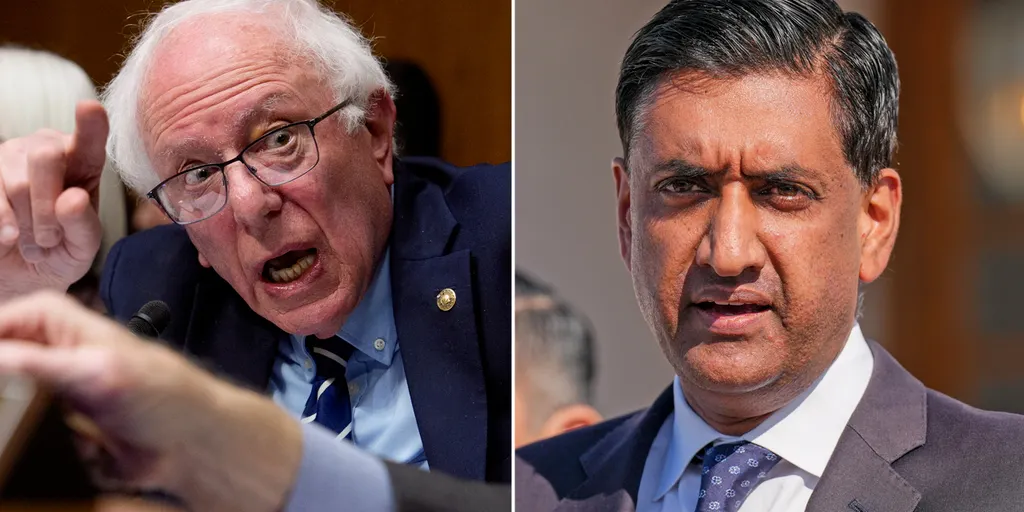
Public perceptions of billionaires themselves have also shifted in recent years.
Some technology founders and business leaders are widely admired for innovation and philanthropy.
At the same time, critics argue that the growing influence of wealthy individuals in politics and media raises concerns about democratic accountability.
Sanders often frames the issue as one of power as much as wealth.
He argues that when a small number of individuals control vast economic resources, they can exert disproportionate influence over political decisions.
This framing resonates with voters who worry about corporate lobbying and campaign financing.
Economic Policy as a Campaign Battleground
If the 2028 presidential race develops along expected lines, economic policy is likely to play a central role.
Voters often judge political candidates based on how their proposals affect everyday financial concerns such as wages, healthcare costs, and housing affordability.
Sanders’ continued emphasis on taxing extreme wealth ensures that these issues will remain visible in the political arena.
Whether or not the billionaire tax becomes official policy, the discussion itself influences how other candidates position their economic agendas.
Competing proposals may include tax reforms, regulatory changes, or programs designed to stimulate economic opportunity.
The outcome of these debates could shape the direction of American economic policy for years to come.
The Role of Political Messaging
Sanders has long demonstrated a talent for communicating complex economic ideas in simple terms.
His speeches often emphasize the contrast between ordinary workers and the billionaire class.
This rhetorical style has proven effective in mobilizing supporters who feel excluded from economic prosperity.
Political messaging plays a crucial role in shaping public understanding of policy debates.
How candidates frame economic inequality can influence whether voters view proposals like wealth taxes as necessary reforms or harmful interventions.
The 2028 campaign season will likely feature competing narratives about the future of the American economy.
A Debate That Will Not Disappear
Regardless of whether Sanders personally runs for president again, the issue of wealth inequality is unlikely to disappear from American politics.
Economic transformations driven by globalization, technology, and financial markets have reshaped how wealth is created and distributed.
These changes have fueled both remarkable innovation and growing concerns about fairness.
Political leaders across the ideological spectrum will continue grappling with how to address these challenges.
For some, the answer lies in stronger social programs and progressive taxation.
For others, the focus remains on fostering economic growth through market driven solutions.
Looking Toward the Future
The renewed focus on billionaire taxation highlights a broader question about the future of the American economic system.
As wealth continues to accumulate among the richest individuals, policymakers must decide how to balance innovation, fairness, and opportunity.
Bernie Sanders’ voice ensures that this conversation remains active.
His proposals challenge traditional assumptions about taxation and economic power, forcing policymakers and voters alike to reconsider how wealth should be distributed in a modern economy.
Whether the billionaire tax ultimately becomes law or remains a political rallying cry, the debate itself reflects deeper tensions about inequality, democracy, and economic justice.