
Table of Contents
- A Private Testimony Becomes A Public Storm
- Gates Says Epstein Did Not Blackmail Him
- The Three Women Named In Testimony
- The Email That Raised Questions
- Gates’ Marriage And Public Fallout
- Gates Denies Claims From The Epstein Files
- A Relationship Gates Now Calls A Mistake
- Why The Testimony Matters Now
- The Public Reputation Problem For Gates
- What This Reveals About Power And Secrecy
A Private Testimony Becomes A Public Storm
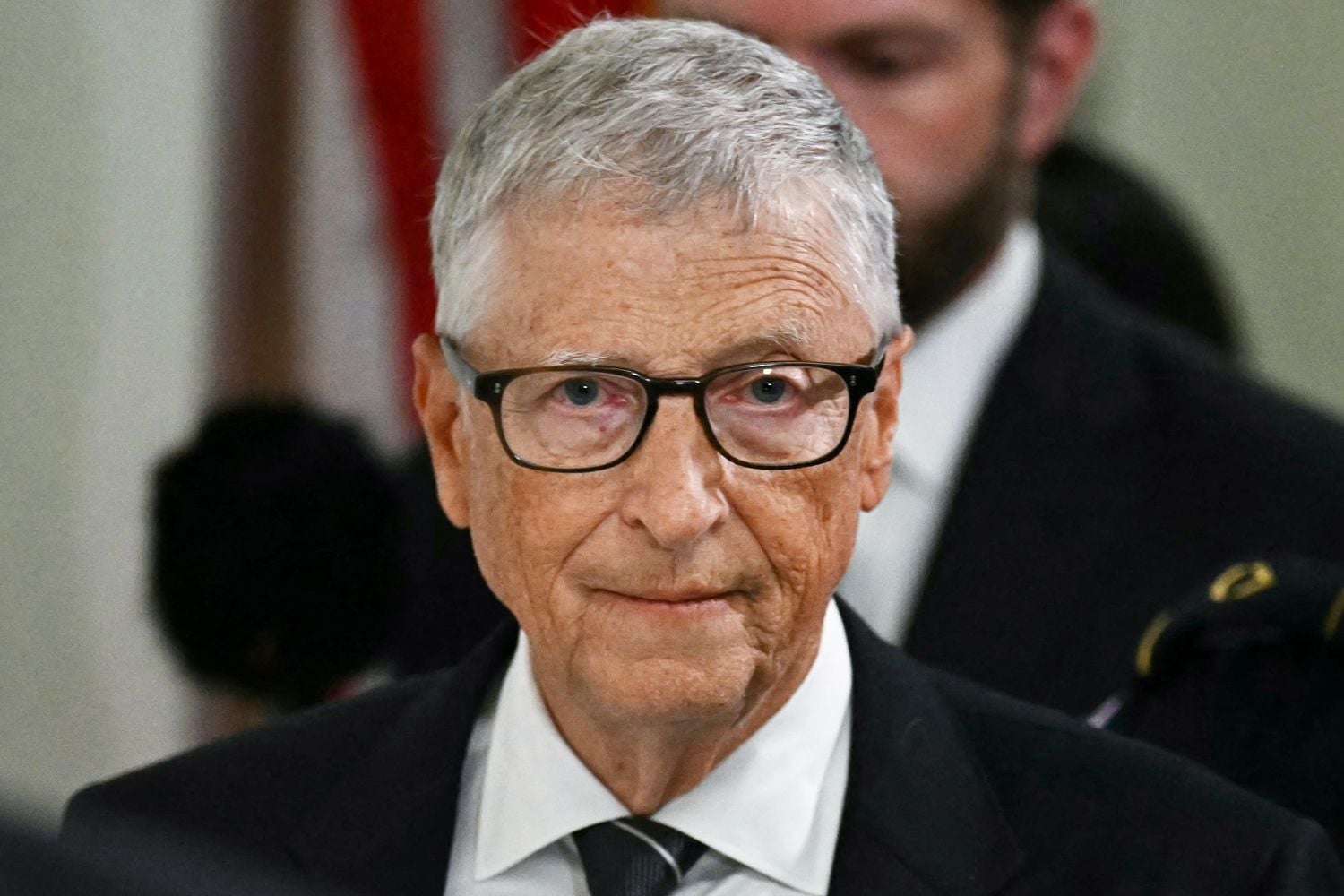
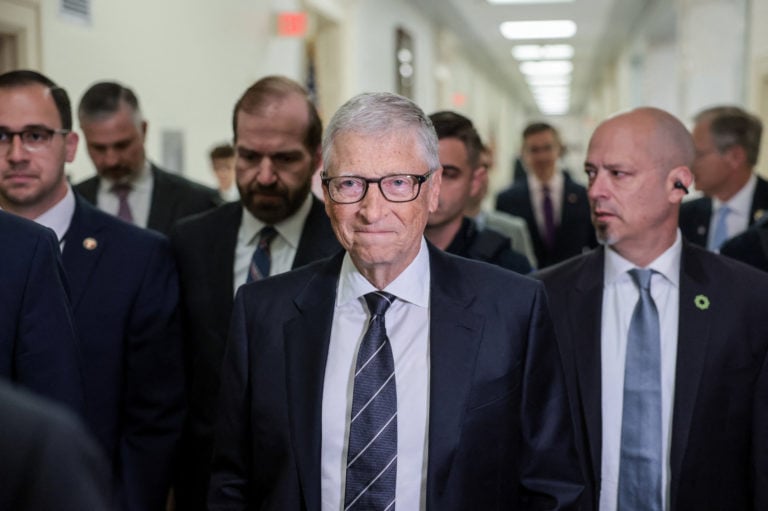
When Bill Gates appeared before the House Oversight Committee on June 10, the testimony was not just another chapter in the long and disturbing aftermath of Jeffrey Epstein’s network. It became a moment that pulled one of the world’s most recognizable billionaires back into public scrutiny, not because Gates has been accused of crimes connected to Epstein, but because of what he acknowledged about his own private life.
According to the transcript described in the report, Gates was questioned about Epstein’s alleged attempt to use information about his affairs as leverage. For years, Gates’ connection to Epstein has remained one of the most controversial and uncomfortable parts of his public image. Now, the Microsoft co-founder has reportedly named three women connected to past relationships while stating that Epstein did not successfully blackmail him.
The testimony adds another layer to a story that has followed Gates since his meetings with Epstein first became public. Gates has repeatedly said that spending time with Epstein was a serious mistake. In this latest testimony, he went further, acknowledging the personal conduct that Epstein allegedly appeared to be circling as possible pressure.
Gates Says Epstein Did Not Blackmail Him
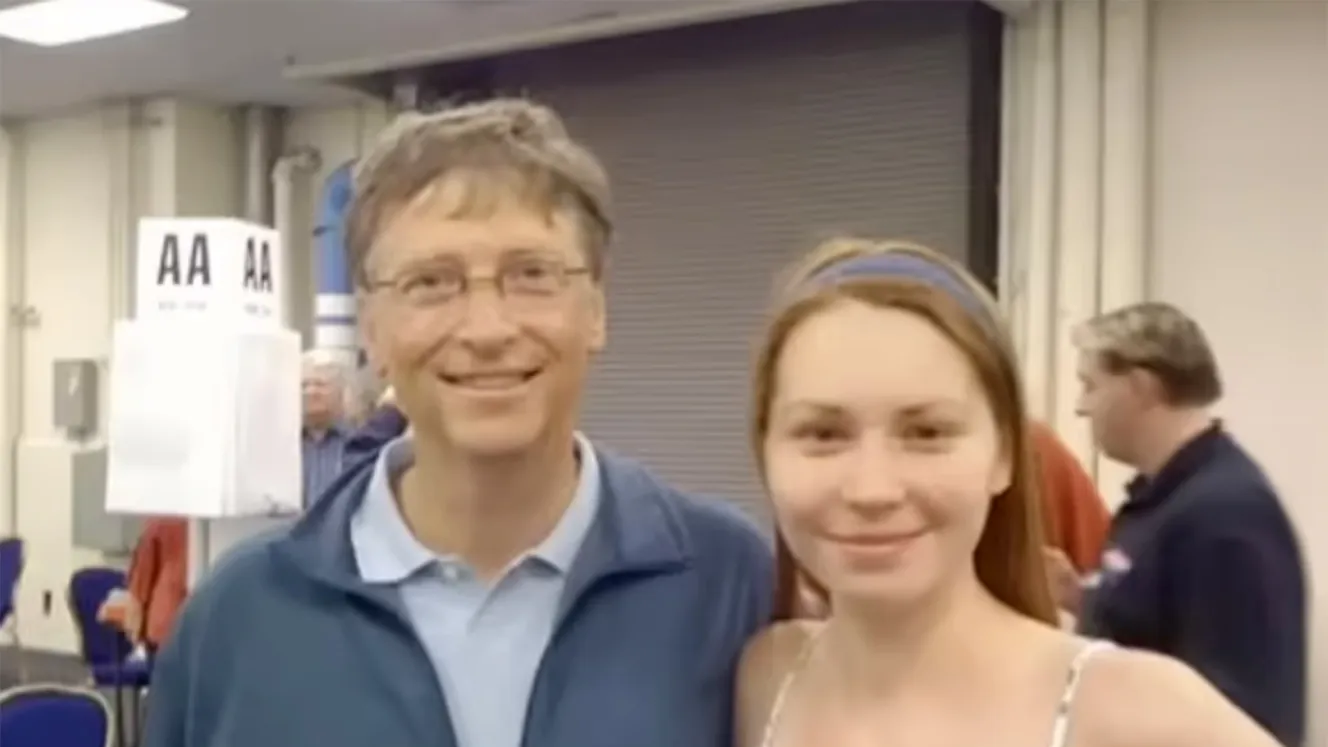
The most striking statement from Gates was not only that he discussed the affairs, but that he believed Epstein may have been thinking about how to use them. Gates reportedly told investigators, “I was not blackmailed,” while also saying the emails shown to him made it look as though Epstein’s “brainstorming was going in that direction.”
That distinction matters. Gates denied that Epstein succeeded in blackmailing him, but he appeared to acknowledge that Epstein’s behavior raised concerns. In other words, Gates did not say there was a completed blackmail scheme. He suggested that the material shown to him looked like Epstein may have been considering one.
For the public, that detail is explosive because it fits a larger pattern often associated with Epstein’s influence. Epstein was known for surrounding himself with powerful people, wealthy figures, academics, politicians, and business leaders. The question that continues to follow many of those relationships is why these people met with him and what Epstein hoped to gain.
The Three Women Named In Testimony
During the testimony, Gates reportedly named three women connected to past affairs. Two of them were identified as Russian women: bridge player Mila Antonova and nuclear scientist Karima Nigmatulina. The third was medical entrepreneur Dr Alice Jacobs Nesselrodt.
According to the report, Gates said he had a relationship with Dr Nesselrodt before he met Epstein in 2011. Her name had previously been hidden in transcripts shared by the US Justice Department, but the newly described testimony appears to connect her directly to the questions Gates was asked.
The names matter because Epstein allegedly had knowledge of these relationships. That is what made the questioning so sensitive. Investigators appeared to be asking whether Epstein used or attempted to use that private information to pressure Gates. Gates’ answer was clear on one point: he says he was not blackmailed. But his comments also suggest he saw the possibility that Epstein was exploring how the information could be used.
The Email That Raised Questions
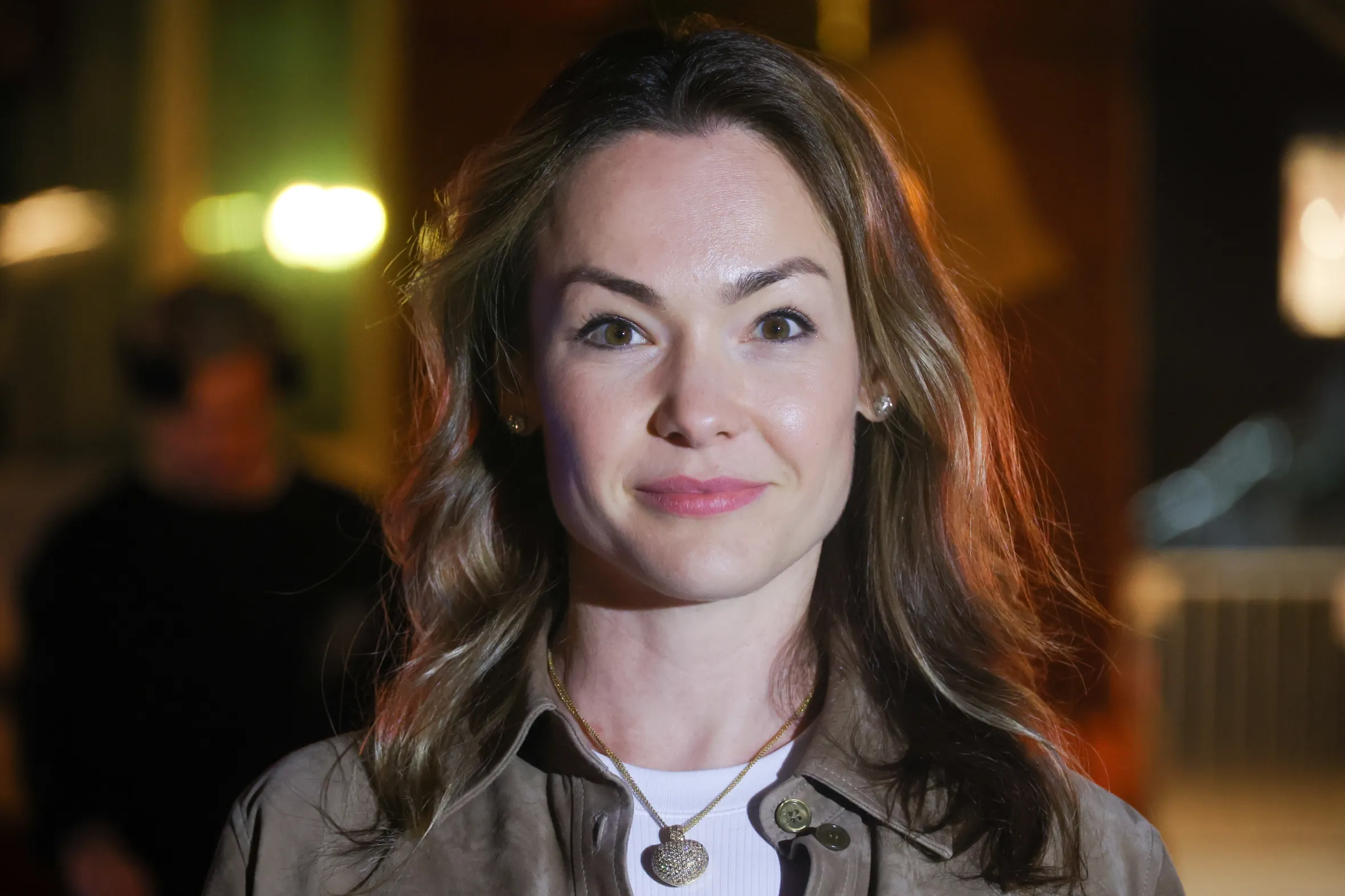
One of the key moments in the testimony reportedly came when Gates was shown a July 2013 email that Epstein had sent to himself. The email mentioned a relationship involving Gates and Dr Nesselrodt. When shown the message, Gates reportedly responded by acknowledging that there had been a time when he had an affair with Dr Jacobs Nesselrodt.
That exchange is important because it places the questioning in a specific context. Investigators were not simply asking about rumors. They were presenting Gates with material linked to Epstein’s own communications. Gates’ response appeared to confirm that the reference could fit a real past relationship.
Still, confirmation of an affair is not the same as confirmation of blackmail. Gates drew that line clearly. He did not deny that Epstein had information. He denied that Epstein successfully used that information to control him. The remaining question is whether Epstein intended to use the knowledge as leverage, and Gates seemed to say the emails gave that impression.
Gates’ Marriage And Public Fallout
The testimony also brings Gates’ marriage to Melinda French Gates back into the public conversation. The two married on New Year’s Day in 1994 and were together for 27 years before their divorce was finalized in 2021. Their separation was widely covered, and Melinda later spoke about a buildup of issues in the marriage.
In the report, it is stated that Melinda learned about the affairs. Gates’ acknowledged infidelities have been one part of the broader public discussion surrounding the divorce. While divorce is deeply personal, the connection to Epstein has made Gates’ private behavior a matter of public interest in a way most personal scandals are not.
For many readers, the story is not simply about affairs. It is about how private mistakes can become dangerous when someone like Epstein knows about them. That is why this testimony has gained attention. It touches not only on Gates’ marriage, but also on the question of whether powerful figures placed themselves in compromising situations around a convicted sex offender.
Gates Denies Claims From The Epstein Files
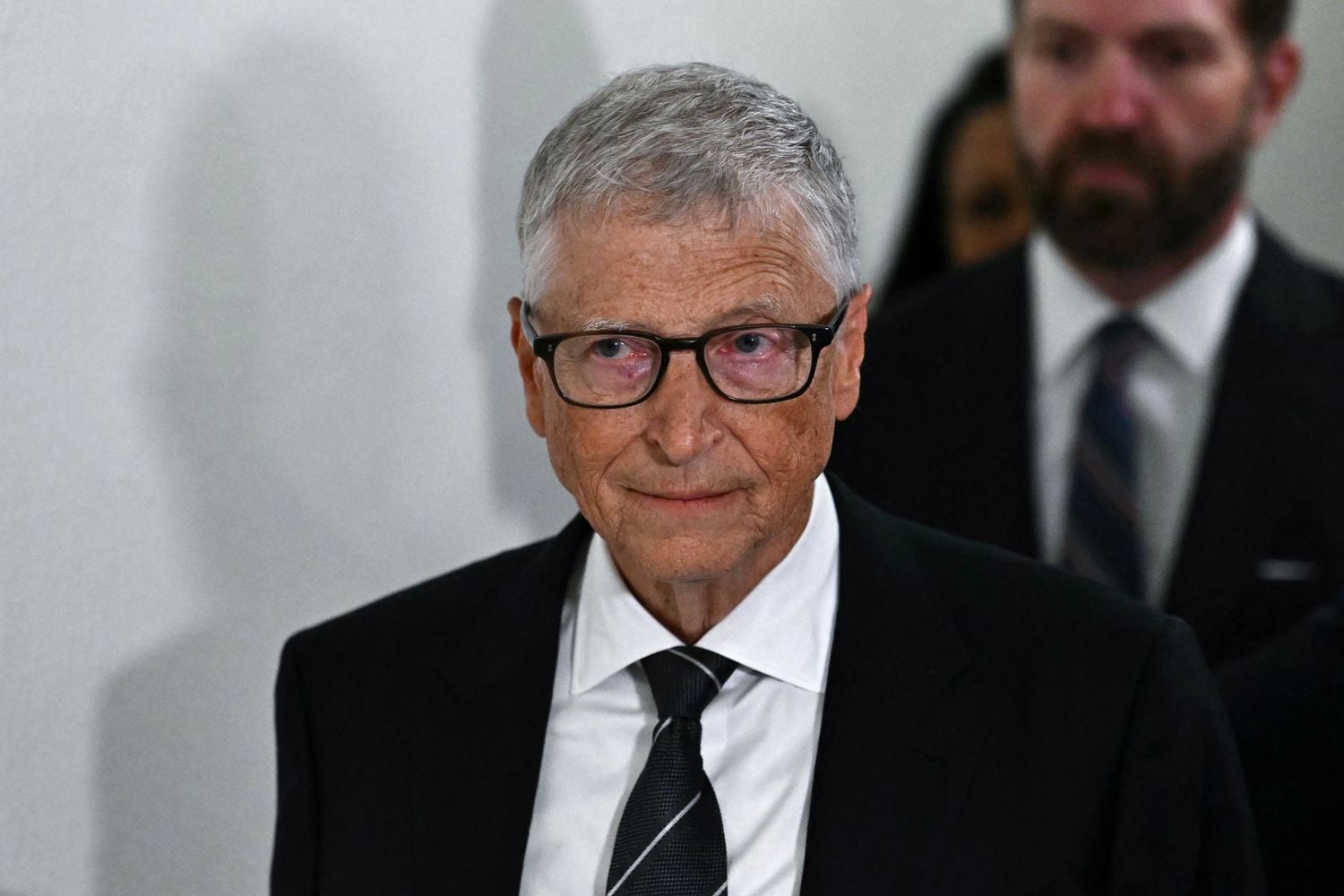
The report also notes that Gates continues to deny certain claims connected to the Epstein files. According to the article, the files alleged that Gates contacted Epstein about a sexually transmitted disease after sleeping with “Russian girls.” Gates denied those claims.
This detail is especially sensitive, and it is important to treat it carefully. Gates reportedly acknowledged some allegations involving relationships with the named women, but he denied the specific claim involving a sexually transmitted disease. He also denied discussing Epstein with any of the three women.
That makes the testimony complicated. Gates did not issue a blanket denial of every personal allegation. Instead, he appeared to separate what he admitted from what he rejected. He acknowledged affairs, denied being blackmailed, denied certain claims in the files, and denied having knowledge of Epstein’s crimes.
A Relationship Gates Now Calls A Mistake
Gates has repeatedly said he regrets ever meeting Epstein. In this testimony, he reportedly told the congressional committee that he wishes he had never met him. That regret is not new, but the surrounding details make it more significant.
Earlier this month, Gates reportedly told a Microsoft town hall meeting that he “did nothing illicit” and “saw nothing illicit.” He also said that it was a huge mistake to spend time with Epstein and to bring Gates Foundation executives into meetings involving him. Gates apologized to people who were drawn into the controversy because of his decision.
Those remarks show that Gates is trying to draw a careful boundary. He is not denying that he met with Epstein. He is not denying that the association was damaging. But he is denying criminal involvement, denying knowledge of Epstein’s crimes, and denying that he spent time with victims or women around Epstein.
Why The Testimony Matters Now
This testimony matters because it places Gates’ Epstein connection into sharper public focus. For years, the public has known that Gates met Epstein after Epstein had already been convicted. That alone raised serious questions. Now, the testimony has added a more personal dimension by describing how Epstein may have known about Gates’ affairs.
The issue is not just morality. It is power, access, and vulnerability. Epstein’s world appeared to operate through proximity to influence. He built relationships with elite figures and used his connections to create an image of importance. If he had private information about someone as powerful as Gates, the natural question becomes whether he intended to use it.
Gates’ statement that Epstein’s thinking appeared to be moving in that direction is likely to fuel further debate. It does not prove a completed blackmail attempt, but it does raise questions about Epstein’s methods and motives. It also shows why investigators continue to examine the relationships between Epstein and high-profile individuals.
The Public Reputation Problem For Gates
For Gates, the problem is not only legal. It is reputational. He built much of his later public identity around philanthropy, global health, education, and scientific innovation. His work through the Gates Foundation made him one of the most influential private figures in global development. But the Epstein association has become a shadow over that legacy.
The testimony does not accuse Gates of wrongdoing connected to Epstein’s crimes. That distinction is essential. Still, public trust often operates beyond legal lines. Many people want to know why Gates met Epstein, why the relationship continued after Epstein’s conviction, and why Epstein appeared to have access to information about Gates’ private life.
That is why stories like this attract viral attention. They combine wealth, secrecy, scandal, and power. They also involve a figure who has spent decades in the public eye. When someone as prominent as Gates speaks under congressional questioning about affairs and an alleged blackmail direction, the story naturally spreads far beyond political circles.
What This Reveals About Power And Secrecy
The larger question is not only what Gates did or did not do. It is what Epstein’s connections reveal about the culture surrounding powerful people. Epstein’s ability to remain close to influential figures long after his conviction remains one of the most troubling parts of the story. His network was not built by accident. It was built through access, reputation, money, and private relationships.
Gates now says he regrets the association and has apologized for the impact it had on others. He has denied wrongdoing connected to Epstein’s crimes and denied being blackmailed. But his testimony also confirms that Epstein knew enough about his personal life to raise concerns about leverage.
That is why this testimony will continue to receive attention. It is not only about an old scandal being revisited. It is about how private conduct, elite networks, and public accountability collide when the people involved are among the most powerful in the world.
For Gates, the message he wants the public to hear is clear: he made a serious mistake by spending time with Epstein, but he says he did nothing illicit and knew nothing about Epstein’s crimes. For the public, however, the testimony leaves a more unsettling question behind. If Epstein was thinking about using personal secrets against one of the world’s most powerful men, how many other secrets did he collect, and how many people were vulnerable to the same kind of pressure?