
Table of Contents
How the Blue Honey Story Began
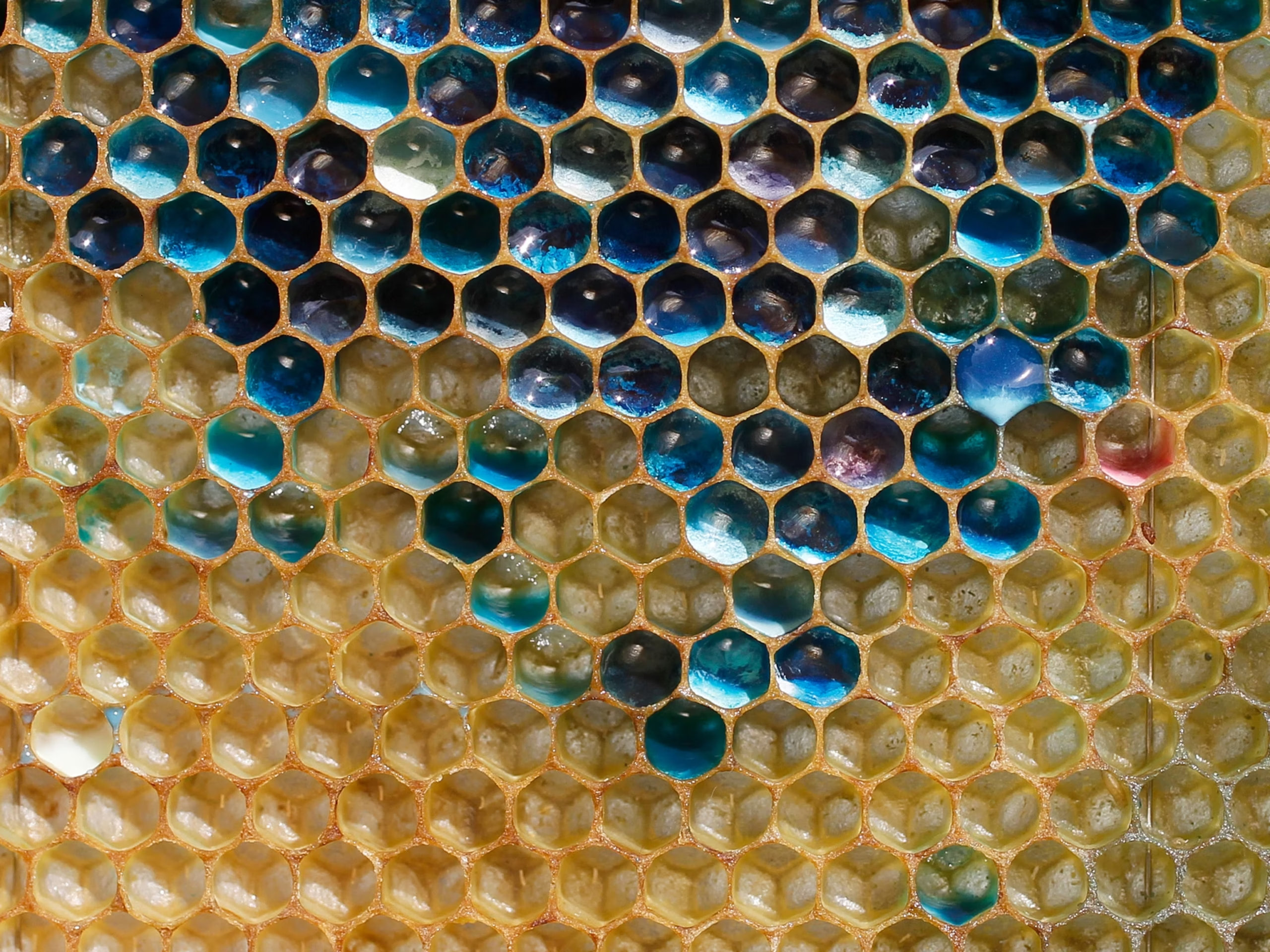
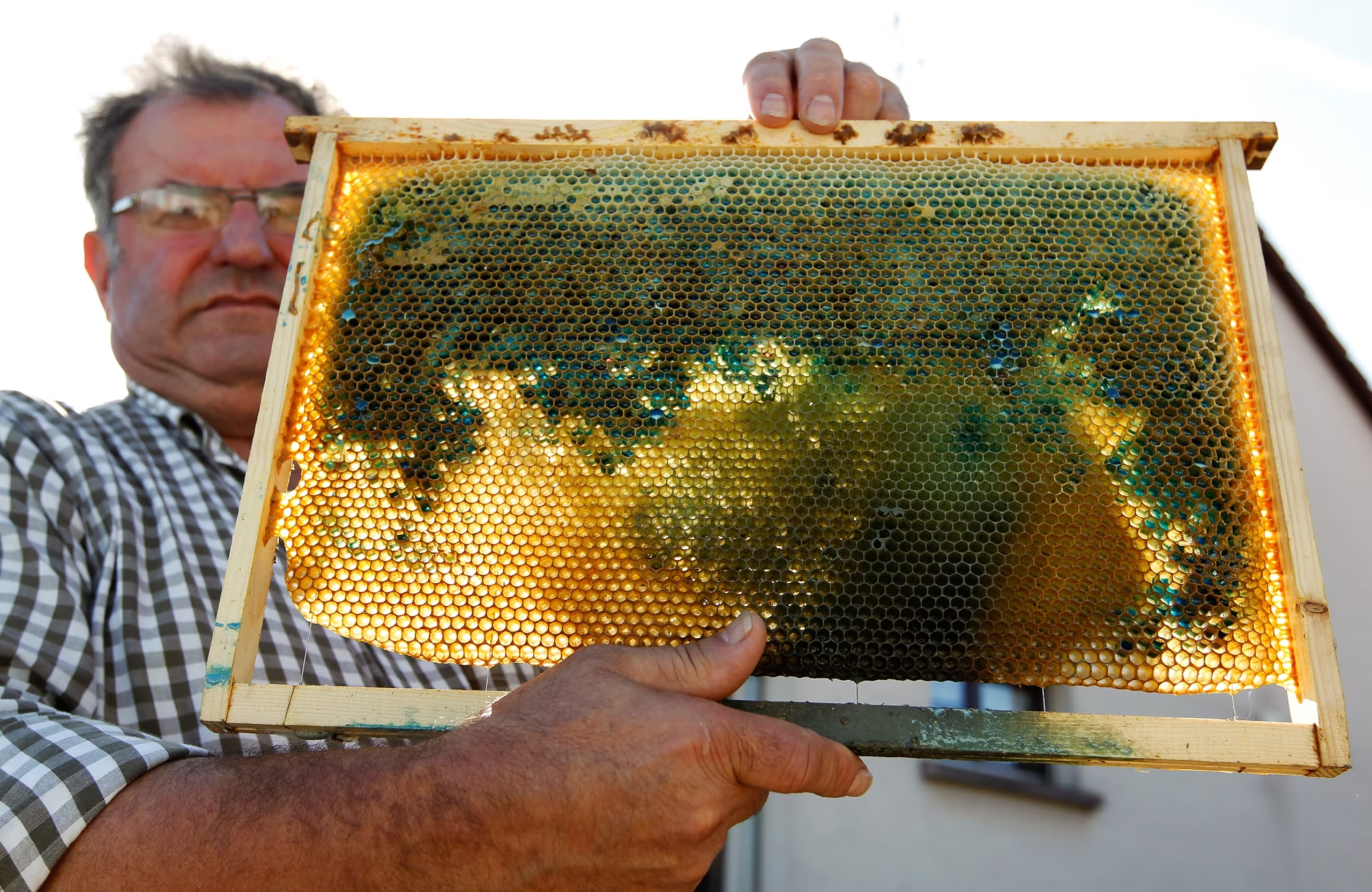
The mystery of the blue and green honey was first noticed by beekeepers in the region of Ribeauville. The beekeepers, accustomed to collecting honey from their hives, were perplexed to find that the honey had taken on an unnatural hue. After some investigation, they discovered that instead of gathering nectar from flowers, their bees were feeding on the candy residue from the M&M’s shells, which had been discarded by the biogas plant about 2.5 miles away.
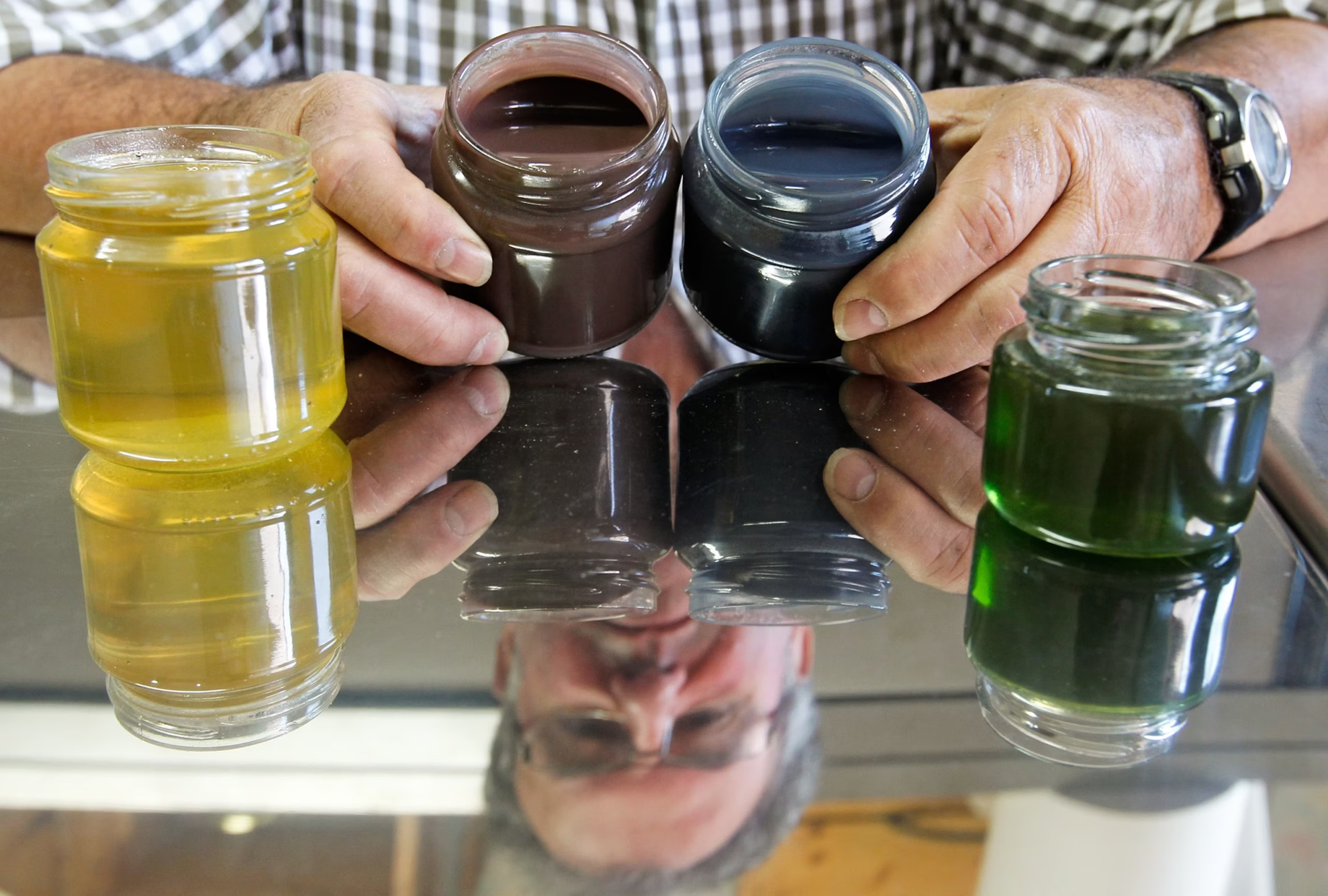
Beekeepers quickly noticed the difference in the color of the honey, and it became apparent that the unusual hues were not a result of any natural process related to the flowers bees typically pollinate. The honey was a stark contrast to the standard shades of honey, which range from light amber to dark brown. For French honey to meet regulatory standards, it must be produced from plant nectar, and this candy-derived honey did not pass the required quality controls.
The Environmental Impact
The root cause of the issue was the processing of M&M’s waste at the nearby biogas plant. The plant, which handles food waste, had not taken proper precautions to store the candy waste in covered containers. As a result, the colorful M&M’s shells found their way into the environment, where the bees inadvertently collected them. These shells, once consumed by the bees, affected the color and composition of the honey they produced.
The biogas plant quickly took action to address the problem, cleaning up any exposed M&M’s waste and storing it in sealed containers. This proactive response by the plant helped prevent further contamination of the bees’ diet and honey production. However, the damage had already been done, and the bees’ behavior had led to a honey batch that was unfit for sale.
The Implications for Beekeepers and Honey Production
The discovery of blue and green honey has not only raised questions about food safety but also disrupted the livelihood of beekeepers in the region. Beekeeping is a crucial industry in areas like Ribeauville, where honey production is a key economic activity. The production of colored honey that did not meet France’s official standards left many beekeepers with a product they could not sell.
As a result, local authorities have had to revise their guidelines for honey production, especially in regions where food waste processing plants are in close proximity to beekeeping operations. This incident has highlighted the vulnerability of agricultural industries to unforeseen environmental factors, such as waste management practices and the unintended consequences of improper disposal of food waste.
The Science Behind Honey Coloration
Honey typically gets its color from the nectar collected by bees from a wide range of flowers. The variety of flowers and plants determines the hues of the honey, with nectar from darker flowers typically producing darker honey. The color of honey is also influenced by its mineral content, the geographic location of the hives, and the specific plants in bloom during the bees’ foraging periods.
In the case of the blue honey produced by the bees in Ribeauville, the color came from the artificial dyes used in M&M’s candy shells. While this type of contamination is rare, it serves as a reminder of the complex ways in which environmental factors can affect the production of natural foods. The bees, by collecting artificial food waste, inadvertently altered the chemical makeup of the honey, leading to its unexpected coloration.
The Role of Bees in the Ecosystem
Bees play an essential role in the ecosystem by pollinating plants and ensuring the production of many of the world’s most important crops, including fruits, vegetables, and flowers. Honeybees, in particular, are vital to the agricultural industry, with their ability to pollinate large areas and support the production of crops that humans rely on for food. While the production of blue honey may be a quirky anomaly, it emphasizes the importance of maintaining proper waste management practices to protect bee populations and their natural behavior.
The incident in Ribeauville also shines a light on the delicate relationship between bees and the environment. Bees are sensitive to changes in their surroundings, and their foraging habits can be affected by human activities such as waste disposal. Protecting bees from environmental contamination is critical for ensuring the continued health of the ecosystem and the success of agricultural industries that depend on pollination.
Balancing Innovation and Tradition in Honey Production
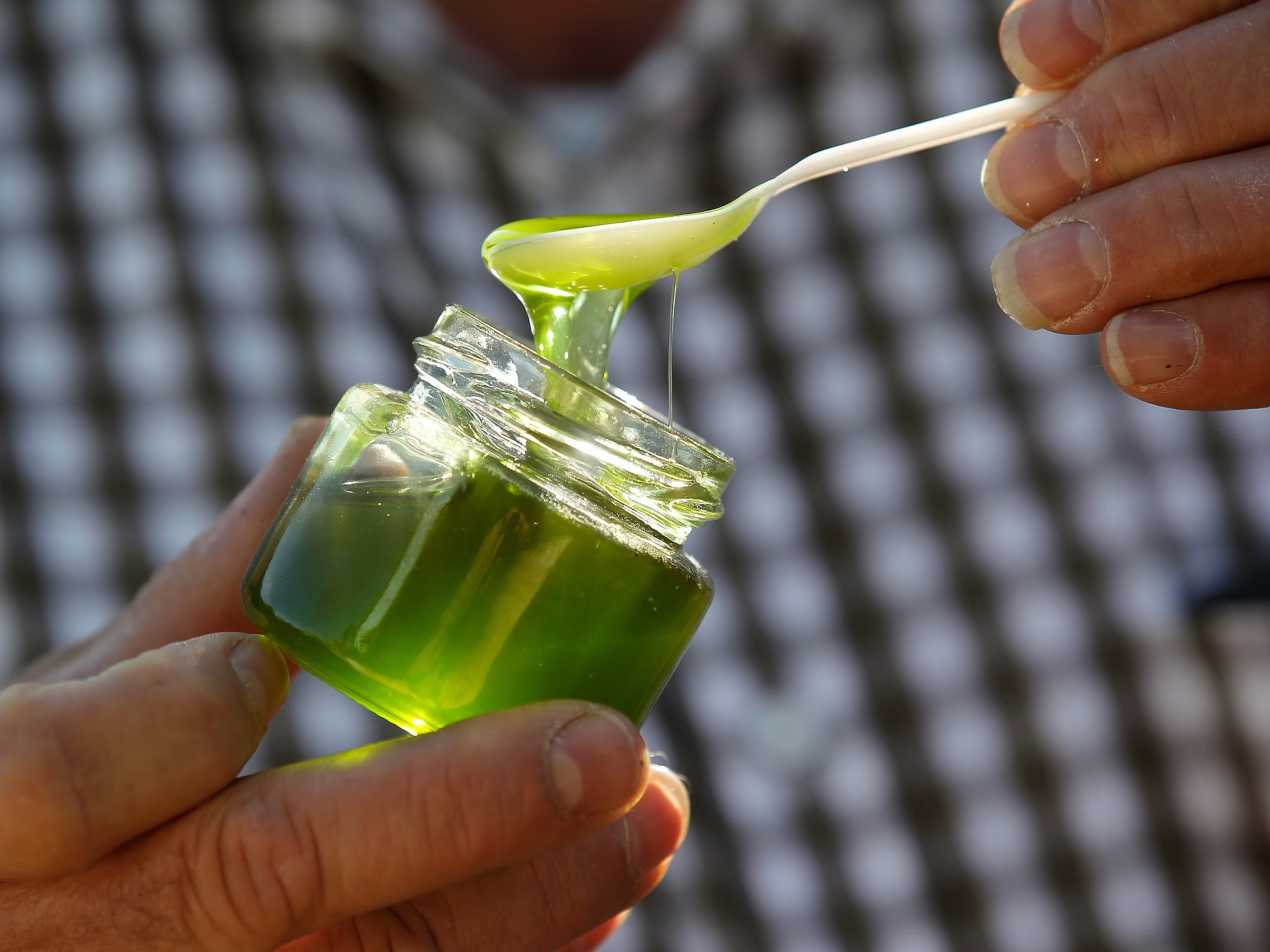
The colorful honey created by bees feeding on M&M’s candy shells serves as a reminder of the ongoing challenge of balancing modern technology with traditional agricultural practices. While the use of biogas plants and waste processing technologies has benefits for the environment, they must be implemented with care to prevent unintended consequences. In this case, the exposure of food waste to the environment led to an unusual outcome—blue and green honey that could not be marketed for consumption.
This incident also raises important questions about food certification standards and how they are enforced. The fact that honey produced in this manner was not deemed acceptable for sale highlights the strict regulations governing food production, particularly in Europe, where food safety standards are rigorously maintained.
What Happens Next
Following the blue honey debacle, beekeepers in the Ribeauville region are taking steps to prevent future incidents. These include better communication with local biogas plants about waste disposal practices and greater vigilance in monitoring bee foraging habits. The goal is to protect the integrity of honey production while ensuring that environmental factors do not interfere with the quality of the product.
Additionally, the event has prompted a wider discussion about the potential risks posed by environmental contamination to agriculture and food production. It serves as a valuable lesson for both the agricultural industry and the public about the need for more responsible waste management practices.
Conclusion:
While the discovery of blue and green honey may have initially seemed like an odd and humorous story, it holds important lessons about the intersection of agriculture, waste management, and food production. The incident in France underscores the delicate balance between environmental sustainability and the integrity of traditional food practices.
As beekeepers and local authorities work to prevent future incidents, the event serves as a reminder of the far-reaching consequences of human activities on the natural world. It also reinforces the importance of keeping our ecosystems and food production systems free from contamination, ensuring that what ends up on our tables remains as pure and natural as possible.