
Table of Contents
- The Bizarre Truth Behind Body Donations
- How Did It Happen?
- The Trafficking of Human Remains
- The Role of the U.S. Military in Blast Testing
- How the Stauffer Family Was Affected
- Body Trafficking in the U.S.
- Legal and Criminal Consequences
- Why Is This Happening? Understanding the Dark Side of the Donation Industry
- The Need for Better Regulation and Oversight
- A Call for Change in the Body Donation Industry
The Bizarre Truth Behind Body Donations
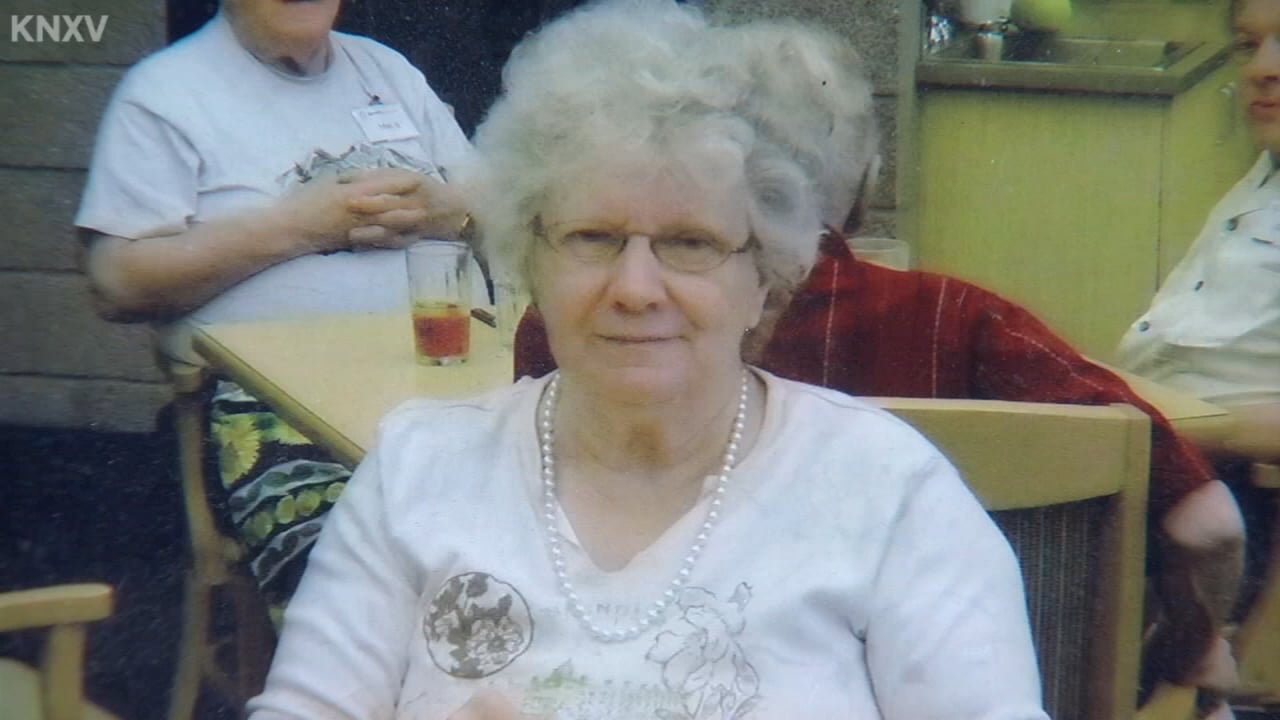
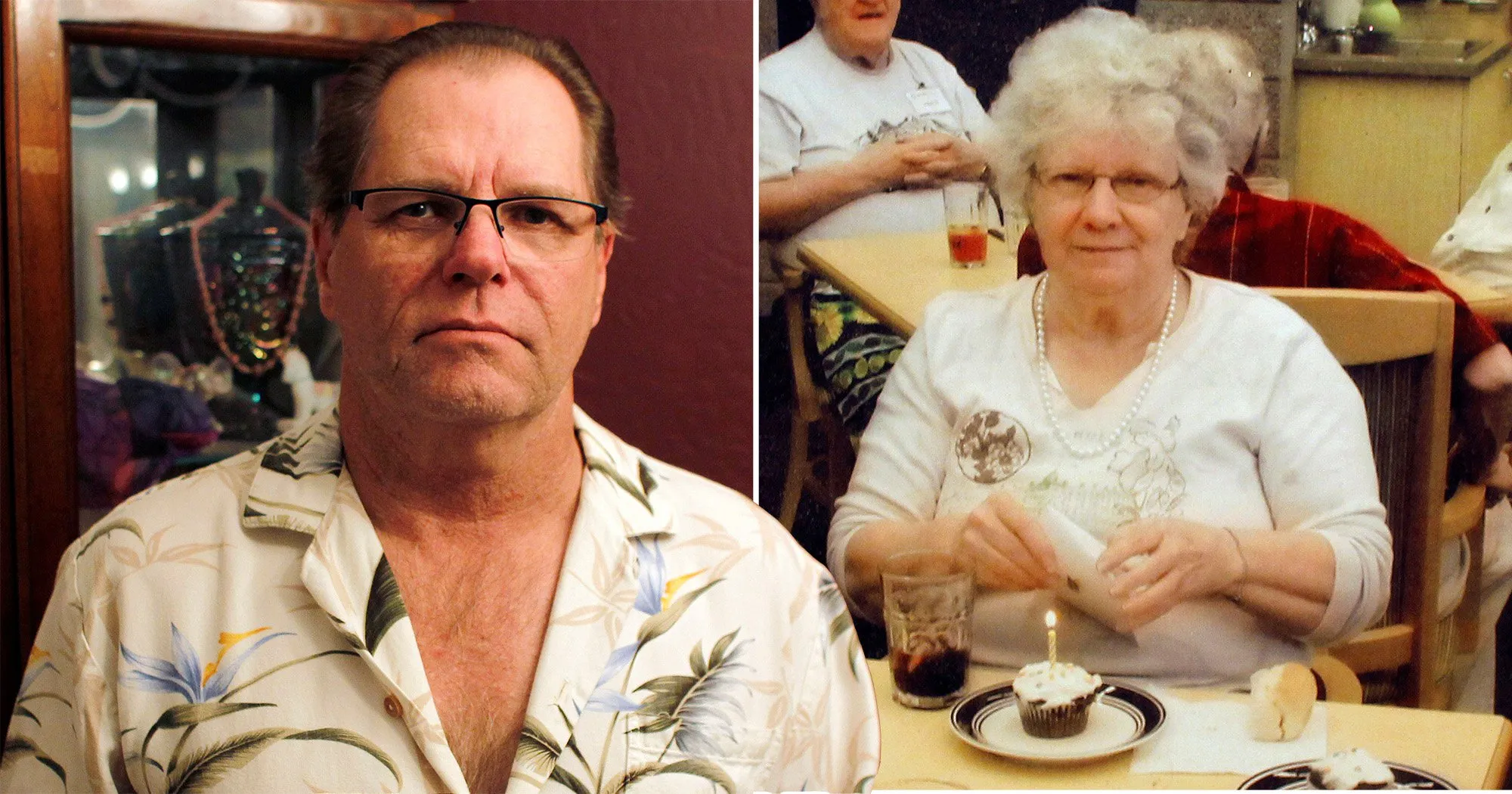
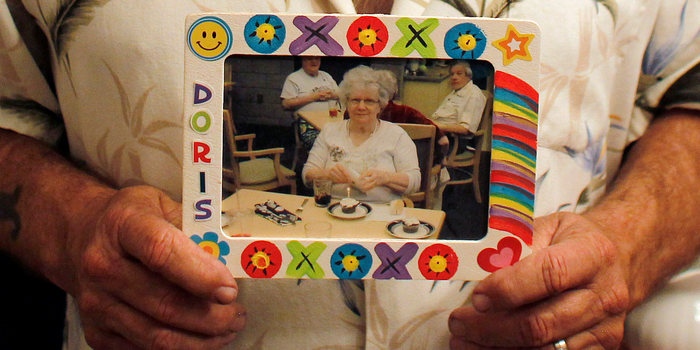
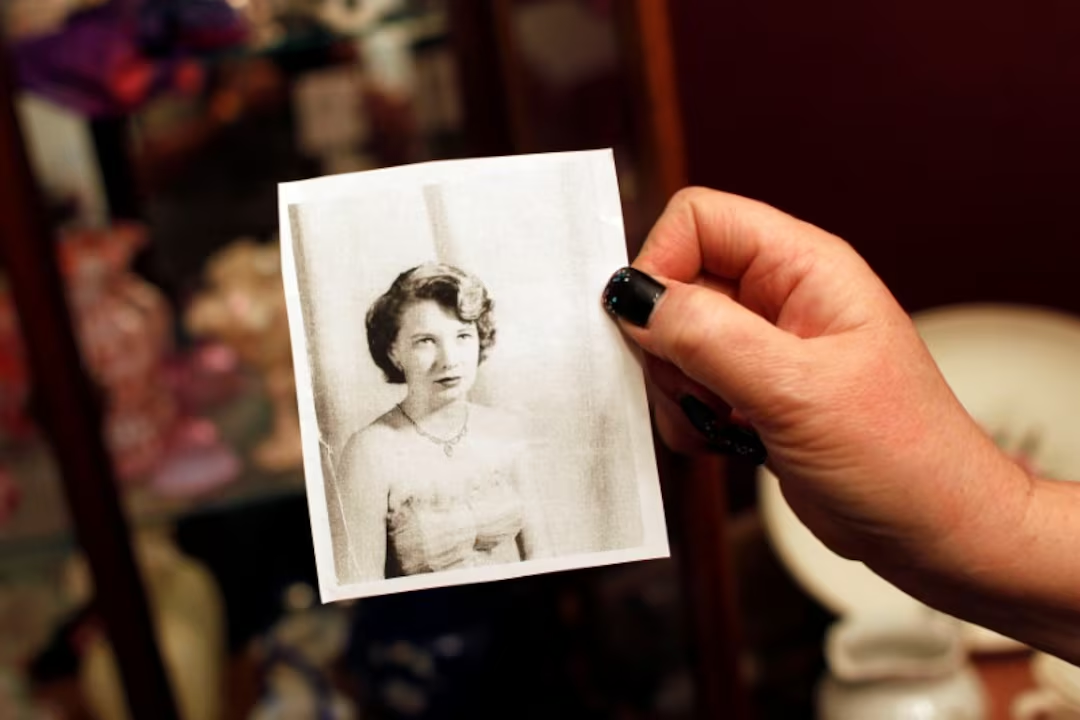
Jim Stauffer, who trusted the BRC to handle his mother’s body ethically, never anticipated that it would end up being sold to the military for “blast testing.” The term “blast testing” refers to the disturbing practice of using human remains to simulate the effects of explosive devices, such as improvised explosive devices (IEDs). Doris Stauffer’s body was strapped to a chair and subjected to an explosion meant to mimic the conditions soldiers face in combat zones.
This discovery has stirred a wave of outrage across the country. The process of body donation, which is typically intended for medical research, has turned out to be much darker than expected. As part of the investigation, Stauffer learned that numerous other bodies were sold for similar testing, raising serious concerns about the exploitation of donated bodies.
How Did It Happen?
The investigation into this body trafficking case uncovered the dark underbelly of the biological resource industry. Biological Resource Center, based in Maricopa County, was a for-profit organization that claimed to handle human remains for educational and scientific purposes. However, a Reuters investigation revealed that the center had been selling donated bodies for experiments that were far outside the scope of what donors had intended.
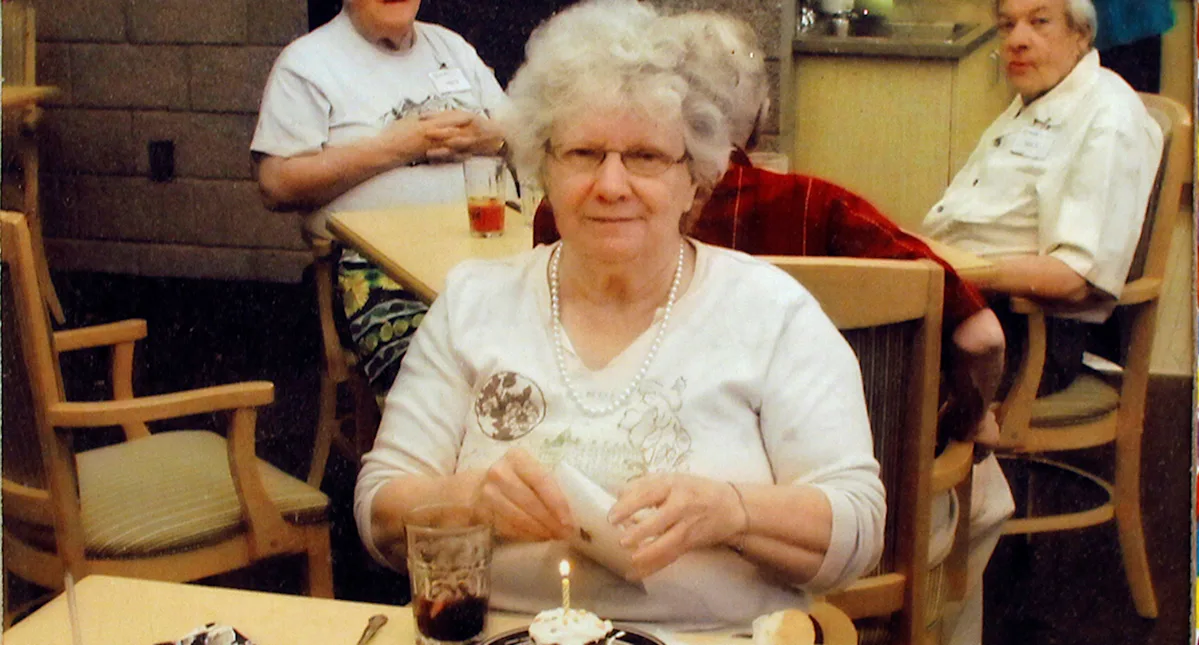
When Jim Stauffer’s mother passed away, he believed her body would be studied by neurologists to better understand Alzheimer’s disease. Doris Stauffer had suffered from Alzheimer’s in her final years, and Stauffer was told that her brain would be examined for research. However, it soon became apparent that the BRC had sold her body without the family’s consent for explosive testing, leaving them devastated and searching for answers.
The Trafficking of Human Remains
The sale of human remains for such purposes is not only a breach of ethics but is also illegal. The trafficking of human bodies, especially for experimental purposes that the donors did not consent to, raises serious questions about consent and exploitation. The BRC’s actions highlight significant flaws in the regulation of body donation centers and their lack of oversight.
Stauffer’s mother was one of at least a dozen families who had unknowingly donated their loved ones’ bodies to a facility that would go on to sell them for various experiments. The case also highlights how the industry lacks adequate legal protections for families, with many grieving relatives unaware that their loved ones’ remains may be used for profit.
The Role of the U.S. Military in Blast Testing
The U.S. military’s involvement in blast testing using human remains has long been a controversial practice. According to reports, Doris Stauffer’s body was used to test the effects of an IED explosion, a procedure designed to simulate the trauma faced by soldiers during combat. This form of testing has been carried out for years, but the public remains largely unaware of how human remains are used in these experiments.
The military’s involvement raises ethical questions about the treatment of human bodies and whether proper consent is obtained from families. While the military defends the use of human remains in testing as necessary for research, the revelation that bodies are being sold for such purposes without the knowledge of the families involved has led to outrage and demands for accountability.
How the Stauffer Family Was Affected
The emotional toll on Jim Stauffer and his family has been immense. Doris Stauffer’s passing had already been a painful experience, but discovering the truth about how her body was treated added to their grief. The family had trusted the BRC with her remains, only to learn that their trust had been violated in the most horrendous way.
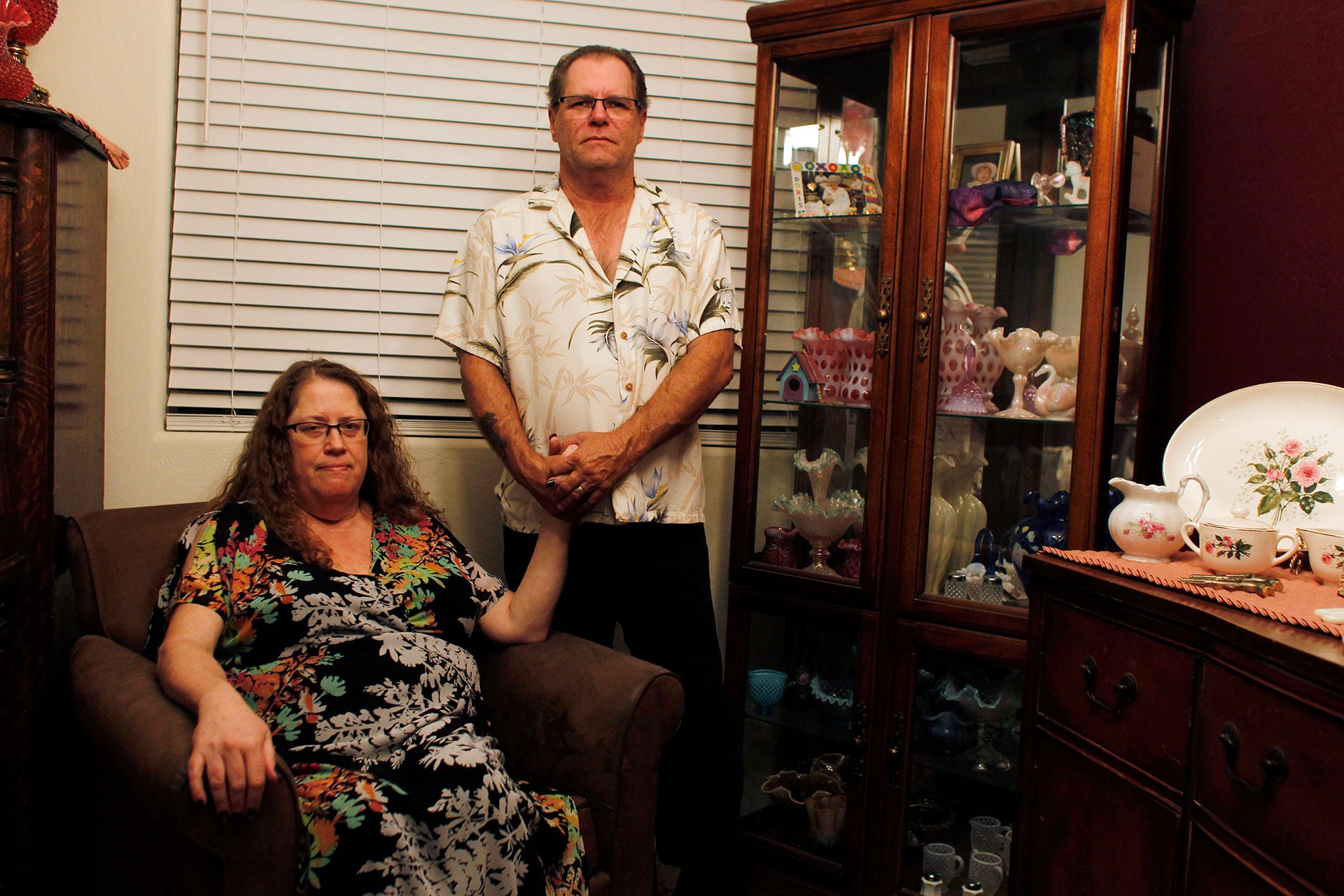
Jim Stauffer expressed his anger and disbelief after learning that his mother’s body had been used in an explosive test. He had hoped that her donation would contribute to medical research, but instead, it became part of a disturbing military experiment. The family’s emotional distress has been compounded by the fact that they were never informed of what would happen to Doris’ body after her death.
Body Trafficking in the U.S.
The sale of human remains for experiments is not an isolated incident. The practice of body trafficking has been reported across the United States, with many body donation centers operating with little to no regulation. While some centers may genuinely seek to use donated bodies for medical research, others have been exposed for selling remains for profit.
Experts believe that this practice is more widespread than we realize, with bodies being sold to the highest bidder, whether for military experiments, forensic testing, or other purposes. The lack of transparency and accountability in this industry has led to increasing calls for regulation and oversight to protect families and ensure that donations are used ethically.
Legal and Criminal Consequences
The legal repercussions of the body trafficking scandal are significant. The Biological Resource Center faced multiple lawsuits and criminal investigations for its actions, and its founder was charged with multiple offenses related to the sale of human remains. However, the real legal consequences may fall on the U.S. military, which was involved in the testing of these bodies without proper consent.
Jim Stauffer, while devastated by the events surrounding his mother’s body, has vowed to seek justice. He has expressed his intention to take legal action against the BRC and any other parties responsible for exploiting his mother’s remains. The case has prompted greater scrutiny of the industry and increased calls for regulation to prevent future abuses.
Why Is This Happening? Understanding the Dark Side of the Donation Industry
The rise of body donation centers and their commercialization has created an environment ripe for exploitation. While many people donate their bodies with good intentions, believing that their remains will be used for medical research, the reality can be far darker. The financial incentives of the body donation industry have led to the commodification of human remains, with some centers seeking to profit from the sale of bodies for non-medical uses.
This case is just one example of how the lack of regulation in the industry allows for these unethical practices to continue. Experts argue that the government must implement stricter laws to govern body donation centers and ensure that families’ rights are respected and upheld.
The Need for Better Regulation and Oversight
To prevent incidents like the one involving Doris Stauffer’s body, experts are calling for stronger regulations in the body donation industry. There is a need for greater transparency and accountability in how body donation centers operate, as well as more stringent oversight to ensure that donated remains are used for ethical purposes only.
Some propose that all body donation centers be required to provide clear documentation of how the remains will be used, as well as ensuring that families are fully informed and give consent for specific uses of the body. Such measures would protect families from having their loved ones’ remains exploited for profit and help ensure that bodies are only used for legitimate medical research.
A Call for Change in the Body Donation Industry
The discovery that Doris Stauffer’s body was sold for military blast testing has sparked a nationwide conversation about the ethics of body donation and the need for stronger oversight in the industry. While this case may be an extreme example, it highlights a broader issue of body trafficking that affects families across the country. As the public becomes more aware of these practices, the demand for change is growing.
The future of body donation must be rooted in transparency, consent, and respect for the wishes of families. With stricter regulations and more accountability, we can prevent future abuses and ensure that human remains are used ethically for the benefit of medical science and research. The Stauffer family’s painful experience serves as a powerful reminder of the importance of these reforms.