
In a world increasingly concerned about the pervasive presence of microplastics in our environment, a recent study offers a surprisingly simple solution to reduce our intake of these tiny pollutants: boiling tap water. This method, accessible to most households, has been shown to remove up to 90% of nano- and microplastics (NMPs) from drinking water, particularly in areas with hard water.
Table of Contents
The Microplastic Menace
Microplastics, defined as plastic particles less than 5 millimeters in size, have infiltrated virtually every corner of our planet—from the deepest oceans to the highest mountains, and alarmingly, into our food, air, and water. Studies have detected these particles in human blood, lungs, and even placental tissue, raising concerns about their potential health impacts, which may include inflammation, oxidative stress, and hormonal disruptions.
Boiling Water: An Effective Countermeasure
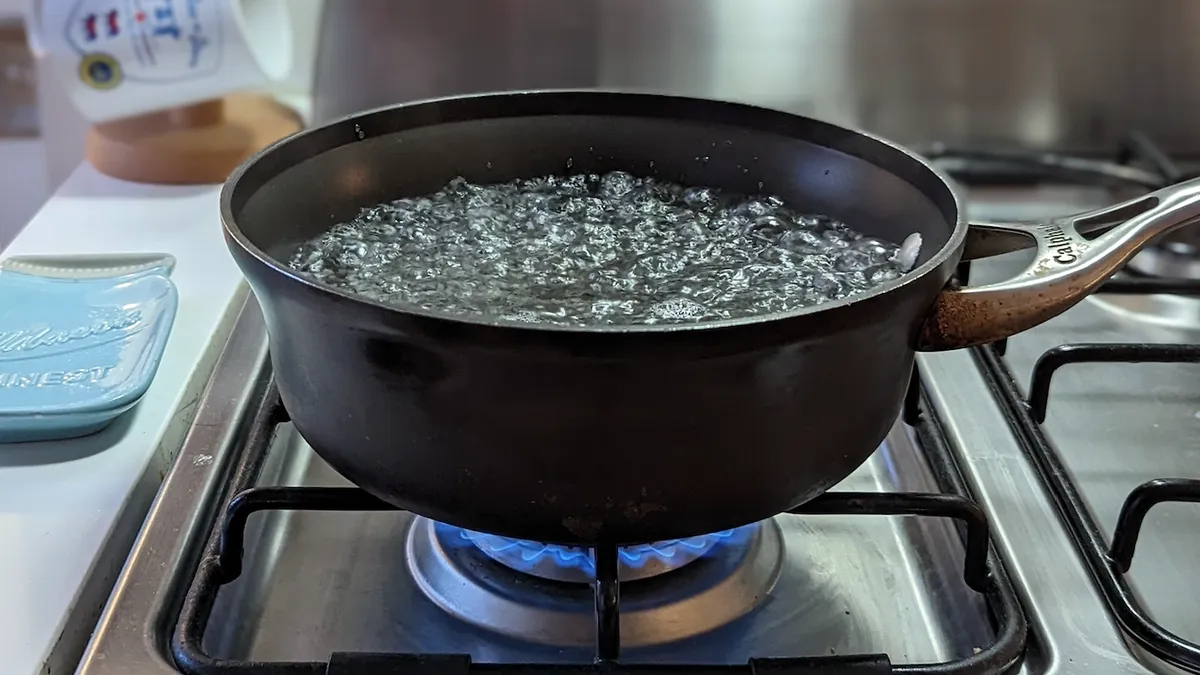
The study, published in Environmental Science & Technology Letters, reveals that boiling tap water, especially hard water rich in calcium carbonate, can significantly reduce NMP content. When hard water is boiled, calcium carbonate precipitates out as limescale, a process that also traps microplastic particles. These limescale-bound plastics can then be removed through simple filtration methods, such as using a standard kitchen strainer or a coffee filter.
Practical Implications
This discovery is particularly valuable for communities lacking access to advanced water filtration systems. Boiling water is a time-tested practice for sterilization, and now it appears to offer the added benefit of microplastic reduction. While boiling is more effective in hard water, it still offers some benefits in soft water, removing approximately 25% of NMPs.
Complementary Measures
In addition to boiling, other strategies can help minimize microplastic exposure:
- Use of Water Filters: Employing filters certified to remove microplastics can further purify drinking water.
- Avoiding Plastic Containers: Reducing the use of plastic bottles and containers, especially for hot liquids, can decrease microplastic ingestion.
- Mindful Food Choices: Being cautious with processed foods and those packaged in plastic can also help reduce intake.
Conclusion
While the long-term health effects of microplastic consumption are still being studied, taking proactive steps to reduce exposure is prudent. Boiling tap water emerges as a simple, cost-effective method to significantly decrease the presence of microplastics in drinking water, making it a practical recommendation for households worldwide.