
Table of Contents
What Does It Entail?
California’s new legislation bans the practice of fur trapping for commercial purposes. Fur trapping has long been a controversial practice, as it involves capturing wild animals, often in inhumane conditions, for the purpose of selling their pelts. The ban will prevent the use of traps that are deemed inhumane, as well as eliminate the sale of fur products made from trapped animals. The law specifically targets animals such as coyotes, bobcats, and raccoons, whose fur is often harvested for the fashion and luxury goods industries.
The new law represents a shift toward more ethical standards of animal treatment, reflecting the growing public awareness of the cruelty involved in trapping. The law also includes provisions for stricter regulations on wildlife conservation, ensuring that these animals are protected from unnecessary harm in the future.
The Legal Journey

The path to passing the fur trapping ban was not without its challenges. The legislation had to navigate through a complex legal landscape, facing opposition from industries that rely on fur trapping and related activities. However, animal rights groups and conservationists rallied in support of the bill, citing mounting evidence of the harmful environmental and ethical impacts of fur trapping.
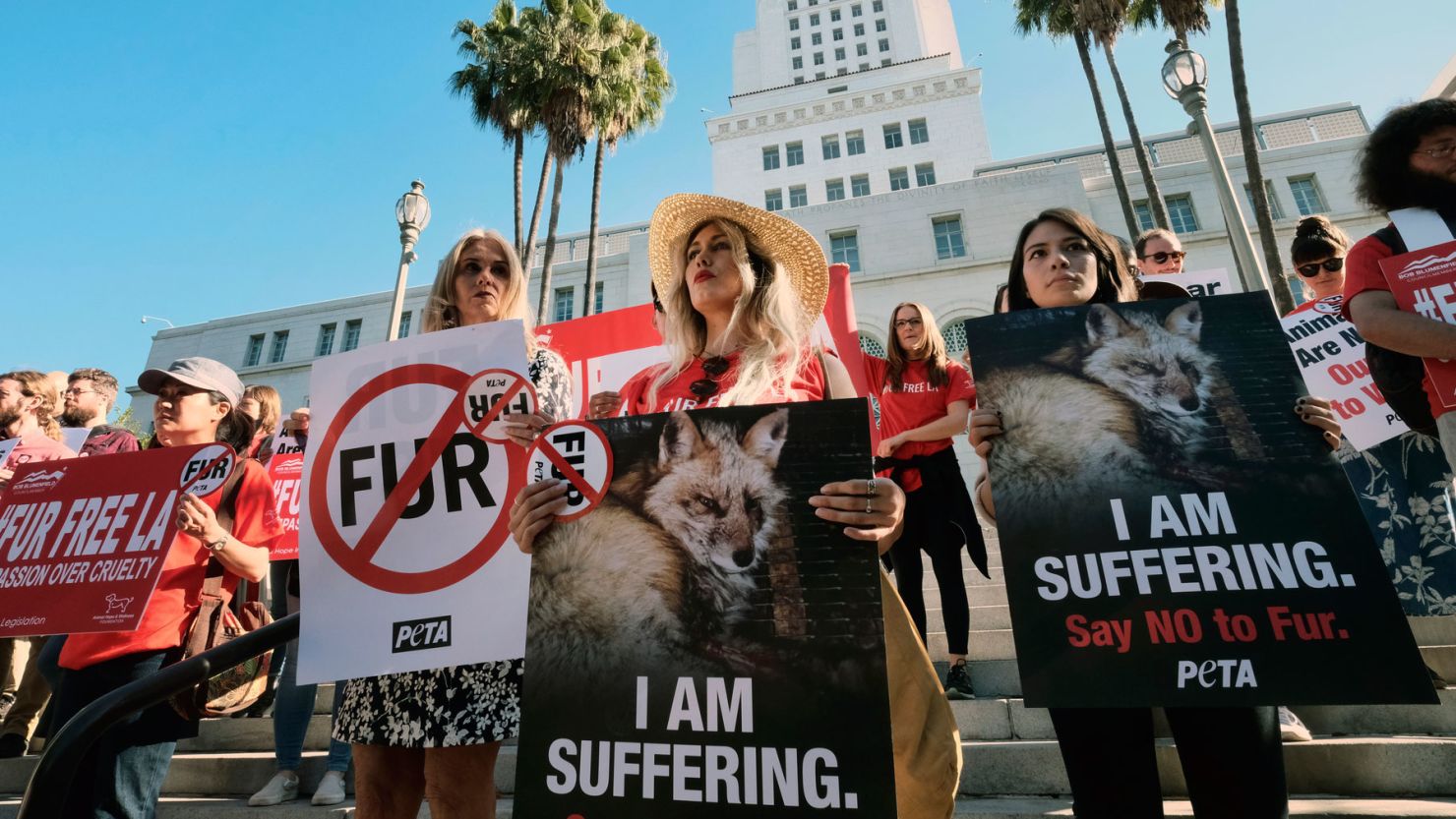
Advocates for the ban pointed to the cruelty of steel-jaw traps and other forms of trapping, which can cause prolonged suffering and death for the animals caught. These methods often result in unnecessary injury and death, making them a focal point for animal welfare activists. After a year of intense lobbying and public support, the bill was passed with overwhelming backing from the California legislature, making it one of the most progressive pieces of animal protection legislation in the United States.
Why California Took Action
The decision to ban fur trapping in California reflects growing concerns over animal cruelty and the treatment of wildlife. Increasingly, the public is calling for stricter laws to protect animals from inhumane practices, particularly in the fur industry. The global fur market has come under intense scrutiny in recent years due to its reliance on factory farming and trapping methods that often subject animals to extreme cruelty.
The passage of this law was driven by a combination of ethical considerations and environmental concerns. Trapping disrupts local ecosystems, particularly when it targets apex predators such as coyotes and bobcats, which play a vital role in maintaining the balance of their habitats. By eliminating fur trapping, California aims to protect both wildlife and ecosystems from the harmful effects of these practices.
The Economic Impact
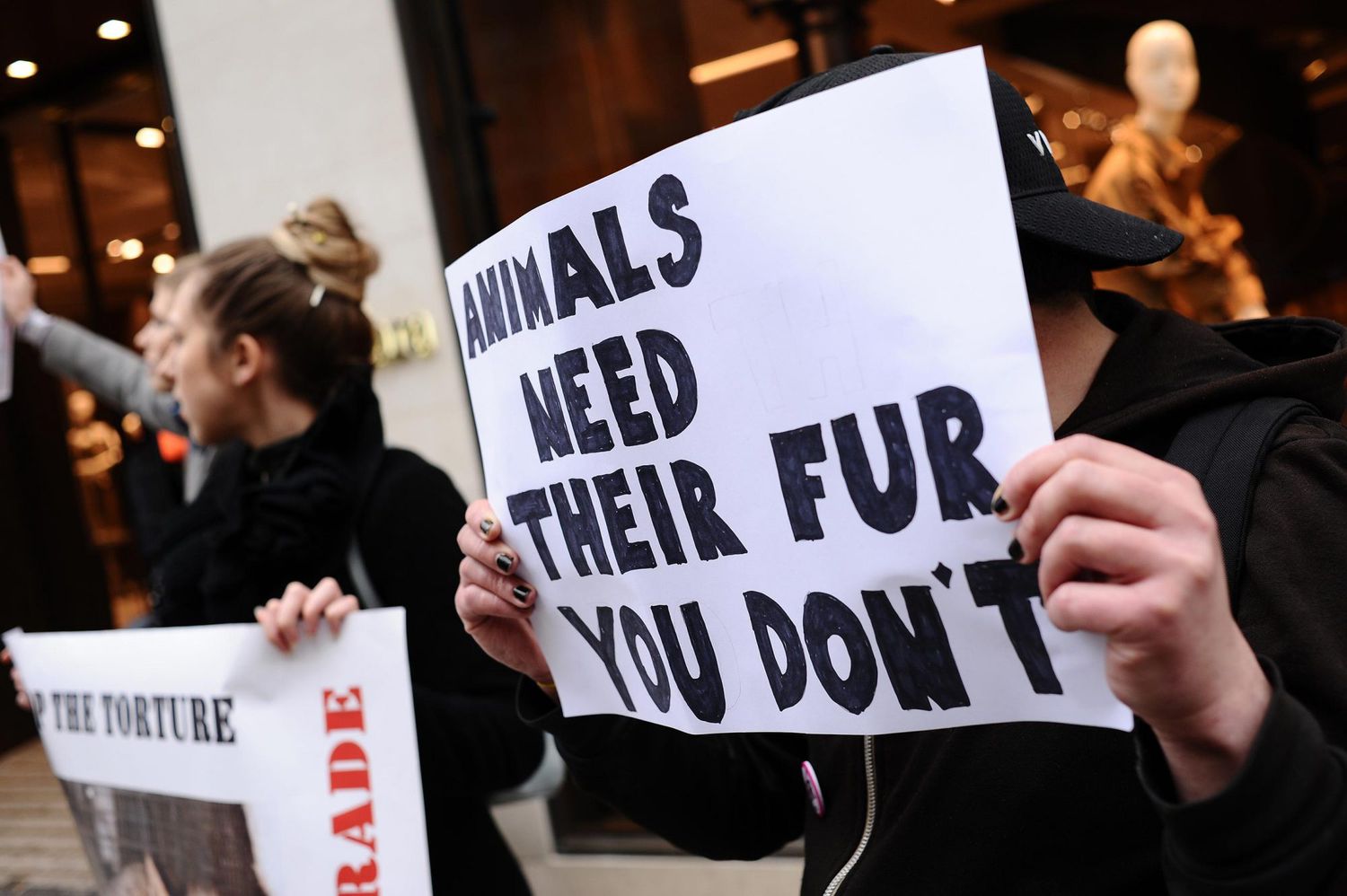
The fur industry has long been a significant economic player in the fashion and luxury goods sectors. However, as consumer preferences shift toward more ethical and sustainable alternatives, the industry has faced increased pressure. In recent years, several fashion brands and designers have publicly committed to going fur-free, citing animal cruelty concerns as a driving force behind their decisions.
California’s ban on fur trapping is expected to have a profound impact on the fur industry, particularly in the United States, where the demand for fur products has been in decline. With increasing awareness of animal rights issues and the availability of cruelty-free alternatives, the fur industry is at a crossroads. The new law could serve as a catalyst for other states to introduce similar measures, leading to a wider shift away from fur production and trapping.
Public Support for Animal Rights and Ethical Legislation
The passage of the fur trapping ban reflects a larger trend toward greater support for animal rights legislation across the United States. A growing number of Americans are concerned about the ethics of animal exploitation, and public opinion has shifted in favor of more stringent animal protection laws. Polls indicate that a majority of Americans are now opposed to the use of fur in fashion, with many consumers opting for faux fur or alternative materials instead.
This shift in public opinion has been accompanied by a rise in activism and advocacy for animals, as people become more conscious of the impact their purchasing decisions have on the world around them. The fur trapping ban in California represents a victory for these activists and sets a powerful example for other states to follow.
The Broader Impact
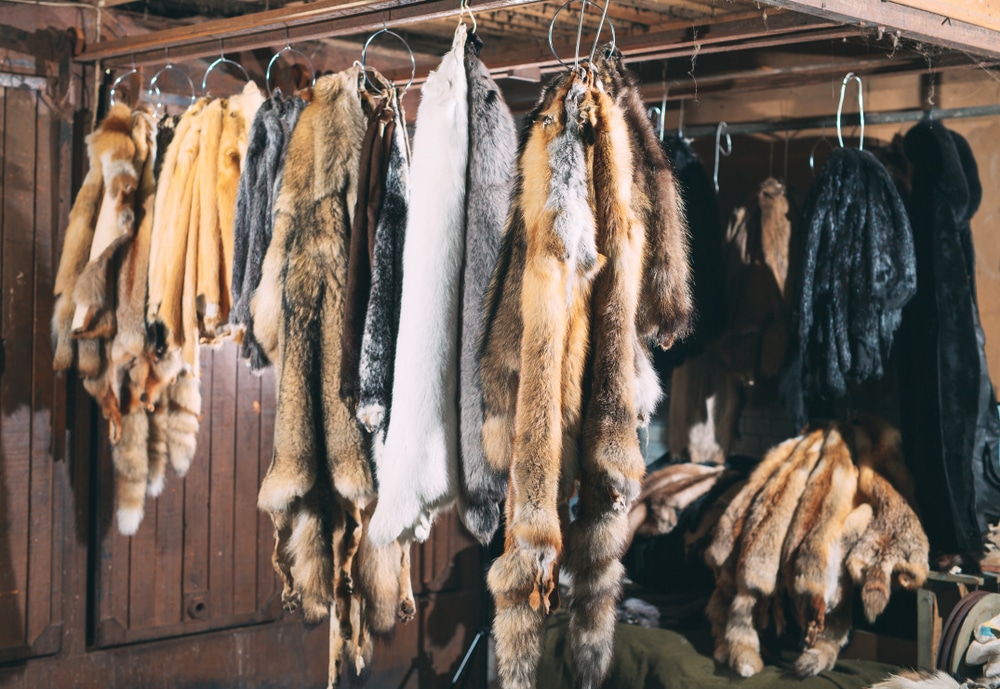
California’s decision to ban fur trapping is a landmark moment for animal rights advocates, and it could serve as a blueprint for other states to follow. In the past, California has been a trendsetter when it comes to environmental and social issues, and this new law could pave the way for other states to introduce similar measures. The fur industry is already facing increasing pressure in other parts of the world, with countries like the UK and several European nations moving toward banning fur farming and trapping.
The California ban is also expected to influence federal legislation, as lawmakers across the country take note of the growing momentum behind animal protection issues. With public opinion increasingly on the side of animal rights, the passage of similar laws in other states could be just a matter of time.
Opposition to the Ban
While the fur trapping ban has garnered widespread support, it has not been without its critics. Fur industry representatives have argued that the ban will hurt local economies and disrupt livelihoods, particularly for trappers who rely on fur sales as their primary source of income. In some rural areas, trapping is seen as an important part of wildlife management, and opponents of the ban claim that it could lead to overpopulation of certain species.
Additionally, cultural groups that have used fur for centuries as part of traditional practices have raised concerns that the ban could infringe upon their rights. These cultural and economic concerns are likely to be addressed through discussions and possible amendments to the law, but the broader trend is clear: the push for animal rights is gaining momentum, and it is likely to continue shaping policy decisions in the years to come.
The Future of Fur in Fashion
As the fur trapping ban takes effect, it is expected that the fashion industry will continue its shift toward cruelty-free alternatives. Many high-end fashion brands have already embraced faux fur and other sustainable materials, and this trend is expected to accelerate in the coming years. Advances in technology have made it possible to create synthetic materials that closely mimic the look and feel of real fur, without the ethical concerns associated with trapping and farming animals.
Consumers are becoming increasingly aware of the environmental and ethical impact of their purchases, and many are demanding cruelty-free options. This shift is likely to continue, as brands and designers recognize the importance of aligning with consumer values. The California ban on fur trapping is just one piece of the larger puzzle, and it is likely to inspire further innovation in the fashion industry as it moves toward a more ethical and sustainable future.
Conclusion
California’s fur trapping ban represents a major victory for animal rights activists and a significant step forward in the fight for wildlife protection. As the first state in the US to implement such a ban, California has set an important precedent that could lead to similar legislation across the country. This law reflects a growing shift in public opinion, as more people demand greater accountability from industries that exploit animals for profit.
The ban also highlights the power of consumer choice in shaping the future of industries like fashion. With increasing support for cruelty-free alternatives, the fur industry may never fully recover from this shift in demand. As California leads the way, other states will likely follow suit, and the movement for stronger animal protection laws is set to gain momentum across the United States.