
Table of Contents
- What We Know About Trump’s Consideration of Cannabis Reclassification
- What Does Schedule III Mean for Cannabis?
- How Would This Affect Medical Research and Treatment?
- What Does This Mean for States with Cannabis Programs?
- The Political Divide Over Cannabis Reclassification
- The Growing Support for Legal Cannabis
- What Challenges Could Cannabis Still Face?
- The Impact on Cannabis Businesses
- The Broader Implications for U.S. Drug Policy
- What’s Next for Cannabis Reform in the U.S.?
What We Know About Trump’s Consideration of Cannabis Reclassification
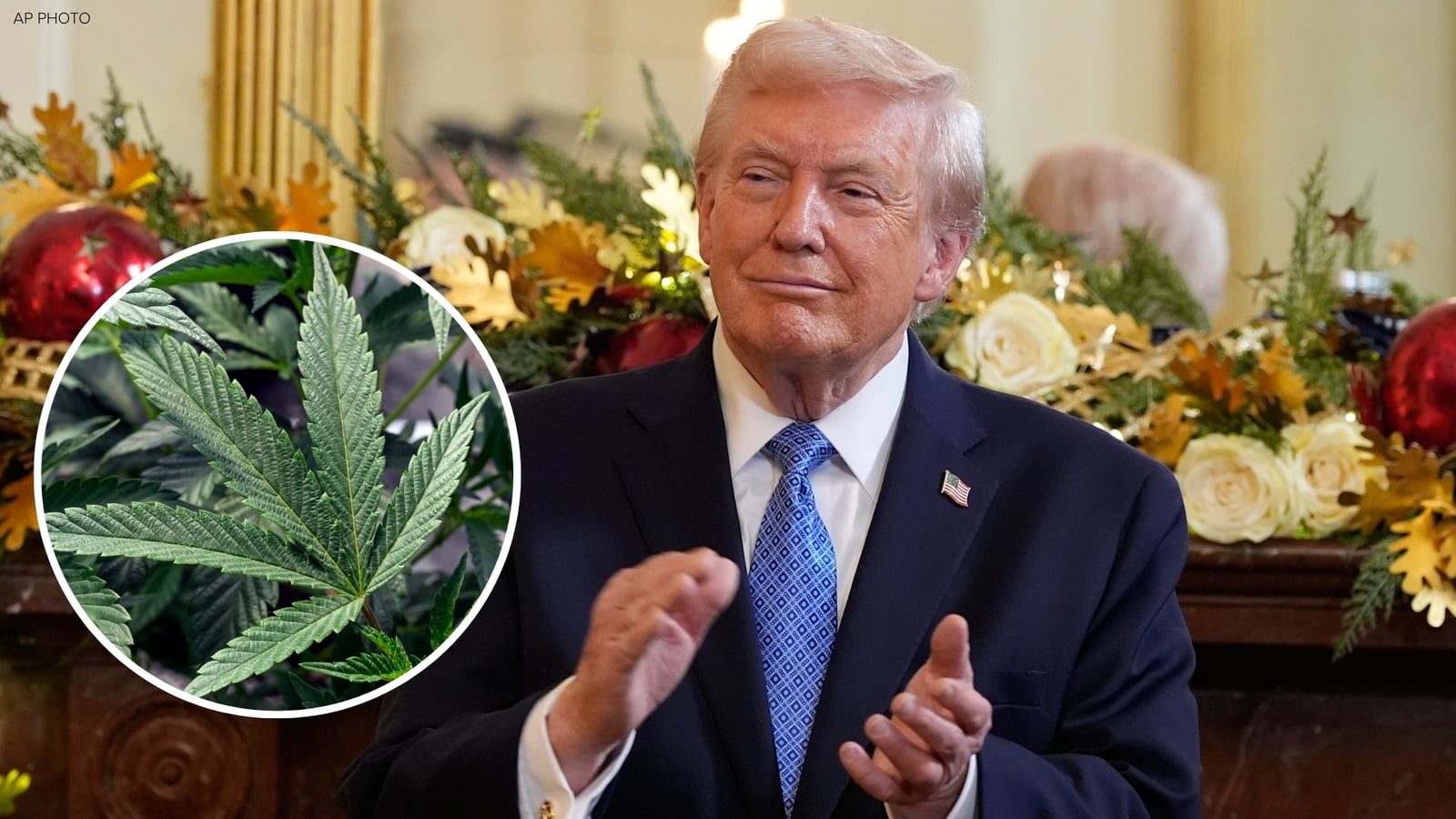
In August 2025, President Trump made a public statement that his administration was “looking at reclassifying marijuana as a less dangerous drug.” This statement set off a flurry of speculation and excitement, as cannabis advocates hope this might signal a move toward broader legalization. The potential reclassification could place cannabis in Schedule III, a category for drugs deemed to have accepted medical uses but less potential for abuse.
This shift would follow a formal rulemaking process initiated by the Drug Enforcement Administration (DEA) in May 2024. The DEA proposed reclassifying cannabis based on recommendations from the U.S. Department of Health and Human Services (HHS). With public comment and legal reviews underway, the decision could come soon, possibly reshaping the nation’s approach to cannabis.
What Does Schedule III Mean for Cannabis?
To understand the significance of a Schedule III reclassification, let’s first examine the Controlled Substances Act. Currently, cannabis is classified as a Schedule I drug—defined as having no accepted medical use and a high potential for abuse. If it moves to Schedule III, cannabis would be recognized as having accepted medical uses and lower abuse potential, allowing for more access to research and better conditions for cannabis-related businesses.
For the cannabis industry, the change would remove the tax burdens imposed by Section 280E of the Internal Revenue Code, which currently prevents cannabis businesses from claiming typical business deductions. The reclassification could also reduce the hurdles companies face in securing funding and working with banks, though full banking access would still require additional legislation.
How Would This Affect Medical Research and Treatment?
Reclassifying cannabis could significantly open doors for medical research. Currently, strict regulations make it difficult for scientists to study cannabis as a legitimate medical treatment. Moving cannabis to Schedule III would streamline the approval process for clinical trials, paving the way for further exploration into its therapeutic potential. Studies could range from exploring cannabis’s efficacy in treating chronic pain and anxiety to its potential for treating neurological conditions like epilepsy.
The reclassification might also help bridge the gap between public opinion, state-level medical marijuana programs, and federal law, providing a legal framework for doctors to recommend cannabis as a treatment option without fear of legal repercussions.
What Does This Mean for States with Cannabis Programs?
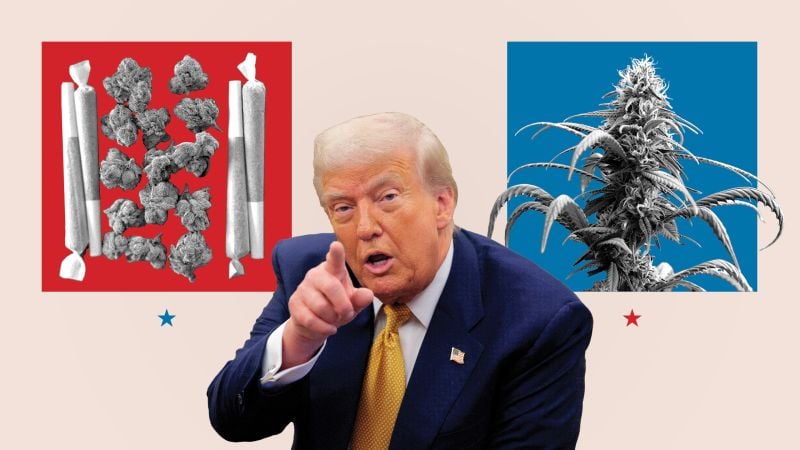
Cannabis has already been legalized for medical and/or recreational use in many states, including California, Colorado, and New York. In total, 24 states and the District of Columbia have legalized adult-use cannabis, while another 16 states have medical-only programs. However, federal law has remained at odds with these state policies, creating a patchwork system where cannabis remains illegal at the federal level.
Rescheduling cannabis would allow for greater consistency across state and federal policies, making the product more accessible. While states would continue to regulate cannabis as they see fit, rescheduling would remove the federal barriers to research, banking, and taxation, potentially easing the burdens on businesses operating legally in states with cannabis programs.
The Political Divide Over Cannabis Reclassification
While the move to reclassify cannabis is being met with enthusiasm from many, the political landscape remains divided. Some Republican members of Congress have voiced support for reclassification, emphasizing the need for medical freedom and states’ rights. However, there is also resistance from conservative figures who believe that even limited reforms could set a precedent for full legalization—a path they are unwilling to support.
As Trump weighs the decision, the political climate will play a significant role in the outcome. It remains to be seen whether this shift will receive bipartisan support or if it will become a key point of contention as the election season looms.
The Growing Support for Legal Cannabis
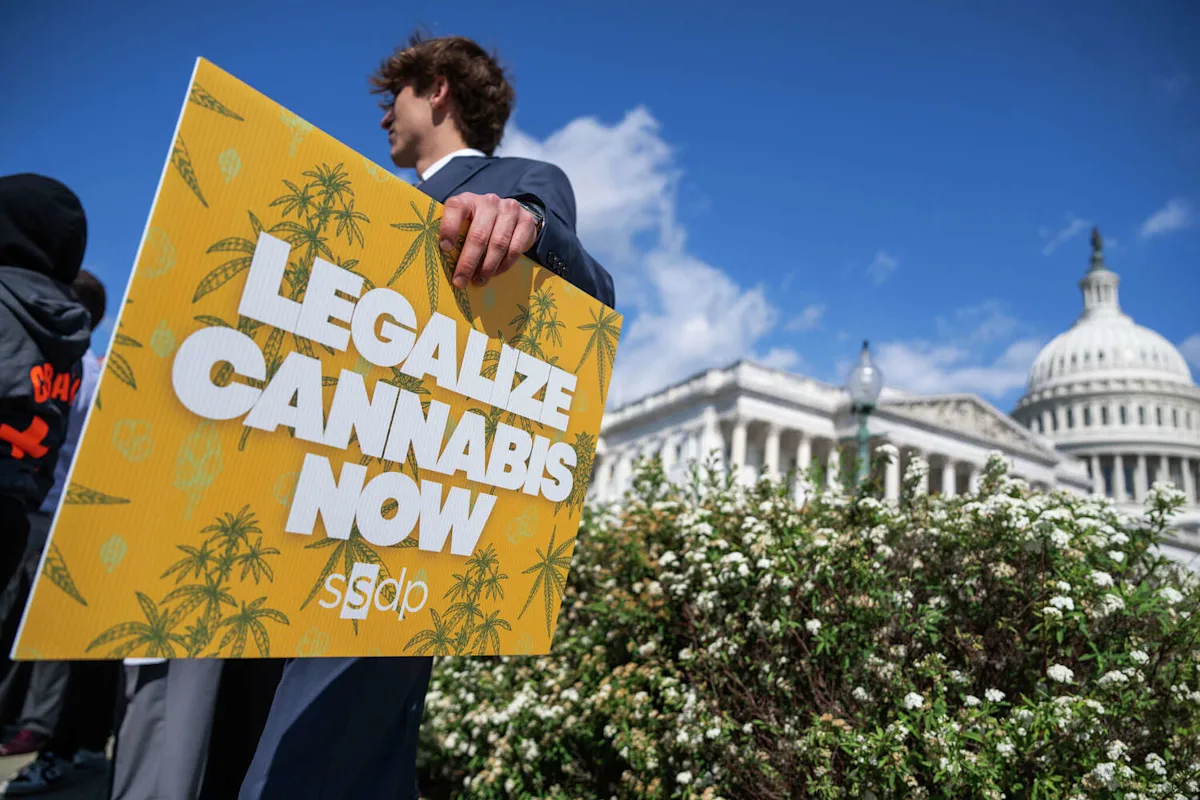
Public support for cannabis legalization has steadily increased over the years. National polls show that roughly 9 out of 10 Americans support making marijuana legal in some form, with the majority backing both medical and adult-use cannabis. This widespread support has fueled state-level reforms, with more states opting to legalize cannabis either medically or recreationally.
This shift in public opinion may help tip the scales in favor of reclassification. As cannabis continues to shed its stigmatized image, more Americans are advocating for it to be treated as a legitimate medicine and commodity. Trump’s consideration of rescheduling is a direct response to these changing views.
What Challenges Could Cannabis Still Face?
While rescheduling cannabis would mark a significant step forward, challenges remain. Public health experts continue to debate cannabis’s safety and long-term effects. Opponents of legalization worry about the impact on youth access, impaired driving, and the potential for increased addiction rates. Additionally, concerns over the broader implications of marijuana use on public health and safety remain a hot topic in political debates.
For cannabis advocates, this means that the path to full legalization—whether at the federal or state level—may still be obstructed by lingering doubts and resistance.
The Impact on Cannabis Businesses
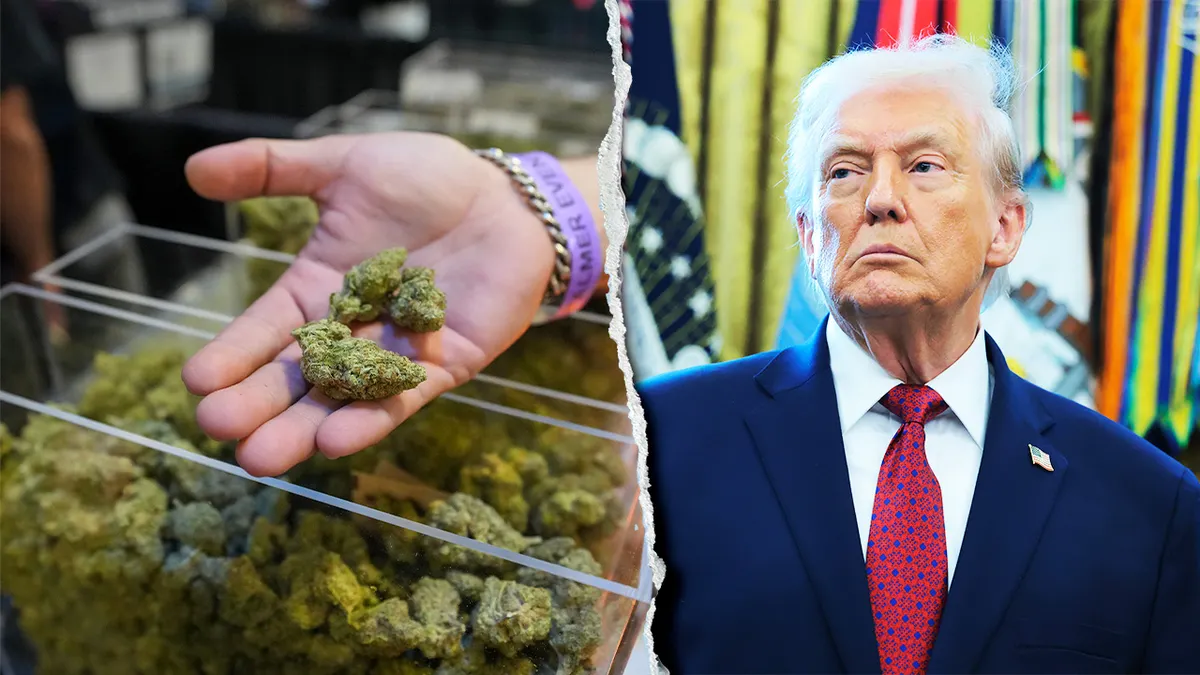
The rescheduling of cannabis to Schedule III could significantly impact businesses in the cannabis sector. Currently, cannabis companies face steep tax penalties because they cannot deduct normal business expenses, thanks to Section 280E. A move to Schedule III would lift these restrictions, allowing businesses to make the same deductions as other legal enterprises.
Moreover, cannabis operators might gain better access to traditional financial institutions, making it easier to open bank accounts, secure loans, and expand operations. However, the full regulatory changes will require additional steps, including a clear framework for safe banking and interstate commerce.
The Broader Implications for U.S. Drug Policy
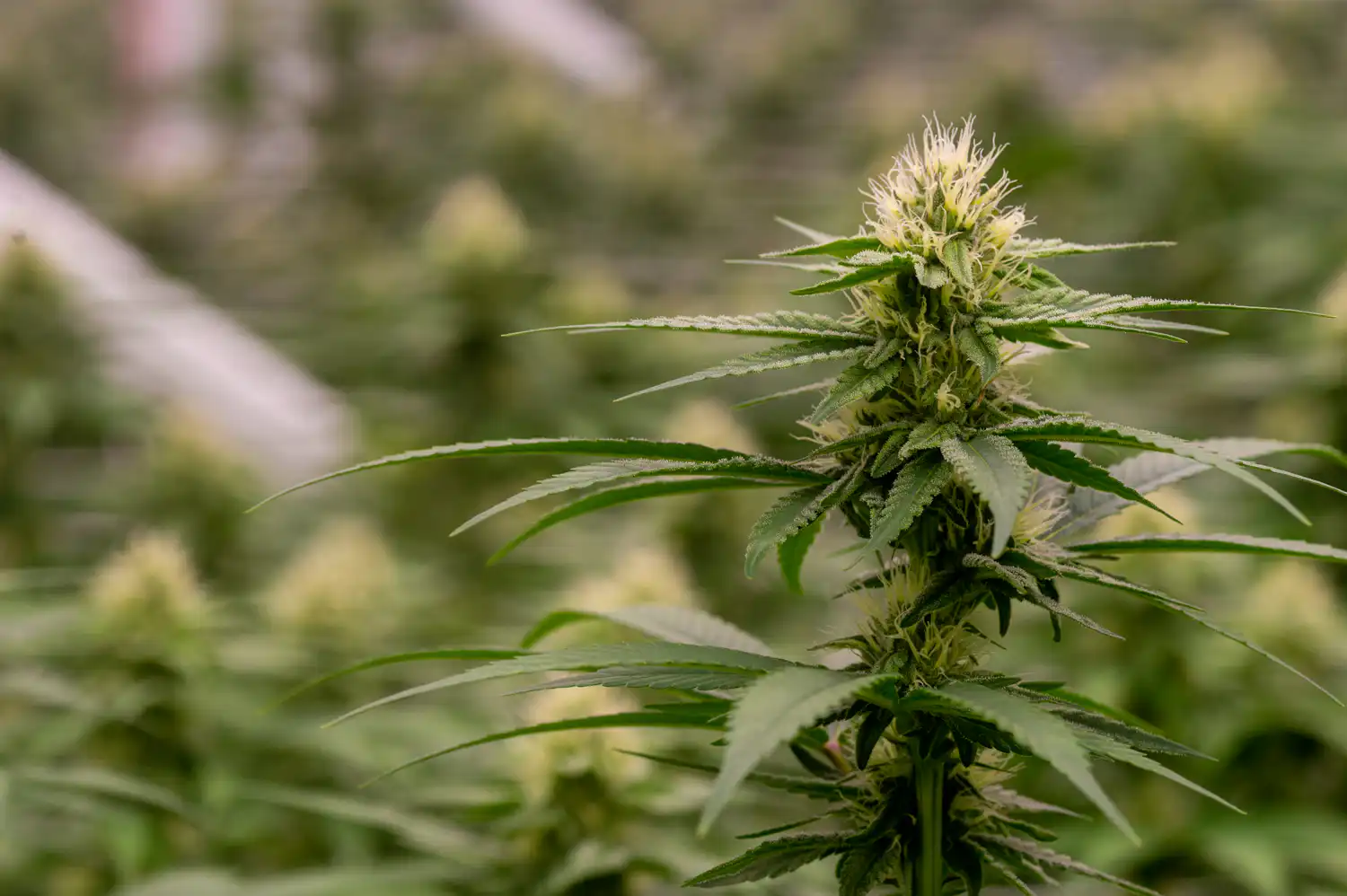
The decision to reclassify cannabis from Schedule I to Schedule III could signal a broader shift in U.S. drug policy. As the nation grapples with the opioid crisis and examines other controlled substances, cannabis could serve as a model for how the federal government might approach other controversial drugs in the future. This evolution in cannabis policy could also influence how the country addresses issues related to addiction, mental health, and public safety.
By choosing to reclassify cannabis, the Trump administration would further push the U.S. toward a more practical and evidence-based approach to drug regulation.
What’s Next for Cannabis Reform in the U.S.?
The path to cannabis reform is far from over. Rescheduling cannabis may be a crucial step forward, but it does not guarantee that federal legalization is imminent. While rescheduling would narrow the gap between state and federal laws, full legalization would require Congressional action.
As the legal landscape continues to shift, advocates will likely continue pushing for reforms that balance medical benefits with responsible regulation. The outcome of this debate will ultimately shape how cannabis is integrated into American society—whether as a medical option, a recreational product, or something else entirely.