
Table of Contents
- A Shape on the Shoulder That Most People Would Pass By
- The Moment Everything Changed
- A Life Hanging Between Traffic and Time
- The Silent Suffering of Stray Animals
- Emergency Care and the Fight to Stabilize Him
- Why This Rescue Resonated With So Many People
- The Thin Line Between Life and Being Overlooked
- Recovery, Trust, and a Second Chance
- Conclusion
A Shape on the Shoulder That Most People Would Pass By
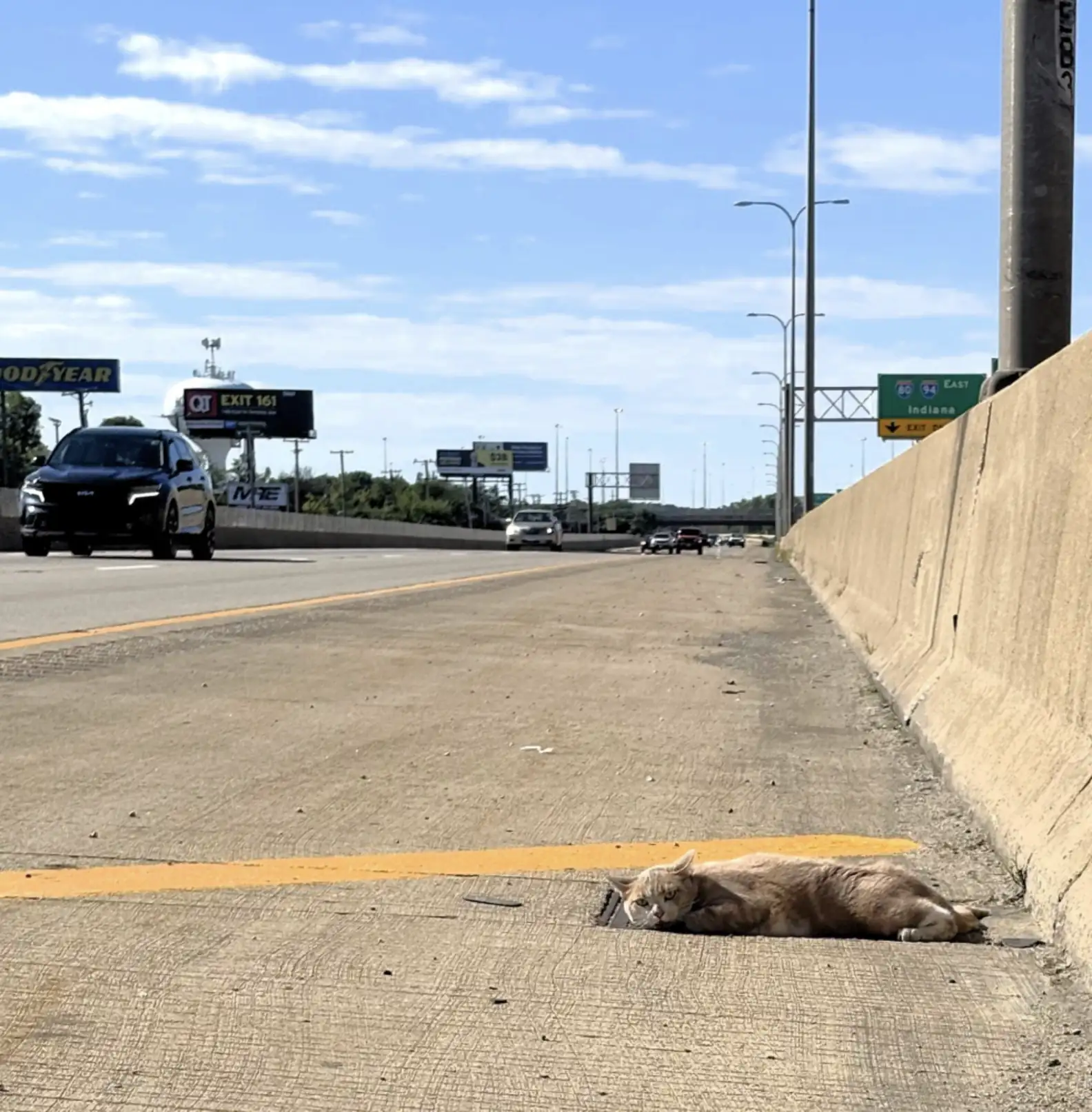
The highway was loud, relentless, and unforgiving. Cars sped past in steady streams, each one just seconds apart, leaving little room for hesitation. That was exactly why the object on the roadside initially blended into the background — just another dark shape in a place where tragedies often go unnoticed.
The driver later recalled that he almost didn’t stop. From a distance, the cat looked completely still, its body curled unnaturally close to the asphalt. Experience suggested the worst. Many animals don’t survive encounters with busy roads, and stopping can sometimes feel futile or dangerous.
But something about the way the cat lay there felt different. Not dramatic. Not obvious. Just wrong enough to prompt a second glance.
So the driver slowed down.
The Moment Everything Changed
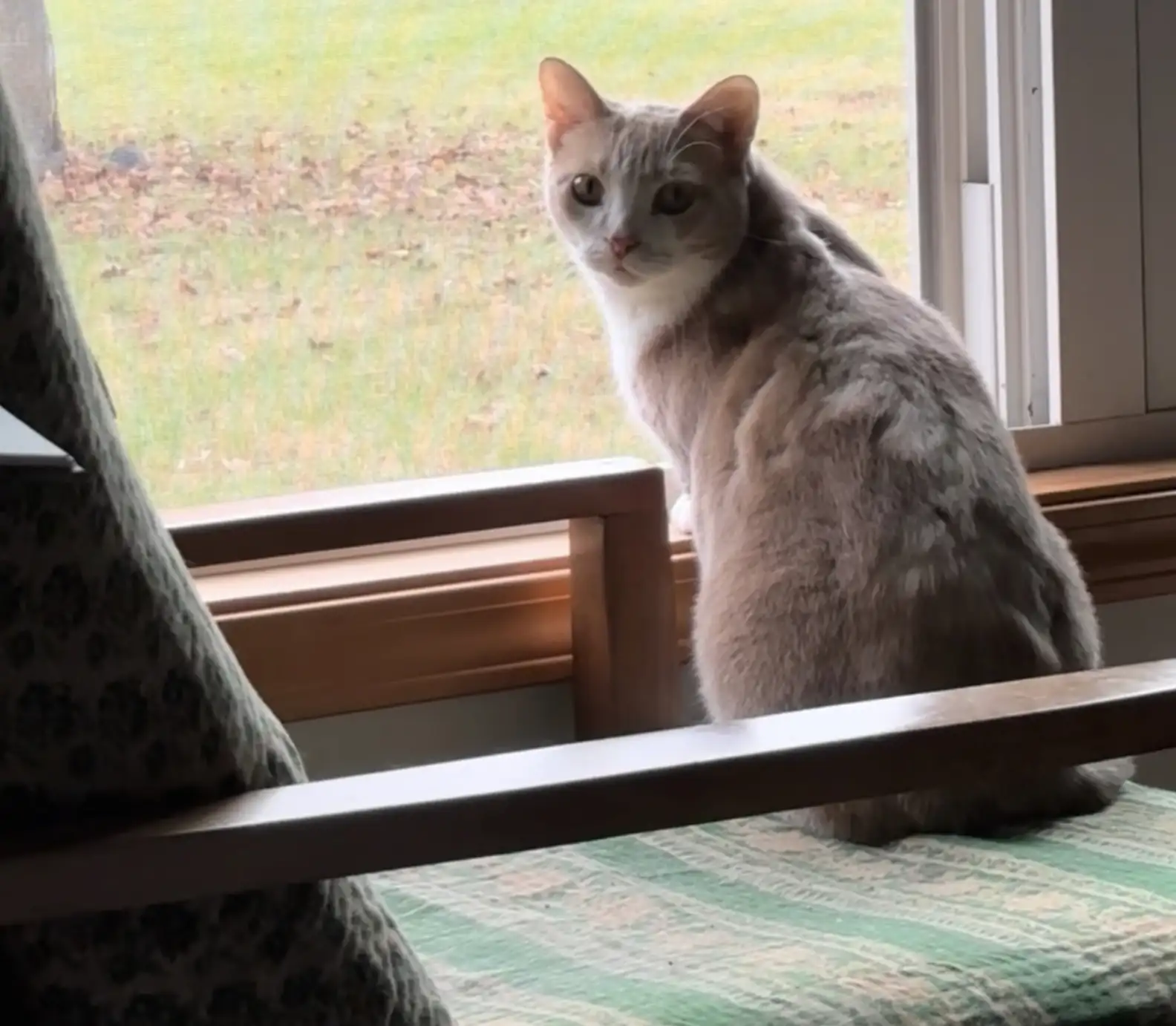
As he pulled over and cautiously approached, traffic roaring behind him, he braced himself for confirmation of what he feared. The cat’s fur was dusty, matted, and dull. Its chest barely moved. Its body was thin, tense, and utterly still.
Then the cat opened his eyes.
They were glassy, unfocused, and filled with exhaustion — but undeniably alive.
That blink transformed the scene instantly. What had looked like a lifeless body was suddenly a living being clinging to consciousness. The cat didn’t try to run. He didn’t hiss or fight. He simply looked back, too weak to move, too tired to resist.
In that moment, the driver knew there was no walking away.
A Life Hanging Between Traffic and Time
Stopping on a busy highway is never simple. Every second mattered — not just for the cat, but for the safety of everyone involved. The driver quickly assessed the situation. The cat was dangerously close to traffic, exposed, vulnerable, and clearly injured or severely dehydrated.
The animal’s condition suggested he had been there for hours, possibly longer. His body language told a story of prolonged suffering: sunken eyes, shallow breathing, and a stillness that wasn’t peace but collapse.
Carefully, the driver wrapped the cat in a jacket and moved him away from the road. The cat didn’t resist. He didn’t even lift his head. He simply let himself be carried, as though he understood that this moment was his last chance.
The Silent Suffering of Stray Animals
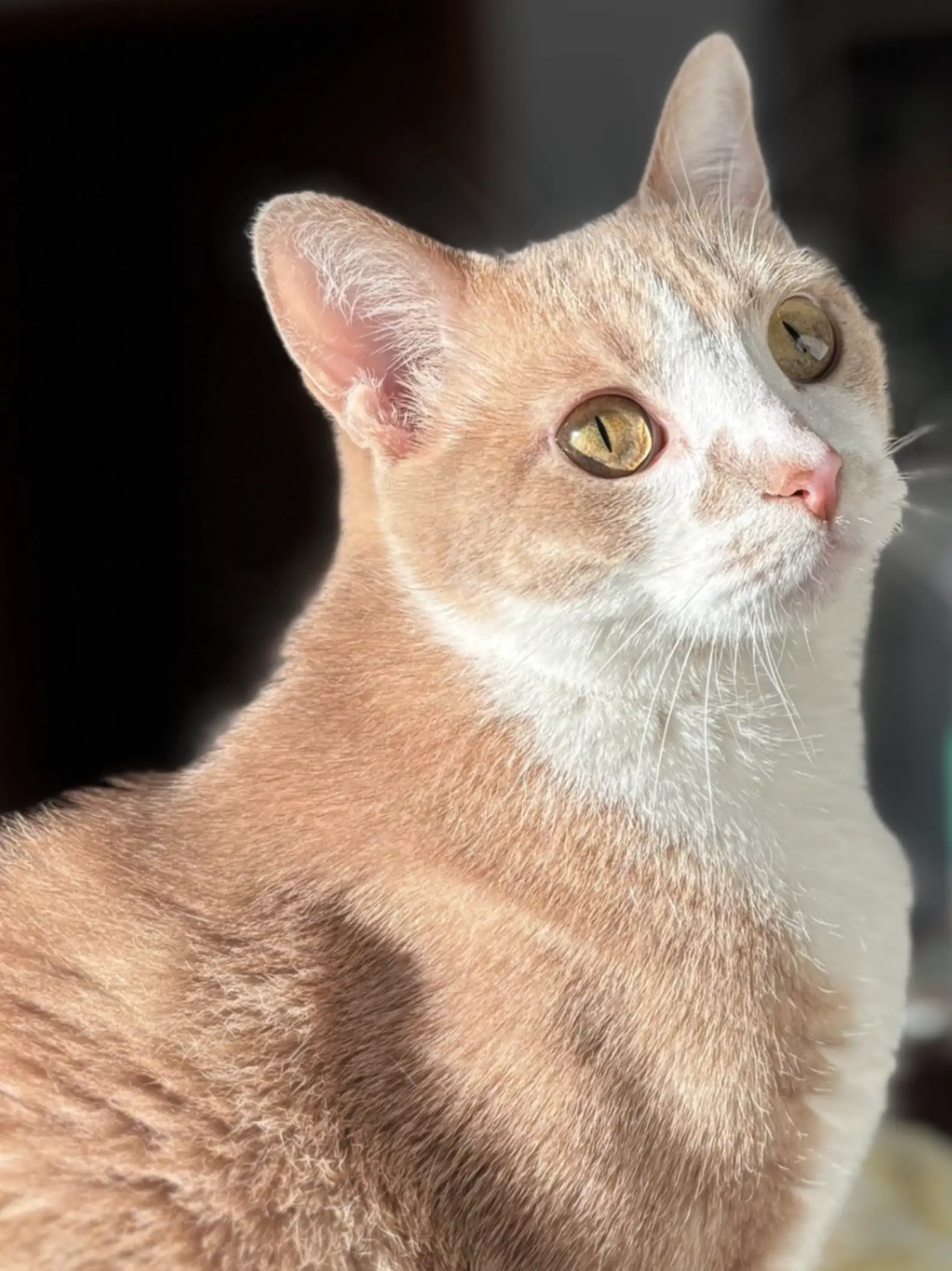
Stories like this reveal a harsh reality about stray animals, especially cats, who often endure injuries and illnesses silently. Unlike dogs, cats tend to hide pain. They retreat, freeze, and conserve energy until there is almost nothing left.
Experts note that when a cat stops moving altogether, it’s often a sign of extreme distress. The body enters survival mode, shutting down non-essential functions. To an untrained eye, this can look like death — which is why so many animals are passed by without help.
This cat had likely been hit by a car or collapsed from exhaustion and dehydration. Alone on a highway shoulder, surrounded by noise and danger, his odds were devastatingly low.
Until someone stopped.
Emergency Care and the Fight to Stabilize Him
The driver rushed the cat to the nearest veterinary clinic, explaining what he had seen and how close the animal had come to dying unnoticed. Veterinarians immediately took over, placing the cat on fluids and running urgent assessments.
The diagnosis confirmed what many feared: the cat was severely dehydrated, malnourished, and suffering from internal trauma. His body temperature was low, and his organs were struggling. Without intervention, he would not have survived much longer.
Yet despite everything, there was a spark. The fact that he had held on — that he had opened his eyes — mattered. It meant his body hadn’t given up yet.
The veterinary team worked through the night, stabilizing him inch by inch, proving once again that survival is often determined by timing as much as treatment.
Why This Rescue Resonated With So Many People
When the story later surfaced online, it struck a nerve. People weren’t just reacting to a rescued cat — they were reacting to recognition.
Many admitted they had driven past similar scenes, assuming the worst, telling themselves there was nothing they could do. Others shared stories of animals they wished they had stopped for.
The power of this story lies in its simplicity. Nothing dramatic happened at first. No sirens. No immediate heroics. Just a decision to slow down. To look again. To question an assumption.
That’s what makes it unsettling and hopeful at the same time.
The Thin Line Between Life and Being Overlooked
This cat’s survival hinged on a moment that could have easily gone differently. A few seconds earlier or later. A driver too tired to care. Traffic moving just a bit faster.
In many ways, the story highlights how fragile life can be when it exists on the margins — unseen, unprotected, and dependent on chance encounters with compassion.
It also challenges the way people think about animals they encounter unexpectedly. The difference between “it’s already too late” and “maybe not” can be as small as stopping the car.
Recovery, Trust, and a Second Chance
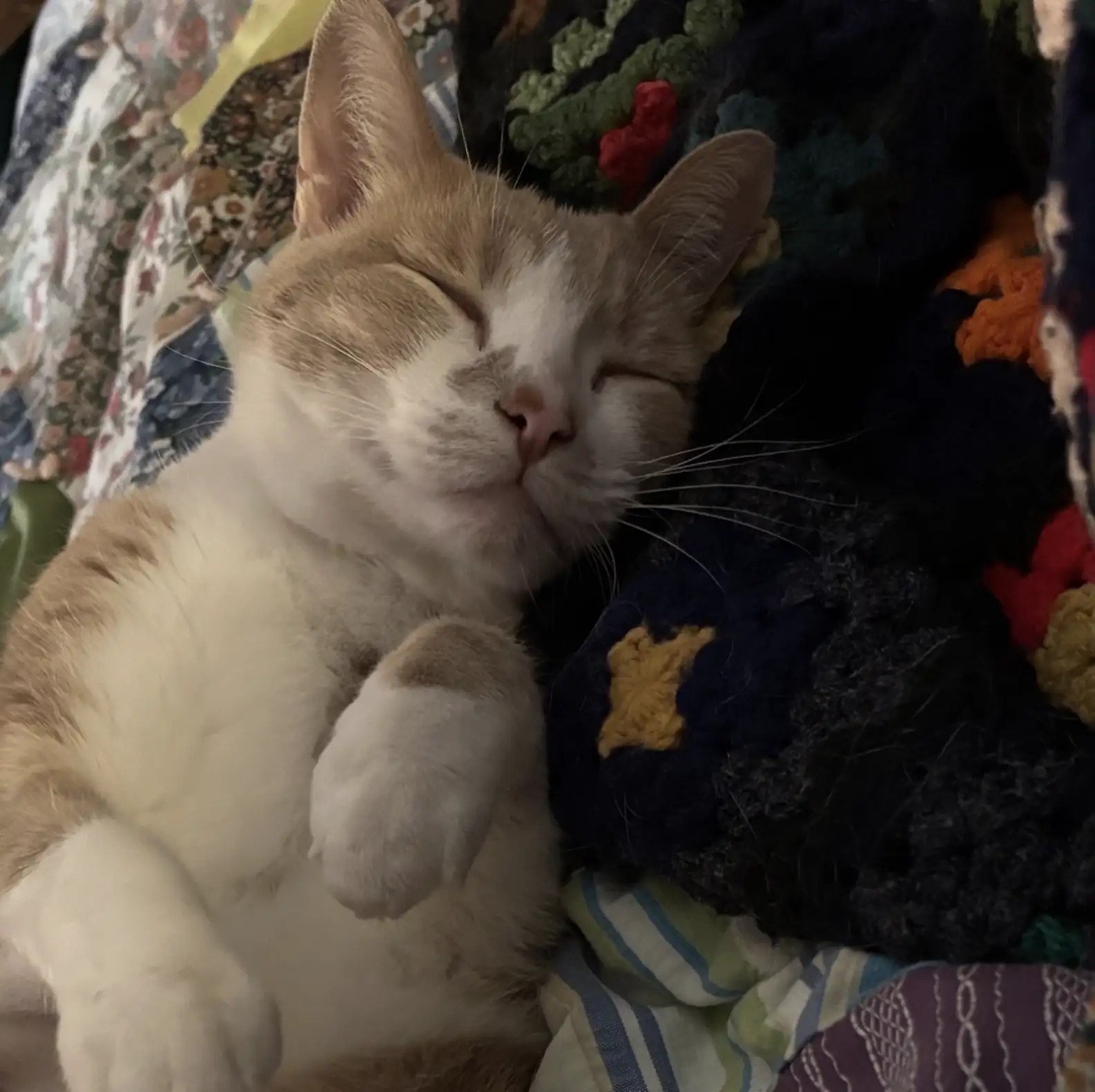
In the days that followed, the cat slowly began to recover. His eyes grew clearer. His breathing steadied. He began eating small amounts and responding to gentle touch.
Though still cautious, he showed signs of trust — a remarkable thing for an animal who had suffered alone. Each day he regained strength was a quiet victory, not just for him, but for the choice that saved him.
The driver stayed involved, checking on his progress, unable to forget that first moment their eyes met on the side of the road.
Conclusion
This wasn’t just a rescue story. It was a reminder.
A reminder that not everything still is gone. That not every roadside tragedy is finished. That sometimes, the smallest sign — a blink, a breath, a flicker of life — is an invitation to act.
The cat survived because someone paused long enough to notice that he hadn’t given up yet.
In a world that moves fast, this story asks a quiet question: how many lives are waiting for someone to look twice?