
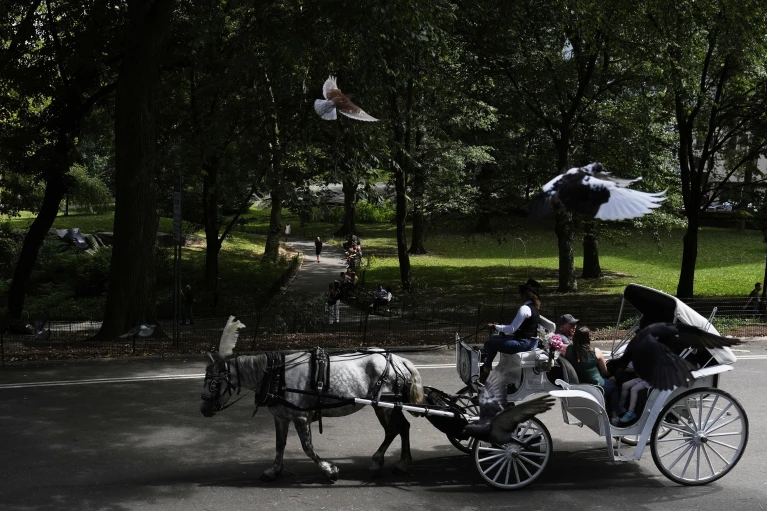
It was supposed to be a simple, romantic ride through Central Park—a moment suspended in time, echoing bygone New York. But for the horses pulling the iconic carriages, every loop around the park is becoming a ride toward uncertain futures.
More than 150 years of tradition are now under threat. The city is pushing for a ban on horse-drawn carriages, sparking a fierce debate between heritage and modern ethics, business and animal welfare. Here’s why this story matters—and why it reaches far beyond a park lane.
Table of Contents
- The Carriage That Could Be Its Last
- From Fairy Tale to Flashpoint: The Evolution of an Industry
- Safety or Sentiment: What’s Driving the Ban?
- Voices from the Streets: Real People, Real Stakes
- The Industry’s Future: What Comes After the Carriages?
- Global Echoes: When Cities Rethink Iconic Rides
- What It Means for Tourism, Real Estate & the City Budget
- Tradition or Transformation: A City at a Crossroads
- Final Thoughts: The Last Carriage Ride?
The Carriage That Could Be Its Last
On a crisp morning along the park’s southern drive, the sight of a horse harnessed to a black carriage might feel timeless. Tourists snap photos, couples whisper, children wave.
Behind the scenes, however, the industry stands on shaky ground. The Central Park Conservancy, the nonprofit that manages the park, has joined calls to end the carriage trade — citing safety and infrastructure concerns as the park grows ever more crowded. AP News+1
“Horses are too unpredictable and the roadways are too busy,” said the Conservancy’s CEO. AP News
By next summer, the industry could be winding down entirely. For drivers and horse-owners who’ve done this for decades, the implications are profound.
From Fairy Tale to Flashpoint: The Evolution of an Industry
Horse-drawn carriages in Central Park once felt like the perfect postcard—romantic, gentle, nostalgic. But as the city changed, so did the dynamics around them.
With bike lanes, scooters, pedicabs, and more foot traffic, the lanes once used for a tranquil ride now share space with 40 million annual visitors. AP News+1
At the same time, troubling incidents piled up: horses collapsing, breaking loose, and startling tourists. One protest case involved a horse named “Ryder” who collapsed on a Manhattan street and later died—sparking renewed calls for a ban. AP News
Today, the industry argues that it’s being unfairly targeted—claiming regulation is sufficient and the tradition supports jobs. newsroom.ap.org
Safety or Sentiment: What’s Driving the Ban?
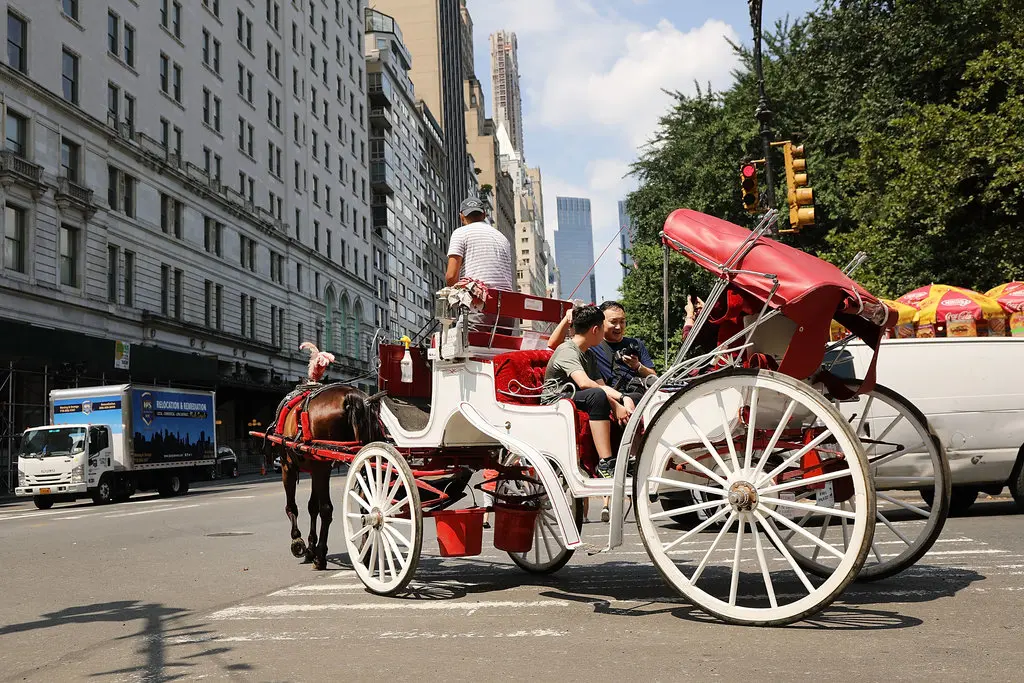
When the city moves to phase out carriages, it’s not just a decision about horses. It’s a collision of priorities:
- Public safety. With more bikers, runners, strollers and vehicles sharing the park’s driveways, even the park’s management says the carriage system no longer fits the modern flow. AP News
- Animal welfare. Activists say the horses endure too many risks: traffic, heat, misuse, stress. They argue the industry is outdated and unsafe. AP News+1
- Economic interests. The carriage trade provides jobs, and corners of the industry say the real motive behind the ban is real-estate and regulatory shifts. newsroom.ap.org
- Tradition vs. progress. Is preserving a romantic image worth maintaining what many consider a relic?
Mayor Eric Adams recently backed legislation to phase out the carriages entirely, calling them incompatible with a “modern, heavily-used urban green space.” AP News+1
It’s an issue loaded with emotion—nostalgia, compassion, business, and ethics all tangled together.
Voices from the Streets: Real People, Real Stakes
The Drivers
They’ve seen tourists eager for a ride, made memories for families, supported dozens of stablehands and horses. Now, many face an industry in flux.
“We’re being told to stop a tradition we’ve lived for years—jobs and livelihoods at stake,” said one driver. newsroom.ap.org
The Tourists
For many visitors, the carriage ride is part of the dream of New York—an experience that’s disappearing. A recent survey found 57% of regular park visitors oppose the ban, though other polls show different results when animal welfare facts are introduced. New York Post
The Advocates
Animal-rights groups argue the images remain powerful: a horse collapsed under heat, others spooked by traffic, the industry exposed to terrain not built for them. AP News
In this debate, every side claims moral high ground—and every voice is convincing.
The Industry’s Future: What Comes After the Carriages?
If the ban passes, what replaces the horse and carriage experience?
Alternatives have been floated: electric vintage-style carriages, reduced routes, or entirely new tourist offerings. Mayor Adams’ executive order calls for job transition support for drivers and staff. AP News
It may be a chance to evolve, not erase—but for those who loved the clip-clop of hooves and the old-time charm, the question remains: Can a tradition survive a transformation?
Global Echoes: When Cities Rethink Iconic Rides
This isn’t just a New York story. Around the world, historic or animal-based tourist experiences face scrutiny.
Cities like Chicago and Montreal have already banned similar carriage rides—citing safety and welfare. AP News
It raises a universal question—when does nostalgia become untenable in a changing city?
What It Means for Tourism, Real Estate & the City Budget
Beyond horses and history, the carriage issue touches economics and urban planning.
- Tourism revenue. Carriage rides cost about $72 for the first 20 minutes—adding to the local tourism economy. AP News
- Real estate interests. Some claim that carriage stables occupy valuable land in Manhattan—another layer of tension. newsroom.ap.org
- Public vs private rights. The park is a public space. Do private tours belong when their operations might impede bikes and walkers?
- Animal-welfare enforcement costs. Regulators and police now shoulder increased responsibilities: monitoring stables, tracking health incidents, overseeing route compliance.
The deeper you dig, the more complex the web becomes.
Tradition or Transformation: A City at a Crossroads
New York has always been a city of change—skylines remake, neighborhoods rebirth, industries pivot.
But some changes cut deeper than buildings—they reshape identity. If horse-drawn carriages vanish, what does it say about the city’s story?
Will we see it as a progressive shift toward animal welfare and modernization—or as the erasure of a charming remnant of the past?
And as you walk the park paths, will you feel the absence?
Final Thoughts: The Last Carriage Ride?
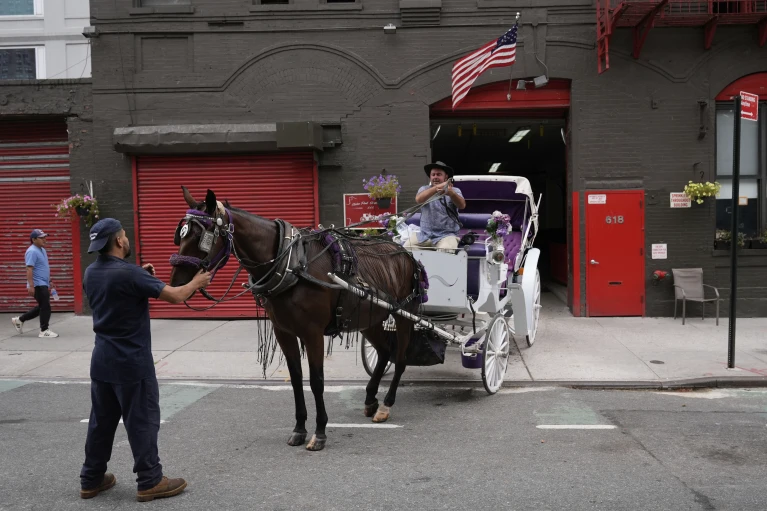
If you ever took a carriage ride through Central Park, you were part of a story stretching back over a century.
That ride—window open, bells jingling, horses trotting—was history, romance, labor, and nature all in one.
Now, that ride may be ending.
But endings usher in beginnings.
If the carriages go, maybe the park will welcome something new—something safer, kinder, and still magical.
And maybe, just maybe, the echo of hooves will become a memory—not a regret.
In the heart of New York, anywhere is possible.
Would you rather ride the old way? Or step into the next chapter?