
Table of Contents
- A Troubled Start to a Short Life
- Repeated Injuries and Missed Warning Signs
- The Final Day and False Explanation
- Forensic Findings That Changed the Case
- Trial, Conviction, and Whole Life Sentence
- Family Testimonies and Emotional Impact
- Safeguarding Concerns and System Failures
- Wider Implications for Child Protection
- A Case That Demands Reform
A Troubled Start to a Short Life
Preston Davey was born in June 2022 and entered care only days after birth due to concerns about his early environment. Like many vulnerable children in the system, he moved through foster care before being considered for adoption.
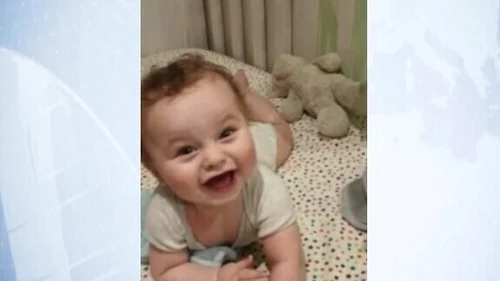
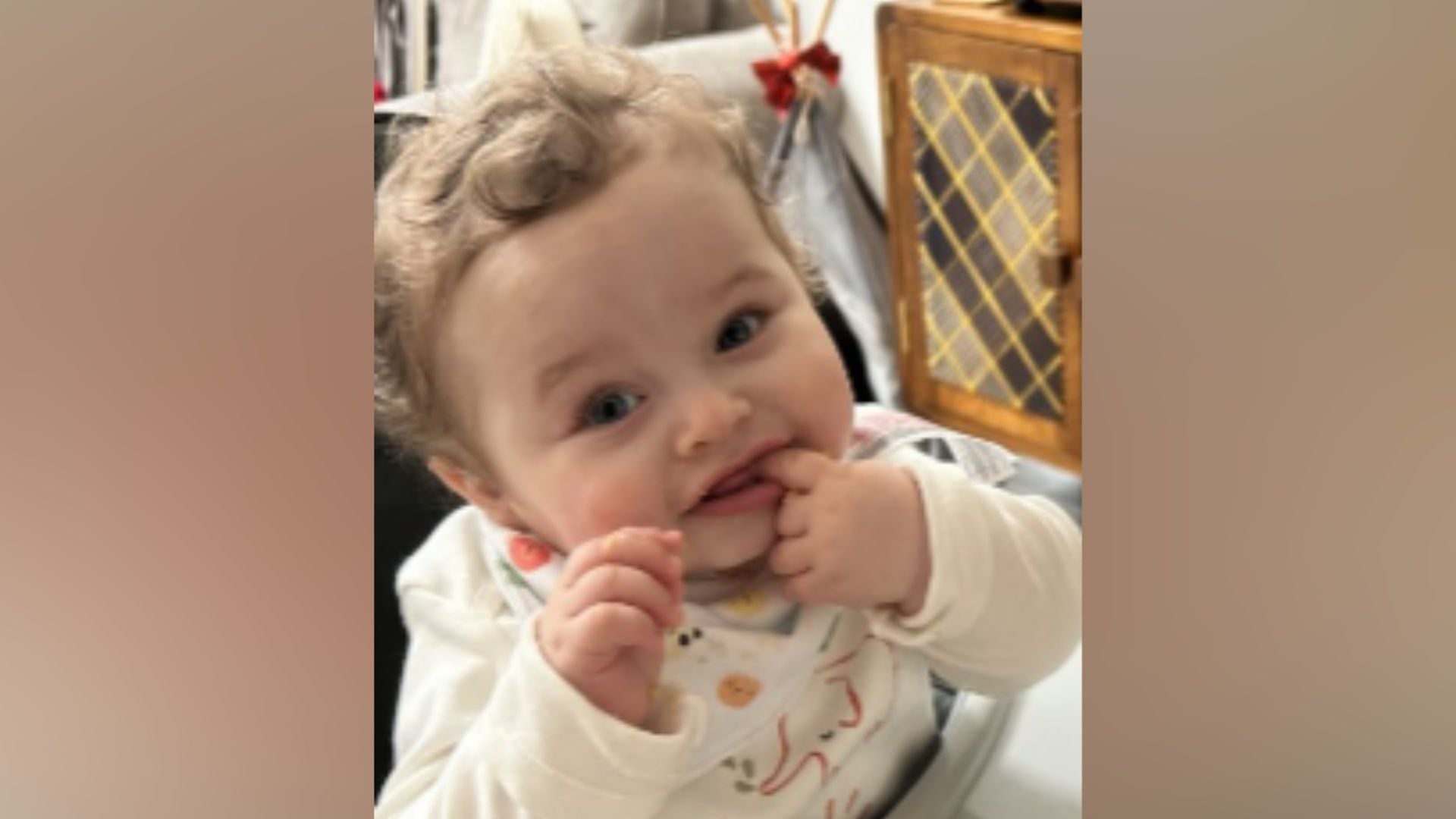
For the first months of his life, Preston was placed with foster carers who later described him as a happy, responsive baby with a calm temperament. His transition to adoption in 2023 was initially seen as a positive step toward stability.
However, after being placed with Varley and his partner in Blackpool, his condition began to deteriorate. Medical records later showed repeated hospital visits for unexplained injuries, including bruising, seizures, and fractures. Each incident raised concerns, but at the time, no definitive action removed him from the home.
This early phase of the case later became central to the investigation, as authorities questioned whether warning signs had been missed or misinterpreted.
Repeated Injuries and Missed Warning Signs
Over a period of just a few months, Preston was taken to hospital multiple times. The injuries documented included fractures, unexplained bruising, and episodes of severe distress.
Doctors treated each case individually, but the pattern of recurring trauma was not immediately connected as part of a broader safeguarding concern. Social workers also conducted home visits during this time and reportedly did not identify immediate danger.
This gap in detection later became one of the most heavily scrutinized aspects of the case. Experts would go on to ask how a child with such frequent injuries remained in the same environment without intervention.
The situation escalated when Preston was once again brought to hospital in critical condition. Despite medical efforts, he could not be saved.
The Final Day and False Explanation
On the day of his death, Varley told medical staff that Preston had been left briefly unattended in a bath and had drowned accidentally. However, doctors quickly found inconsistencies in this account.
There was no clear evidence consistent with drowning, and further examination suggested that the injuries sustained were not accidental. Medical staff raised immediate concerns, and the case was escalated to police investigation.
Shortly before the emergency call, evidence later presented in court revealed that Preston had been filmed in distress. This detail became a key part of the prosecution’s argument that the child had been suffering serious harm prior to his final hospital admission.
Despite attempts to revive him, Preston was pronounced dead at Blackpool Victoria Hospital.
Forensic Findings That Changed the Case
A post-mortem examination revealed extensive injuries across Preston’s body, numbering around 40 separate traumatic marks. Medical experts concluded that many of these injuries were not accidental and were consistent with prolonged physical abuse.
Some findings indicated forceful trauma, while others pointed to a pattern of repeated harm over time. Importantly, investigators ruled out drowning as the cause of death, contradicting the initial explanation provided by Varley.
These forensic conclusions became the foundation of the prosecution case, demonstrating that Preston’s death was the result of sustained abuse rather than a single incident.
The evidence also suggested that the injuries had accumulated over weeks, aligning with earlier hospital visits and unexplained medical episodes.
Trial, Conviction, and Whole Life Sentence
The trial took place at Preston Crown Court over several weeks, during which jurors heard detailed medical evidence, witness testimony, and digital evidence.
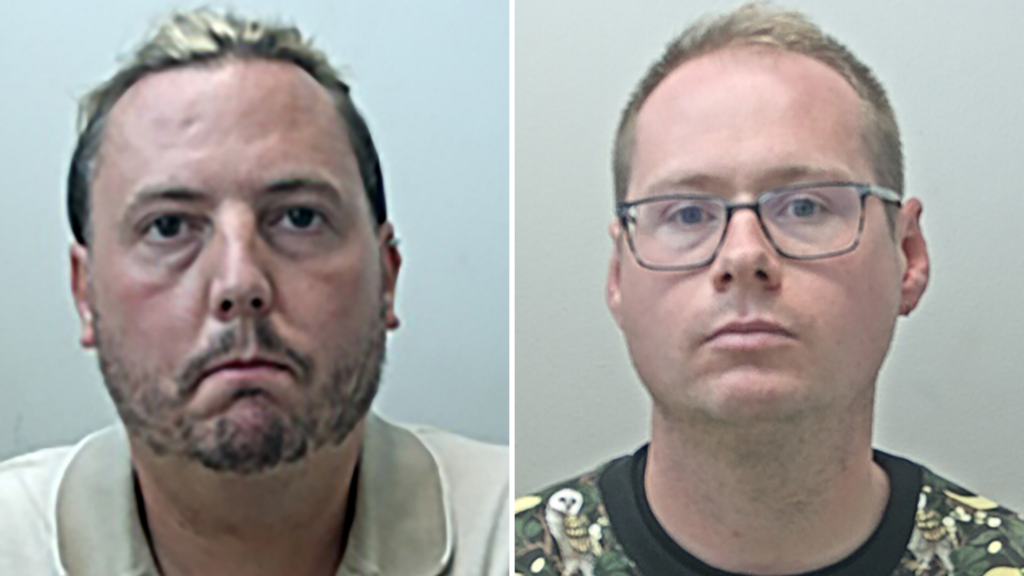
Jamie Varley was found guilty of murder following the presentation of overwhelming forensic and circumstantial evidence. The court heard that Preston had endured repeated abuse before his death.
The judge described the case as one of extreme gravity, stating that the nature of the crimes placed it among the most serious cases in criminal law. Varley was sentenced to a whole life order, meaning he will never be released except in exceptional circumstances.
His partner, John McGowan-Fazakerley, was also convicted of related offences, including child cruelty and allowing the death of a child, and received a lengthy prison sentence.
Family Testimonies and Emotional Impact
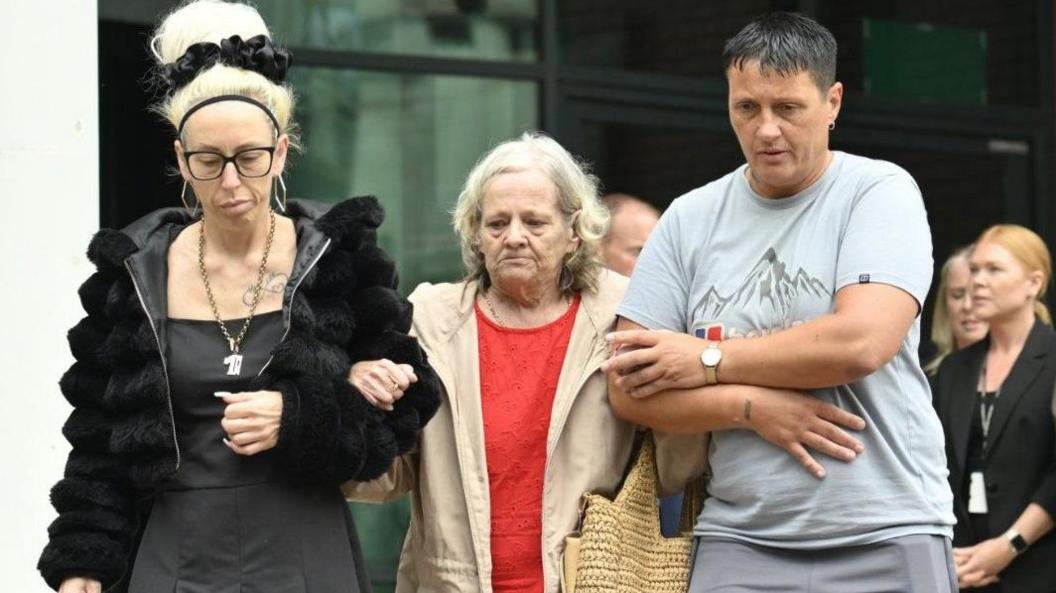
During sentencing, Preston’s biological family delivered emotional statements that highlighted the lifelong trauma caused by his death.
His mother described living with constant grief and distress, saying she would never be able to escape the memory of what happened to her son. She spoke of a child who was once full of potential and joy, and the unbearable pain of losing him in such circumstances.
Foster carers who had previously looked after Preston also gave statements. They described him as a cheerful baby who responded warmly to care and affection. Their testimony added a painful contrast between his early life and the suffering he experienced later.
The emotional weight of the case was felt throughout the courtroom, with reports of family members breaking down during proceedings.
Safeguarding Concerns and System Failures
Following the conviction, attention shifted toward the broader child protection system. Authorities confirmed that a full safeguarding review would be conducted to examine how Preston remained in an abusive environment despite multiple warning signs.
Officials are now reviewing the roles of social services, medical professionals, and adoption agencies involved in the case. The key question being asked is how repeated injuries and hospital visits did not trigger earlier intervention.
Government representatives described the case as deeply disturbing and acknowledged that systemic improvements may be necessary to prevent similar tragedies in the future.
This review is expected to examine communication gaps between agencies, decision-making processes, and risk assessment procedures.
Wider Implications for Child Protection
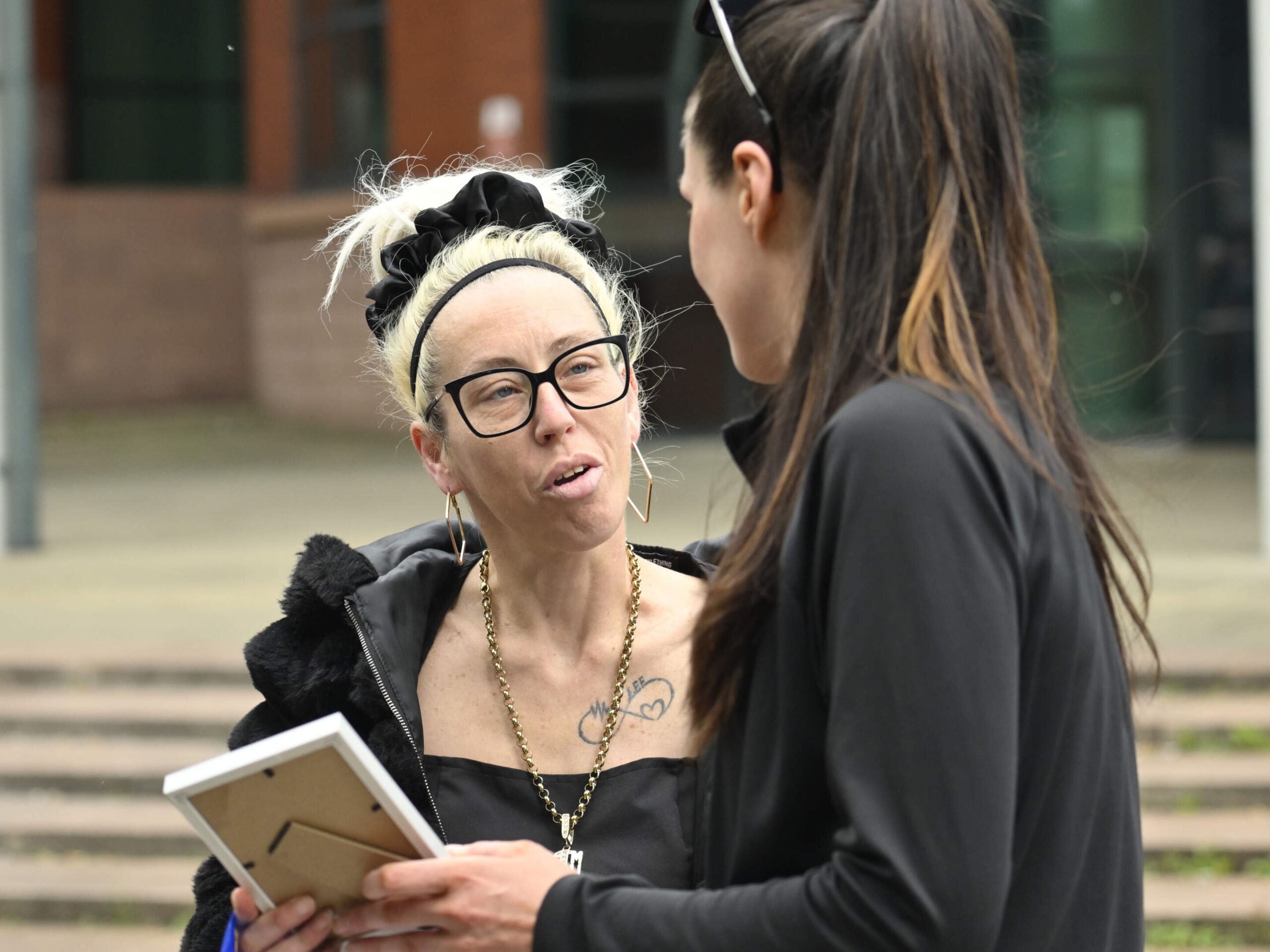
The murder of Preston Davey has become one of the most disturbing child protection cases in recent UK memory. It highlights how vulnerable children depend entirely on adult systems designed to protect them, and how failures in those systems can have fatal consequences.
Experts suggest that the case may lead to stricter monitoring of adopted children with early medical histories, as well as improved coordination between hospitals and social services when repeated injuries are identified.
The case also raises broader questions about accountability in adoption approvals and ongoing supervision after placement.
As investigations continue, the focus remains on ensuring that lessons are learned and that no similar case is allowed to pass through the system unnoticed again.
A Case That Demands Reform
The conviction of Jamie Varley marks the end of a criminal trial but not the end of the questions raised by this tragedy. The death of Preston Davey has exposed critical gaps in safeguarding and sparked renewed calls for reform in how vulnerable children are monitored.
While justice has been delivered in court, the emotional and systemic impact of the case continues to unfold. For many, the most pressing concern now is not only punishment, but prevention.
The ongoing review will determine whether warning signs were missed or whether structural weaknesses allowed abuse to continue unchecked. What remains clear is that this case will continue to shape discussions around child protection for years to come.