
Table of Contents
- Why The New Alabama Law Is Drawing National Attention
- The Crimes That Led To Public Outrage Across Alabama
- Supporters Say Existing Punishments Are Not Enough
- Critics Warn The Law Could Face Constitutional Challenges
- Alabama Joins A Growing National Debate
- What Happens Next After The Law Takes Effect
- The Emotional Weight Behind Crimes Against Children
- The Broader Questions This Law Raises For America
Why The New Alabama Law Is Drawing National Attention
The Child Predator Death Penalty Act has become one of the most talked about criminal justice laws in the United States because it pushes legal boundaries that have long been debated in courts, political circles, and advocacy organizations.
For decades, capital punishment in the United States has primarily been reserved for murder cases. In 2008, the Supreme Court ruled in Kennedy v. Louisiana that imposing the death penalty for child rape where the victim did not die violated the Eighth Amendment’s ban on cruel and unusual punishment.
That ruling has shaped state law ever since.
Alabama lawmakers, however, believe growing public concern over child exploitation and violent abuse has changed the conversation. Supporters argue that modern society increasingly recognizes the devastating lifelong trauma suffered by young victims and that existing punishments are not severe enough to deter repeat offenders.
State Representative Matt Simpson, one of the bill’s primary sponsors, said the legislation was designed to send an unmistakable message.
“This law tells child predators that Alabama will pursue the maximum punishment available for crimes committed against our children,” Simpson said. “The destruction caused by these crimes can impact victims for the rest of their lives.”
Many conservative lawmakers across the country have praised Alabama’s move, suggesting other states could attempt similar legislation in the near future.
The Crimes That Led To Public Outrage Across Alabama
Support for stronger punishments intensified after several disturbing criminal investigations emerged throughout Alabama in recent years.
One of the most shocking cases occurred in Bibb County during 2025, when authorities arrested eight individuals accused of horrific crimes involving children reportedly held captive and abused over an extended period.
Investigators alleged that at least 10 children were victims of rape, trafficking, torture, and severe abuse. Some victims were reportedly as young as three years old.
Details from the investigation horrified residents across the state.
News coverage of the case dominated headlines for weeks, sparking emotional reactions from parents, advocacy groups, church communities, and local officials. Many residents argued that existing criminal penalties failed to reflect the severity of crimes committed against vulnerable children.
According to lawmakers backing the bill, public anger surrounding the Bibb County investigation played a major role in accelerating support for the Child Predator Death Penalty Act.
State Senator April Weaver said the law was intended to show zero tolerance toward individuals who prey on children.
“We are putting these predators on notice,” Weaver stated. “Alabama now has zero tolerance for those who abuse innocent children.”
The emotional impact of the Bibb County case continued to fuel conversations long after arrests were made, with many Alabama residents demanding tougher criminal consequences.
Supporters Say Existing Punishments Are Not Enough
Backers of the law insist the legislation is necessary because child sexual abuse can permanently destroy lives, families, and communities.
Victim advocacy organizations supporting tougher sentencing laws argue that survivors often experience years of trauma, depression, anxiety, addiction struggles, and emotional instability long after abuse occurs.
Some survivors never fully recover.
Supporters also point to repeat offender statistics involving sexual crimes against children. They argue that dangerous predators frequently continue offending when released from prison, making prevention and deterrence critical priorities.
For many advocates, the death penalty is viewed not only as punishment but as a statement that crimes against children represent some of the most horrifying acts imaginable.
Several Alabama residents interviewed by local media after the bill signing said they believed predators who target young children should never have the opportunity to harm another victim again.
Others argued that the severity of abuse in certain cases justifies the harshest punishment allowed under law.
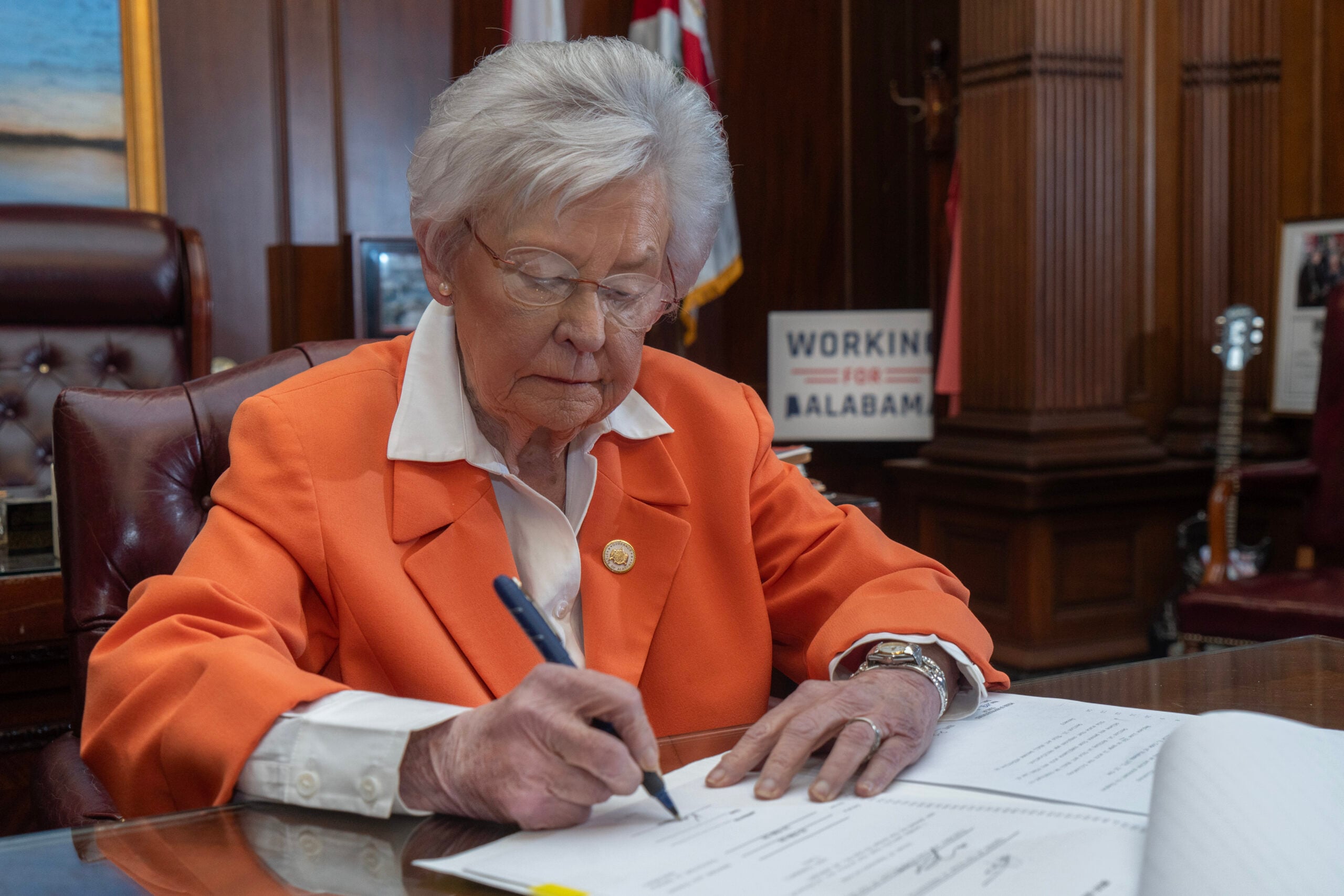
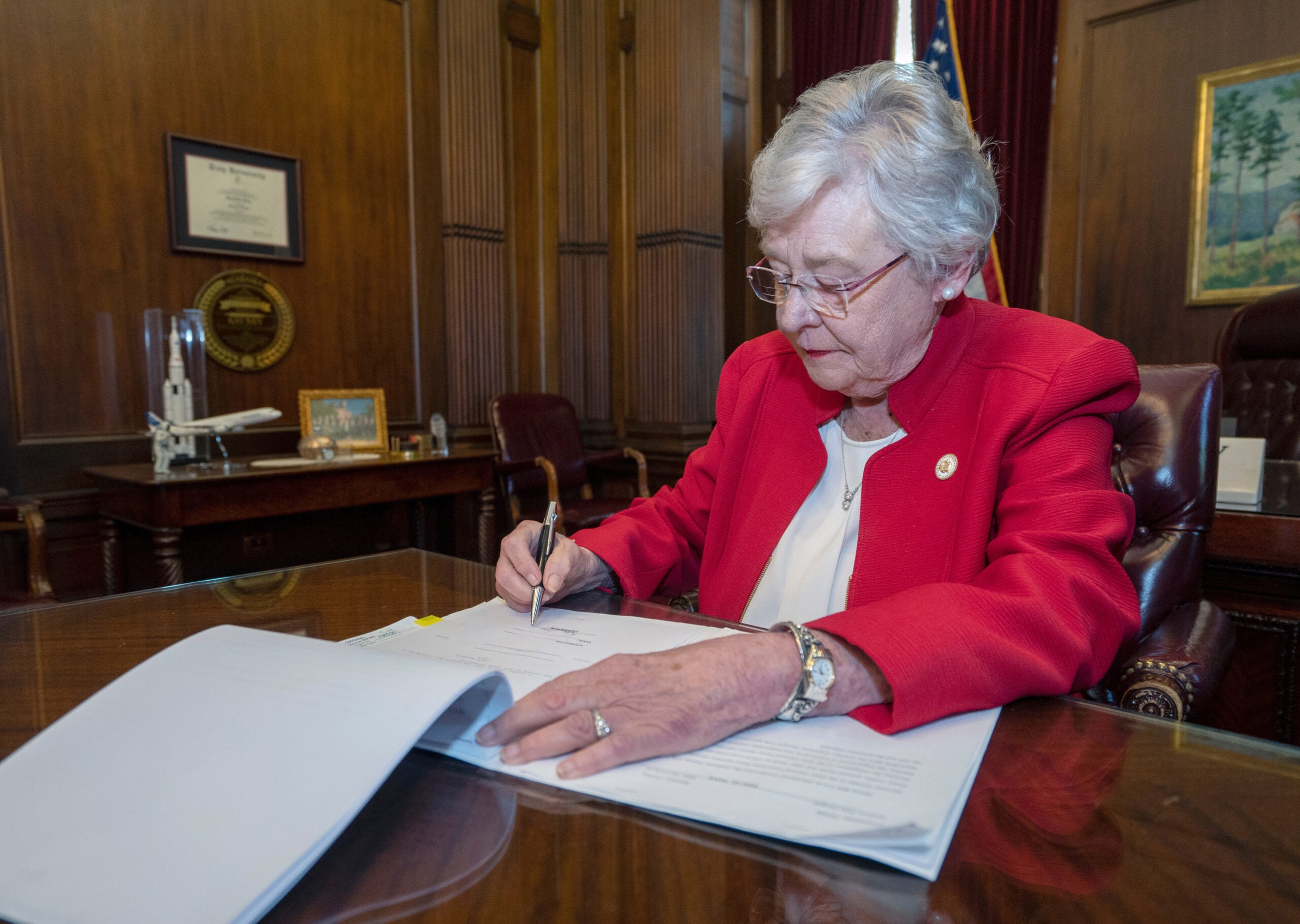
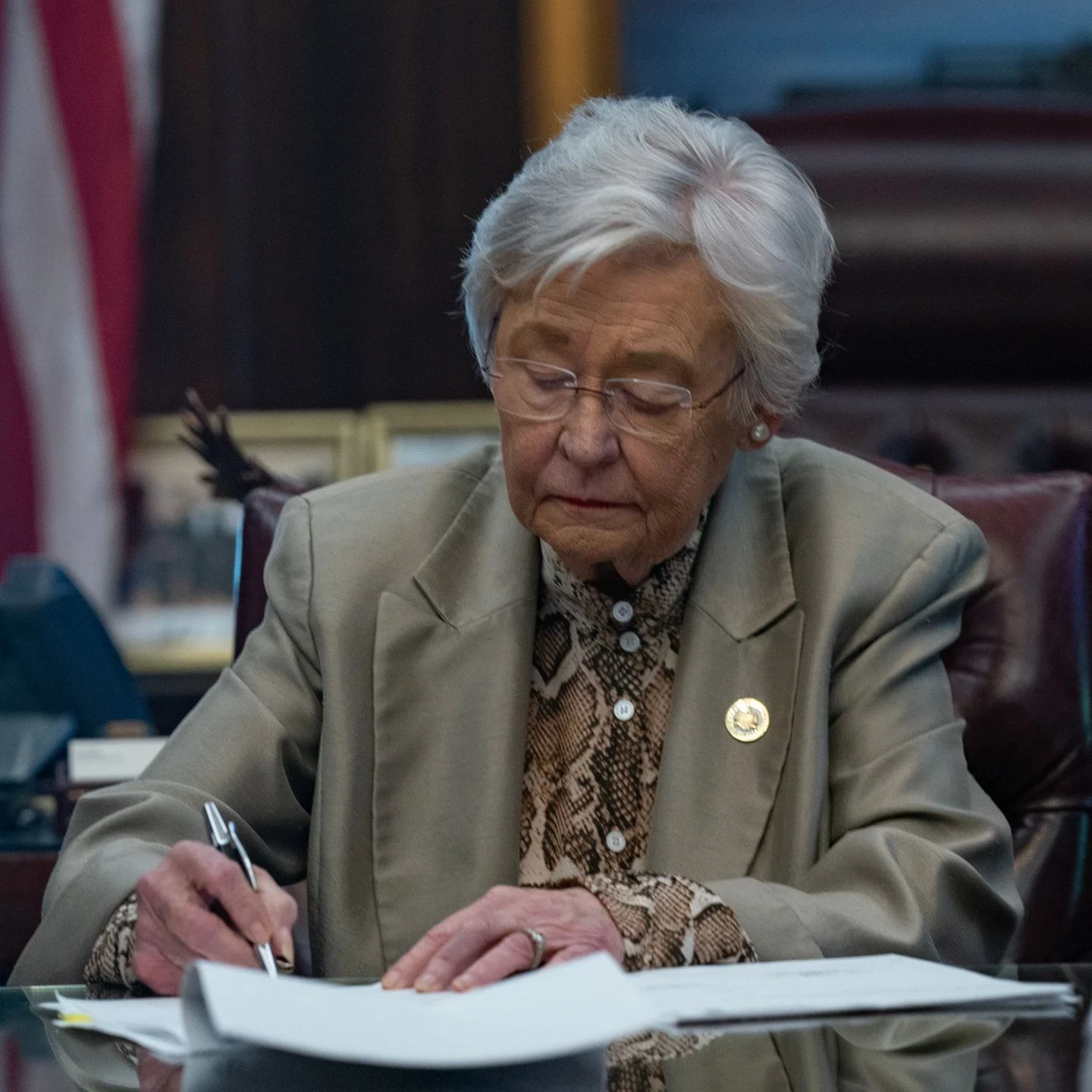
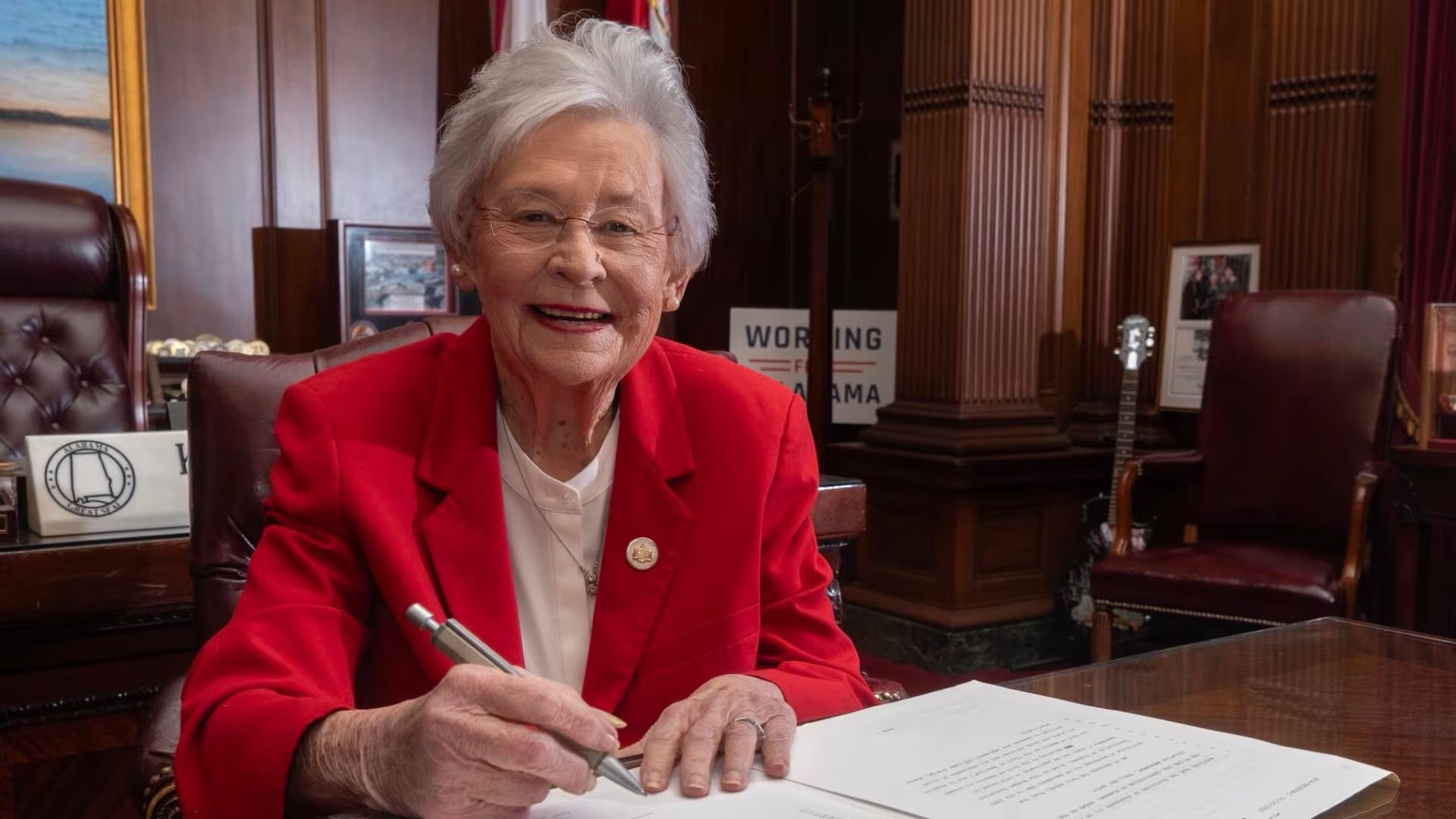
Social media reactions following the signing were intense, with many users praising Governor Ivey for taking what they viewed as decisive action to protect children.
Some called the law “long overdue.”
Others described it as “historic.”
Critics Warn The Law Could Face Constitutional Challenges
Despite widespread support among conservative lawmakers, legal scholars and civil rights groups quickly raised concerns that the law could face major constitutional obstacles.
Many experts believe the legislation will almost certainly trigger court challenges because of the Supreme Court’s 2008 ruling in Kennedy v. Louisiana.
Critics argue that regardless of the horrific nature of these crimes, the Constitution currently limits use of the death penalty in cases where victims survive.
Some constitutional attorneys believe Alabama lawmakers intentionally designed the law to challenge existing Supreme Court precedent, potentially forcing the nation’s highest court to revisit the issue in the future.
Opponents also warn about unintended consequences.
Certain advocacy groups argue that expanding capital punishment in child abuse cases could discourage reporting in situations where victims know their abuser personally or are related to them. Others fear defendants facing possible execution may become more dangerous during investigations or trials.
There are also concerns regarding wrongful convictions.
Death penalty critics frequently point to cases where individuals sentenced to death were later exonerated through DNA evidence or new testimony.
Because of those concerns, some organizations argue that life imprisonment without parole already provides severe punishment without the irreversible risks associated with executions.
Still, supporters of the Alabama law insist protecting children must come first.
Alabama Joins A Growing National Debate
The Child Predator Death Penalty Act arrives during a period of growing national debate over crime, punishment, and child safety.
Several states in recent years have introduced legislation seeking harsher penalties for crimes involving children, especially amid rising public concern about online exploitation, trafficking networks, and repeat offenders.
In some states, lawmakers have proposed chemical castration laws, mandatory life sentences, or expanded monitoring systems for convicted offenders.
Others have pushed for tougher registration requirements and broader internet surveillance powers targeting child exploitation crimes.
Alabama’s law, however, goes further than most by directly authorizing capital punishment.
The issue has become politically powerful because crimes against children generate intense emotional responses across ideological lines. Few topics produce stronger public outrage than violent crimes involving young victims.
As a result, politicians increasingly frame child protection legislation as both a legal and moral responsibility.
Supporters of Alabama’s law believe public opinion may gradually shift toward accepting harsher punishments in especially brutal abuse cases.
Critics fear the opposite, warning that emotionally driven legislation can undermine constitutional protections established through decades of legal precedent.
What Happens Next After The Law Takes Effect
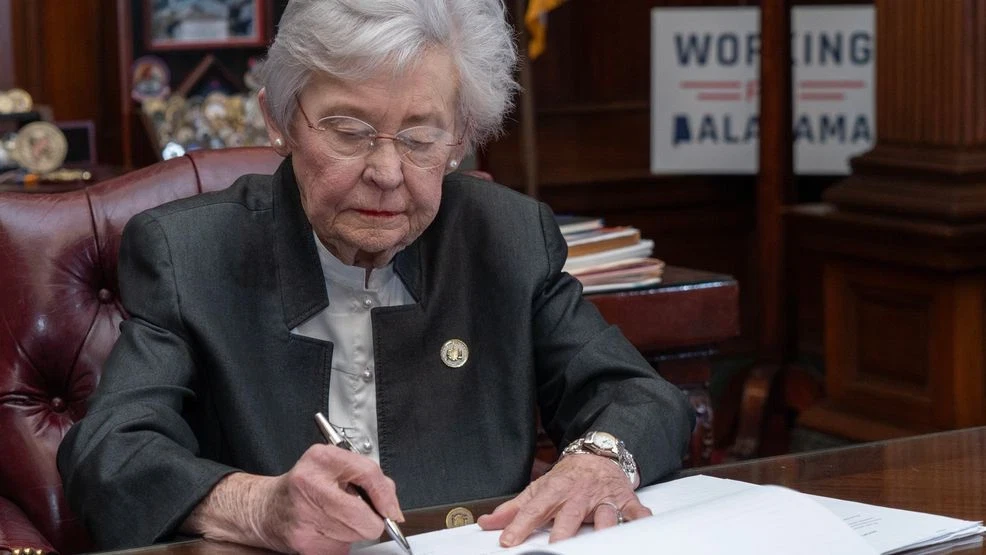
Although Governor Ivey has officially signed the legislation, the real legal battle may only be beginning.
The law becomes effective on October 1, 2026, but experts expect immediate constitutional challenges once prosecutors attempt to pursue death penalty charges under the new statute.
Those cases could eventually move through federal courts and potentially reach the Supreme Court.
Legal analysts say the outcome may depend heavily on the Court’s current composition and whether justices are willing to reconsider earlier rulings limiting capital punishment.
If the Court upholds Alabama’s law, the decision could dramatically reshape criminal sentencing across the country.
Other states could quickly introduce similar legislation.
If the law is struck down, however, it may reinforce existing constitutional limits surrounding the death penalty.
Either outcome could have national consequences far beyond Alabama.
The Emotional Weight Behind Crimes Against Children
One reason the Child Predator Death Penalty Act has generated such strong reactions is because crimes involving children strike at the deepest fears within society.
Children are viewed as the most vulnerable members of any community. Cases involving abuse often trigger feelings of anger, helplessness, grief, and outrage unlike almost any other category of crime.
Parents especially tend to react emotionally to stories involving child victims.
For many people, the idea that young children could suffer horrific abuse creates overwhelming demands for accountability and punishment.
That emotional intensity often shapes political discussions surrounding criminal justice policy.
Some experts believe lawmakers increasingly respond to public anger after high profile abuse cases by pursuing stronger penalties designed to reassure communities that authorities are taking decisive action.
Others argue that emotionally charged policymaking can sometimes create unintended legal consequences.
Still, few issues unite public outrage as strongly as violence against children.
The Broader Questions This Law Raises For America
Beyond Alabama itself, the Child Predator Death Penalty Act raises larger questions about the future of criminal punishment in the United States.
Should the death penalty remain limited mainly to murder cases?
Can severe child sexual abuse justify capital punishment because of the lifelong trauma inflicted on victims?
Should Supreme Court precedent evolve as public attitudes change?
Those questions are likely to dominate legal and political conversations in the coming years.
The law also highlights the growing tension between public demand for harsher punishment and ongoing debates about constitutional protections, human rights, and the role of capital punishment in modern America.
Some Americans view the Alabama law as necessary justice.
Others see it as a dangerous expansion of government power.
Regardless of where the debate ultimately lands, one thing is clear: the signing of the Child Predator Death Penalty Act has already become a defining moment in the national conversation surrounding child protection, criminal justice, and the limits of punishment in the United States.
As October approaches and the law officially takes effect, Alabama may soon find itself at the center of one of the most significant legal battles involving the death penalty in modern American history.