
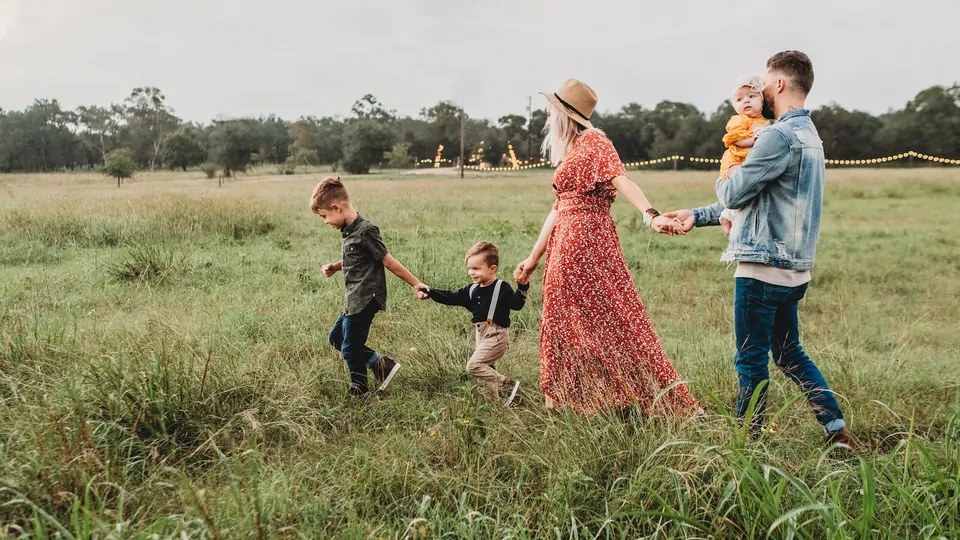
Imagine a toddler growing up surrounded by open fields, running through grass, playing with animals—and as they grow, their immune system seems … stronger. Not invincible—but better tuned.
This isn’t just nostalgia for the ‘good old days’ of farm life. A new study by APC Microbiome Ireland and University College Cork found that children raised in rural environments, with plenty of outdoor time and animal exposure, develop a more regulated immune system than their urban peers.
If you’re a parent, a homeowner thinking of renovation or travel, or simply someone interested in health and lifestyle impact—this story hits many fronts. Because it ties health, lifestyle, environment—and yes, even your home & finance together in ways you might not expect.
Table of Contents
- What the research found — and why it matters
- Beyond the lab: why this resonates with your lifestyle & wallet
- The science behind it: how environment shapes immunity
- Practical ways to bring a rural boost into any lifestyle
- What this means for long-term health finance
- Final takeaways: building resilience through environment
What the research found — and why it matters
The study focused on South African children aged 15–35 months in rural vs urban settings. Kids in rural zones, spending time outdoors and around animals, showed multiple immune-pathway developments.
Key findings:
- Rural children developed immune systems with better capacity to respond (and not over-respond) to threats.
- The biggest influencing factors were time outdoors and animal exposure, more than birth mode or income level.
- The notion of an “immunological window of opportunity” was emphasised: early childhood exposures shape lifelong immune health.
Think about it: If your child’s environment shapes their immune system so early, what about the environment you live in—your home, your neighbourhood, your lifestyle?
Beyond the lab: why this resonates with your lifestyle & wallet
Health & wellness
Better immune development doesn’t guarantee you’ll never get sick—but it improves resilience. Fewer over-reactions, less allergy risk, better adaptability. The study links rural exposures with lower risks of immune-mediated diseases.
If you’re focused on health as an investment (and yes, many advertisers pay big for that kind of keyword), this study offers something actionable: environment matters.
Home improvement & lifestyle design
If childhood outdoor time helps immune systems, then your home environment—indoor-outdoor flow, access to green space, pet-friendly yard—becomes more than aesthetics. It becomes a strategic health decision.
- Installing large windows, garden doors, or a patio that encourages children (or you!) to go outside more?
- Building a play-area, installing safe surfaces, adding pet-friendly zones?
Every dollar you spend could indirectly contribute to long-term health outcomes.
Would you spend to renovate for style—or for future-proofing health?
Travel & relocation decisions
If rural exposure boosts immune development, then where you choose to live—or spend the bulk of your time—matters.
Maybe it changes how you value a home with acreage. Maybe it shifts your travel priorities: countryside trips might matter more than exotic city breaks.
And from a financial viewpoint: homes near green space may become more desirable not just aesthetically but health-wise, influencing long-term value.
The science behind it: how environment shapes immunity
Microbe exposure and immune training
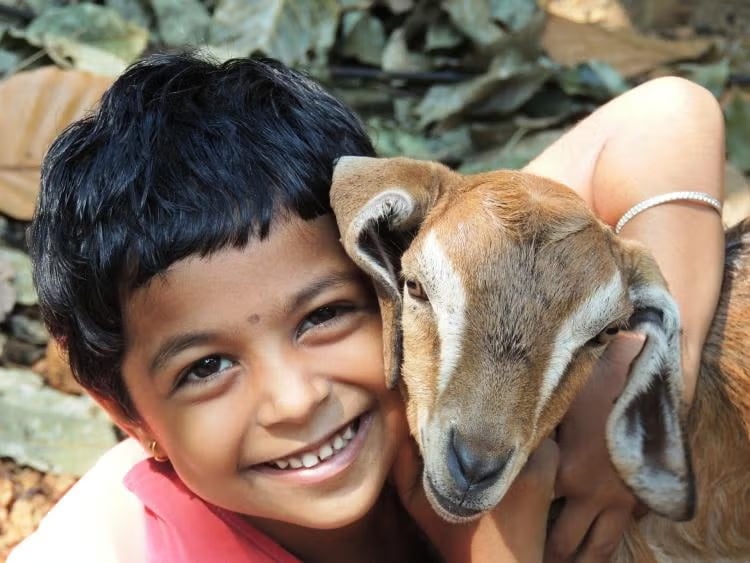
Children in rural settings encounter a wider array of microbes through animals, soil, plants, outdoor air. That exposure helps “train” the immune system to react appropriately—not too little, not too much.
Multiple immune pathways activated
The research found children in rural areas showed gene‐expression changes in immune pathways like toll-like receptor signalling, lymphocyte activation, and metabolism of immune cells.
The risk of urban living
Urban children often have less exposure to animals or soil microbes, more exposure to pollutants, more time indoors. The result? Their immune systems may not get the same “training,” potentially increasing risk of allergies or immune-mediated diseases. If modern living reduces that “immune workout,” how can parents, homeowners, and everyday adults compensate?
Practical ways to bring a rural boost into any lifestyle
Step 1: Increase outdoor time
Whether you live in a city, suburb or countryside, schedule time outside for children or yourself. Play in the yard, explore a nearby park, stay active outdoors.
Step 2: Animal exposure (safely)
Pets or safe encounters with animals help. Even interactions with domestic animals, supervised, help increase microbial variety.
Step 3: Re-design space for good health
Home improvement tips:
- Choose natural materials, open floor plans.
- Create easy indoor-outdoor flow (sliding doors, decks, patios).
- Garden or grow plants; having soil under your hands matters.
- Ventilation and clean-air systems help, especially if outdoor time is limited.
Step 4: Reduce indoor time & pollution
Time indoors is not inherently bad—but ensure you offset by going out. Limit screens, encourage play in green spaces. Improve indoor air using plants, filters, good ventilation.
Step 5: Consider your locale
If you’re relocating, look for homes near green space or countryside. The long-term immune & health benefits may influence property values nice.
If you were choosing homes today based on both resale and health, would you pick the one with access to fields and animals—or just city convenience?
What this means for long-term health finance
Investing in lifestyle and environment isn’t just feel-good—it’s smart finance. Good health lowers medical costs, reduces sick days, improves productivity and may impact insurance premiums.
If early life exposures shape immune systems and reduce risk of immune-mediated diseases, then you’re investing not just in renovation or relocation—but in a lifelong asset: health.
Would you view a deck, a pet-area or a garden as part of your health portfolio? Maybe you should.
Final takeaways: building resilience through environment
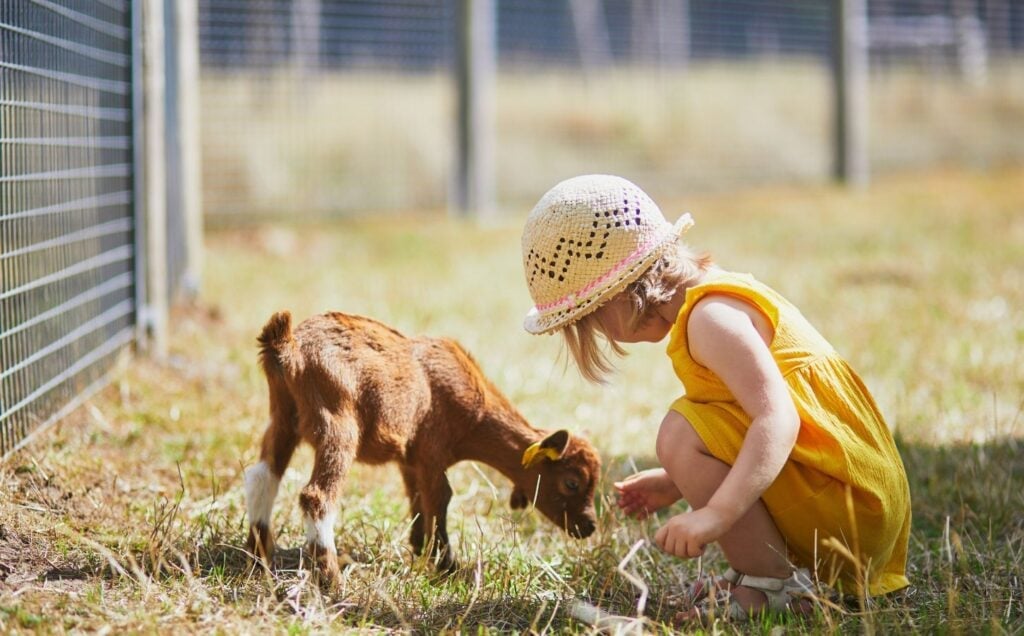
- A child playing with animals in a rural yard might be getting more than play—perhaps long-term immune benefits.
- Outdoor time and animal interaction aren’t just nice—scientific research links them to stronger, better-regulated immune systems.
- Whether you live in town or country, you can borrow from the rural template: more outdoor exposure, more natural contact, mindful home design.
- Your home, your travel choices, and your health habits are all part of one ecosystem—and they influence your immune system, your future health and even your finances.
What environment are you building—for your children, your body, your future?