
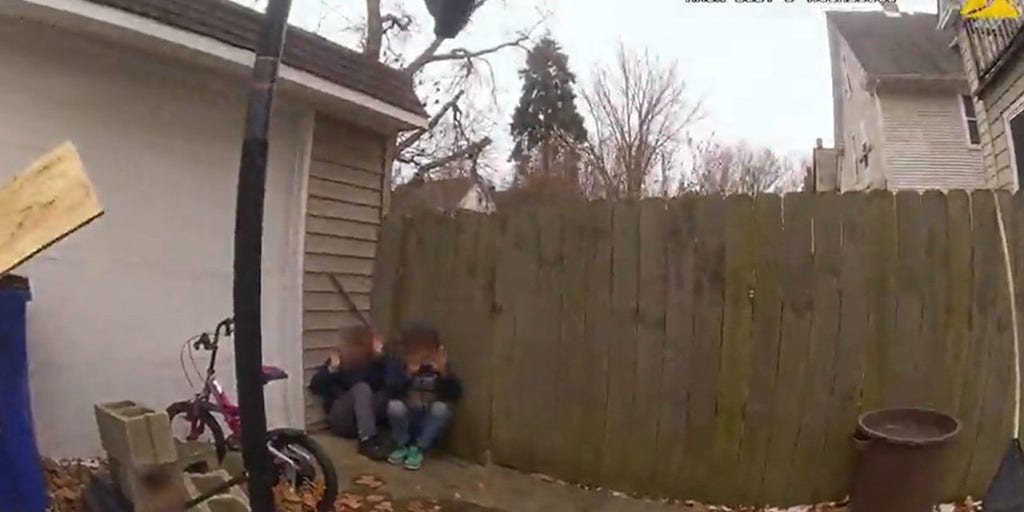
When a group of children in a suburban neighborhood stole a car and led police on a high-speed chase, the outcome was nothing short of alarming. The wild pursuit ended when the stolen vehicle crashed into a home, causing damage and leaving residents stunned. While incidents of juvenile crime are not new, this particular event raised significant concerns about the increasing involvement of young people in serious criminal activities and the risks this poses to public safety. This article delves into the shocking details of the chase, the potential factors contributing to such behavior, and what can be done to prevent similar incidents in the future.
Table of Contents
- The Shocking Incident: How it All Unfolded
- The Impact on the Community: Growing Concerns About Juvenile Crime
- Why Are Children Turning to Crime? Understanding the Factors Behind Juvenile Delinquency
- The Role of Law Enforcement: How Police Handled the Chase
- The Legal Ramifications: What Happens Next for the Children Involved?
- Preventing Future Incidents: Community and Parental Responsibility
- The Role of Education: Teaching Accountability and Consequences
- What This Incident Means for Public Safety
- Conclusion: A Call for Action on Juvenile Crime
The Shocking Incident: How it All Unfolded
The chain of events began in the early evening when a group of children, some as young as 12 years old, stole a car from a family driveway. The vehicle, which had been left running while the owner briefly went inside their home, quickly became the target of the young thieves. Without hesitation, the children jumped into the car and drove off.
The authorities were alerted almost immediately after the theft, and a police chase ensued. The children, despite being inexperienced drivers, attempted to flee at high speeds, weaving through traffic and disregarding multiple traffic laws. The pursuit escalated as the children failed to maintain control of the car, eventually leading to a collision with a home. Thankfully, the family inside the house was not injured, but the crash caused significant property damage.
The Impact on the Community: Growing Concerns About Juvenile Crime
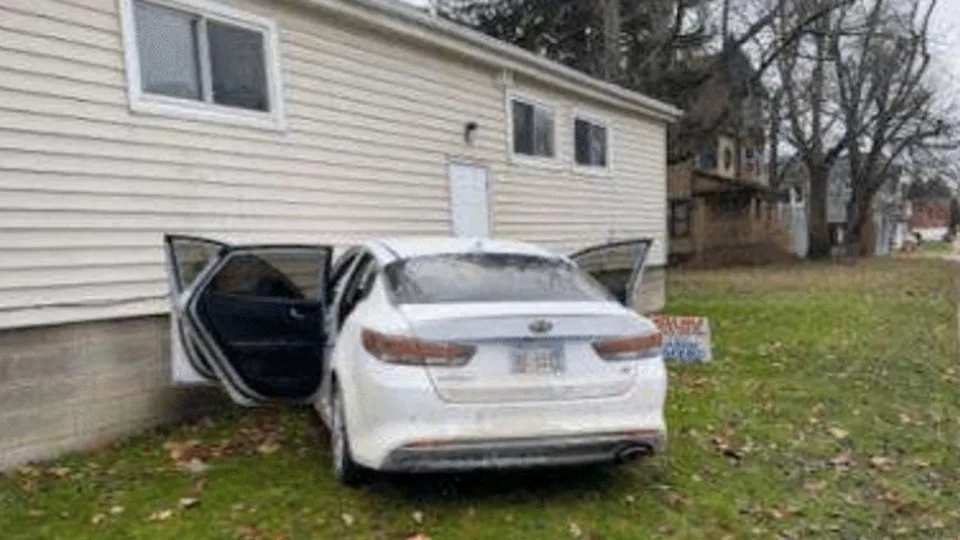
This incident has sparked outrage and concern in the community. While car theft and reckless driving are not unheard of, the fact that children were involved in such a dangerous act has drawn attention to the rising trend of juvenile crime. Experts suggest that a variety of factors may contribute to such behavior, including lack of parental supervision, exposure to violent media, and a general sense of detachment from consequences.
Juvenile crime has been on the rise in several regions, with young people committing crimes at increasingly younger ages. The case of these children stealing a car, engaging in a high-speed chase, and crashing into a home serves as a stark reminder of the importance of addressing the root causes of juvenile delinquency.
Why Are Children Turning to Crime? Understanding the Factors Behind Juvenile Delinquency
While the specific motivations behind this car theft are still unclear, it is important to examine some of the factors that may lead children to engage in criminal activities. Research shows that there is no single cause for juvenile crime, but rather a combination of factors that contribute to this behavior.
- Lack of Supervision: One of the primary factors contributing to juvenile delinquency is a lack of proper supervision at home. Many children who engage in criminal activities come from environments where parents or guardians are either absent or unable to provide appropriate guidance.
- Peer Pressure and Influence: In this particular case, it’s possible that the children involved were influenced by their peers. Peer pressure can be a powerful motivator for young people, pushing them to engage in behaviors they might not otherwise consider.
- Socioeconomic Factors: Children living in economically disadvantaged areas may feel disconnected from mainstream society and resort to criminal activities as a way of gaining attention or fulfilling unmet needs.
- Media and Entertainment: Exposure to violent media and video games has been linked to aggressive behavior in children. In some cases, children may view car chases or thefts as glamorous or exciting, further reinforcing the idea that such actions are acceptable.
The Role of Law Enforcement: How Police Handled the Chase
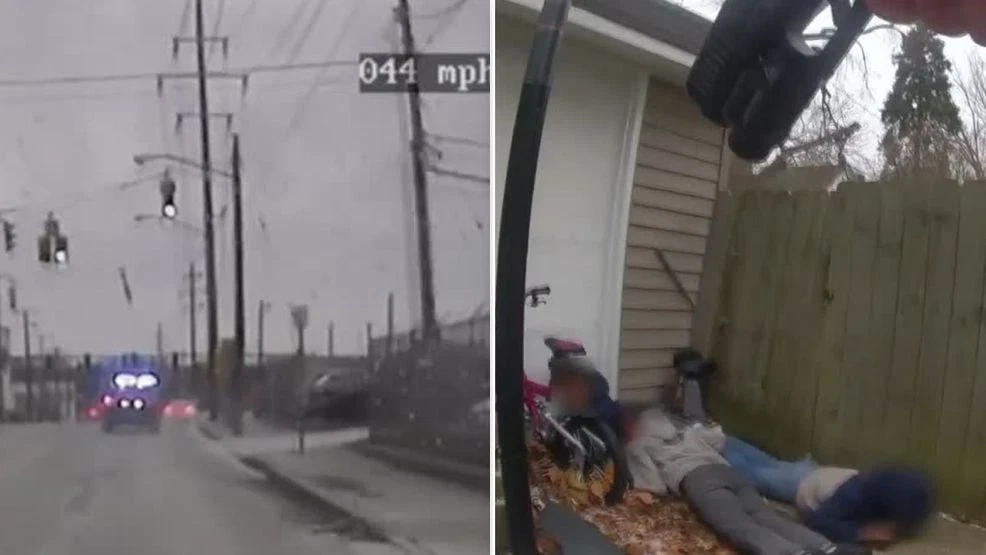
During the incident, law enforcement was quick to respond, but the pursuit proved to be dangerous. Police officers followed the stolen car, but the children’s erratic driving made it difficult to safely apprehend them. The officers had to balance the need to stop the car with ensuring the safety of the community.
In the end, the police were successful in bringing the chase to an end, but not before the car crashed into a home. This raises important questions about the safety protocols surrounding high-speed chases, especially when the suspects are minors. Many communities are now re-evaluating the policies surrounding police chases to ensure that they are conducted in the safest manner possible.
The Legal Ramifications: What Happens Next for the Children Involved?
The legal consequences for the children involved in this theft are still being determined. In many places, juveniles who commit serious crimes like car theft can face a range of consequences, from probation to juvenile detention. The legal system often takes into account the age of the offenders and the circumstances surrounding the crime, including their upbringing and history of behavior.
However, the question remains: what is the most effective way to address juvenile crime? Simply punishing young offenders may not be enough. Experts argue that a rehabilitative approach — one that includes counseling, education, and support — is more likely to yield positive results. Without intervention, children who engage in criminal behavior may continue down a path that leads to more serious crimes in the future.
Preventing Future Incidents: Community and Parental Responsibility
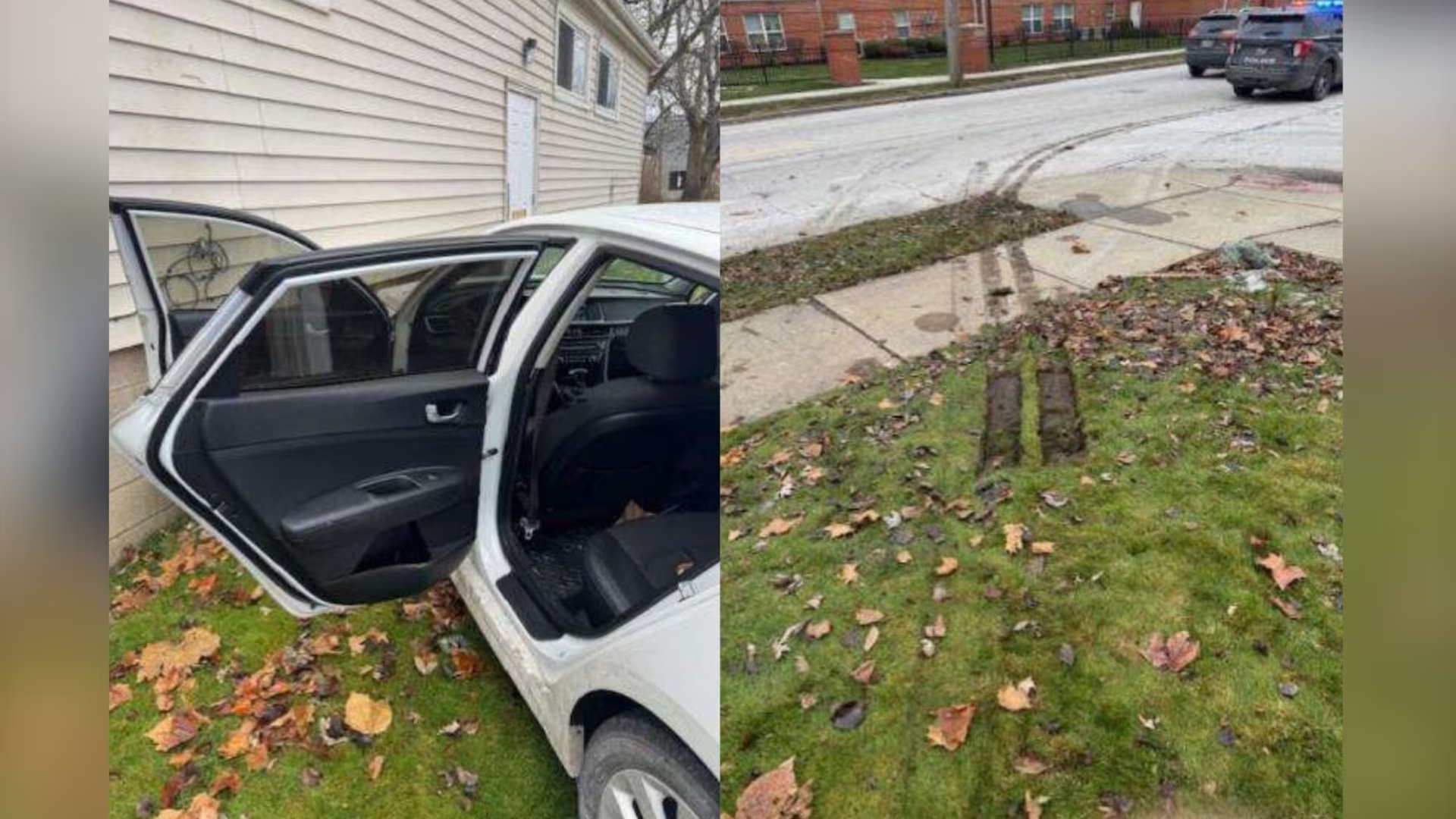
The incident of children stealing a car and leading police on a chase highlights the critical need for stronger community and parental involvement in preventing juvenile crime. Parents must be vigilant in monitoring their children’s activities and provide guidance on the consequences of criminal behavior. It’s also important for schools, community organizations, and law enforcement to work together to provide positive outlets for youth and offer programs that promote personal responsibility.
In addition, there needs to be a broader societal effort to address the underlying issues contributing to juvenile delinquency. This includes providing better resources for at-risk youth, such as after-school programs, mentorship opportunities, and mental health support.
The Role of Education: Teaching Accountability and Consequences
One of the most effective ways to prevent juvenile crime is by instilling a sense of responsibility and accountability in children at a young age. Education plays a critical role in this process. Schools should emphasize the importance of making responsible choices, respecting others, and understanding the consequences of criminal behavior. Teaching children about the real-life impact of their actions — on both themselves and others — can help deter future offenses.
Additionally, programs focused on life skills, conflict resolution, and anger management can equip children with the tools they need to handle difficult situations without resorting to criminal behavior.
What This Incident Means for Public Safety
This alarming incident has underscored the importance of ensuring public safety in our communities. While the stolen car crash was fortunately not fatal, it could have resulted in more severe consequences. This event serves as a wake-up call for communities to assess the effectiveness of their juvenile justice systems and implement measures to prevent future incidents like this one.
Public safety officials and policymakers are now reviewing strategies to reduce the number of young offenders and provide interventions that help address the root causes of delinquency.
Conclusion: A Call for Action on Juvenile Crime
The story of the children who stole a car and led police on a high-speed chase is one that raises serious concerns about the state of juvenile crime in our society. It is clear that we must do more to address the factors that lead children to engage in criminal behavior and provide support to those who are most at risk. By focusing on prevention, education, and community involvement, we can ensure that future generations are given the tools they need to make better choices and avoid criminal activity.
It’s time for a collective effort to tackle juvenile crime — one that focuses not just on punishment but on providing young people with the support and guidance they need to become responsible, law-abiding citizens.