
Table of Contents
- A Historic Shift in the Global Auto Industry
- Electric Vehicles Are Fueling the Growth
- The Power of a Complete Supply Chain
- Chinese Automakers Are Expanding Worldwide
- Europe Has Become a Major Battleground
- Building Trust Beyond China
- Australia May Soon See More Chinese EVs
- Why China’s Domestic Market Matters
- The Future of Global Automotive Competition
- A New Chapter for the Auto Industry
A Historic Shift in the Global Auto Industry
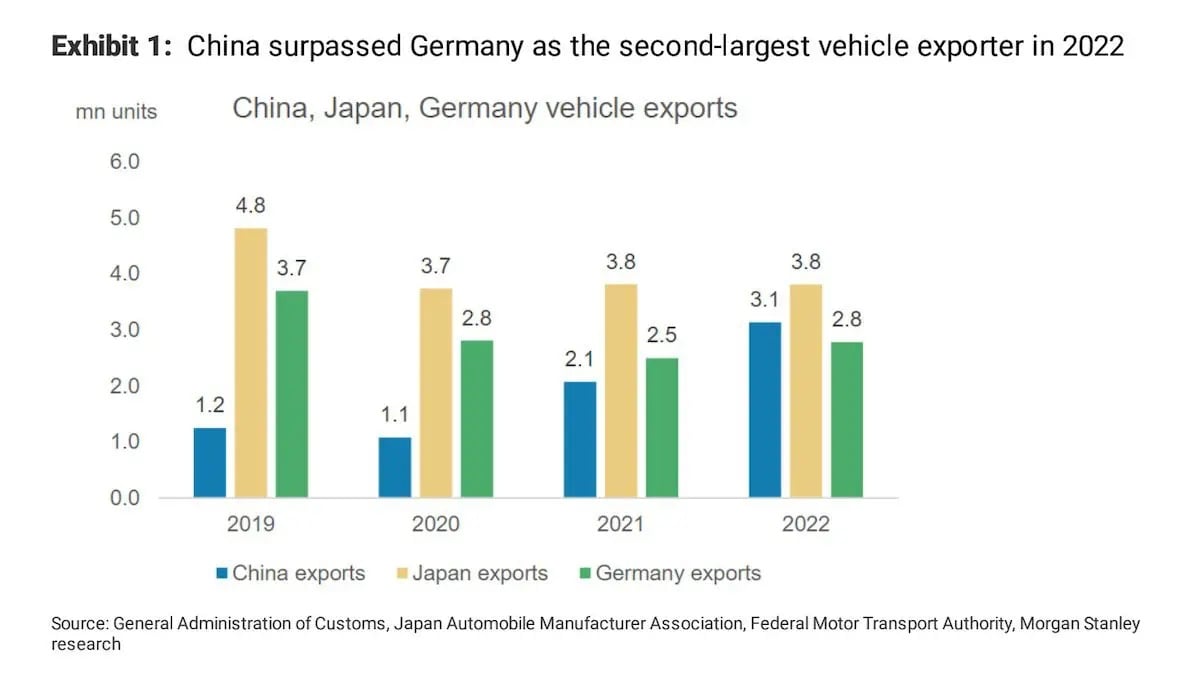
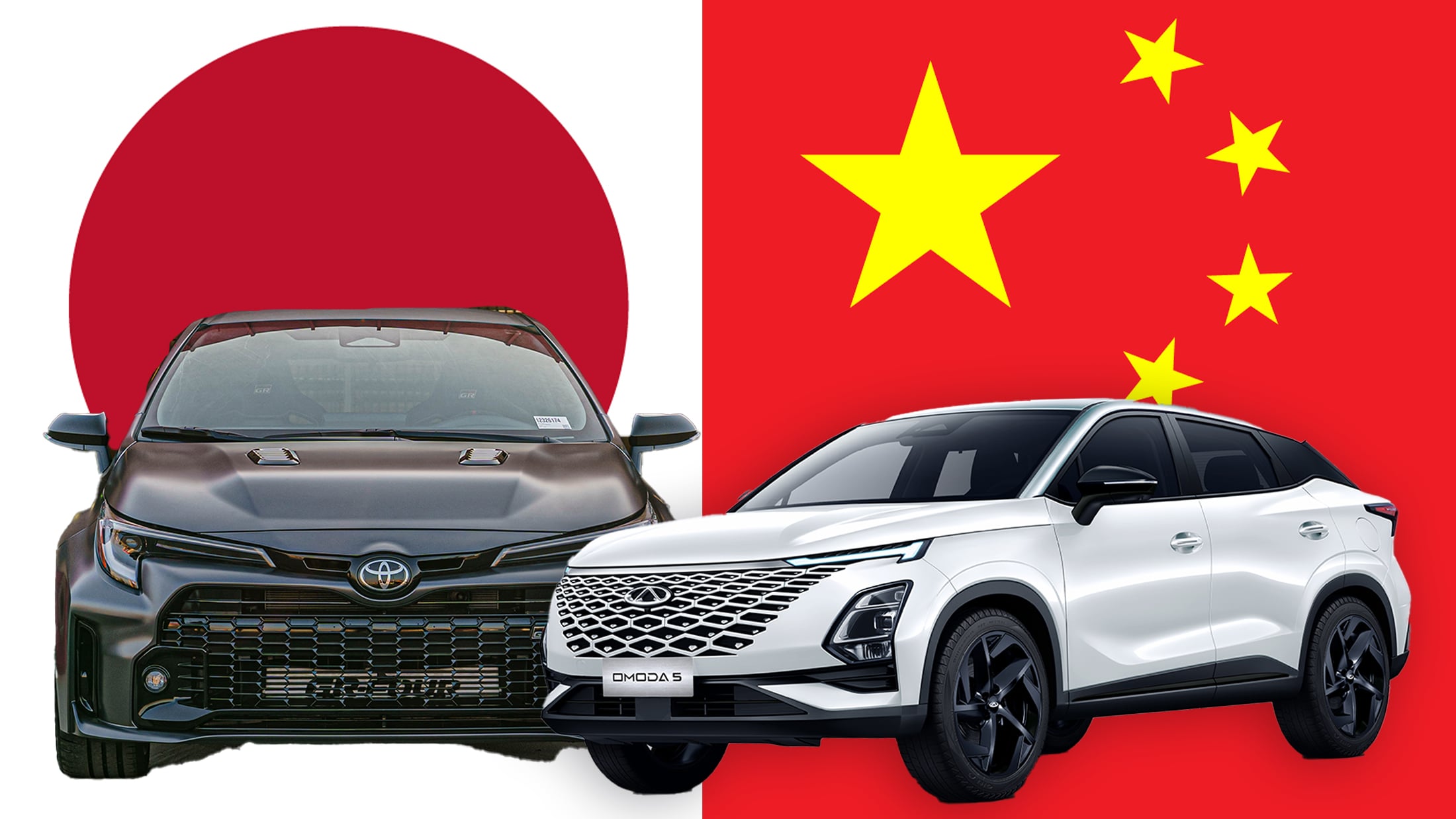
For much of the modern automotive era, Japan occupied the top position among exporting nations. Companies such as Toyota, Honda, Nissan, Mazda, and Subaru established global networks that became synonymous with dependable transportation.
Germany also maintained a strong position through premium brands that dominated luxury markets. China, meanwhile, was primarily viewed as a manufacturing hub for domestic consumption rather than a serious automotive export powerhouse.
That perception has changed dramatically.
According to industry forecasts, China’s total vehicle exports are expected to reach approximately 4.4 million vehicles in 2023. This growth follows years of investment in manufacturing infrastructure, battery technology, supply chains, and electric mobility.
The rapid rise has caught the attention of analysts around the world because it represents one of the fastest transformations ever seen within the automotive sector.
Many experts believe this shift is not temporary. Instead, it may represent the beginning of a new era in which China becomes a dominant force in global transportation.
Electric Vehicles Are Fueling the Growth
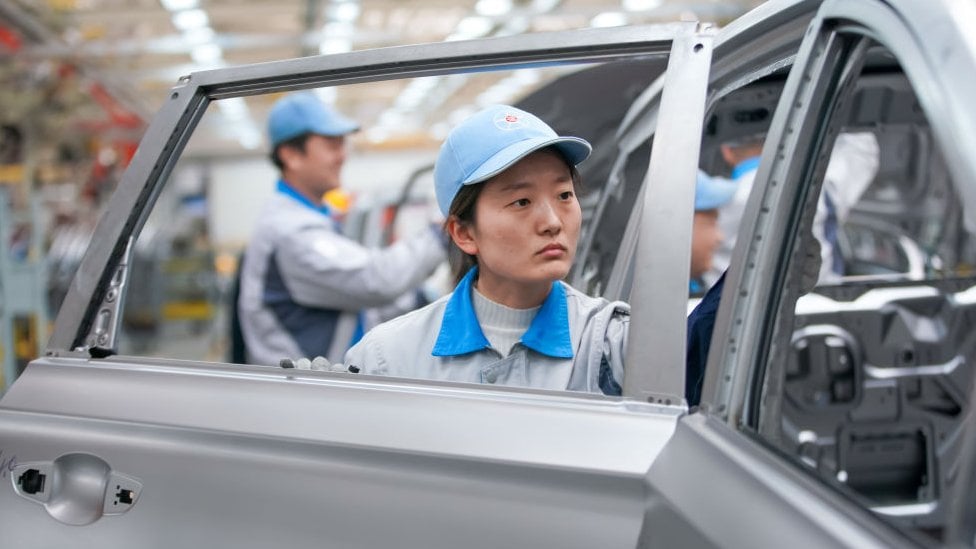
At the heart of China’s success is its electric vehicle industry.
Electric vehicle exports from China are expected to reach approximately 1.3 million units in 2023. That figure is nearly double the 679,000 electric vehicles exported during the previous year.
This explosive growth highlights how quickly demand for Chinese EVs is expanding beyond the country’s borders.
Unlike traditional gasoline-powered vehicles, electric vehicles rely heavily on battery technology, software integration, and advanced manufacturing processes. China has spent years building expertise in each of these areas.
As a result, Chinese manufacturers have been able to scale production rapidly while maintaining competitive pricing.
Electric vehicles now account for roughly 30 percent of all Chinese vehicle exports, making them one of the primary drivers behind the country’s rise to the top of global export rankings.
The significance of this trend cannot be overstated. While traditional automakers in many countries continue transitioning from internal combustion engines to electric platforms, Chinese manufacturers entered the race early and aggressively expanded their capabilities.
Today, they are beginning to reap the rewards.
The Power of a Complete Supply Chain
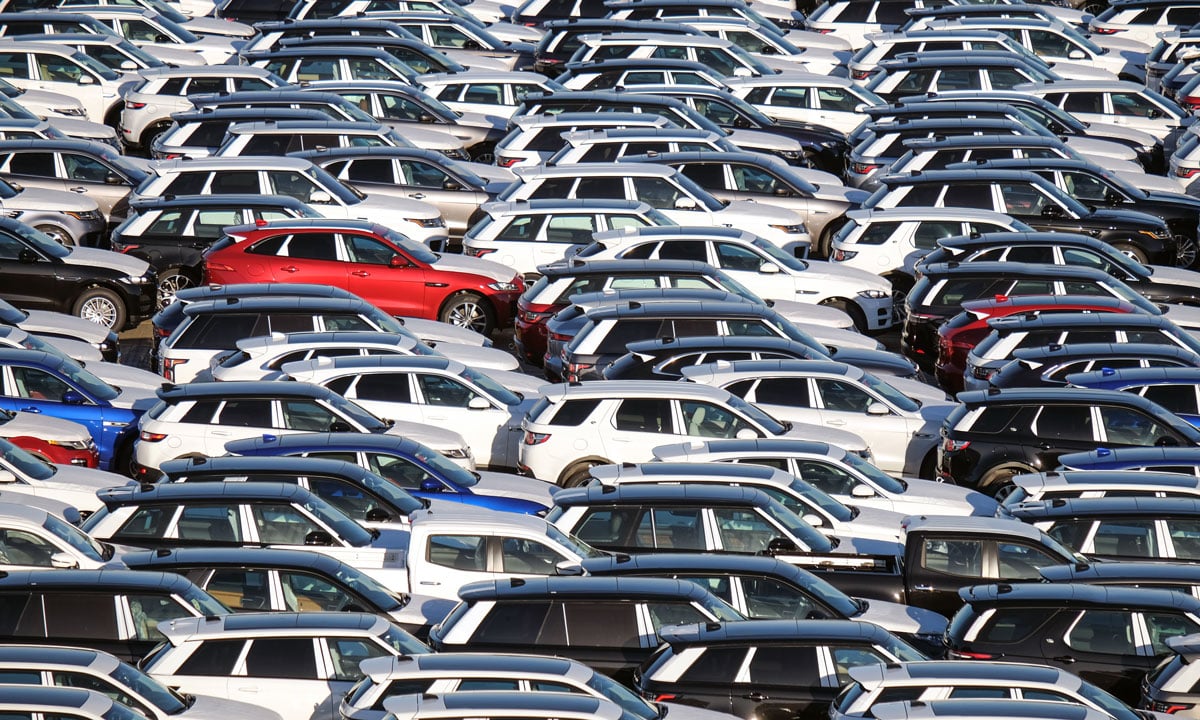
One reason China has achieved such remarkable growth is its extensive automotive supply chain.
Unlike many countries that rely heavily on imported components, China has built a highly integrated ecosystem capable of supporting nearly every stage of vehicle production.
From mining and processing critical battery materials to manufacturing batteries, semiconductors, electric motors, and finished vehicles, China controls large portions of the EV production pipeline.
This integrated approach creates significant advantages.
Manufacturers can reduce costs, improve efficiency, respond more quickly to market demands, and scale production at a pace that competitors often struggle to match.
Industry analysts frequently point to this complete supply chain as one of China’s greatest competitive strengths.
As global demand for electric vehicles continues growing, having access to reliable supplies of batteries and key materials becomes increasingly important.
China’s early investments in these areas have positioned it well ahead of many rivals.
Chinese Automakers Are Expanding Worldwide
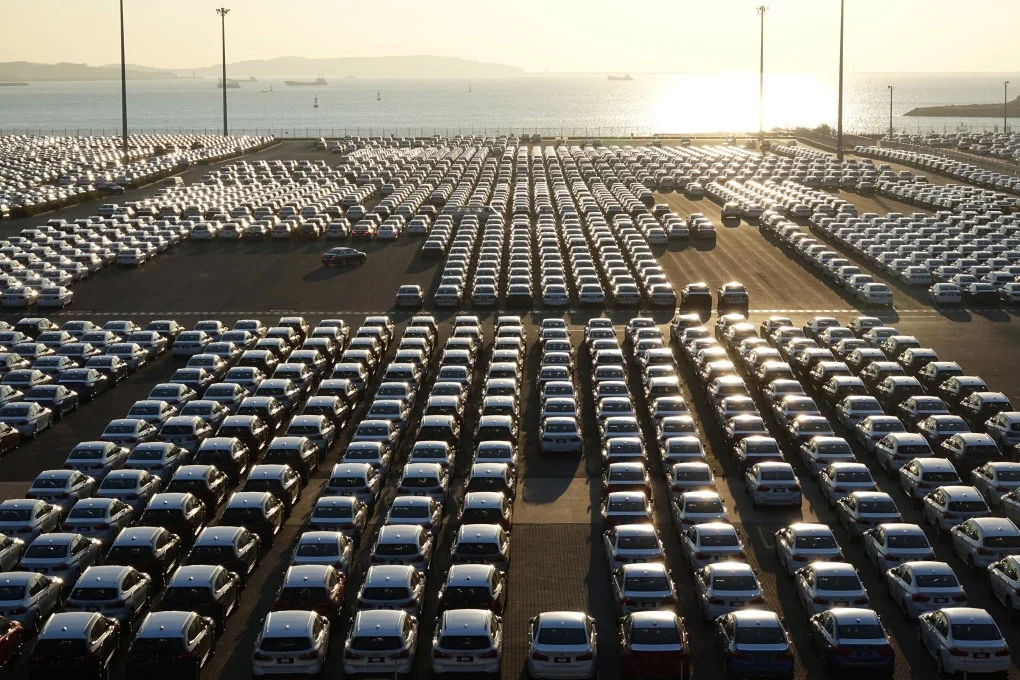
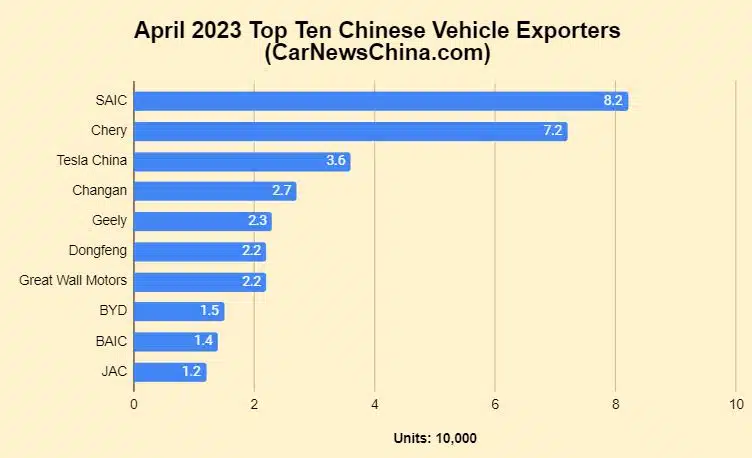
The rise of Chinese vehicle exports is not being driven by a single company. Instead, multiple manufacturers are expanding aggressively into international markets.
Brands such as BYD, Nio, Li Auto, MG, Geely, and several others are increasingly attracting attention from consumers outside China.
These companies are targeting regions where electric vehicle adoption is accelerating and where buyers are looking for alternatives to established Western and Japanese brands.
Southeast Asia has emerged as a particularly important growth market.
European countries are also becoming key targets due to strong government support for electric transportation and growing consumer interest in EV technology.
Latin America, Africa, and India represent additional opportunities where demand for affordable electric mobility is expected to increase significantly over the coming years.
As these markets expand, Chinese manufacturers are positioning themselves to capture a larger share of global sales.
Europe Has Become a Major Battleground
Among all international markets, Europe may be the most important.
Research suggests Chinese electric vehicles could account for a significant portion of total EV sales across Europe within the next few years.
This possibility has attracted attention from both industry leaders and policymakers.
European consumers have shown increasing interest in electric transportation as governments introduce stricter emissions regulations and incentives for cleaner vehicles.
Chinese automakers see this environment as an opportunity.
Many of their vehicles offer competitive features, advanced technology, and attractive pricing compared with established European brands.
However, entering Europe presents challenges as well.
Consumers in the region often have strong brand loyalty and high expectations regarding quality, safety, and reliability.
Industry experts argue that Chinese manufacturers must continue proving their vehicles can compete with the best offerings from Germany, France, Sweden, and other automotive powerhouses.
Success in Europe could become one of the most important indicators of China’s long-term automotive ambitions.
Building Trust Beyond China
While export numbers continue rising, industry observers note that international success depends on more than production capacity.
Building consumer trust remains a critical challenge.
For many years, some international buyers associated Chinese products with lower quality compared with established global brands. Although that perception has evolved significantly, overcoming outdated stereotypes remains an important objective.
Automotive analysts suggest Chinese manufacturers must focus heavily on branding, customer support, safety performance, and long-term reliability.
Consumers purchasing a vehicle are making one of the largest financial decisions of their lives. Confidence matters.
Manufacturers such as BYD and Nio have invested heavily in research, development, and quality control to address these concerns.
As more consumers gain firsthand experience with Chinese electric vehicles, industry experts believe perceptions may continue shifting in favor of these emerging brands.
Australia May Soon See More Chinese EVs
Australia represents another market attracting increasing attention from Chinese automakers.
Historically, Chinese electric vehicle exports to Australia remained relatively limited compared with Europe and parts of Asia.
However, that situation appears to be changing.
The introduction of more affordable electric vehicle models has generated considerable interest among Australian consumers seeking alternatives to rising fuel costs and expensive EV options.
One notable example was the arrival of competitively priced electric vehicles that brought EV ownership within reach of a broader segment of the population.
Industry observers expect additional Chinese manufacturers to expand their Australian presence in the coming years.
As competition increases, consumers may benefit from greater choice, lower prices, and faster adoption of electric transportation.
Australia’s growing interest in sustainability and renewable energy could further support this trend.
Why China’s Domestic Market Matters
Another factor driving export growth is changing conditions inside China itself.
China remains the world’s largest automotive market, but vehicle sales growth has begun slowing compared with previous years.
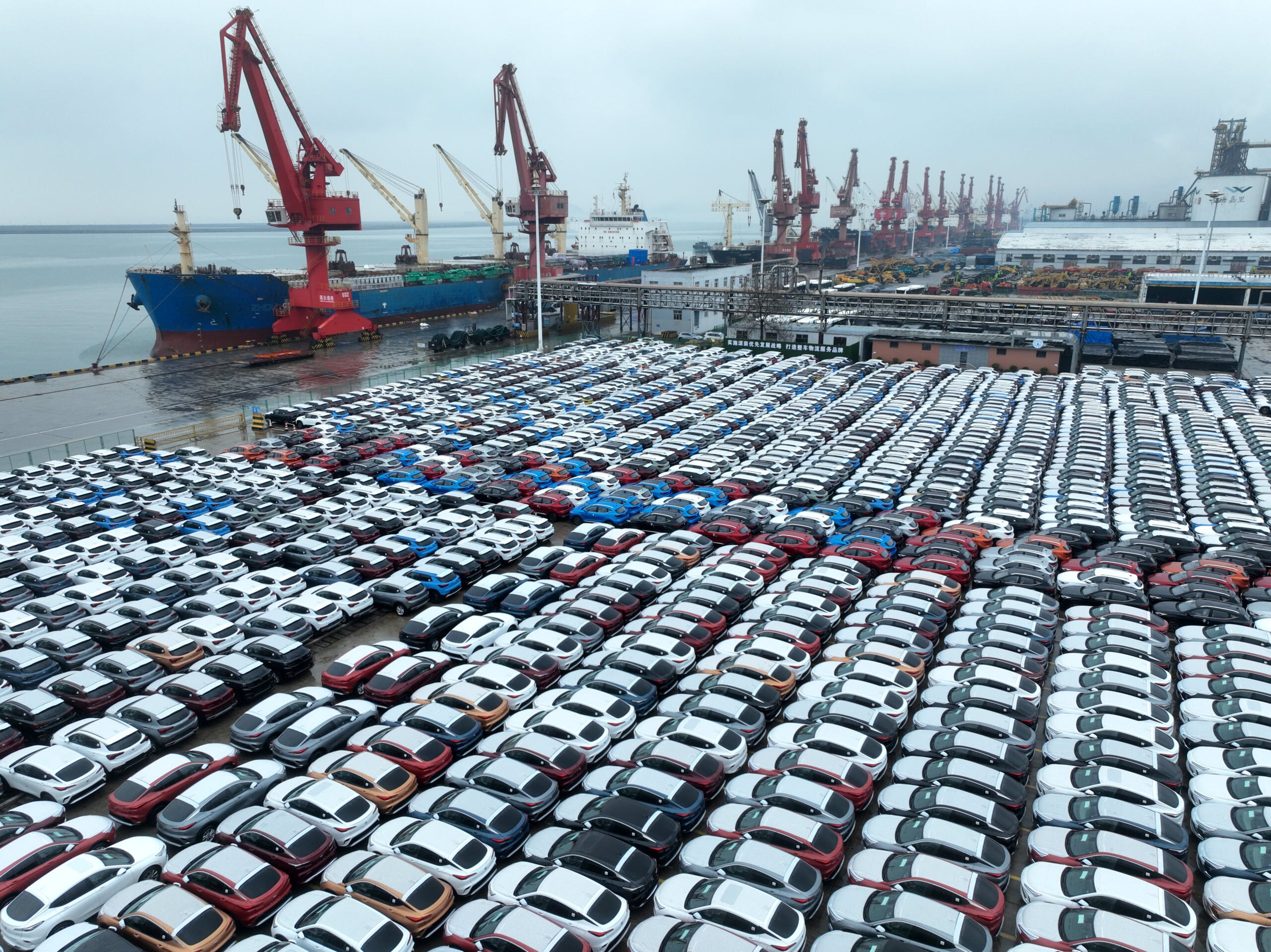
At the same time, manufacturers continue expanding production capacity at an extraordinary pace.
This creates an interesting dynamic.
As domestic demand becomes more stable, companies increasingly look overseas for growth opportunities.
Exports provide a natural solution.
Rather than reducing production, manufacturers can redirect vehicles toward international markets where demand continues expanding.
This strategy allows companies to maintain scale while spreading their influence across multiple regions.
For many Chinese automakers, global expansion is no longer an option. It has become a necessity.
The Future of Global Automotive Competition
China’s rise as a vehicle exporting powerhouse raises important questions about the future of the automotive industry.
Will traditional leaders such as Japan and Germany maintain their influence?
Can Western automakers compete effectively against lower-cost Chinese electric vehicles?
How will governments respond as competition intensifies?
The answers remain uncertain.
What is clear is that electric vehicles are fundamentally reshaping the competitive landscape.
Countries that once dominated the industry through expertise in gasoline engines now face new challenges involving batteries, software, artificial intelligence, and supply chain management.
China has established a strong position in many of these areas.
That does not guarantee permanent leadership, but it does provide significant momentum heading into the next decade.
A New Chapter for the Auto Industry
China’s expected rise to become the world’s largest car exporter represents far more than a statistical milestone. It reflects years of strategic investment, technological development, and industrial expansion that have transformed the nation into a global automotive powerhouse.
The growth of Chinese EV exports highlights how rapidly the transportation sector is changing. Electric vehicles are no longer a niche technology. They are becoming a central force shaping global trade, economic competition, and consumer behavior.
As Chinese brands continue expanding into Europe, Australia, Southeast Asia, Latin America, and beyond, the world will be watching closely to see whether this momentum can be sustained.
For consumers, the shift could mean more choices, lower prices, and faster innovation. For established automakers, it represents one of the greatest competitive challenges in modern automotive history.
One thing is becoming increasingly clear: the future of the global car industry will not simply be determined by who builds the most vehicles. It will be shaped by who leads the electric revolution, and China has positioned itself at the center of that race.