

Table of Contents
China and Russia’s Early Vaccine Rivalry
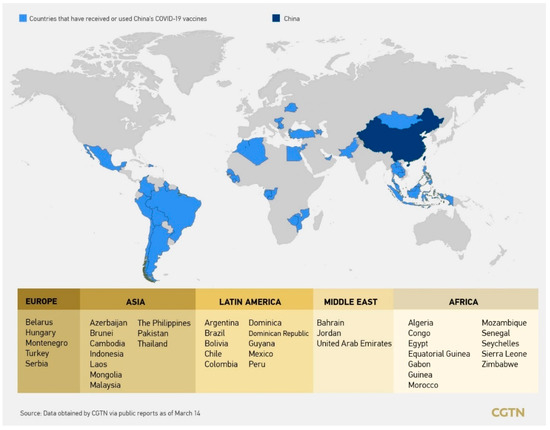
When the COVID-19 pandemic began, both China and Russia moved quickly to develop vaccines, with each country aiming to assert its influence on the global stage. China, with its advanced manufacturing capabilities and large-scale production infrastructure, was among the first to develop and deploy vaccines, including the Sinovac and Sinopharm vaccines. These vaccines were not only used domestically but were also distributed to other countries through China’s “vaccine diplomacy.”
Meanwhile, Russia, which had developed the Sputnik V vaccine, took a different approach. Russia was the first country to approve a COVID-19 vaccine, but its approval was met with skepticism in the West, due to the expedited approval process and lack of sufficient data from clinical trials. Despite this, Russia actively sought international partners, offering Sputnik V to countries in Latin America, Africa, and parts of Europe.
In the early stages of vaccine development, the two countries appeared to be in direct competition, each vying for global recognition and influence in the field of vaccine production. However, as the pandemic persisted and global vaccine needs escalated, both countries began to realize that their efforts could be more effective if they worked together, rather than against each other.
From Rivalry to Cooperation
As the pandemic continued, both China and Russia faced challenges in terms of vaccine distribution and public trust in their respective vaccines. Despite initial successes in distributing their vaccines, both countries encountered logistical and diplomatic hurdles. China’s vaccine diplomacy was criticized by some countries for being motivated by geopolitical goals, while Russia faced skepticism over the safety and efficacy of Sputnik V in international markets.
Recognizing the need for collaboration, China and Russia began to explore opportunities for joint efforts in vaccine development, production, and distribution. In early 2021, the two countries announced that they would work together on a joint vaccine project, combining their expertise and resources to address global health challenges.
This shift from competition to cooperation reflects a broader understanding of the global nature of health crises. The pandemic has highlighted the importance of international cooperation in tackling public health challenges, and both China and Russia are positioning themselves as key players in the future of global vaccine access.
Key Areas of Cooperation
The partnership between China and Russia in vaccine development and distribution focuses on several key areas:
- Joint Production of Vaccines: China and Russia have agreed to collaborate on the production of vaccines, with each country leveraging its manufacturing capabilities to meet global demand. This includes the co-production of the Sinovac and Sputnik V vaccines, which will be distributed in countries that have signed agreements with both nations.
- Research and Development: Both countries have invested heavily in vaccine research and development. By pooling their resources, China and Russia aim to accelerate the development of new vaccines and treatments for emerging diseases. This includes not only COVID-19 vaccines but also vaccines for other infectious diseases, such as influenza and tuberculosis.
- Global Vaccine Distribution: One of the most significant areas of collaboration is in the distribution of vaccines to developing countries. Both China and Russia have pledged to provide vaccines to low-income nations through various global health initiatives. This aligns with their broader foreign policy goals of strengthening relationships with countries in Africa, Latin America, and Asia.
- Diplomatic Leverage: The partnership in vaccine development has allowed both China and Russia to gain diplomatic leverage in global health forums. By providing vaccines to other countries, both nations have been able to enhance their influence in regions where they have geopolitical interests.
Geopolitical Implications of the Partnership
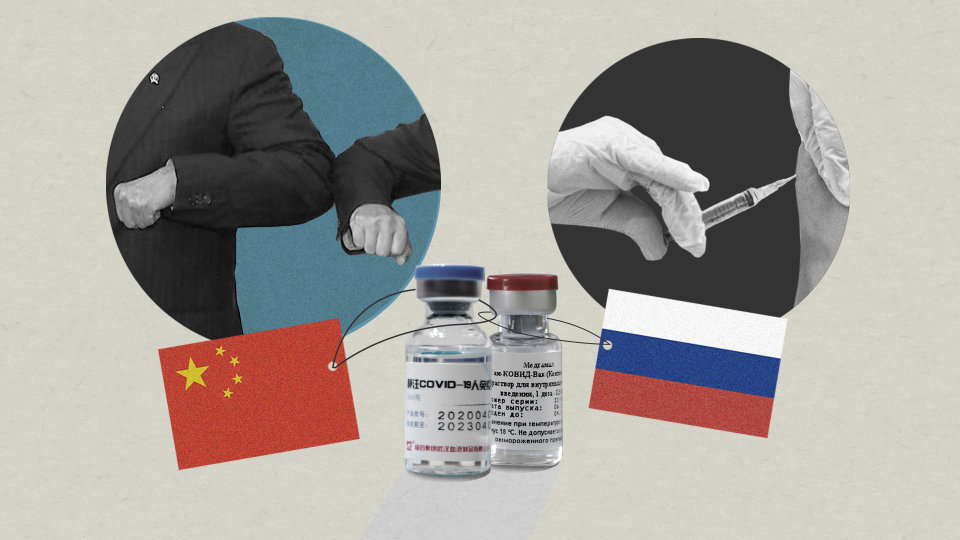
The cooperation between China and Russia in vaccine development is not only a health issue but also a geopolitical one. The two countries have long had a shared interest in counterbalancing Western influence, and their vaccine collaboration is an extension of this broader strategic alliance.
For China, the vaccine partnership with Russia is part of a broader strategy to assert its dominance in global health and strengthen its position as a leader in international public health. China’s Belt and Road Initiative (BRI), which has included the distribution of vaccines, has further cemented its role as a key player in global health diplomacy.
For Russia, the partnership with China provides an opportunity to regain its position as a global leader in scientific innovation and public health. The success of Sputnik V has allowed Russia to assert itself as a reliable vaccine producer, and collaboration with China amplifies this image.
The cooperation between the two nations has implications for global power dynamics, as the U.S. and European countries, which have led global vaccine initiatives, now face competition from China and Russia in the race to supply vaccines to the developing world.
Challenges in the Partnership
Despite the growing cooperation between China and Russia, the partnership is not without its challenges. Both countries have their own distinct interests, and there are underlying tensions that could affect the future of their collaboration.
For example, China’s growing influence in international organizations and its economic power could lead to friction with Russia, which seeks to maintain its own influence in global affairs. Additionally, both countries face internal political pressures, with domestic audiences scrutinizing their handling of the pandemic and vaccine distribution.
Furthermore, the ongoing global debate about vaccine efficacy, safety, and distribution could strain the partnership. As more countries seek access to vaccines, both China and Russia will need to navigate complex diplomatic relationships with Western nations, which may be hesitant to rely on vaccines developed by non-Western countries.
The Future of China and Russia’s Vaccine Cooperation
Looking ahead, the cooperation between China and Russia in vaccine development is likely to continue to evolve. While both countries are committed to joint production and distribution, they will need to address the challenges of scaling up vaccine production, ensuring equitable access, and managing diplomatic relationships with other global powers.
The COVID-19 pandemic has shown that global health crises require international cooperation, and the partnership between China and Russia represents a new model of collaboration in the face of future pandemics. As new diseases emerge, the ability of China and Russia to continue working together on vaccine development will be critical in shaping the future of global health.
Global Health Impact: What This Means for the Future
The partnership between China and Russia could have profound implications for global health, particularly in terms of vaccine access and distribution. The ability of both countries to produce and distribute vaccines to developing nations will help ensure that vaccines are accessible to those who need them most.
Additionally, the collaboration between China and Russia could inspire other nations to prioritize vaccine cooperation and research. The success of this partnership could set a precedent for future collaborations in the field of global health, creating a more unified response to public health crises.
Conclusion:
The evolving partnership between China and Russia in vaccine development represents a significant shift in global health dynamics. While both countries were once competitors in the race to produce COVID-19 vaccines, their growing cooperation has the potential to change the future of vaccine access and public health worldwide. The challenges and opportunities presented by this partnership will continue to unfold, but one thing is clear: international collaboration will be crucial in addressing future health crises. By working together, China and Russia are not only advancing their geopolitical interests but also contributing to the global effort to make vaccines accessible to all.