
Table of Contents
- A Breakthrough Moment in a Blocked Waterway
- Iran’s Emerging “Toll System” Changes the Rules
- Why China’s Role Is So Critical
- A Fragile Recovery in Maritime Traffic
- The Impact of U.S. Threats and Naval Pressure
- The Role of Diplomacy Behind the Scenes
- The Economic Stakes for the World
- What This Means for Future Shipping Routes
- A Moment That Reflects Global Power Dynamics
- What Happens Next Could Shape Energy Markets
- A Narrow Passage With Global Consequences
A Breakthrough Moment in a Blocked Waterway
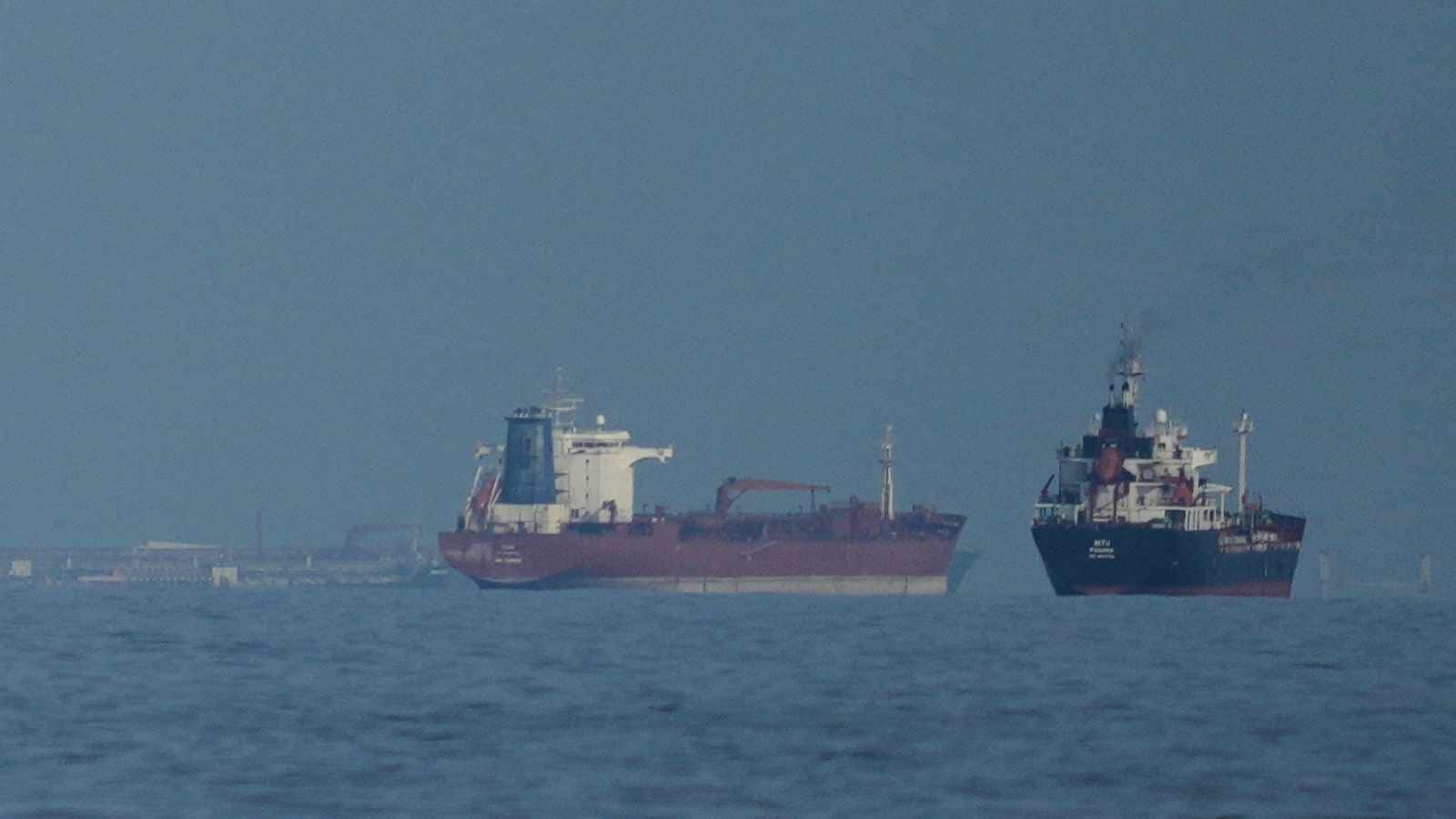
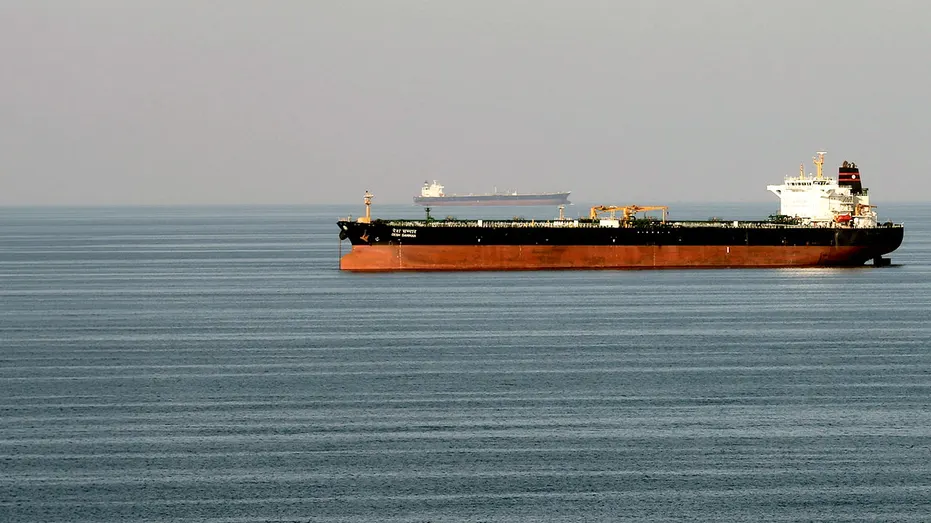
The passage of two Chinese tankers through the Strait of Hormuz marked a significant development in a region that had seen maritime traffic grind to a halt. For more than six weeks, the conflict between the United States, Israel, and Iran had severely disrupted shipping in the strait, creating uncertainty across global energy markets.
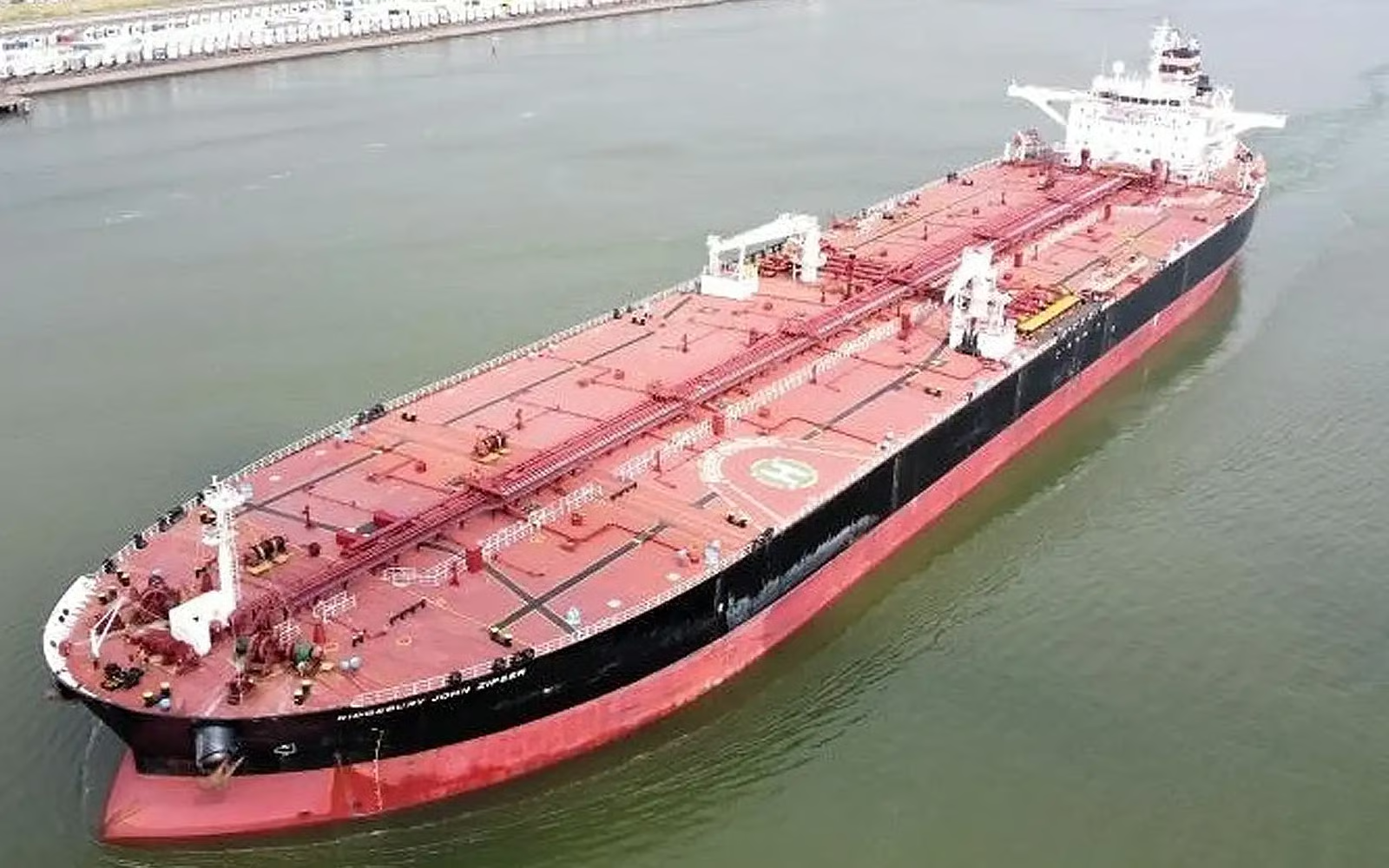
The two vessels, both owned by China COSCO Shipping Corporation, are classified as very large crude carriers, designed to transport massive quantities of oil across long distances. Their successful transit signals that, despite ongoing tensions, certain pathways are beginning to reopen.
This moment matters because of what the Strait of Hormuz represents. In peacetime, roughly one quarter of the world’s seaborne oil trade passes through this narrow corridor. Any disruption here has immediate ripple effects on global energy supply, prices, and economic stability.
Iran’s Emerging “Toll System” Changes the Rules

One of the most striking aspects of this development is the system under which these ships were allowed to pass. Iran has effectively introduced what observers describe as a “tollbooth” mechanism.
Under this system, commercial vessels are screened and vetted before being permitted to transit through the strait. This creates a controlled flow of traffic, allowing Iran to regulate which ships can pass while maintaining leverage over the route.
This approach represents a shift from outright closure to selective access. It allows Iran to demonstrate control over the waterway while avoiding the full economic consequences of a prolonged blockade.
For shipping companies and governments, this introduces a new layer of complexity. Access is no longer guaranteed, but conditional, dependent on approval from Iranian authorities.
Why China’s Role Is So Critical

China’s involvement in this situation is not incidental. The country relies heavily on oil imports that pass through the Strait of Hormuz, with roughly 40 percent of its supply linked to this route.
This dependence makes China particularly vulnerable to disruptions in the region. While the country has taken steps to diversify its energy sources and build strategic reserves, a prolonged closure of the strait would still have significant economic consequences.
The successful passage of Chinese tankers therefore carries symbolic and practical importance. It suggests that China is actively engaging with the situation, navigating both logistical and diplomatic challenges to secure its energy needs.
It also highlights China’s broader interest in stabilizing the region. A functioning Strait of Hormuz is essential not just for China, but for the global economy.
A Fragile Recovery in Maritime Traffic

Despite this breakthrough, the overall situation remains fragile. Shipping activity in the strait has not returned to normal levels. Reports indicate that traffic, which once averaged more than 100 vessels per day, has been severely reduced.
The passage of two tankers does not necessarily signal a full reopening. Instead, it may represent a limited and controlled resumption of activity under specific conditions.
For shipping companies, the risks remain high. Insurance costs, security concerns, and the possibility of sudden escalation all factor into decisions about whether to use the route.
This means that while the strait is not completely closed, it is far from operating as it did before the conflict.
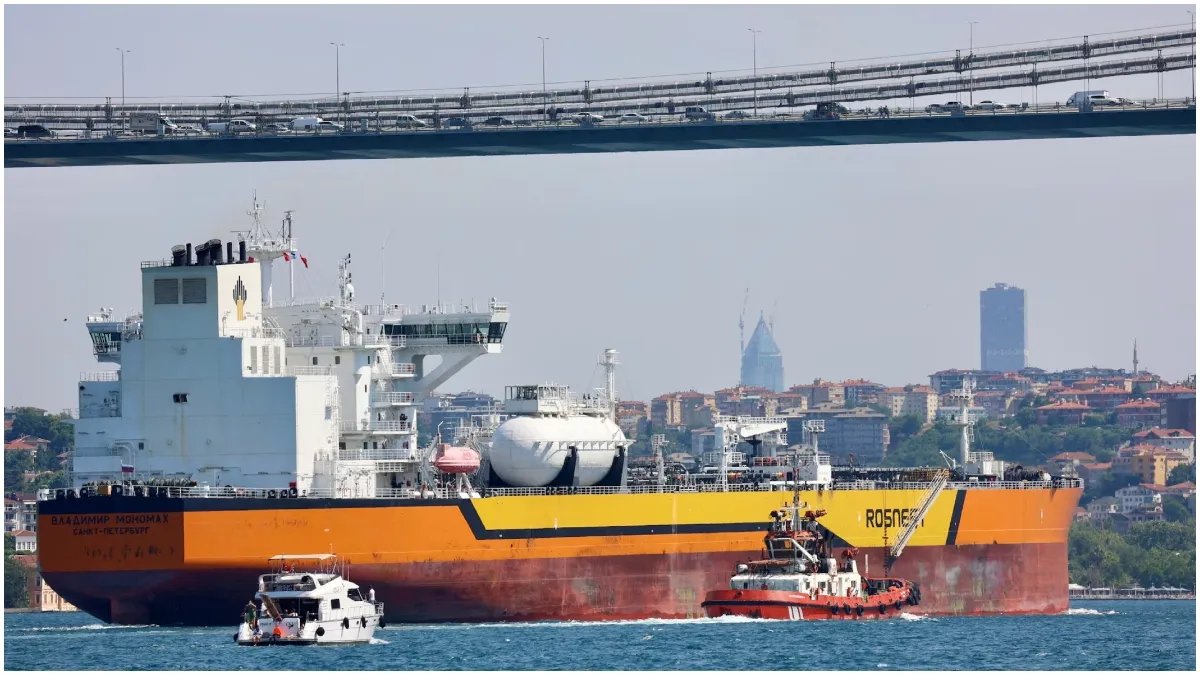
Adding to the uncertainty are recent statements from U.S. leadership. President Donald Trump has threatened a naval blockade aimed at halting trade with Iran, including its oil exports.
Such a move would have far reaching consequences. It could further restrict shipping in the region and increase tensions between major powers.
At the same time, reports suggest that efforts to enforce such a blockade have faced challenges, with some vessels continuing to pass through the strait despite restrictions.
This creates a complex and unpredictable environment. On one hand, there are attempts to tighten control over maritime trade. On the other, there are signs that these controls are not absolute.
The Role of Diplomacy Behind the Scenes
While military and economic pressures dominate headlines, diplomatic efforts continue in the background. China has played a role in encouraging negotiations aimed at de-escalating the conflict.
Recent initiatives, including a Pakistan mediated ceasefire proposal, highlight the importance of diplomatic channels in managing the crisis. Although some of these efforts have stalled, they demonstrate that multiple actors are working to prevent further escalation.
China’s position is particularly significant. As a major economic power with strong ties to both energy markets and global trade, it has a vested interest in maintaining stability.
Its involvement suggests that the resolution of this crisis will likely involve not just regional players, but global stakeholders.
The Economic Stakes for the World

The Strait of Hormuz is not just a regional concern. It is a global economic artery. Disruptions here affect oil prices, supply chains, and the broader economy.
Industries such as aviation, shipping, and manufacturing are particularly sensitive to changes in energy availability and cost. For countries that rely heavily on imported oil, the stakes are even higher.
China’s petrochemical sector, transportation networks, and heavy industries all depend on stable energy supplies. This makes the current situation more than a geopolitical issue. It is an economic one.
The passage of tankers through the strait offers a glimpse of relief, but it does not eliminate the underlying risks.
What This Means for Future Shipping Routes
The events unfolding in the Strait of Hormuz may also influence how countries and companies think about energy transportation in the future.
Diversification of routes, investment in alternative energy sources, and the development of overland pipelines are all potential responses to the vulnerabilities exposed by this crisis.
While such changes take time, the current situation serves as a reminder of how dependent the world remains on key chokepoints.
For now, the strait remains a central artery. But its reliability is no longer taken for granted.
A Moment That Reflects Global Power Dynamics
At its core, this story is about more than ships and oil. It is about power, control, and the balance between conflict and cooperation.
Iran’s ability to regulate access to the strait demonstrates its strategic influence, even in the face of military pressure. The United States’ attempts to impose restrictions reflect its own role in shaping global trade dynamics.
China’s actions reveal how economic interests drive engagement in complex geopolitical situations. Each player brings its own priorities, creating a landscape that is both interconnected and competitive.
What Happens Next Could Shape Energy Markets
The future of the Strait of Hormuz remains uncertain. Much will depend on the outcome of ongoing negotiations and the actions of the key players involved.
If diplomatic efforts succeed, the strait could return to more stable operations, easing pressure on global energy markets. If tensions escalate, further disruptions could occur, with wide ranging consequences.
For now, the passage of Chinese tankers offers a moment of cautious optimism. It shows that even in times of conflict, pathways can reopen.
A Narrow Passage With Global Consequences
In the end, the Strait of Hormuz remains what it has always been. A narrow passage with outsized importance.
The recent movement of Chinese tankers through its waters is a reminder of both its vulnerability and its resilience. It highlights the delicate balance between control and access, between conflict and commerce.
As the world watches what happens next, one thing is clear. What occurs in this small stretch of water will continue to shape the global economy, influence international relations, and define the limits of power in an increasingly interconnected world.