
Table of Contents
- Tech Overload: A Growing Concern in Schools
- The Decision to Curb Chromebook Use: A Turning Point
- A National Trend: Schools Rethink Tech Use
- The Impact of the COVID-19 Pandemic on Tech Use
- McPherson’s Chromebook Policy: A New Approach
- The Role of Teachers in Managing Tech Use
- Student Reactions: Embracing the Change
- Looking Beyond Chromebooks: Teaching Essential Life Skills
- The Tech-Free School Movement: A Global Trend
- The Future of Technology in Schools
Tech Overload: A Growing Concern in Schools
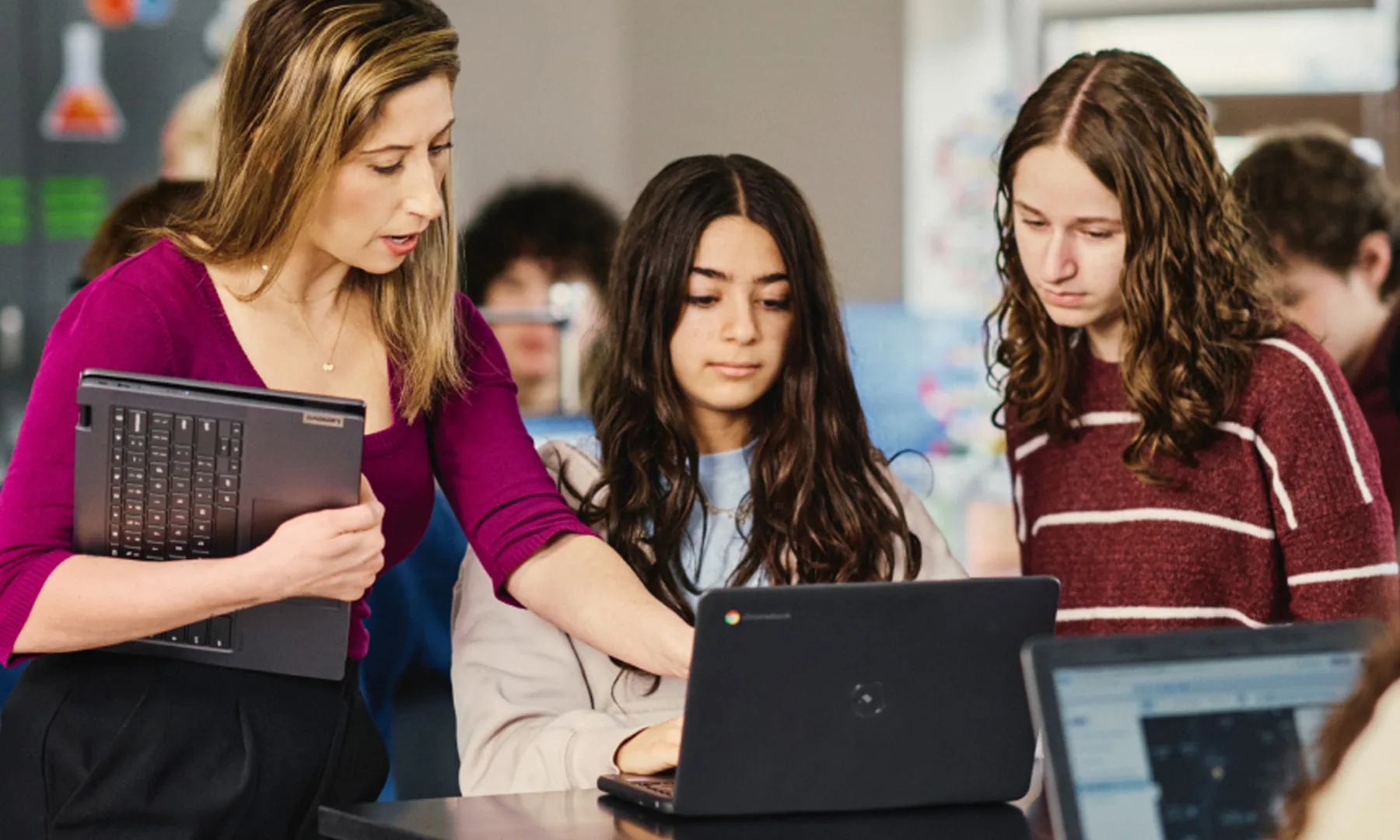
For years, Chromebooks were seen as a revolutionary tool to enhance learning. Schools across the U.S. invested billions in providing these affordable laptops to students, believing they would equalize educational opportunities and provide essential skills for the future workforce. However, over time, the enthusiasm surrounding these devices has waned. Administrators and educators have found that these laptops, while beneficial for certain tasks, have also become a source of distraction, leading students to misuse the technology for playing games, watching videos, or engaging in online bullying.
At McPherson Middle School, the initial excitement about Chromebooks soon gave way to frustration. Despite efforts to regulate screen time and ensure that the devices were used for educational purposes, students began to spend more time on YouTube or playing video games rather than focusing on their studies. In response, the administration decided to take action by limiting Chromebook use to specific classroom activities and requiring students to return their devices at the end of the day.
The Decision to Curb Chromebook Use: A Turning Point
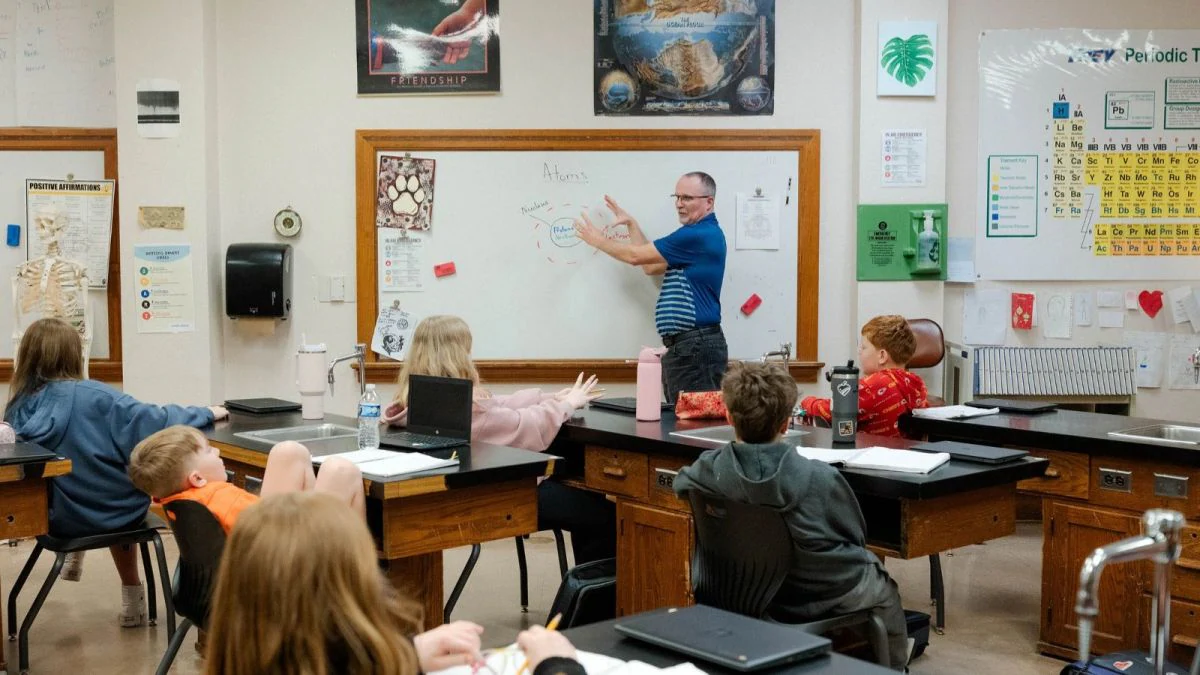
McPherson Middle School’s decision to curb Chromebook use marks a significant shift in how technology is integrated into education. Principal Esping, who was named Kansas’ 2025 middle school principal of the year, explained that the school had simply reached a point where it could no longer allow the devices to dominate the learning environment. “We just felt we couldn’t have Chromebooks be that huge distraction,” she said. “This technology can be a tool. It is not the answer to education.”
The decision to limit Chromebook use came after a year of mounting concerns from both teachers and parents about the impact of these devices on student engagement. Although Chromebooks were intended to promote independent learning, many students were using them for non-educational purposes, leading to behavioral issues and a decline in focus.
A National Trend: Schools Rethink Tech Use
McPherson’s decision is part of a broader trend across the United States, where schools are beginning to rethink the widespread use of technology in the classroom. While the initial goal was to modernize education and prepare students for a tech-driven future, many school districts are now reassessing the effectiveness of these programs. Studies have shown that, despite the heavy investment in educational technology, students’ academic results and graduation rates have not seen significant improvement. In fact, some educators and researchers have argued that excessive screen time is hindering students’ ability to engage with their teachers and peers.
Schools in North Carolina, Virginia, and Michigan, once heavy adopters of tech-focused learning, are now cutting back on the use of digital devices, especially in the early grades. For example, Kansas has introduced a bill that would restrict the use of laptops and tablets for younger students, while also requiring schools to demonstrate the safety and efficacy of the technology they use.
The Impact of the COVID-19 Pandemic on Tech Use
The coronavirus pandemic played a significant role in increasing reliance on technology in schools. As schools shifted to remote learning in 2020, Chromebooks and other digital tools became the primary method of instruction. During this period, many students were given devices to complete assignments, attend virtual classes, and participate in online activities. However, the extended screen time left many students feeling disengaged and disconnected from the physical classroom environment.
Once students returned to in-person learning, schools found themselves grappling with the unintended consequences of this tech-heavy approach. Students had become accustomed to using their Chromebooks for entertainment, and teachers found it difficult to regain students’ attention in the classroom. This shift in behavior led some schools, including McPherson Middle School, to take action and reevaluate their tech policies.
McPherson’s Chromebook Policy: A New Approach
McPherson Middle School’s decision to take back students’ Chromebooks was a radical shift in policy that many saw as counterproductive. After all, the school had been part of the national trend of one-to-one Chromebook programs. But administrators were determined to find a balance between technology and traditional learning methods. Instead of allowing students to freely use their laptops in class, they implemented a more structured approach.
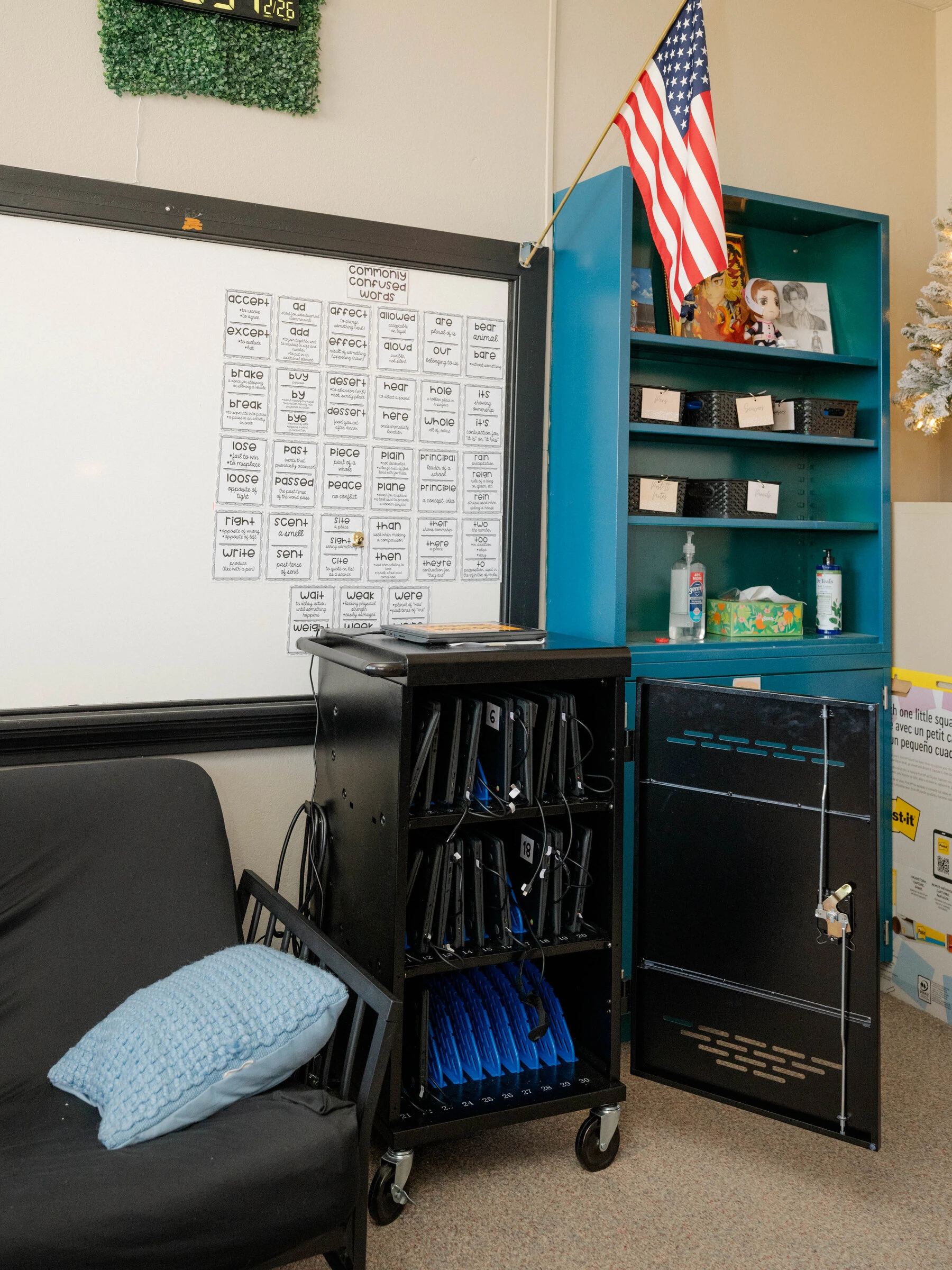
Under the new policy, Chromebooks are kept in carts and only used for specific classroom activities assigned by teachers. Students now take notes by hand and complete assignments using traditional methods, such as paper and pencils. Teachers are still able to incorporate digital tools when necessary, but the overall goal is to reduce the amount of screen time and encourage more face-to-face interactions among students.
The Role of Teachers in Managing Tech Use
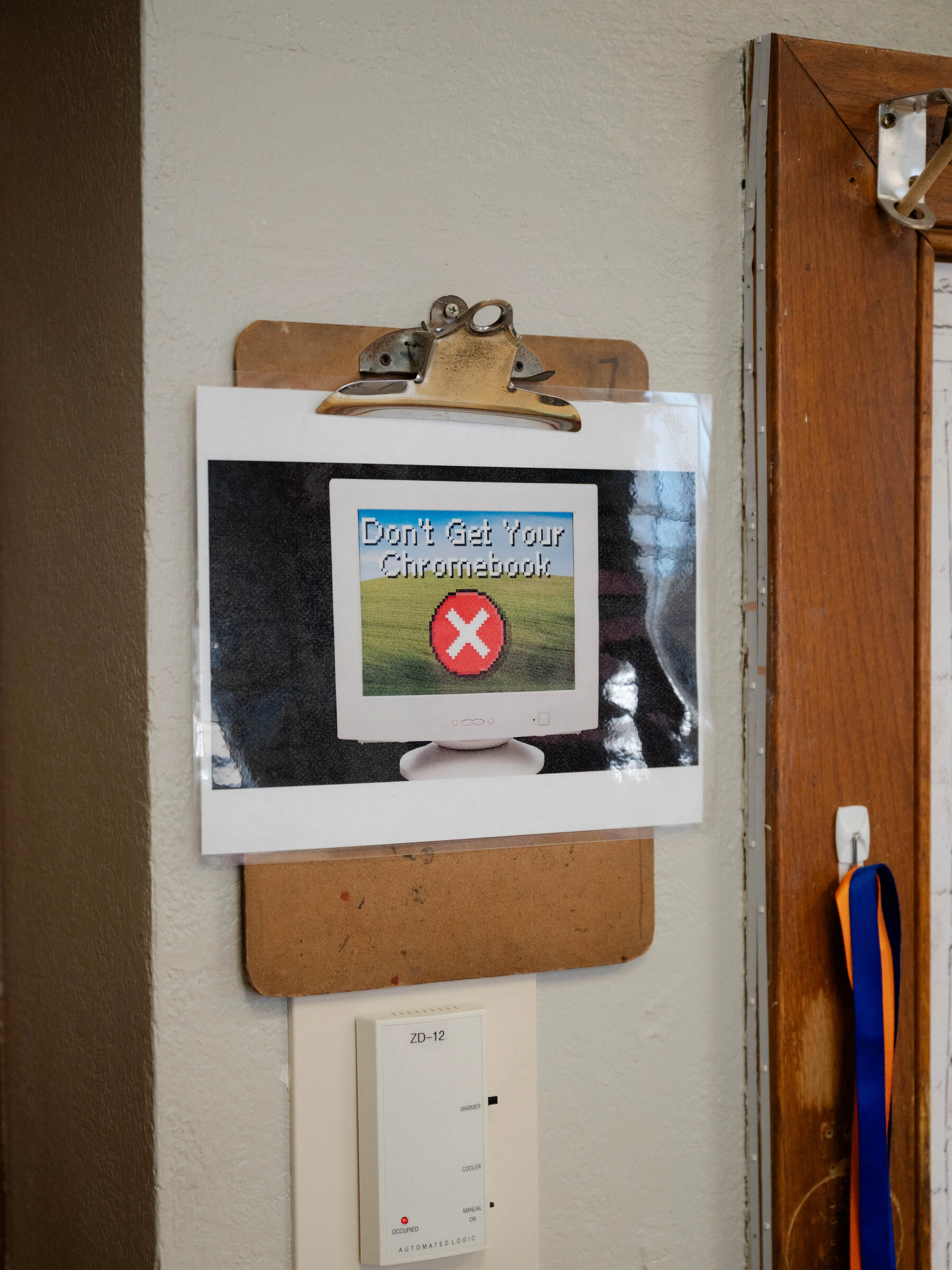
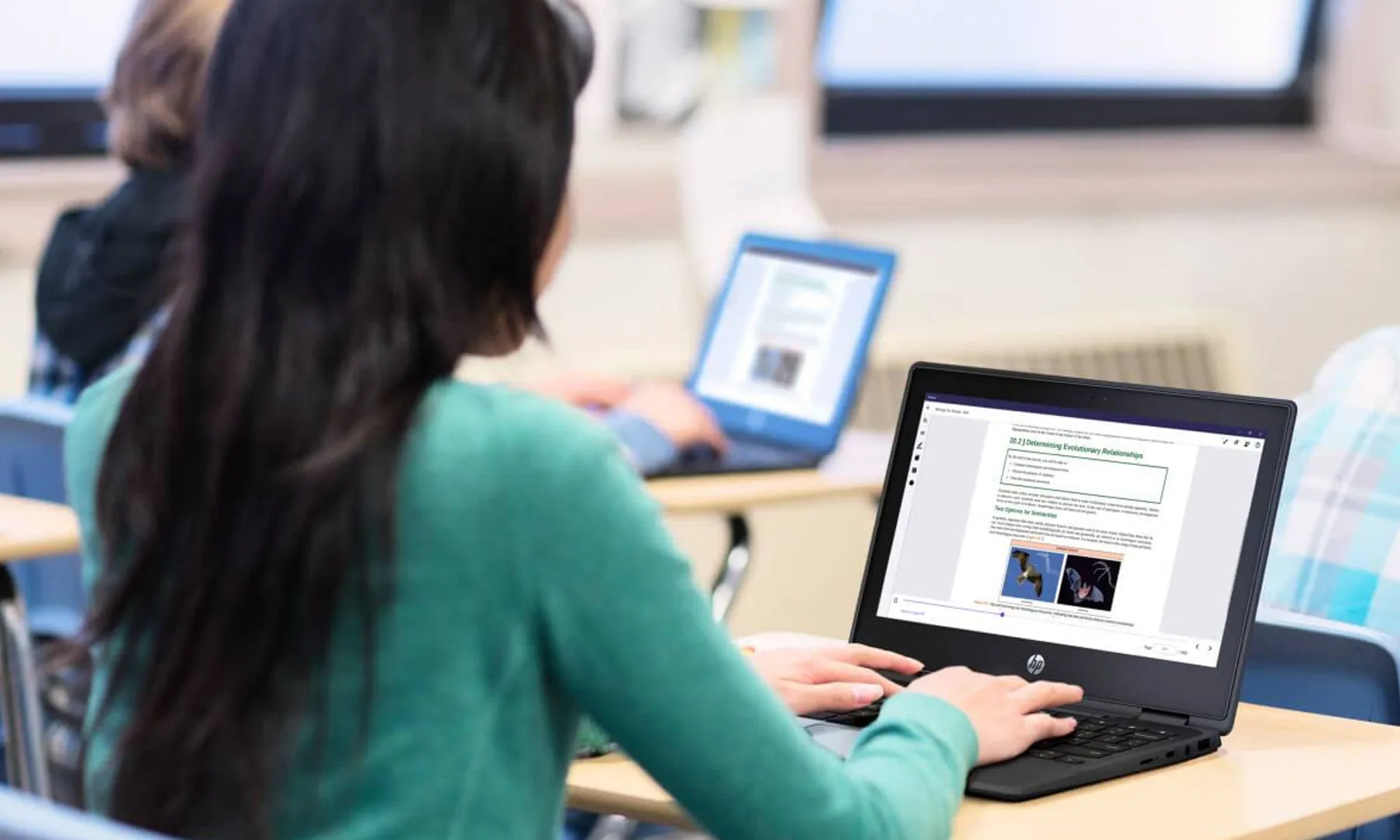
One of the key challenges McPherson Middle School faced was managing the misuse of Chromebooks in the classroom. Teachers were often tasked with policing students’ screen time, which detracted from their ability to teach and engage with the class. The new policy reduces this burden, allowing teachers to focus on teaching rather than monitoring students’ digital behavior.
In classes where technology is still used, such as in computer science or coding lessons, students are encouraged to use Chromebooks purposefully, such as programming sensors or LED lights. These classes focus on “coding the physical world” rather than just staring at a screen. This approach ensures that technology is being used in a way that directly enhances learning, rather than acting as a distraction.
Student Reactions: Embracing the Change
While the new Chromebook policy may have been met with resistance at first, many students have come to appreciate the reduction in screen time. “It’s super beneficial,” said 13-year-old Jade LeGron, noting that students no longer fought with teachers over video games or spent hours playing online games. Instead, they have more opportunities to engage in face-to-face interactions with their peers.
Sarah Garcia, also 13, said that the lack of Chromebooks in the classroom has led to more socialization and communication among students. “Since we don’t have our Chromebooks in front of our face,” she said, “most people now interact with their peers and stuff.” For many students, this shift has fostered a sense of connection and collaboration that was lacking when they were glued to their devices.
Looking Beyond Chromebooks: Teaching Essential Life Skills
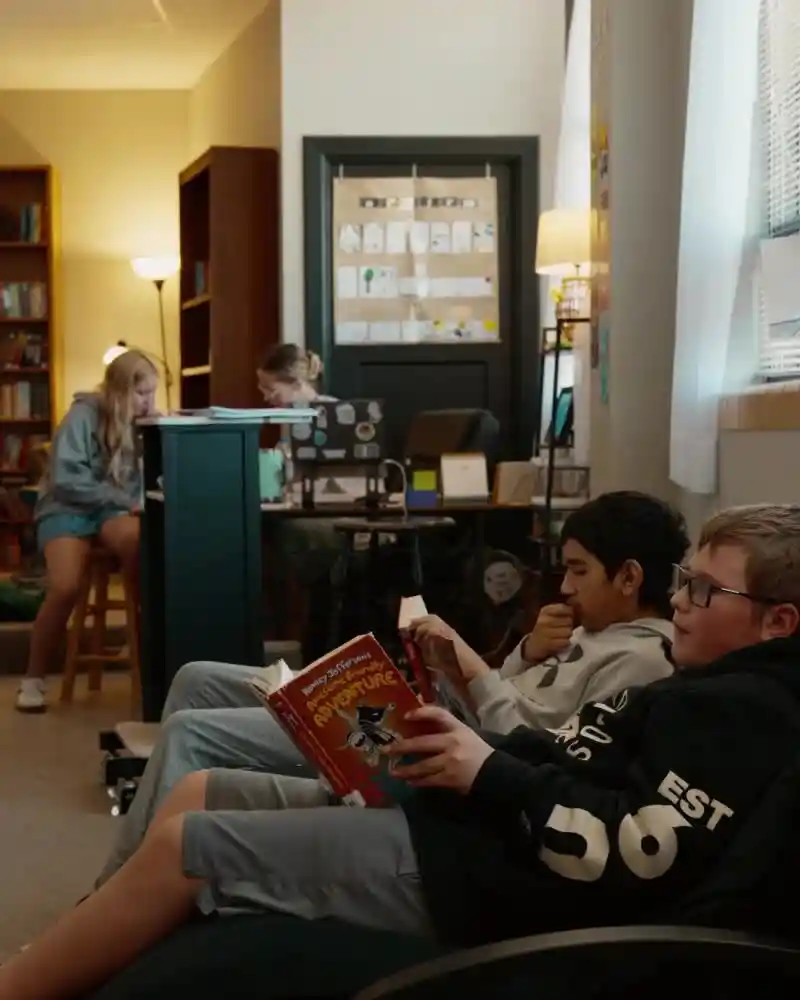
The decision to scale back on Chromebook use has also given teachers more time to focus on life skills and interpersonal development. In homeroom sessions, students have learned how to use paper planners, develop organizational skills, and complete homework during school hours. Teachers have also introduced fun, offline activities like board games, which have helped students develop social and cognitive skills.
In English class, students are given the choice to complete assignments by hand or use a Chromebook, with most opting for traditional methods. This flexibility allows students to experience the benefits of both digital and analog learning, providing a well-rounded education.
The Tech-Free School Movement: A Global Trend
McPherson is not alone in reevaluating its reliance on technology. Schools in other parts of the world are also taking steps to limit screen time and refocus on traditional learning methods. In Wichita, Marshall Middle School has implemented “tech-free” Fridays, encouraging students to spend at least one day a week without digital distractions. Meanwhile, the Kansas Senate has introduced a bill that would restrict the use of digital devices in classrooms, particularly for younger students.
The movement toward tech-free schools reflects a growing global concern over the impact of screen time on children’s development. Parents, educators, and policymakers are increasingly questioning the long-term effects of excessive technology use on mental health, social skills, and academic performance.
The Future of Technology in Schools
As McPherson Middle School and other schools across the country experiment with reducing screen time, the future of technology in education remains uncertain. While Chromebooks and other digital tools can offer valuable learning experiences, their overuse has proven to be a double-edged sword. The key, educators believe, lies in finding a balance between technology and traditional methods.
Schools will continue to explore ways to integrate tech effectively while ensuring that students develop essential life skills and interpersonal relationships. The challenge will be to create an environment where technology enhances learning, rather than detracting from it.