

Table of Contents
- What Weather Modification and Cloud Seeding Really Are
- Historical Development of Cloud Seeding in the United States
- Modern Practices
- Why the U.S. Has Turned to Weather Modification
- Effectiveness and Limitations
- Environmental and Health Concerns Around Weather Modification
- Public Controversy and Misunderstanding
- Policy and Regulation
- Implications for Water Management and Climate Adaptation
- Conclusion
What Weather Modification and Cloud Seeding Really Are
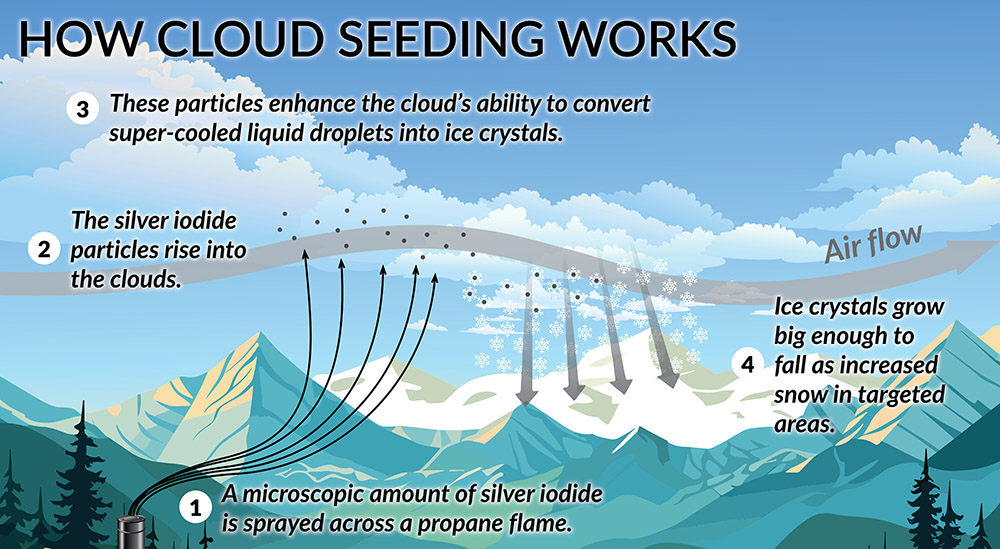
At its core, weather modification refers to the deliberate intervention in atmospheric conditions with the intention of influencing local weather outcomes. The most commonly recognized technique within this field is cloud seeding, which aims to increase precipitation, such as rain or snow, by enhancing the natural cloud processes that lead to precipitation. Cloud seeding works by dispersing particles like silver iodide, dry ice, salt crystals or other ice nuclei into existing clouds. These particles act as a base for water droplets or ice crystals to form and grow until they fall from the sky as precipitation. This technique has been used primarily to supplement water supplies, reduce hail damage, and sometimes to dissipate fog in localized areas. Cloud seeding does not create storms from nothing nor does it enable large‑scale control over weather systems — it helps clouds produce precipitation they might otherwise not have generated as efficiently.
Historical Development of Cloud Seeding in the United States
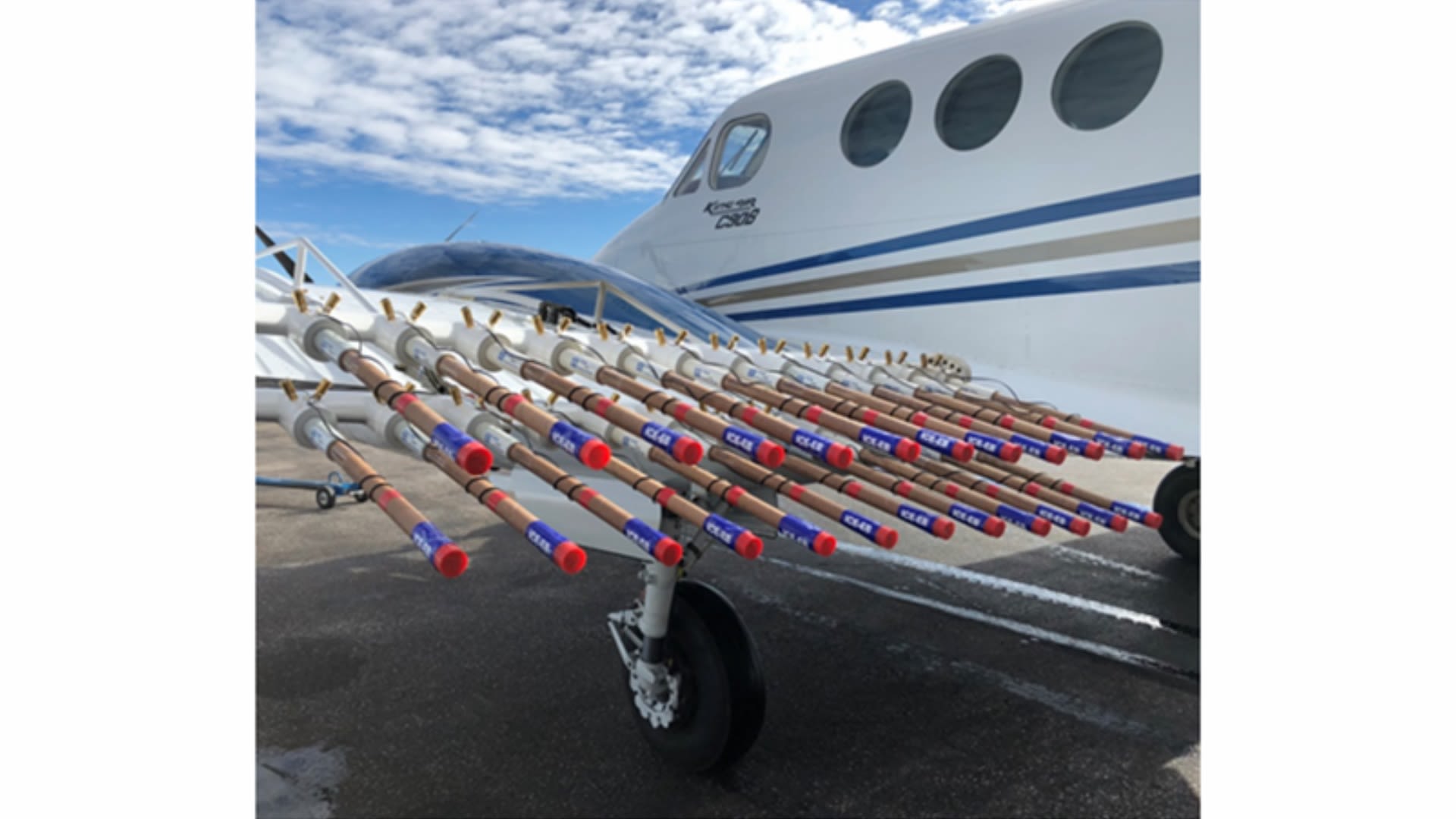
Cloud seeding and weather modification have roots stretching back to mid‑20th century scientific experiments. Early work after World War Two saw researchers exploring techniques to boost rainfall or disrupt natural weather systems in military contexts. In the 1960s the U.S. Air Force pursued projects such as Operation Popeye over Southeast Asia, which attempted to prolong monsoon season to impede military logistics. At the same time, domestic research in the U.S. government explored methods like Project Stormfury, which sought to lessen the force of hurricanes by seeding their cloud structures. These historical efforts, while fascinating, often yielded mixed results and highlighted that influencing large weather systems is far more difficult and unpredictable than altering precipitation on a very limited scale.
Modern Practices
Today, cloud seeding is far more focused on practical, localized goals such as increasing snowpack in mountainous watersheds, spraying silver iodide into winter clouds to boost snow accumulation or enhancing rainfall during key seasonal periods for agriculture. Several U.S. states have authorized and documented cloud seeding operations under weather modification programs, often in areas troubled by long‑term drought and water shortages. According to government oversight reports, states such as California, Idaho, Wyoming, Colorado, New Mexico, Texas and others maintain active cloud seeding programs intended to modestly augment natural precipitation processes. These efforts rely on meteorological data and atmospheric conditions that are conducive to successful seeding, meaning that programs only proceed when clouds already contain moisture capable of producing precipitation.
Why the U.S. Has Turned to Weather Modification

The impetus behind ongoing weather modification efforts in the U.S. is largely pragmatic: water resources are limited, and water demand continues to grow in many regions. Drought cycles in the western United States have intensified over recent decades, putting pressure on reservoirs, agricultural economies and municipal water systems. Cloud seeding is viewed by some water managers as one of many tools that could help alleviate the effects of extended dry spells by boosting snowfall or rainfall in targeted areas. While it cannot generate water out of nothing, the hope is that even a small increase in precipitation efficiency can translate into measurable benefits for water supply, agricultural output and landscape resilience against wildfire risk.
Effectiveness and Limitations
One of the core challenges with cloud seeding is measuring its effectiveness with certainty. Because weather is inherently variable and complex, determining how much precipitation was added by a seeding operation versus what would have occurred naturally is difficult. Researchers have attempted to quantify potential increases in snowfall or rain through statistical analysis, radar studies, and field experiments, finding modest improvements in precipitation in some cases. These effects are often small relative to natural weather variability and are highly dependent on cloud type, temperature and existing moisture levels. The weather modification technique cannot increase precipitation when there are no suitable clouds, nor can it make it rain in completely dry conditions.
Environmental and Health Concerns Around Weather Modification
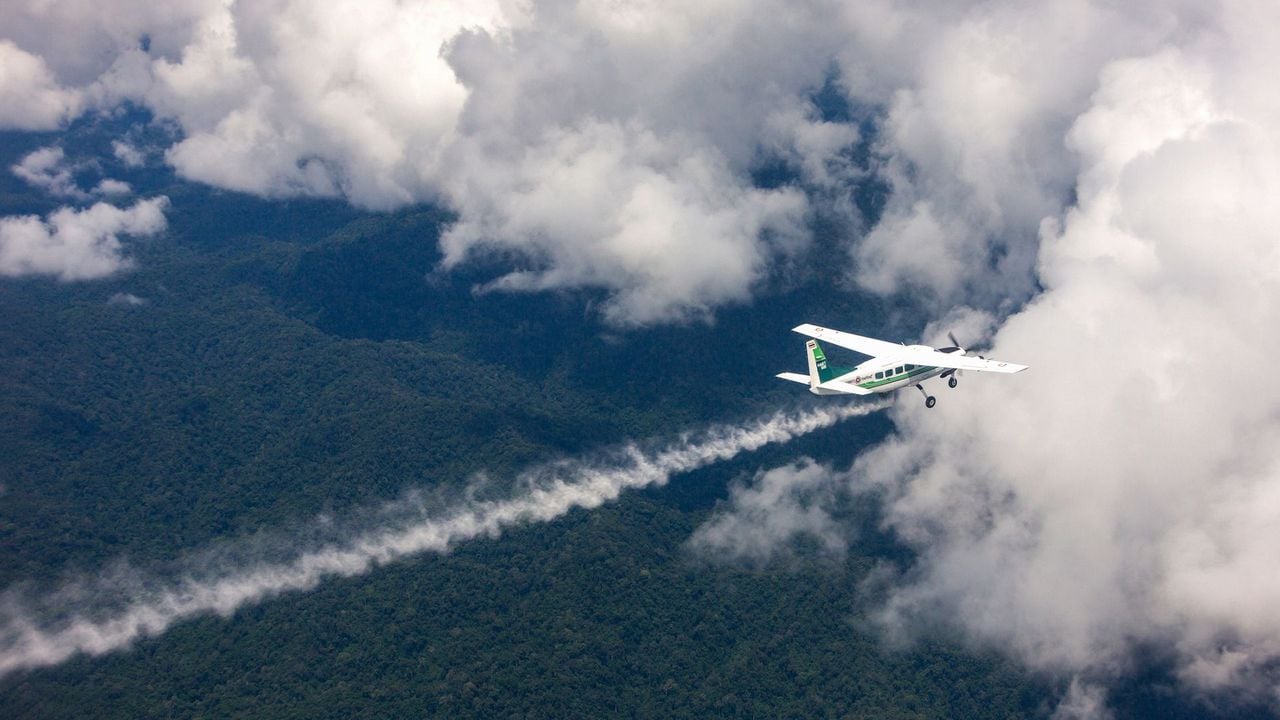
Although proponents of cloud seeding emphasize its potential benefits for water resource management, critics and some environmental analysts point out potential downsides. For instance, the introduction of chemical agents such as silver iodide into the environment raises questions about long‑term impacts on soil, water and ecosystems, though studies typically find the quantities used are minimal and unlikely to pose significant direct harm. There are also concerns about unintended effects on downwind areas, where altering one area’s precipitation pattern might reduce rainfall elsewhere. These concerns underscore the importance of rigorous scientific monitoring and transparent reporting whenever weather modification techniques are applied.
Public Controversy and Misunderstanding
Public discourse about weather modification and cloud seeding has been clouded — both literally and figuratively — by misinformation and conspiracy theories. Some groups falsely claim that the government engages in secret weather control operations that cause severe weather events, while others believe in widespread geoengineering “chemtrail” programs that lack any scientific basis. Federal agencies including the Environmental Protection Agency and the National Oceanic and Atmospheric Administration have explicitly stated that while cloud seeding and other modification activities exist, they are limited in scale and purpose and do not enable manipulation of major weather systems or climate. These clarifications have been necessary because misinformation often surges after major weather impacts like floods or storms.
Policy and Regulation
Unlike some other countries where centralized policies might govern weather modification, the United States approach is decentralized. Many cloud seeding programs are managed at the state or local level, with operators required to report activities to federal agencies to maintain transparency and oversight. Congressional hearings have occasionally taken up weather modification topics, sometimes driven by political narratives rather than scientific consensus. Some lawmakers have even introduced bills seeking to ban weather modification practices based more on popular conspiracy framed concerns than on established science. These political actions reflect broader cultural debates about government authority, scientific transparency and environmental policy in the 21st century.
Implications for Water Management and Climate Adaptation
As climate change intensifies drought risks, fluctuations in precipitation patterns, and water scarcity in many regions, cloud seeding and weather modification will likely remain part of the conversation about resource management. For water agencies and agricultural stakeholders, even modest enhancements in precipitation may offer useful supplementary water supply. However, scientists stress that weather modification should be considered only one tool among many in broader climate adaptation strategies, which also include conservation, sustainable water use practices, infrastructure planning and reductions in greenhouse gas emissions. Understanding the realistic capabilities and limitations of cloud seeding is crucial to deploying it effectively and ethically.
Conclusion
The United States’ formal acknowledgment of weather modification and cloud seeding programs brings renewed focus to a topic often misunderstood by the public. Far from being secretive or mysterious, these efforts are rooted in decades of scientific research and practical experimentation aimed at addressing water challenges. Yet they also come with limitations, uncertainties and environmental considerations that demand transparent scientific evaluation. As pressure on water resources intensifies under climate change pressures, cloud seeding may play a role in localized mitigation efforts, but it cannot replace broader strategies to manage water demand and environmental health. The evolving conversation about weather modification reflects wider debates about science, governance and humanity’s relationship with the natural world.