
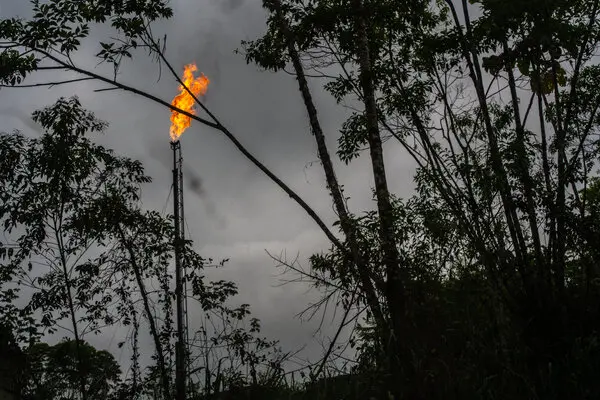
In a historic and crucial decision, Colombia has announced a ban on all new mining projects within the Amazon rainforest. This bold move comes as part of a broader effort to protect one of the most vital ecosystems on the planet. The Amazon, often referred to as the “lungs of the Earth,” plays an essential role in regulating the global climate and supporting biodiversity. This policy shift highlights the country’s commitment to preserving the environment, ensuring that the Amazon’s delicate balance remains intact for future generations.
Table of Contents
Context of the Decision
The Amazon rainforest spans several countries in South America, with Colombia being one of the primary nations that house this globally significant ecosystem. Over the years, the region has been threatened by illegal logging, deforestation, and mining activities. These activities have led to environmental degradation, loss of biodiversity, and the exacerbation of climate change. With the Colombian government now taking a stand, the global community is watching closely to see if this decision could inspire other nations to follow suit.
The Amazon is not just a natural wonder; it is home to over 400 billion trees, thousands of animal species, and many indigenous communities whose livelihoods are deeply intertwined with the forest. Mining projects, often driven by the demand for precious metals, have been steadily encroaching on this vital land, leaving behind toxic pollution, deforestation, and devastation of habitats. By halting new mining operations, Colombia aims to protect both the natural environment and the indigenous cultures that depend on it.
Why It Matters: Environmental Protection on a Global Scale
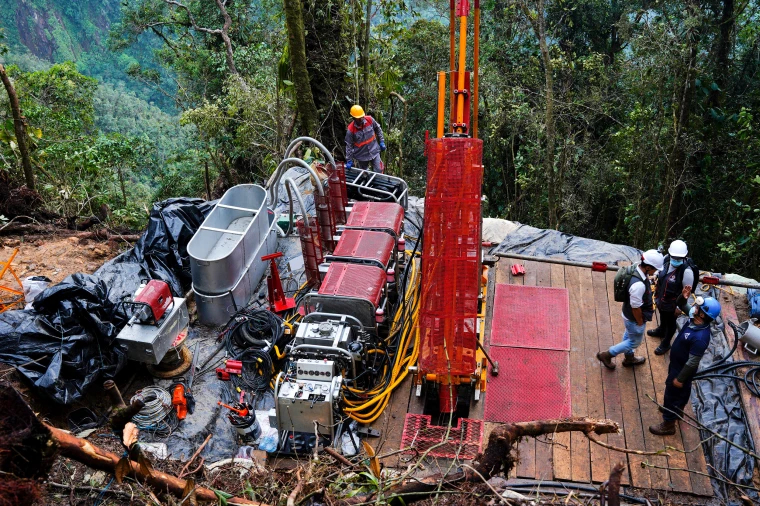
The Amazon rainforest is one of the most biodiverse places on Earth. It is home to countless species of animals and plants, many of which are still undiscovered. Beyond its biological richness, the Amazon plays a significant role in regulating the climate. It acts as a carbon sink, absorbing vast amounts of carbon dioxide from the atmosphere and helping to mitigate the effects of climate change.
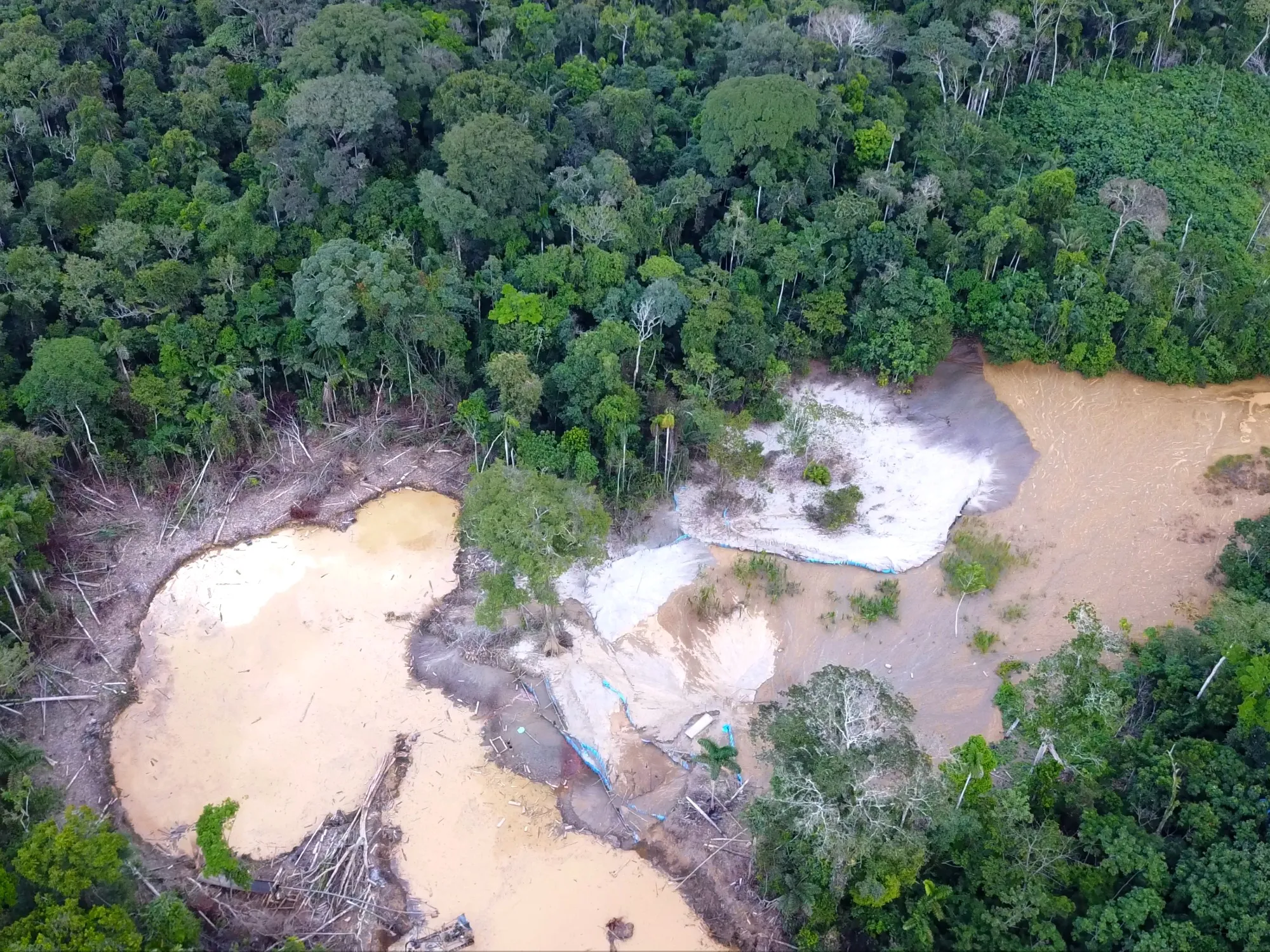
Mining projects have long been a threat to this ecosystem. Deforestation caused by mining activities destroys habitats and threatens wildlife populations. Furthermore, the extraction of metals and minerals from the earth often leads to the contamination of nearby rivers and soil, creating long-lasting damage to the land. By implementing this mining ban, Colombia is sending a clear message that protecting the environment is paramount—not only for the people and animals of Colombia but for the entire planet.
Public Reaction: A Mixed Bag
While the decision to ban new mining projects in the Amazon has been hailed as a victory for environmentalists, it has also sparked debate. Some argue that the ban could hinder economic growth, as mining is a significant industry in many regions of Colombia. Supporters of the ban, however, believe that the long-term benefits of preserving the Amazon outweigh any short-term economic losses.
Environmental groups have praised the Colombian government’s move, with many calling it a bold and necessary step in the fight against climate change. Indigenous leaders have also expressed their support, as the decision will help protect their land and ensure that their cultures can continue to thrive without the threat of environmental destruction. However, the true impact of this decision will depend on how effectively it is enforced and whether it leads to further policy changes that address the root causes of deforestation and environmental degradation.
Challenges Ahead: Enforcement and Long-Term Sustainability

While the ban on new mining projects is a significant step, it is not a panacea. One of the main challenges Colombia faces is enforcing the ban in a region that is vast, remote, and often difficult to monitor. Illegal mining has been a persistent problem, with many operators working without permits or oversight, often with devastating consequences for the environment. The Colombian government will need to invest in enforcement mechanisms, including satellite monitoring, law enforcement personnel, and support for local communities to help deter illegal mining.
Additionally, the ban must be coupled with strategies for sustainable development. While protecting the Amazon is essential, it is equally important to provide alternative livelihoods for the communities that depend on mining for their income. The Colombian government will need to work with local communities to create sustainable economic opportunities, such as ecotourism, sustainable agriculture, and renewable energy projects.
A Global Model for Environmental Protection
Colombia’s decision to ban new mining projects in the Amazon has the potential to set a global precedent. If successful, it could inspire other nations to take similar action to protect their own forests and ecosystems. The Amazon is a shared resource, and its destruction affects not only the countries within its borders but also the entire world. By taking this bold step, Colombia is positioning itself as a leader in environmental protection and climate action.
The world’s response to this decision will be closely watched. If other countries follow Colombia’s lead, it could mark a turning point in the fight against environmental degradation and climate change. The Amazon’s protection is not just a national issue but a global one, and Colombia’s efforts could serve as a model for international cooperation and environmental stewardship.
Conclusion: A Victory for the Amazon and the Planet
Colombia’s ban on new mining projects in the Amazon rainforest is a historic step in the right direction. It is a victory for the environment, for indigenous communities, and for the future of the planet. As the world faces increasingly urgent environmental challenges, this decision sends a powerful message: we must prioritize the preservation of our natural world above all else.
The Amazon is a treasure that belongs to all of humanity. By taking decisive action to protect it, Colombia is not only safeguarding its own future but also contributing to the global effort to combat climate change. The success of this ban will depend on effective enforcement, international collaboration, and a commitment to sustainable development. If Colombia can make this ban work, it will prove that protecting the planet is not only possible but necessary for the survival of future generations.