
Table of Contents
- A Global Emergency, But Not a Pandemic
- What Makes This Ebola Outbreak So Concerning
- The Bundibugyo Strain Creates New Challenges
- Why Congo’s Ituri Province Is Vulnerable
- Uganda’s Confirmed Cases Raise Regional Alarm
- Healthcare Workers Face Serious Risks
- The Race to Find Contacts
- Why Borders Should Stay Open
- The Shadow of the 2014 Ebola Crisis
- No Approved Vaccine Changes Everything
- What The CDC And Africa CDC Are Doing
- Why Public Communication Matters
- What Happens Next
- A Warning The World Cannot Ignore
A Global Emergency, But Not a Pandemic
The WHO’s declaration does not mean the world is facing another pandemic. Instead, a public health emergency of international concern is a formal alert used when an outbreak poses a serious cross-border risk and may require coordinated international action.
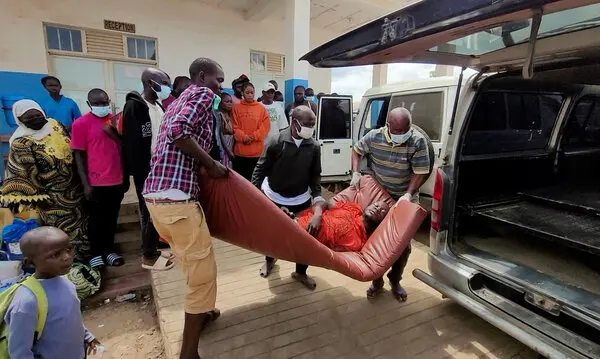
In this case, the concern is clear. Ebola cases were first reported in the Democratic Republic of Congo’s eastern Ituri province, with Uganda later confirming infections linked to cross-border movement. The outbreak involves the Bundibugyo strain, a rarer Ebola virus species that has no approved vaccine or specific approved treatment, making containment more difficult than outbreaks involving better-studied strains.
Officials have advised countries not to close borders, warning that such measures can disrupt response efforts and encourage hidden movement. Instead, the focus is on surveillance, testing, contact tracing, protective equipment, safe burials, and rapid isolation of suspected cases.
What Makes This Ebola Outbreak So Concerning
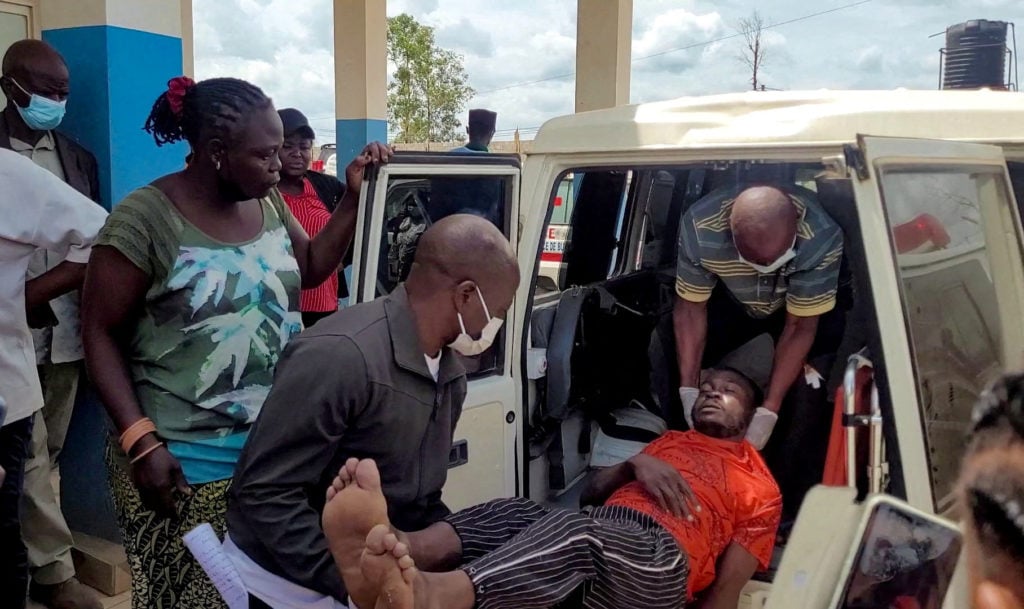
Ebola is one of the world’s most feared viral diseases because it can spread through direct contact with infected blood, bodily fluids, contaminated surfaces, and unsafe handling of bodies after death. Symptoms often begin with fever, weakness, body pain, headache, vomiting, and diarrhea. In some cases, patients may develop bleeding and severe organ complications.
The latest outbreak is especially concerning because health officials believe transmission may have been happening for weeks before it was formally recognized. That delay means the virus may already have moved through communities before response teams had a chance to identify patients, trace contacts, and isolate high-risk individuals.
Mining towns in eastern Congo have become a major focus because they attract workers, traders, transporters, and families from multiple areas. In places where people are constantly moving, contact tracing becomes much more complicated.
A single infected person can pass through clinics, buses, markets, homes, and border crossings before anyone realizes Ebola is involved.
The Bundibugyo Strain Creates New Challenges
Not all Ebola outbreaks are the same. The Bundibugyo strain has caused previous outbreaks, but it is less common and less understood than the Zaire strain, which caused the devastating West Africa epidemic between 2014 and 2016.
The lack of an approved vaccine for this strain is one of the biggest problems. During some past Ebola outbreaks, vaccines helped protect frontline workers and high-risk contacts. With Bundibugyo, health teams do not have the same proven tools available.
Experts also warn that some standard rapid field tests may not reliably detect this strain, which could slow diagnosis and allow cases to be missed. That is a major concern because early identification is one of the most important tools in stopping Ebola.
Health workers must rely heavily on careful symptom tracking, laboratory confirmation, infection control, and protective equipment.
Why Congo’s Ituri Province Is Vulnerable
The outbreak began in eastern Congo’s Ituri province, a region already facing serious challenges. Ituri has experienced years of insecurity, displacement, armed conflict, and limited healthcare access.
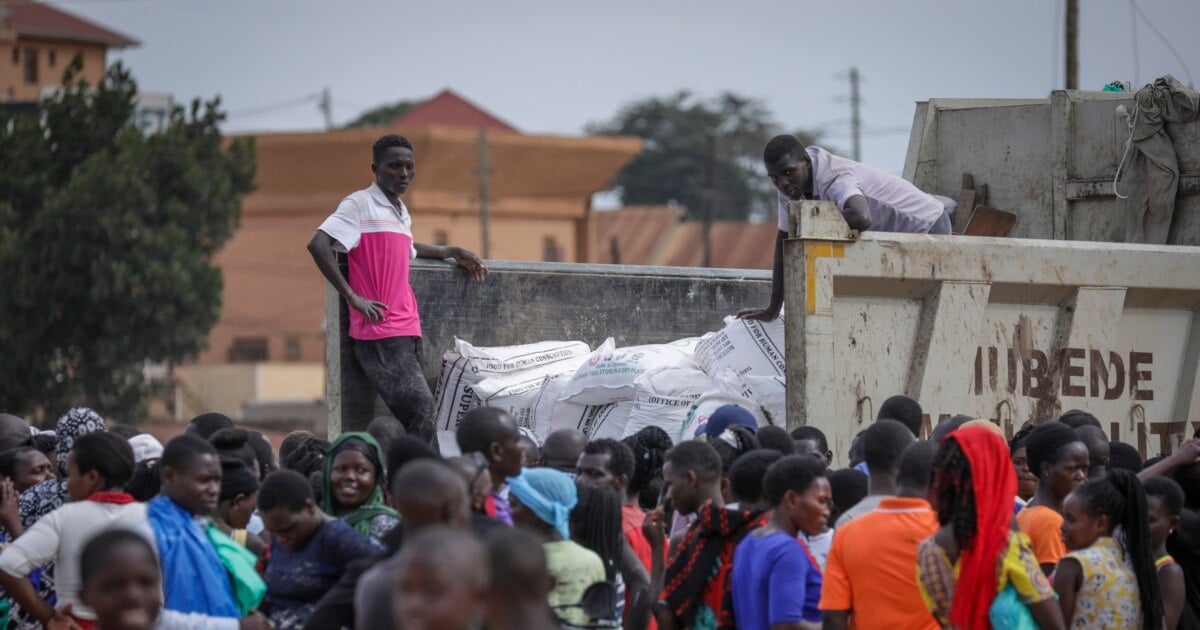
In such settings, disease outbreaks are harder to contain because hospitals may be under-resourced, roads may be difficult to access, and communities may have limited trust in authorities. People may delay seeking care because of fear, cost, distance, or misinformation.
The outbreak has reportedly affected mining towns such as Mongbwalu and Rwampara, where population movement is constant. Workers often travel between sites, families move across local and international borders, and informal transport networks can connect remote communities with larger cities.
This mobility makes Ebola control more difficult because the virus does not stay neatly inside one village or district.
Uganda’s Confirmed Cases Raise Regional Alarm
Uganda’s involvement has intensified the regional concern. Officials have reported confirmed cases in Uganda, including a death linked to a person who traveled from Congo.
According to Africa CDC officials cited in reports, one infected Congolese man traveled to Uganda, sought hospital care, and later died. His body was reportedly transported back across the border to Congo for burial, creating additional concerns about possible exposure during travel, treatment, and funeral handling.
Ebola funeral transmission has been a major factor in past outbreaks because the bodies of victims can remain highly infectious. Safe and dignified burial procedures are therefore essential, but they can be culturally sensitive and emotionally difficult for families.
The Uganda case shows why cross-border coordination is now critical.
Healthcare Workers Face Serious Risks
Ebola outbreaks place enormous pressure on doctors, nurses, ambulance teams, cleaners, burial workers, and laboratory staff. Healthcare workers are often among the first exposed because early Ebola symptoms can resemble malaria, typhoid, flu, or other common illnesses.
If a patient enters a hospital before Ebola is suspected, staff may not immediately use full protective equipment. That creates a dangerous window for transmission.
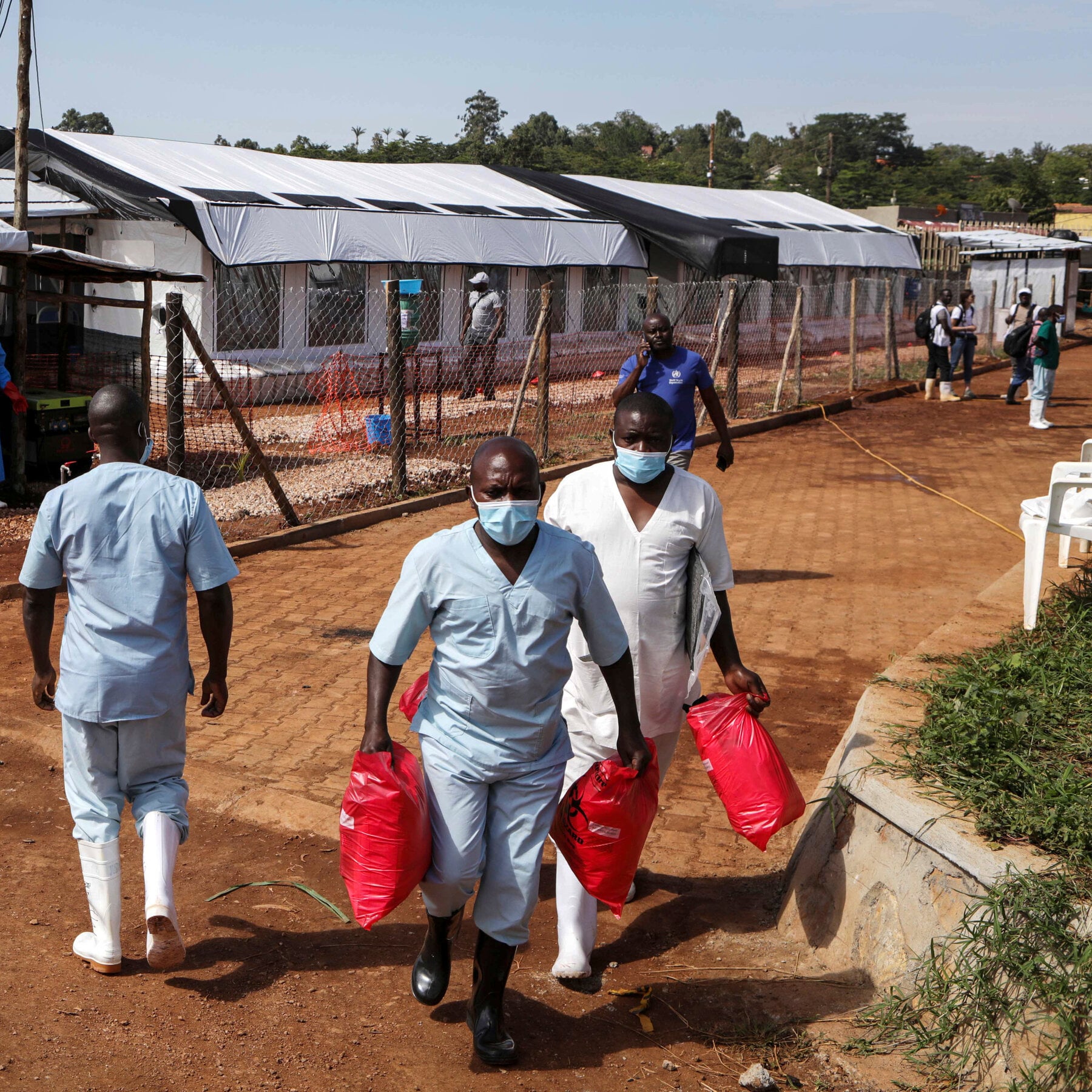
Experts recommend that healthcare workers caring for suspected Ebola patients wear head coverings, eye protection, face shields or masks, gloves, gowns, and rubber boots. But officials have warned that access to protective equipment remains a challenge in parts of the affected region.
Without enough PPE, training, and infection control systems, hospitals can become amplifiers of disease rather than places of safety.
The Race to Find Contacts
Contact tracing is now one of the most urgent priorities.
Every confirmed Ebola patient may have had contact with family members, healthcare workers, transport drivers, fellow passengers, neighbors, coworkers, or people involved in burial practices. Each contact must be identified, monitored, and supported.
This is difficult even in wealthy countries with strong health systems. In remote or conflict-affected areas, it becomes far harder.
People may move before contact tracers arrive. Some may fear being isolated. Others may distrust health workers due to past trauma, misinformation, or political tensions.
The longer an outbreak spreads before detection, the more complicated contact tracing becomes. That is why experts say responders are already playing catch-up.
Why Borders Should Stay Open
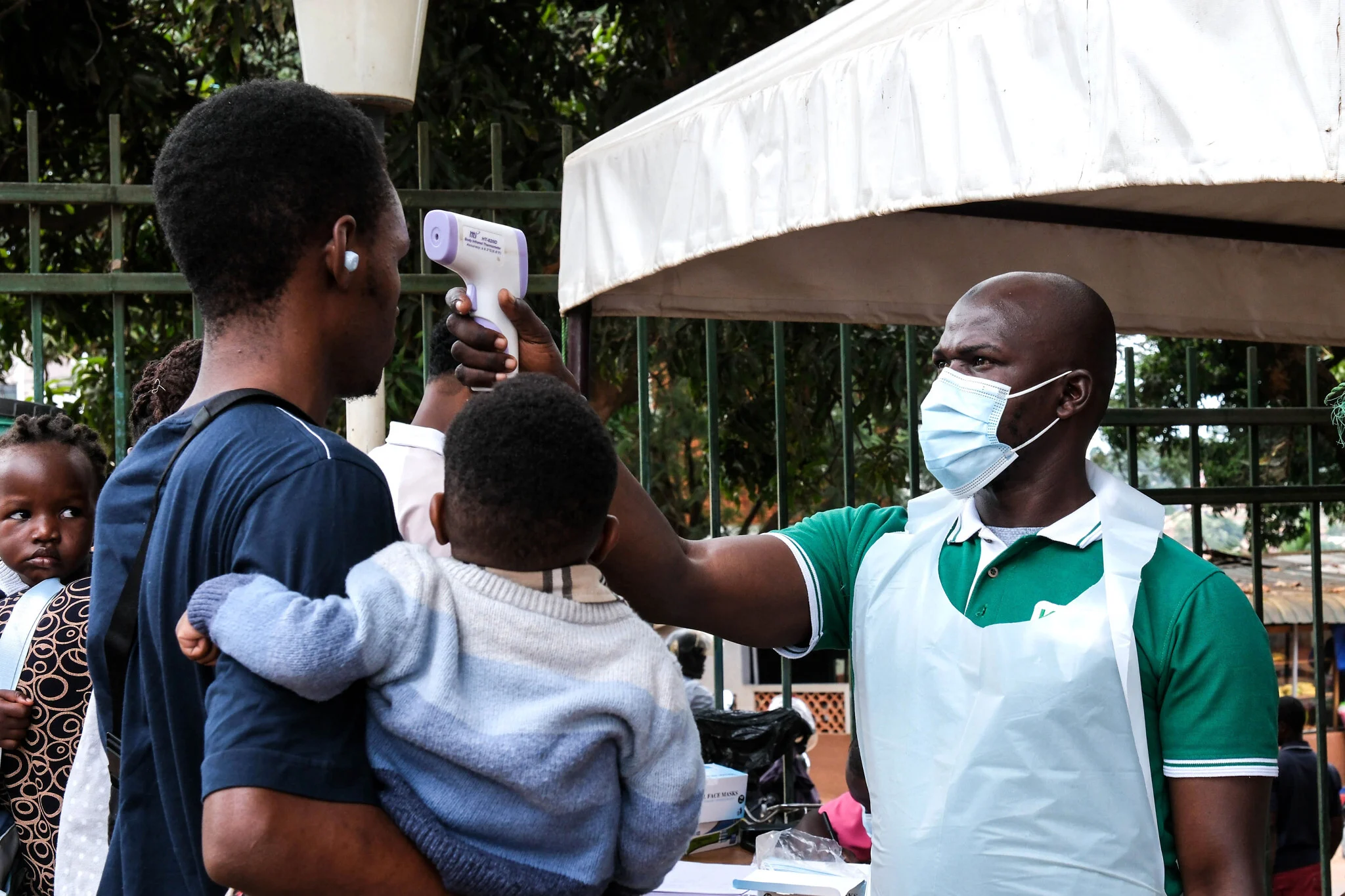
During major outbreaks, countries often feel pressure to close borders. But WHO has advised against that approach.
Border closures can create panic, disrupt medical aid, block supplies, damage local economies, and push people into informal crossings where health screening is impossible. In regions where families, workers, and traders regularly move between countries, hard closures can sometimes make surveillance worse.
A smarter strategy is targeted screening, better communication, cross-border health coordination, and rapid reporting of suspected cases.
The goal is not to freeze movement completely, but to make movement safer and more visible.
The Shadow of the 2014 Ebola Crisis
The world still remembers the 2014 to 2016 West Africa Ebola epidemic, the largest in history. That outbreak infected more than 28,000 people and killed more than 11,000, mainly in Guinea, Sierra Leone, and Liberia.
That crisis taught the world painful lessons. Delayed recognition, weak health systems, unsafe burials, and limited international response can allow Ebola to spiral quickly.
But the world also learned what works: community trust, rapid isolation, protective equipment, safe burials, strong laboratories, survivor engagement, and international support.
The current outbreak is not yet on that scale, but officials are acting early because the consequences of waiting could be severe.
No Approved Vaccine Changes Everything
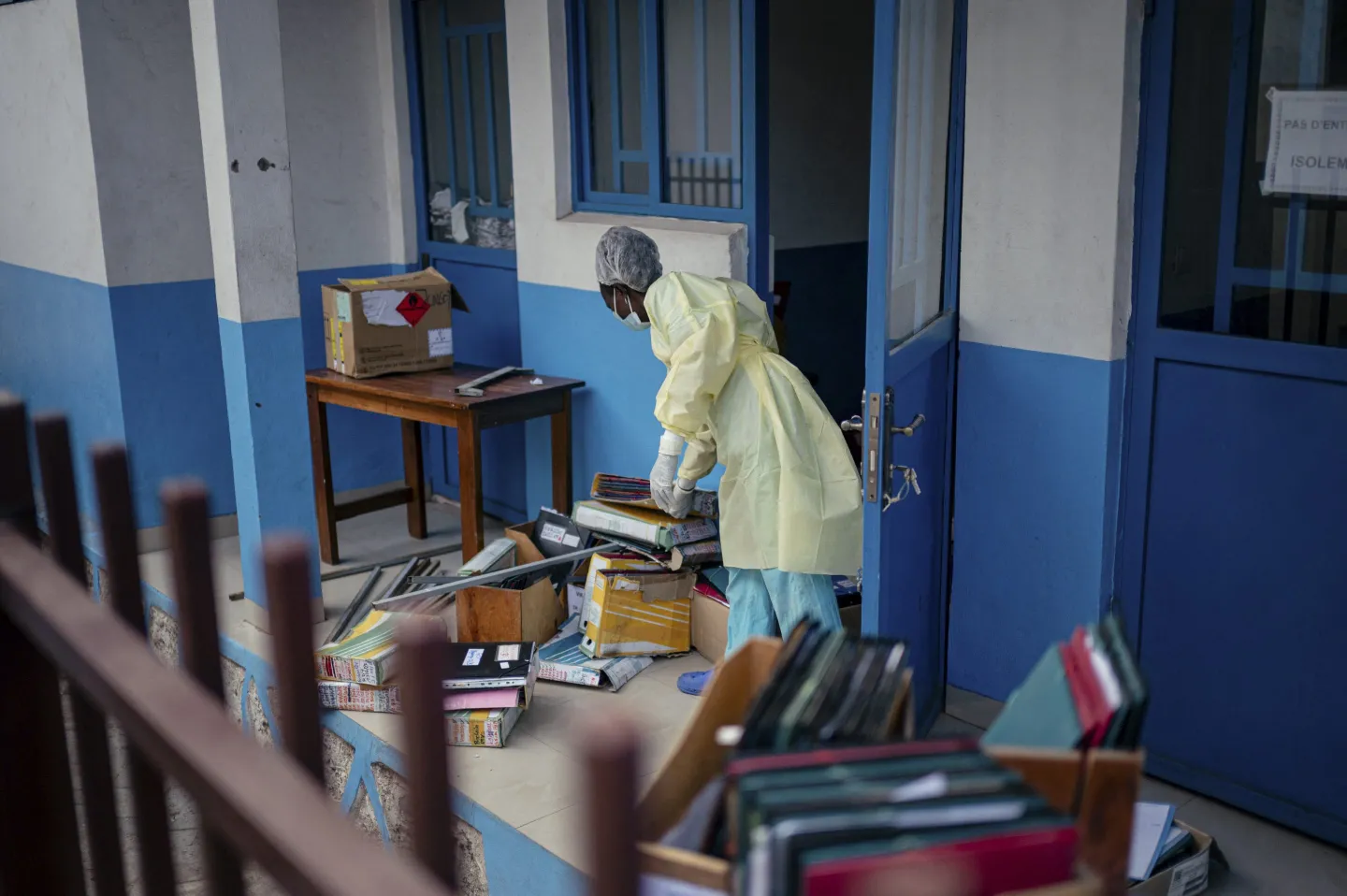
One of the most difficult realities in this outbreak is the lack of an approved vaccine or treatment for the Bundibugyo strain.
Researchers have discussed experimental vaccine candidates, but available information suggests they remain early-stage and have not been proven in humans. That means health teams cannot rely on mass vaccination or ring vaccination in the same way used during some previous Ebola responses.
This shifts the burden back to classic outbreak control: find cases, isolate patients, trace contacts, protect workers, communicate clearly, and reduce high-risk exposure.
It is slower, more labor-intensive, and heavily dependent on public cooperation.
What The CDC And Africa CDC Are Doing
The U.S. Centers for Disease Control and Prevention is supporting local response efforts and has said the risk to the American public remains low. Reports indicate the CDC already has staff in the Democratic Republic of Congo and plans to deploy additional workers to assist coordination.
Africa CDC is leading regional efforts, focusing on cross-border surveillance, preparedness, and outbreak response. Its leaders have warned that funding, protective equipment, diagnostics, and trained personnel are urgently needed.
The response is not only about stopping the virus where it is now. It is also about preventing spread into more towns, cities, and neighboring countries.
Why Public Communication Matters
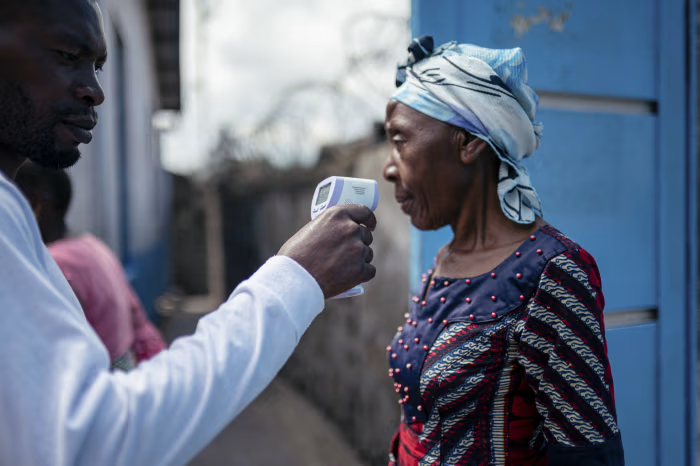
In any Ebola outbreak, communication can save lives. People need to know how Ebola spreads, what symptoms to watch for, where to seek help, and why isolation is necessary.
But communication must be careful. Fear can drive people to hide symptoms, avoid hospitals, or reject response teams. Rumors can spread faster than official advice.
Authorities must explain that Ebola does not spread casually through the air like common respiratory viruses. It spreads mainly through direct contact with infected bodily fluids and contaminated materials.
Clear information reduces panic and helps communities cooperate with health workers.
What Happens Next
The coming days will be crucial. Officials need to determine how far the virus has spread, how many contacts are being monitored, whether urban transmission is occurring, and whether healthcare facilities have been exposed.
If response teams can quickly identify cases and interrupt transmission chains, the outbreak may be contained. If cases continue appearing across multiple locations, the emergency could grow more difficult.
The WHO declaration is meant to bring international attention before the situation becomes even worse.
A Warning The World Cannot Ignore
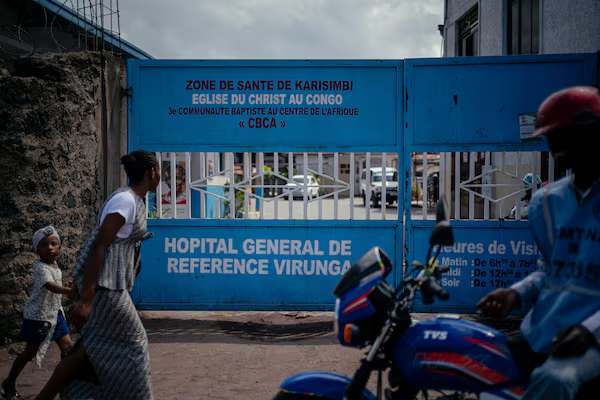
The Ebola outbreak in Congo and Uganda is not a pandemic, but it is a serious warning. A rare strain with no approved vaccine has appeared in a vulnerable region with high mobility, fragile healthcare access, and cross-border movement.
That combination demands urgent action.
For global health officials, the message is clear: outbreaks do not wait for perfect conditions. They emerge in the real world, often in places already facing conflict, poverty, weak infrastructure, and limited medical resources.
The world has learned from Ebola before. The question now is whether those lessons will be applied quickly enough to stop this outbreak before it spreads further.