
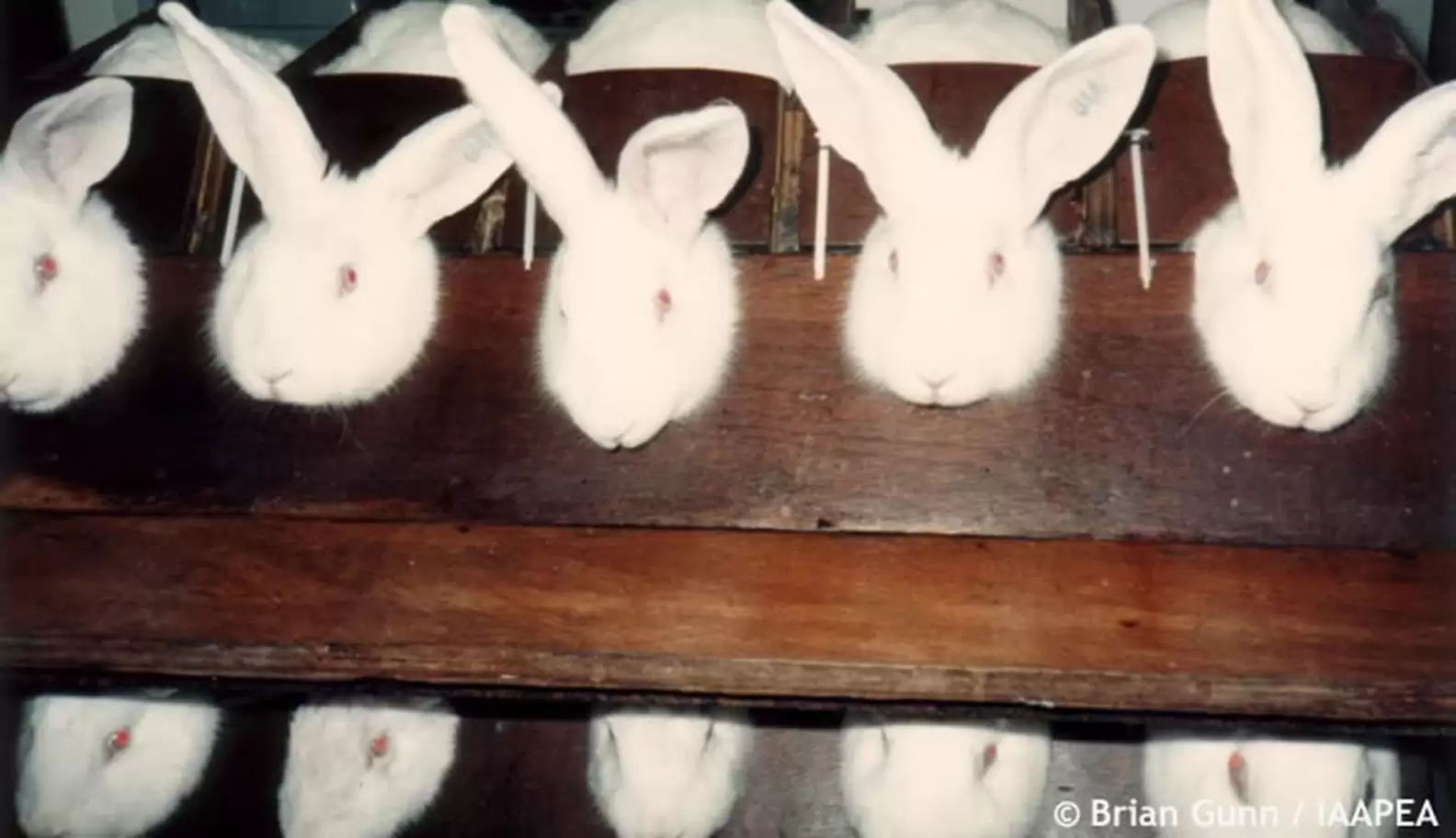
When news broke that New Zealand’s lawmakers were preparing to vote on banning cosmetics animal testing nationwide, it landed like more than a domestic policy debate — it felt like a moral signal flare aimed at a global industry that still hides suffering behind glossy labels. The conversation wasn’t about whether lipstick should be shiny or shampoo should smell like coconut. It was about whether animals should still be forced through painful eye, skin, and toxicity tests simply to approve “new ingredients” for personal care products, even as modern science keeps offering alternatives. In the background was an uncomfortable truth: consumers rarely see what happens before a product reaches a shelf, but the animals used in those experiments live the consequences in full. The question New Zealand faced was simple and heavy at the same time — would it join the countries drawing a hard line against cosmetics cruelty, or would it leave a legal gap that could invite testing to expand later?
Table of Contents
- The cruelty is easy to ignore
- A two-year campaign turned a policy conversation into a public demand
- The numbers were the kind politicians can’t easily shrug off
- A rare coalition formed
- The government’s argument sounded reassuring
- Why a “local ban” matters in a global industry
- The vote was also about the kind of country New Zealand wanted to be
- What changed next made the earlier debate feel like a turning point
- The moral center of the story isn’t “beauty” — it’s power
- The science question
- Why bans can change corporate behavior faster than consumer pressure alone
- The deeper risk is what happens when countries don’t ban it
- What this meant beyond New Zealand
- The conclusion New Zealand’s moment leaves behind
The cruelty is easy to ignore
Cosmetics testing, as described by advocates pushing for reform, is not a gentle process with a clean conscience. It can mean rabbits subjected to eye irritation tests, guinea pigs exposed to harsh chemicals on shaved skin, and rodents forced through oral toxicity tests where the doses can be lethal. That suffering doesn’t appear on packaging. It doesn’t show up in advertisements. And yet the argument made by campaigners was that behind many “new ingredients” in personal care products, animal testing still lurks — sometimes direct, sometimes outsourced, sometimes hidden behind regulatory complexity. New Zealand’s debate mattered precisely because it confronted the part of the beauty economy that is rarely marketed: the cost paid by animals who never had a choice.
A two-year campaign turned a policy conversation into a public demand

The vote didn’t emerge out of nowhere. It followed sustained pressure from Humane Society International’s #BeCrueltyFree campaign, working alongside New Zealand advocacy groups including SAFE, NZAVS, and HUHA. The proposal was framed as an amendment to New Zealand’s Animal Welfare Act — a move that would make a nationwide ban explicit rather than relying on assumptions about what “probably” isn’t happening. That distinction became central: a country can claim it doesn’t do cosmetics testing, but without a clear legal ban and transparent reporting, the door remains cracked open. The campaigners didn’t want a cracked door. They wanted it sealed.
The numbers were the kind politicians can’t easily shrug off
Support wasn’t described as a niche activist bubble. The push for a ban pointed to more than 100,000 people signing pledges and e-cards, and an opinion poll reporting 89.2% of New Zealanders wanted a ban in place. This is the kind of public consensus governments usually dream of — and the kind that makes delay look less like caution and more like avoidance. Even more striking, New Zealand’s Cosmetic Toiletry and Fragrance Association was cited as explicitly endorsing a ban, arguing it would send a clear message globally that New Zealand cosmetics are cruelty-free. In other words: the industry itself saw reputational value in drawing a firm boundary.
A rare coalition formed
Behind the scenes, campaigners described cosmetics companies joining the push — reportedly more than 30 companies urging then-Prime Minister John Key to support a ban because cruelty-free markets were growing, and because animal tests were increasingly viewed as outdated and unnecessary. This is where the story gets bigger than a single bill. In many countries, reform battles are framed as jobs versus ethics, profit versus compassion. But the New Zealand debate, as advocates told it, flipped that narrative: this wasn’t just “right,” it was also smart business in an era when consumers scan labels, research brands, and punish cruelty with their wallets.
The government’s argument sounded reassuring
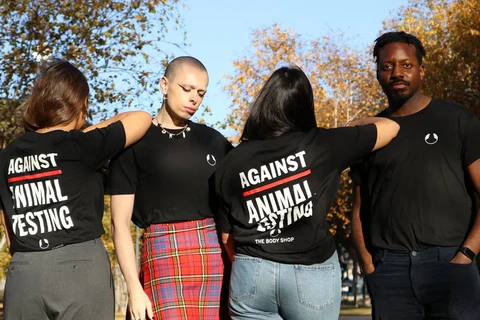
Officials suggested cosmetics animal testing was no longer happening in New Zealand because the licensing system wouldn’t permit it. The rebuttal was sharp: that claim wasn’t verifiable because New Zealand didn’t have a transparent reporting system detailing what tests were being allowed. Even if numbers were low, the campaigners argued, uncertainty is not protection — and it becomes dangerous precisely because it allows future expansion without public scrutiny. The real fear wasn’t only what might be happening in the present. It was what could happen later if companies — especially multinational ones — started shifting testing to jurisdictions without explicit bans.
Why a “local ban” matters in a global industry
One of the strongest arguments in the debate was structural: cosmetics are a multinational business, and cruelty is a multinational problem. If enough countries ban animal testing and block trade in newly tested cosmetics, the financial incentive to run those experiments shrinks. But if even a few countries leave loopholes, companies can relocate testing — not because citizens asked for it, but because the legal environment makes it possible. Campaigners pointed to international momentum: the European Union’s member countries were cited among those banning cosmetics animal testing and the trade in cruel cosmetics, along with countries like Norway, Israel, and India. Each additional ban becomes both a moral stance and a strategic barrier that makes cruelty harder to “outsource.”
The vote was also about the kind of country New Zealand wanted to be
This is the part that turns policy into identity. New Zealand has long been marketed — to itself and to the world — as a place of natural beauty, environmental pride, and animal-loving values. A cosmetics testing ban fit that self-image so neatly that resistance began to look confusing. If a nation’s public overwhelmingly rejects testing, if local industry sees advantages in being cruelty-free, and if global momentum is moving toward bans, then why hesitate? That’s why advocates framed the moment as “win-win.” In their telling, the only real “catch” was political drag — a slow shuffle that didn’t match the urgency of the suffering being discussed.
What changed next made the earlier debate feel like a turning point
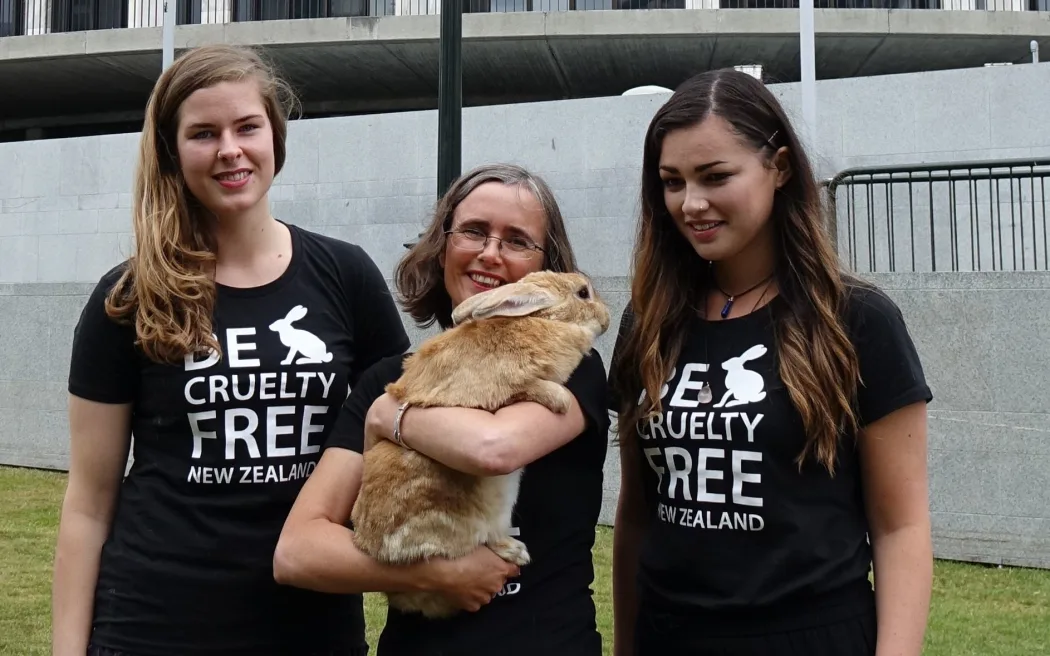
Not long after that February 2015 push, The Dodo reported that New Zealand moved toward banning animal testing for finished cosmetic products and their ingredients — with an amendment to the Animal Welfare Amendment Bill passing a debate phase and expected to become law in the following weeks. A minister, Nathan Guy, was quoted applauding the message it would send — that such testing is unacceptable and would not happen there. The report also repeated the strong public opposition to animal testing (around 89% in the poll cited) and described common cosmetics testing practices as cruel. It also noted the measure had been narrowed to cosmetics (not medicine), but still framed it as a significant win for animal welfare and compassionate consumers.
The moral center of the story isn’t “beauty” — it’s power
Strip away the politics and branding, and the core issue remains stark: animals used in testing cannot consent, cannot refuse, and cannot explain their pain. They exist inside a system where the end goal is not survival, not conservation, not medical rescue — but product development for commercial cosmetics. Supporters of bans argue that this is precisely what makes cosmetics testing ethically indefensible compared to other contested forms of animal research. The “need” is weaker, the alternatives are growing, and the suffering is the point of the method — irritation, toxicity, reaction. When a country chooses to ban it, it’s saying something blunt: whatever benefits this creates for marketing and product pipelines, it doesn’t justify the cost.
The science question
The debate is often framed as if the only choices are “test on animals” or “release unsafe products.” But campaigners argue those aren’t the only options anymore. While the Dodo piece primarily focused on the cruelty and the political process, its broader framing reflects a growing consensus in many markets: animal testing is increasingly seen as outdated for cosmetics, especially as non-animal methods, ingredient histories, and alternative testing strategies become more widely used. The argument isn’t that safety doesn’t matter. It’s that safety shouldn’t require suffering — especially when the product category is not life-saving medicine, but personal care.
Why bans can change corporate behavior faster than consumer pressure alone
Consumer demand matters, but it often moves slowly and unevenly. Laws move differently. A ban creates a compliance environment: companies must adapt if they want access to that market, and the market’s moral line becomes a business rule. That’s why campaigners celebrated each new country that drew the boundary — because it changes the equation from “some customers care” to “this is not legally acceptable here.” New Zealand’s debate, and the momentum toward banning, fit into that wider strategy: make cruelty harder to hide, harder to outsource, and harder to justify.
The deeper risk is what happens when countries don’t ban it
One of the most persuasive warnings raised in the February 2015 piece was about future drift. Even if cosmetics testing wasn’t common in New Zealand, the absence of a ban leaves room for it to grow. And when the beauty market expands — new brands, new ingredients, new regulatory requirements — “it doesn’t happen here” can quietly become “it happens, but you won’t hear about it.” That is why transparency keeps showing up in this story like a missing puzzle piece. If reporting isn’t clear, accountability is weak. And when accountability is weak, cruelty thrives in the shadows.
What this meant beyond New Zealand
For global advocates, New Zealand was never just one country. It was a signal. If a nation with strong public support for animal welfare and a reputation for natural stewardship chooses to ban cosmetics animal testing, it adds momentum to an international norm: beauty should not be built on suffering. And once a norm hardens, it becomes easier for other governments to act, easier for companies to pivot, and harder for cruelty to defend itself as “standard practice.” That’s why the debate drew so much attention — it wasn’t only a legislative story. It was a cultural and ethical marker.
The conclusion New Zealand’s moment leaves behind
The real legacy of this episode is not only that a ban was debated, pressured, and advanced — it’s what the debate revealed about how change happens. It happens when the public is loud enough to be counted. It happens when advocacy turns suffering into something visible. It happens when even industries recognize that “cruelty-free” is not a niche label anymore, but a baseline expectation. And it happens when lawmakers accept that progress isn’t just economic growth — it’s the decision to stop doing harm when harm is avoidable.
In that sense, New Zealand’s stand was never merely about cosmetics. It was about refusing to normalize pain for profit, even when the victims can’t speak our language. It was about closing loopholes before they become pipelines. And it was about proving that compassion can be written into law — not as a vague national value, but as a clear boundary the world can understand.