
Table of Contents
The Start of an Unseen Crisis
When COVID-19 was first reported in late 2019, few understood the profound global impact it would have. The novel coronavirus quickly spread beyond China, triggering a worldwide health crisis that affected nearly every facet of human life. As countries scrambled to contain the virus, the pandemic reshaped public health systems, economies, and daily lives in ways previously unimaginable. The events that followed were historic and will be remembered for generations. This article provides a detailed timeline of the events that defined the COVID-19 pandemic, exploring its significance and long-lasting effects.
The Early Days
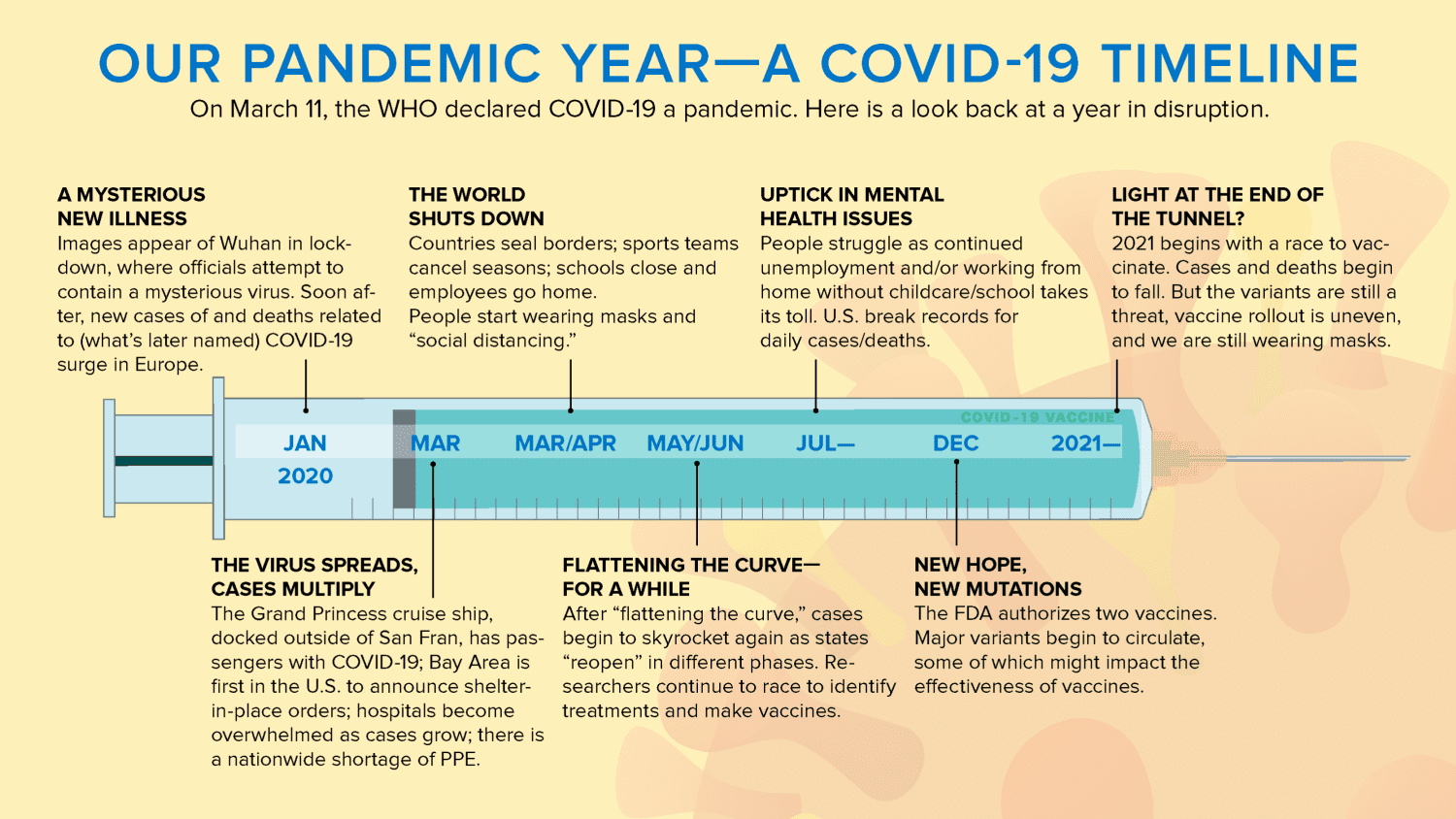
The first cases of COVID-19 were reported in Wuhan, China, in December 2019. By January 2020, the World Health Organization (WHO) had declared the outbreak a public health emergency of international concern. As the virus spread rapidly, countries began to implement measures to prevent further transmission. Lockdowns, travel restrictions, and mass testing became standard practices as healthcare systems around the world braced for an unprecedented challenge.
Key Events:
- December 2019: Early reports from Wuhan, China about an unknown pneumonia-like illness.
- January 2020: The World Health Organization (WHO) declares a Public Health Emergency of International Concern.
- March 2020: The WHO officially declares COVID-19 a pandemic as cases explode worldwide.
The Global Response
As the pandemic spread, countries around the globe implemented various measures to curb the virus. Lockdowns became a common response, with millions of people confined to their homes. Healthcare systems faced immense strain, with hospitals overwhelmed by the number of COVID-19 patients. Essential workers, including healthcare professionals and frontline staff, became heroes in the battle against the pandemic.
Key Events:
- March 2020: The WHO declares COVID-19 a global pandemic.
- March 2020: Countries across the world implement lockdowns, including the United States and much of Europe.
- April 2020: The global healthcare system begins to feel the weight of the pandemic, with many hospitals reaching full capacity.
The Race for Vaccines
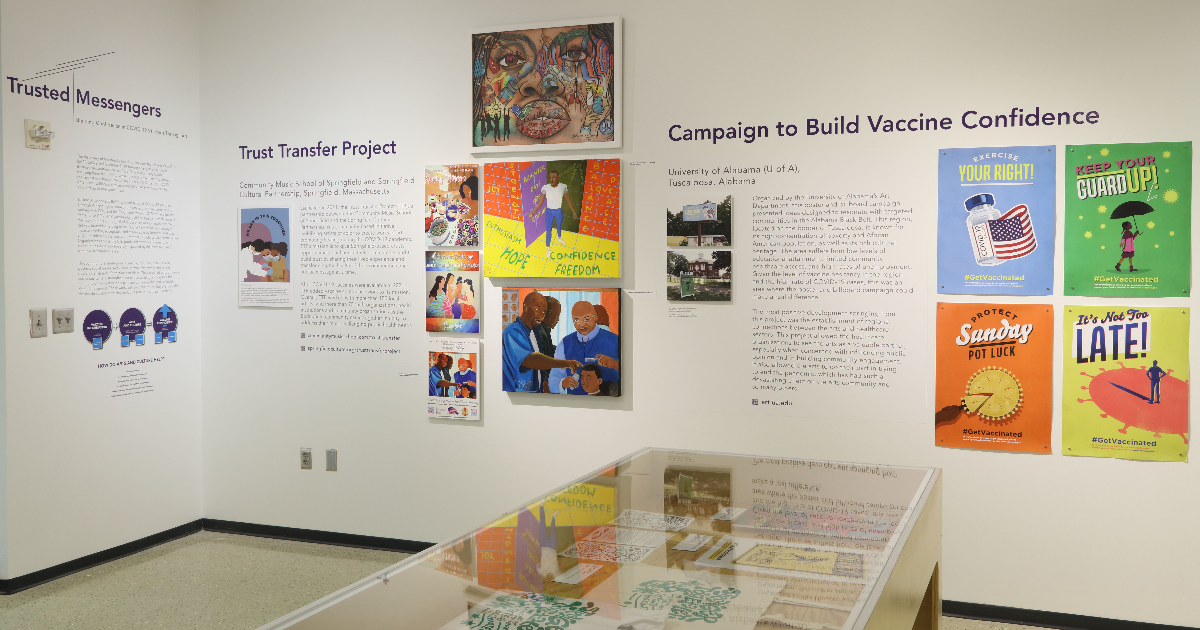
By mid-2020, scientific communities around the world raced to develop a vaccine. Pharmaceutical companies announced promising results for COVID-19 vaccines in late 2020, sparking hope that the global health crisis might soon come to an end. The rollout of the vaccines began in December 2020, but challenges remained, including distribution issues, vaccine hesitancy, and emerging variants of the virus.
Key Events:
- July 2020: Clinical trials for COVID-19 vaccines begin, with several companies claiming progress.
- November 2020: Pfizer and Moderna announce successful vaccine trials with high efficacy rates.
- December 2020: The United States and other countries begin the first wave of COVID-19 vaccinations.
Variants and Continued Struggles

As vaccines rolled out, the world faced another challenge: the emergence of new variants of the virus, including the Delta and Omicron variants. These new strains were more contagious and, in some cases, more resistant to vaccines. Despite the challenges, global vaccination efforts ramped up, and many countries began to see a decrease in cases and deaths. However, the global fight against the pandemic was far from over.
Key Events:
- January 2021: The first wave of COVID-19 vaccinations is administered globally.
- May 2021: The Delta variant emerges, spreading rapidly in countries with low vaccination rates.
- November 2021: The Omicron variant is identified, prompting renewed global concerns over vaccine efficacy.
The Ongoing Fight
By 2022, many countries had achieved high vaccination rates, and the world began to adjust to living with COVID-19 as an endemic virus. However, challenges continued, including vaccine access in lower-income countries, the persistence of COVID-related health issues, and the psychological toll of the pandemic. The world learned to live with the virus while continuing to face new variants and the long-term effects of the pandemic.
Key Events:
- February 2022: The world adapts to living with COVID-19 as the pandemic transitions into an endemic phase in many countries.
- April 2022: Vaccination rates increase globally, but disparities remain, particularly in low-income nations.
- 2023: Ongoing efforts to address the mental health impact of the pandemic and the economic recovery continue.
Conclusion
The COVID-19 pandemic was a defining moment in modern history. While it brought unprecedented challenges, it also sparked innovation, solidarity, and resilience worldwide. The timeline of events shows how quickly and dramatically life can change, but it also highlights the importance of global collaboration, scientific advancement, and the ability to adapt. As we look to the future, the lessons learned from the COVID-19 pandemic will shape how we respond to future global health crises. The story of COVID-19 is far from over, but it marks a new chapter in the ongoing fight for global health and safety.