
Table of Contents
The Horrors of the Dog Meat Trade
The dog meat trade remains one of the most controversial and heartbreaking forms of animal cruelty, with millions of dogs being raised, trafficked, and slaughtered for meat each year. In some parts of Asia, the consumption of dog meat is considered a traditional practice, but it has faced growing opposition due to the inhumane treatment of the animals involved. Dogs raised for the meat trade are often kept in cramped, unsanitary conditions, subjected to physical abuse, and killed in ways that cause immense suffering.
These farms, where dogs are bred and raised for meat consumption, are frequently hidden from the public eye. The conditions are so horrific that many of these animals do not survive long enough to be sold for meat. Those that do often endure terrible trauma, including being transported under brutal conditions to markets where they are slaughtered. The fight against the dog meat trade has become a global cause, with activists, animal rights groups, and concerned individuals working together to put an end to this practice.
In recent years, several countries have made significant strides toward banning the dog meat trade, and animal welfare groups have been actively involved in rescuing dogs from these farms. However, despite these efforts, the trade continues to operate clandestinely in certain regions, making the rescue of these animals even more urgent.
The Role of Daniel Henney in the Rescue Operation
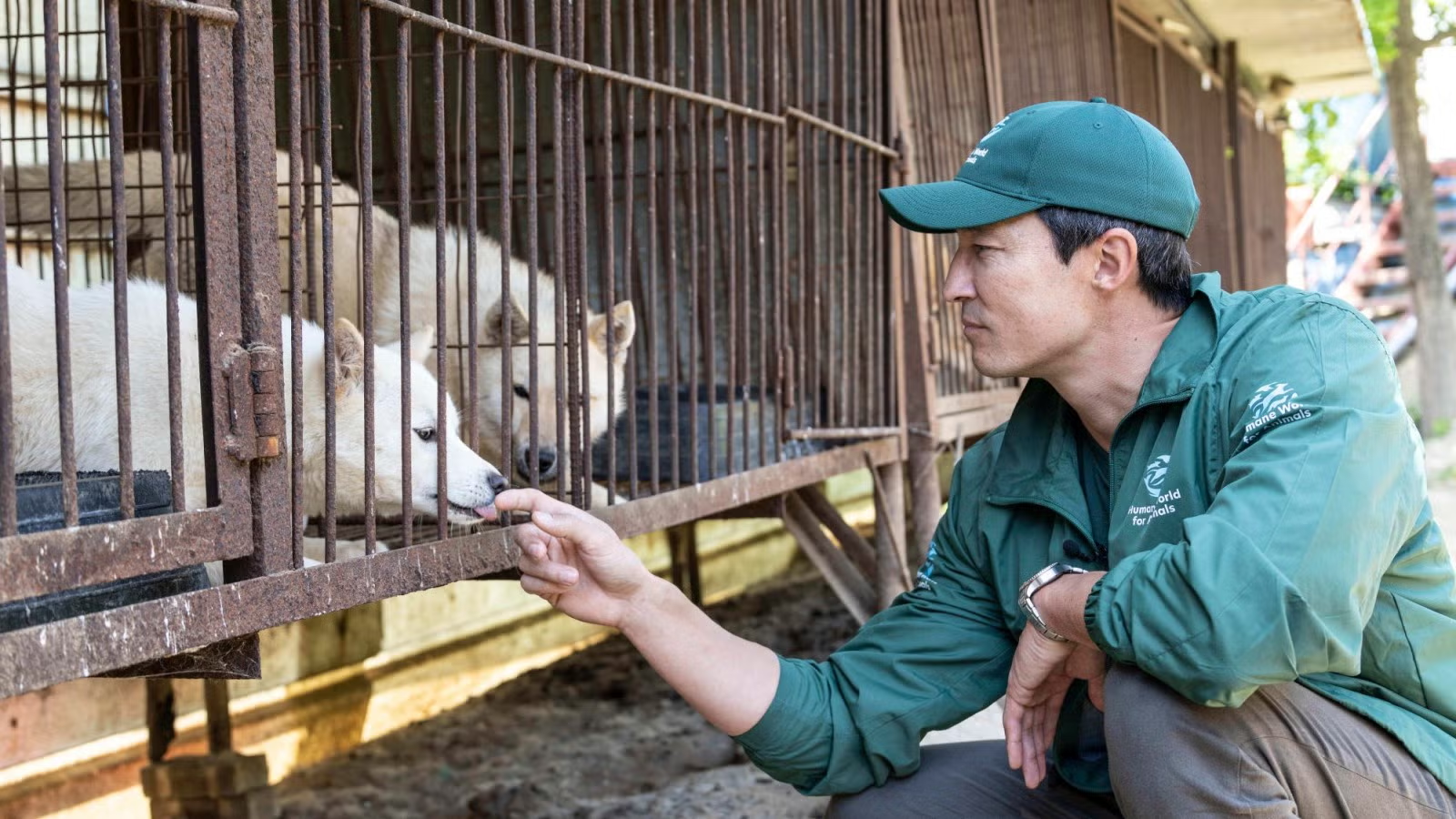
Daniel Henney’s involvement in the rescue of 67 dogs from a dog meat farm is not his first foray into animal rights activism. The actor, who has always had a strong connection with animals, has been a vocal advocate for their welfare throughout his career. Henney’s passion for protecting animals led him to work alongside various animal welfare organizations, and his role in this particular rescue mission has brought a high level of attention to the cause.
Henney, who was deeply moved by the horrific conditions the dogs were subjected to, traveled to the location of the farm to personally oversee the rescue. His participation in the operation was not only symbolic but also helped raise the profile of the rescue effort. Henney’s involvement is particularly significant because of his influence in the entertainment industry and his ability to connect with a broad audience. By using his platform to speak out against the dog meat trade, Henney has helped draw attention to this important issue, encouraging more people to join the fight for animal welfare.
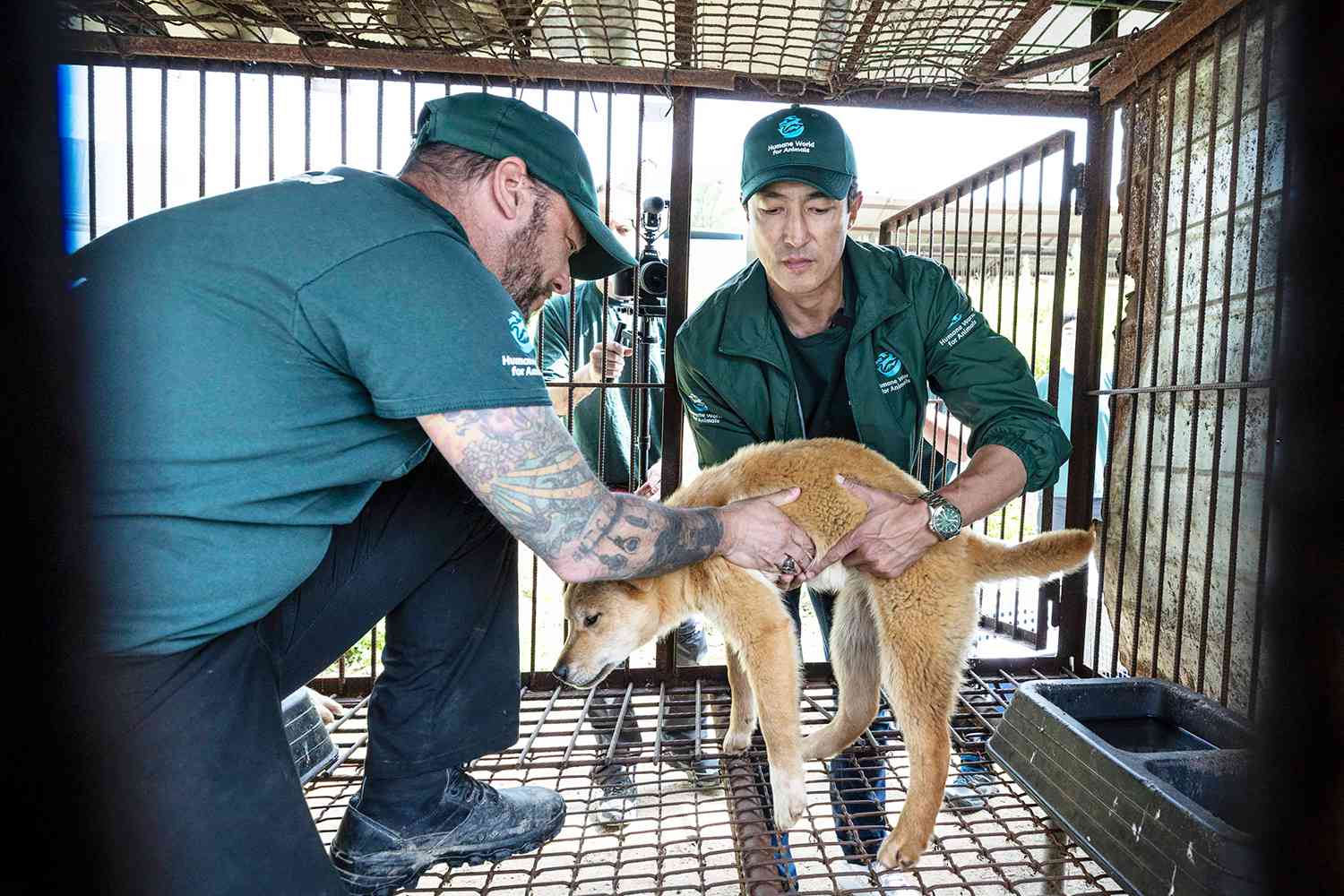
During the rescue, Henney worked closely with local animal welfare groups and volunteers to ensure the safe removal of the dogs from the farm. The operation required careful planning and coordination, as the farm was located in a region where the dog meat trade remains active and well-protected. Despite the challenges, the rescue was a success, and all 67 dogs were safely transported to a rescue center where they will be rehabilitated and eventually placed in loving homes.
The Rescue Mission
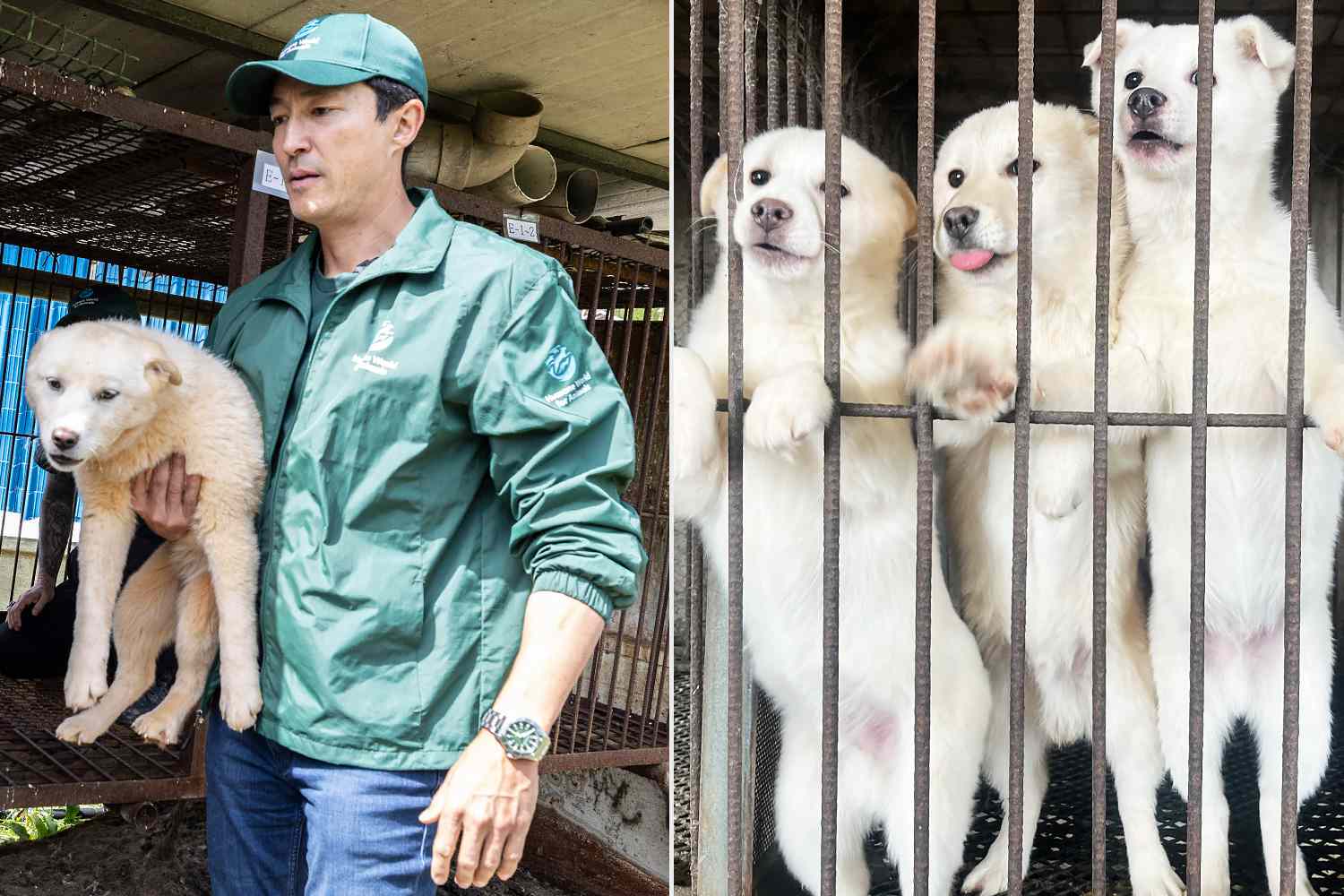
The rescue operation to free the 67 dogs from the dog meat farm was a complex and dangerous mission. The farm, which had been under surveillance for several months, was located in a remote area, and the rescue team had to work quickly to ensure the safety of the animals and the success of the operation. In total, 67 dogs were rescued, including a mix of puppies and adult dogs, all of whom had been subjected to unimaginable conditions.
The dogs were found living in cramped, filthy cages with little access to food or water. Many were severely malnourished and had visible signs of injury or disease. The sight of these dogs in such dire conditions was a stark reminder of the horrors of the dog meat trade. However, thanks to the efforts of Henney, the animal welfare organizations involved, and a dedicated team of volunteers, the dogs were freed and given a chance at a better life.
The operation was not without its challenges, as the rescue team had to contend with resistance from those operating the farm. There were concerns about the safety of the dogs during transport and the logistics of getting them to a safe location. However, thanks to the coordination of Henney and the animal rights groups, the rescue was carried out without incident. Once the dogs were safely removed from the farm, they were taken to a temporary shelter, where they would receive medical care and begin the rehabilitation process.
The Importance of Raising Awareness
One of the most important aspects of this rescue operation is the attention it has brought to the issue of the dog meat trade. While many people are aware of the cruelty involved in the dog meat industry, the practice still persists in certain parts of the world. By using his platform to raise awareness about the issue, Daniel Henney has helped shine a spotlight on this horrific practice and encourage more people to get involved in the fight against animal cruelty.
Henney’s involvement in the rescue also highlights the role of celebrities in raising awareness about important social issues. Celebrities have the ability to draw attention to causes that might otherwise go unnoticed, and Henney has used his status to advocate for animal welfare in a meaningful way. Through his advocacy and the publicity surrounding the rescue, Henney has encouraged his fans and followers to become more involved in protecting animals and supporting organizations that work to end the dog meat trade.
In addition to raising awareness, Henney has also worked to promote positive change by supporting organizations that are actively fighting the dog meat trade. His advocacy for these groups has led to greater support and funding for their efforts, helping to ensure that more rescues like this one can take place in the future.
The Ongoing Battle Against the Dog Meat Trade
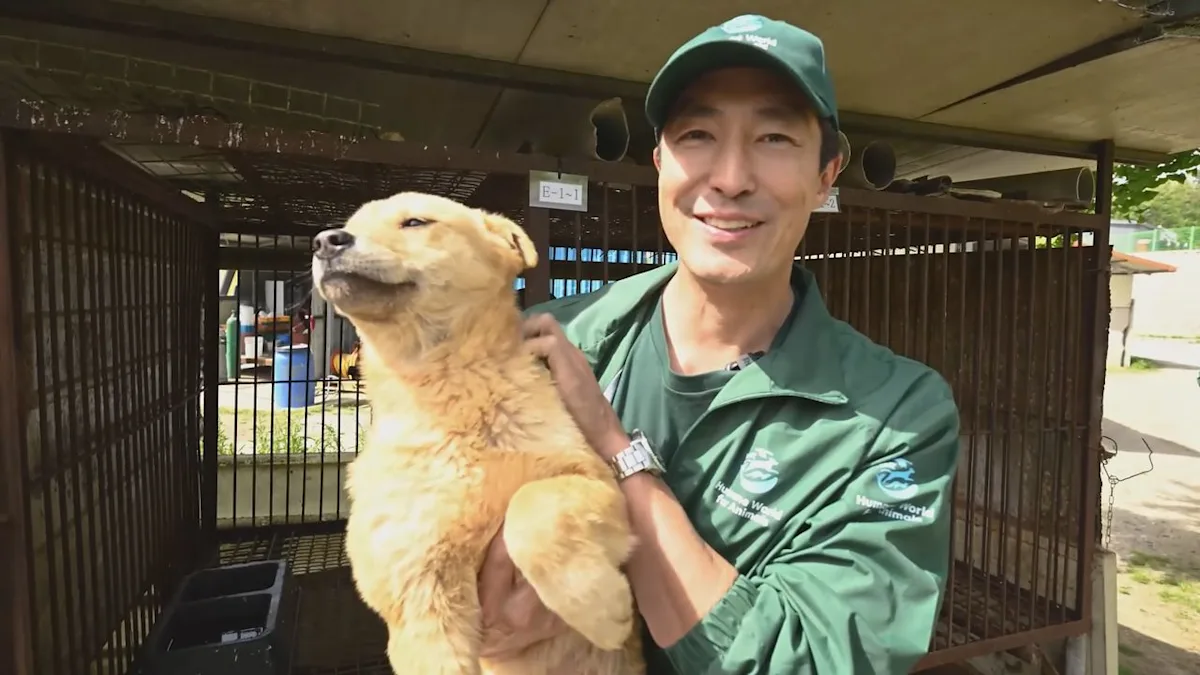
The rescue of 67 dogs from the meat farm is a major victory for animal welfare, but it is just one of many such operations that need to be carried out to combat the dog meat trade globally. Despite the efforts of activists and organizations, the practice still continues in some regions, and millions of dogs remain at risk. The ongoing fight to end the dog meat trade requires continued efforts from governments, animal rights organizations, and individuals who are committed to making a difference.
One of the key strategies in this fight is the implementation of stricter laws and regulations to prevent the slaughter of dogs for meat. Many countries have already taken steps to ban the practice, but enforcement remains a challenge. In addition to legal action, animal welfare groups continue to work on the ground to rescue dogs from farms and provide them with the care they need.
Public education also plays a crucial role in ending the dog meat trade. Many people are unaware of the brutal conditions under which dogs are raised and slaughtered for meat, and raising awareness about the issue can help to reduce demand for dog meat. By continuing to spread the message about the horrors of the dog meat trade, Henney and other advocates hope to bring an end to this practice once and for all.
Conclusion:
The rescue of 67 dogs from the dog meat farm with the help of Daniel Henney is a significant step forward in the fight for animal welfare. The successful operation not only saved the lives of these dogs but also brought much-needed attention to the ongoing issue of the dog meat trade. Henney’s involvement in the rescue underscores the importance of celebrity advocacy and the role of public awareness in effecting change.
As animal welfare organizations continue their efforts to combat the dog meat trade, it is clear that there is still much work to be done. However, with continued support from celebrities, activists, and the public, there is hope that the fight to end the dog meat trade will ultimately prevail. By rescuing dogs like the 67 involved in this mission and working to raise awareness about the issue, we can make meaningful progress toward a future where no dog is subjected to the horrors of the meat trade.