
Table of Contents
- A corporate protest with unusual force
- Why the shutdown hit airports so hard
- Ed Bastian’s anger was not subtle
- Congress was already under growing pressure
- The airport crisis became impossible to ignore
- Trump’s TSA pay order changed part of the picture, but not all of it
- Why taking perks away hits differently
- What the episode says about public patience
- A warning for the next shutdown fight
A corporate protest with unusual force
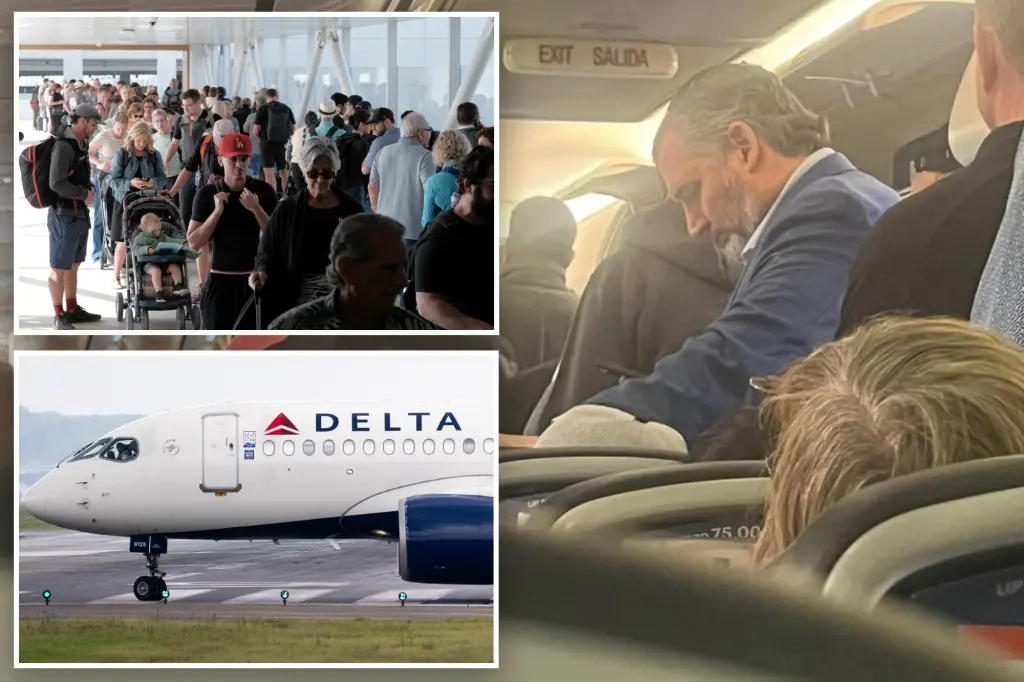
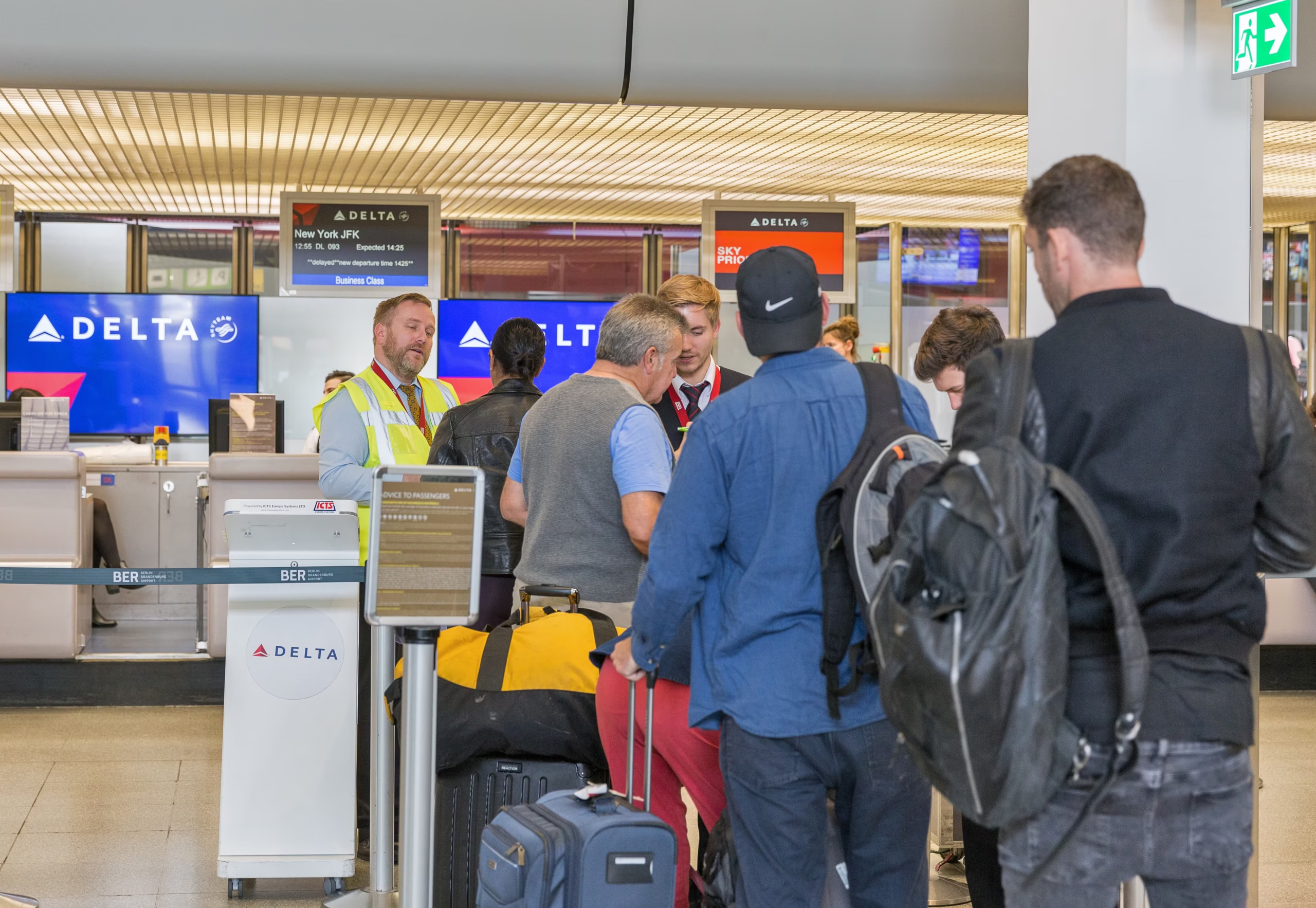
Delta’s decision stood out because airlines usually lobby quietly. They issue statements, join coalitions, and push lawmakers behind the scenes. This time, Delta turned its frustration into an action that was public, pointed, and easy for ordinary Americans to understand. According to Delta and multiple reports, the suspended services included extras such as airport escorts and red coat assistance, the kind of help that can smooth over hectic travel days for high profile or time pressed passengers. By taking those away from Congress, Delta created a form of pressure that was not legal or legislative, but reputational.
That matters because public anger around the shutdown has increasingly centered on fairness. TSA officers and other homeland security personnel spent weeks going without full pay while continuing to show up for work. Travelers were stuck in painfully long lines. Airports struggled to maintain normal operations. Against that backdrop, special treatment for lawmakers began to look not merely generous, but politically tone deaf. Delta seemed to recognize that quickly. Its statement said the shutdown had made it increasingly difficult to take care of both people and customers, and the company made clear that safety remained the top priority. In other words, this was not framed as a partisan move. It was framed as a decision driven by pressure on the airline system itself.
Why the shutdown hit airports so hard
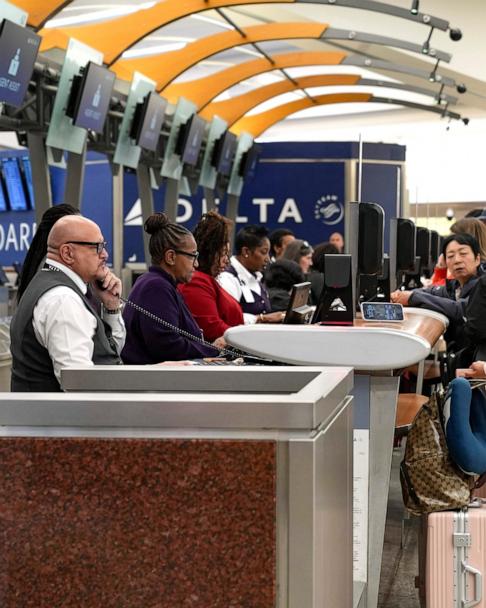
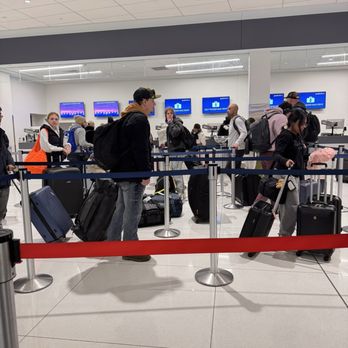
The broader story behind Delta’s decision is the shutdown’s effect on airport security. As the DHS funding lapse continued, TSA staffing deteriorated fast. Reuters reported that after six weeks without pay, absenteeism among TSA officers had surged and more than 500 officers had quit since mid February. The consequences were seen at some of the country’s busiest airports, especially in Atlanta and Houston, where security wait times became a national story. Reuters said delays at Atlanta had reached more than four hours at one point before conditions improved after retroactive pay was issued to TSA staff.
This helps explain why Delta, headquartered in Atlanta, reacted so strongly. Hartsfield Jackson Atlanta International Airport is not just another major airport. It is one of the most important hubs in the American aviation system and central to Delta’s network. When TSA strains become severe there, the impact ripples across the airline’s entire operation. Travelers miss flights. crews get delayed. connections fail. stress builds in terminals. What begins as a federal funding fight in Washington quickly becomes a direct operational crisis for carriers. Reuters and other outlets reported that even after pay resumed for TSA officers, absenteeism remained elevated at some airports, showing that the damage did not vanish overnight.
Ed Bastian’s anger was not subtle
Delta’s move was also a direct extension of the tone set by CEO Ed Bastian. Delta’s official newsroom said Bastian had urged Congress to resolve the DHS funding lapse quickly, and multiple reports quoted him calling the situation “inexcusable.” He also criticized lawmakers for using frontline security staff as political chips. That language was unusually sharp for a major airline executive, but it reflected how deeply the shutdown had affected the industry.
Bastian’s criticism did not exist in a vacuum. Airlines rely on federal systems every day, but TSA is especially central because it is the public facing backbone of passenger screening. When that backbone is shaken, carriers feel it immediately. Delta’s frustration was therefore not just moral or political. It was rooted in practical reality. Flights can be scheduled with precision, apps can be improved, and staff can be optimized, but none of that solves a security line crippled by understaffing and exhaustion. In that environment, taking away congressional travel perks became a way to say that lawmakers should not be insulated from the consequences of the shutdown while frontline workers absorb the pain.
Congress was already under growing pressure
The airline’s move came as political frustration over the shutdown was intensifying from several directions. Congress had been locked in a bitter standoff over how to fund DHS, with Republicans and Democrats split over immigration enforcement provisions and whether agencies like ICE should be funded without reforms. The Associated Press reported that the Senate had passed a bill funding most of DHS but excluding immigration enforcement components, while House Republicans rejected that compromise and pushed a separate short term measure. The result was a continuing impasse that kept much of DHS in partial shutdown even after President Trump moved to pay TSA employees by executive order.
That political deadlock made Delta’s action more explosive. It arrived at a moment when lawmakers were already facing criticism for leaving workers unpaid while continuing to debate strategy. In Washington, symbolic gestures can matter almost as much as legislation, and Delta’s move made the symbolism painfully clear. If TSA officers were standing at checkpoints without full pay, lawmakers would no longer glide through the airport wrapped in special assistance from one of the nation’s biggest airlines. The public could easily grasp that contrast, which is part of why the story spread so quickly.
The airport crisis became impossible to ignore
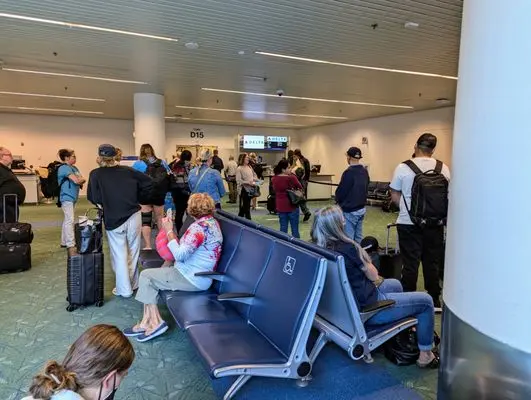
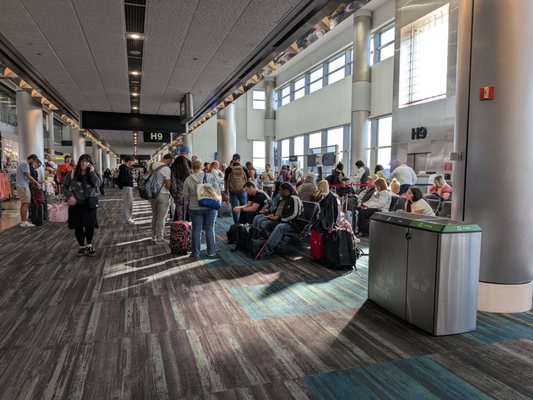
For weeks, the shutdown’s most visible face was chaos at security lines. Reuters reported that callout rates had climbed sharply before eventually falling after back pay arrived, but the recovery was uneven. Some major airports still showed elevated absenteeism, and the system remained fragile. Business Insider and People also reported that while lines had improved dramatically in some places by the end of March, the earlier crisis had already exposed just how vulnerable airport operations become when TSA staffing falters.
That fragility is key to understanding why Delta’s congressional desk became part of the story. Specialty services may seem minor compared with security staffing, but they sit inside the same stressed travel ecosystem. When an airline says resource constraints are forcing it to scale back special handling for members of Congress, it is signaling that the disruption has moved beyond abstract politics and into the daily mechanics of running an airline. It is also communicating that resources should be prioritized for ordinary customers and core operations rather than privileged treatment for elected officials.
Trump’s TSA pay order changed part of the picture, but not all of it
The White House tried to ease the crisis by authorizing pay for TSA workers even as the wider DHS shutdown continued. The Associated Press reported that Trump signed an executive order on March 27 directing that TSA employees be paid, a move meant to address growing airport disruption and staffing shortages. Reuters later reported that TSA workers received retroactive pay on March 31 and absence rates immediately declined. But the broader DHS funding lapse did not disappear, and tens of thousands of other homeland security employees still remained caught in the shutdown.
That partial fix is important because it shows why Delta’s anger did not instantly subside. Paying TSA workers addressed the most visible airport bottleneck, but it did not resolve the underlying standoff or restore stability across DHS. Agencies such as FEMA, the Coast Guard, and cybersecurity teams were still affected by the broader budget fight. Nor did retroactive pay erase the stress already inflicted on workers who had missed weeks of full compensation. By the time pay resumed, hundreds of officers had already quit, and airports had already suffered through severe delays. Delta’s move against Congress thus reflected accumulated frustration, not just one week of inconvenience.
Why taking perks away hits differently
There is a reason the story resonated beyond aviation. Americans are accustomed to hearing that lawmakers enjoy privileges unavailable to ordinary people. Whether fair or exaggerated, that perception is politically potent. So when Delta stripped Congress of airport escorts and red coat service, it tapped into a much larger feeling that elected officials should live with some of the same consequences they impose on others.
That feeling had already surfaced in Congress itself. Reuters and other reports noted that senators were considering measures to strip lawmakers of special travel privileges such as easier access through airport security processes. While those proposals carried their own legal and political complications, they reflected the same instinct driving Delta’s move. If the people writing the rules cannot solve a shutdown that harms transportation workers and passengers, why should they continue to enjoy the comfort of exception.
This is what made Delta’s action more than a travel industry footnote. It became part of a larger cultural and political demand for accountability. It translated a complicated funding battle into something visible and symbolic. No hearings were needed to explain it. No budget spreadsheet had to be interpreted. The message could be summarized in one sentence ordinary travelers would instantly understand: fix the shutdown, or fly like everyone else.
What the episode says about public patience
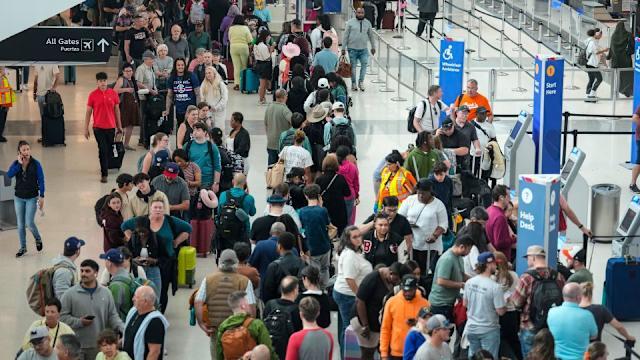
The Delta episode also revealed how thin public patience had grown. Shutdown fights are often described in procedural language, but their legitimacy depends on how much pain the public is willing to tolerate before blame hardens. In this case, the pain was unusually easy to see. Travelers stood in massive lines. TSA workers described financial distress. airlines warned of wider damage. airport operations became a national embarrassment. By the time Delta acted, many Americans were already primed to see lawmakers as detached from the consequences.
That is why this small but pointed policy change mattered. It cut through the fog of partisan argument. Democrats blamed Republican immigration demands. Republicans blamed Democratic filibusters and reform demands. The public heard both narratives, but Delta’s action spoke in the practical language of corporate pressure. It said that the shutdown had gone on long enough to force an airline to change how it treats Congress itself.
A warning for the next shutdown fight
In the end, Delta’s decision may not change a single vote in Congress. It may not reopen DHS on its own, and it may not resolve the deep policy disagreements driving the standoff. But it did something else that matters in Washington. It embarrassed lawmakers in a highly visible way while aligning the airline publicly with unpaid security workers and frustrated travelers.
That may be the deeper lesson of this story. In a polarized era, political leaders increasingly expect criticism from the other party, from activists, and from cable television. What can still sting is a rebuke from an institution embedded in ordinary American life. Delta is not a protest group. It is a major airline trying to keep planes moving through a strained national system. When a company like that decides Congress no longer deserves special handling, it sends a different kind of signal.
The DHS shutdown exposed more than a budget breakdown. It exposed how quickly public systems fray when frontline workers are treated as bargaining chips, and how little tolerance remains for leaders who appear protected from the disruption. Delta’s move did not solve the crisis, but it captured its moral imbalance perfectly. At a moment when airport workers were carrying the burden and travelers were absorbing the fallout, the airline decided the people running the stalemate should feel at least a little of the inconvenience themselves.