

Table of Contents
A Turning Point in U.S. Politics
In a move that will go down in the history books, former U.S. President Donald Trump became the second person in the country’s history to be impeached twice. This unprecedented political event raises important questions about the future of U.S. politics, the strength of the U.S. Constitution, and the evolving relationship between the presidency and accountability. But what does this historic impeachment mean for Trump’s legacy, and how will it impact the American political landscape?
This article will delve into the details of Trump’s second impeachment, examining the factors that led to this moment, the legal and political implications, and the broader consequences for U.S. democracy. We will also explore the significance of the impeachment process itself and how it has shaped the nation’s political identity.
A Recap of Donald Trump’s First Impeachment
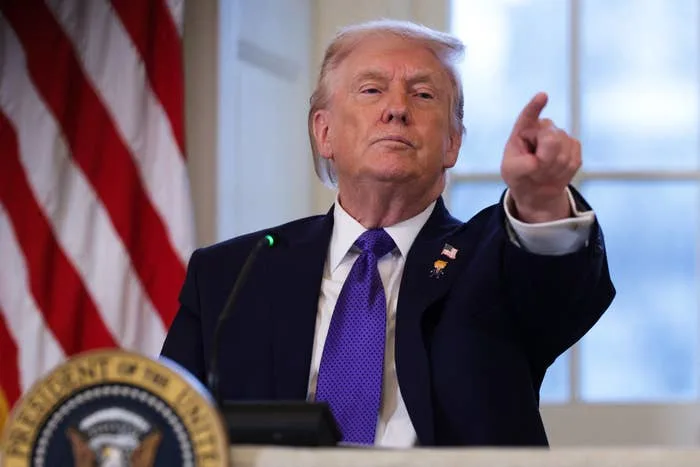
Before delving into the events that led to Trump’s second impeachment, it is important to recall the first time the 45th president of the United States faced impeachment. In 2019, Trump became the third president in U.S. history to be impeached by the House of Representatives after being accused of abuse of power and obstruction of Congress. This impeachment stemmed from allegations that Trump had pressured Ukraine to investigate his political rival, Joe Biden, during the 2020 presidential election cycle.
While the Senate ultimately acquitted Trump in early 2020, the impeachment process set a new precedent for presidential accountability and highlighted the deep partisan divides within the American political system. The fallout from the first impeachment still reverberated through the nation, especially as Trump’s tenure continued to be marked by controversy, divisive rhetoric, and an unprecedented global crisis in the form of the COVID-19 pandemic.
The Events Leading to Trump’s Second Impeachment
Fast forward to January 2021, when Trump faced a second impeachment after the events of January 6th, a day that would forever be etched into American history. On this day, a mob of Trump supporters stormed the U.S. Capitol building in an effort to disrupt the certification of Joe Biden’s victory in the 2020 presidential election. The attack on the Capitol was a shocking and violent display of political unrest, leaving five dead and many more injured.
In the aftermath of the Capitol riot, Trump was accused of inciting an insurrection through his inflammatory rhetoric, particularly a speech he delivered just hours before the attack. The speech urged his supporters to “fight like hell” to “stop the steal” of the election. This, coupled with his refusal to condemn the violence that ensued, led to his second impeachment by the House of Representatives on January 13, 2021.
The charge against Trump was clear: “incitement of insurrection.” This time, unlike the first impeachment, Trump’s actions were directly tied to a violent attack on the nation’s seat of government, raising the stakes significantly. The House of Representatives voted to impeach Trump for the second time, making him the first president in U.S. history to be impeached twice.
The Senate Trial
After the impeachment vote, Trump’s case was sent to the Senate for a trial. However, the trial was delayed until after Trump had left office, leading to questions about whether an impeachment trial could proceed against a former president. The Senate ultimately decided to move forward with the trial, despite these concerns.
The trial, which took place in February 2021, was marked by political polarization and fierce debate. Democrats argued that Trump’s actions on January 6th were a direct threat to American democracy and the rule of law, while Republicans largely defended Trump, claiming that his speech was protected under the First Amendment. Some GOP members also argued that the impeachment was politically motivated, designed to undermine Trump’s legacy and prevent him from running for office again.
The trial ended in a 57-43 vote, with seven Republicans joining all 50 Democrats in voting to convict Trump. However, this fell short of the required two-thirds majority for conviction, meaning that Trump was acquitted once again, although he remained the first president to be impeached twice.
The Legal and Political Consequences of a Second Impeachment
While Trump was acquitted in the Senate, his second impeachment has had lasting legal and political consequences. From a legal perspective, Trump’s second impeachment raised important questions about accountability for public officials and the limits of presidential power. The case set a powerful precedent for holding presidents accountable for their actions, especially when those actions threaten the functioning of the democratic system.
Politically, Trump’s second impeachment solidified his status as a deeply polarizing figure in American politics. The impeachment was a defining moment for both the Republican Party and the Democratic Party, as it forced lawmakers on both sides to confront the challenges of political polarization and partisan loyalty. It also raised important questions about how future leaders of the country might be held accountable for actions that undermine democratic processes.
Furthermore, the second impeachment has had implications for the future of Trump’s political career. Though acquitted, the Senate vote to convict him set the stage for possible future legal challenges, including the potential for Trump to face charges related to his role in the Capitol riot. The second impeachment also raised the possibility of Trump being barred from holding public office again, should he face a conviction and subsequent disqualification.
Trump’s Legacy

In the aftermath of his second impeachment, Trump’s legacy is now firmly cemented in the history books as a president who was not only impeached twice but whose actions sparked a violent assault on the U.S. Capitol. While his supporters continue to view him as a champion of populism and a defender of American values, critics see him as a president who undermined the rule of law, incited violence, and polarized the nation.
Trump’s second impeachment raises critical questions about the legacy of presidential power in the United States. What does it mean for the future of U.S. politics when a sitting president is twice impeached and yet remains a central figure in American political life? The long-term implications of Trump’s impeachment will likely be debated for years to come, as scholars, journalists, and politicians continue to assess the impact of his presidency on the nation’s democratic institutions.
The Future of U.S. Politics
Looking ahead, Trump’s second impeachment has highlighted the deep divisions within American politics and raised important questions about the future of the country’s political system. The impeachment revealed the power of political rhetoric and its potential to influence the actions of government officials and citizens alike. It also raised concerns about the health of U.S. democracy and the ability of political institutions to hold public officials accountable.
The question now is whether this event will mark a turning point in American politics or simply become another chapter in a tumultuous period in U.S. history. The political landscape remains deeply divided, and the implications of Trump’s impeachment will continue to shape debates about presidential power, accountability, and the future of the American democratic system.
Conclusion
Donald Trump’s second impeachment was a historic and unprecedented event in American politics. While the Senate acquitted him once again, the political and legal ramifications of his impeachment will continue to reverberate throughout the country. Trump’s place in history is now defined by this second impeachment, a symbol of his divisive presidency and the challenges facing American democracy.
As the nation moves forward, the legacy of Trump’s impeachment will serve as a reminder of the power of accountability and the importance of protecting democratic institutions. Whether or not Trump seeks to return to politics, his second impeachment will remain a defining moment in U.S. history, shaping the future of American leadership and political discourse for years to come.