
Table of Contents
- The Letter That Triggered National Attention
- Why The Experts Believe The Situation Is Serious
- Critics Say The Assessment Violates Ethical Standards
- Trump’s Doctors Continue To Defend His Health
- America’s Growing Anxiety About Aging Leaders
- The Nuclear Responsibility Argument
- Social Media Explodes With Reactions
- Mental Health And Politics Remain A Dangerous Combination
- Congress Faces Pressure But Removal Remains Unlikely
- What This Debate Could Mean For The Future
The Letter That Triggered National Attention
The controversy began after a coalition of neurologists, psychiatrists, psychologists, and other mental health professionals signed a public letter warning that Trump allegedly demonstrates what they described as “objectively observable” psychological and neurological warning signs.
According to the document, the group believes Trump exhibits worsening cognitive function combined with grandiose thinking and severely compromised impulse control. The professionals argued that his public behavior over the past year reveals patterns they believe are consistent with serious psychological deterioration.
One of the most controversial portions of the letter centered on the president’s role as commander in chief of the United States military. The signatories emphasized that a president has unilateral authority over the nation’s nuclear arsenal, making any concerns about mental stability especially significant.
The experts concluded that Trump represents what they described as a “clear and present danger” both domestically and internationally.
The language used in the statement was unusually direct for a public medical commentary involving a sitting president. That alone helped fuel widespread media coverage and heated political reactions across the country.
Why The Experts Believe The Situation Is Serious
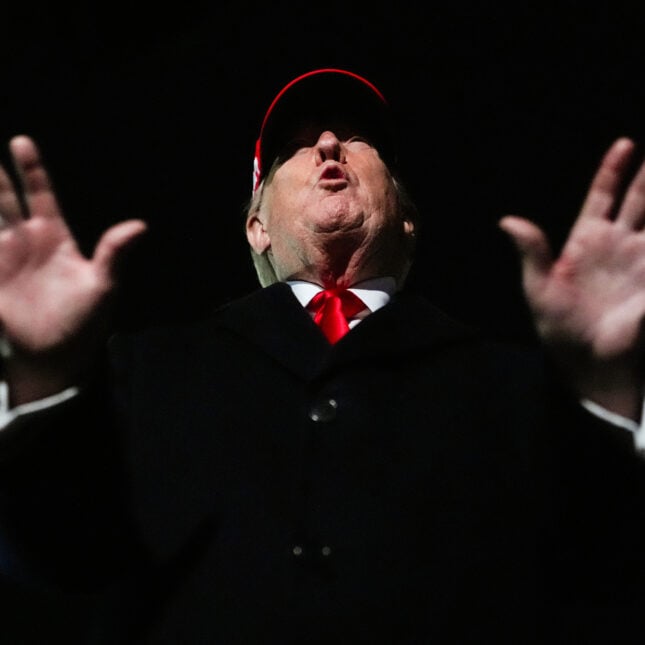
The professionals behind the letter pointed to what they see as escalating behavioral concerns visible during Trump’s speeches, interviews, rallies, and public interactions.
Among the issues cited were emotional instability, sudden mood changes, repetitive speech patterns, aggressive rhetoric, exaggerated self perception, and what they described as deteriorating self control.
Several experts reportedly expressed concern about Trump’s tendency to intensify conflicts publicly while dismissing criticism in increasingly hostile ways. Others pointed to moments during interviews and campaign style appearances where they believe his communication appeared disorganized or detached from reality.
The letter also referenced what the group called “escalating violence that threatens national and global stability,” though critics later argued that the wording itself was politically charged.
Importantly, the medical professionals acknowledged that none of them personally examined Trump. He is not a patient of any member involved in the statement. Instead, their conclusions were based entirely on observation of public behavior and recorded appearances over an extended period of time.
That detail immediately became one of the biggest sources of controversy surrounding the entire debate.
Critics Say The Assessment Violates Ethical Standards
Many medical experts who disagreed with the letter argued that publicly diagnosing a political figure without direct examination crosses important ethical boundaries.
The debate quickly revived discussion about the so called Goldwater Rule, an ethical guideline established by the American Psychiatric Association after the 1964 presidential election. The rule discourages psychiatrists from publicly diagnosing public figures whom they have not personally evaluated and obtained consent from.
Critics of the anti Trump letter argued that regardless of political beliefs, diagnosing someone from television appearances alone undermines the credibility of medical institutions.
Some defenders of Trump went even further, claiming the letter represented an attempt to weaponize mental health terminology for political purposes.
Conservative commentators accused the signatories of selectively interpreting Trump’s personality and communication style while ignoring similar concerns surrounding other aging political leaders.
Others argued that Trump has long displayed unconventional speaking patterns and combative rhetoric dating back decades before entering politics, meaning the current concerns may reflect personality traits rather than neurological decline.
The ethical debate soon became nearly as large as the mental fitness debate itself.
Trump’s Doctors Continue To Defend His Health
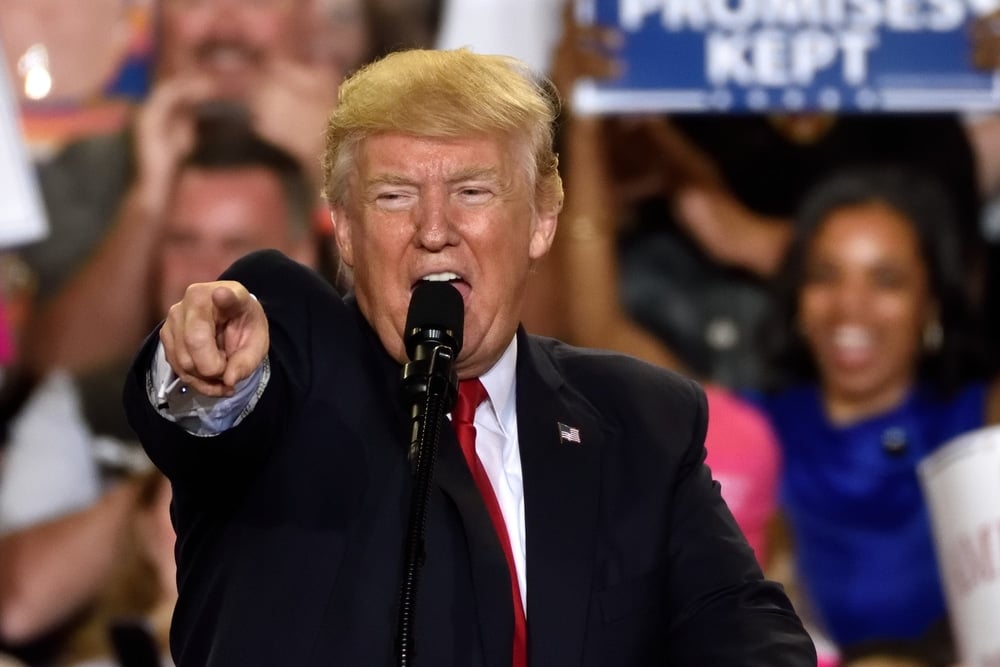
Despite the alarming claims made in the congressional letter, Trump’s personal medical team has repeatedly insisted that the president remains healthy and fully capable of performing his duties.
According to previous reports released by Trump’s physician, the president was described as being in “exceptional health.” Earlier physical evaluations also reportedly concluded that he was fully fit to serve as commander in chief.
Those evaluations became a major talking point among Trump allies, who argued that professional medical examinations should outweigh public speculation.
Supporters also highlighted Trump’s intense campaign schedule, frequent public appearances, long speeches, and active travel commitments as evidence that he remains physically and mentally energetic despite his age.
Some Republicans accused critics of applying a double standard to Trump while downplaying similar concerns involving older politicians from both parties.
Still, the release of reassuring medical reports has not entirely silenced public concern. Questions about presidential age and cognitive performance have become increasingly common in modern American politics, especially as political leaders continue serving well into their seventies and eighties.
America’s Growing Anxiety About Aging Leaders
The Trump controversy is unfolding during a period when many Americans are already questioning whether the country’s political system relies too heavily on elderly leadership.
Over the past several years, debates about cognitive decline, memory problems, physical stamina, and mental sharpness have repeatedly surfaced regarding senior political figures from both major parties.
For many voters, the issue extends beyond Trump himself. It reflects growing unease about whether advanced age may impair decision making in positions carrying enormous national and global consequences.
The presidency of the United States demands constant attention, rapid crisis response, military oversight, diplomatic negotiation, and immense psychological resilience. Critics argue that the burden may become increasingly difficult with age, regardless of political ideology.
At the same time, others warn that equating age with incompetence risks unfairly stigmatizing older adults who remain highly capable and experienced.
The debate has therefore evolved into something much broader than one individual politician. It has become a reflection of America’s uncertainty about leadership, longevity, and institutional trust.
The Nuclear Responsibility Argument
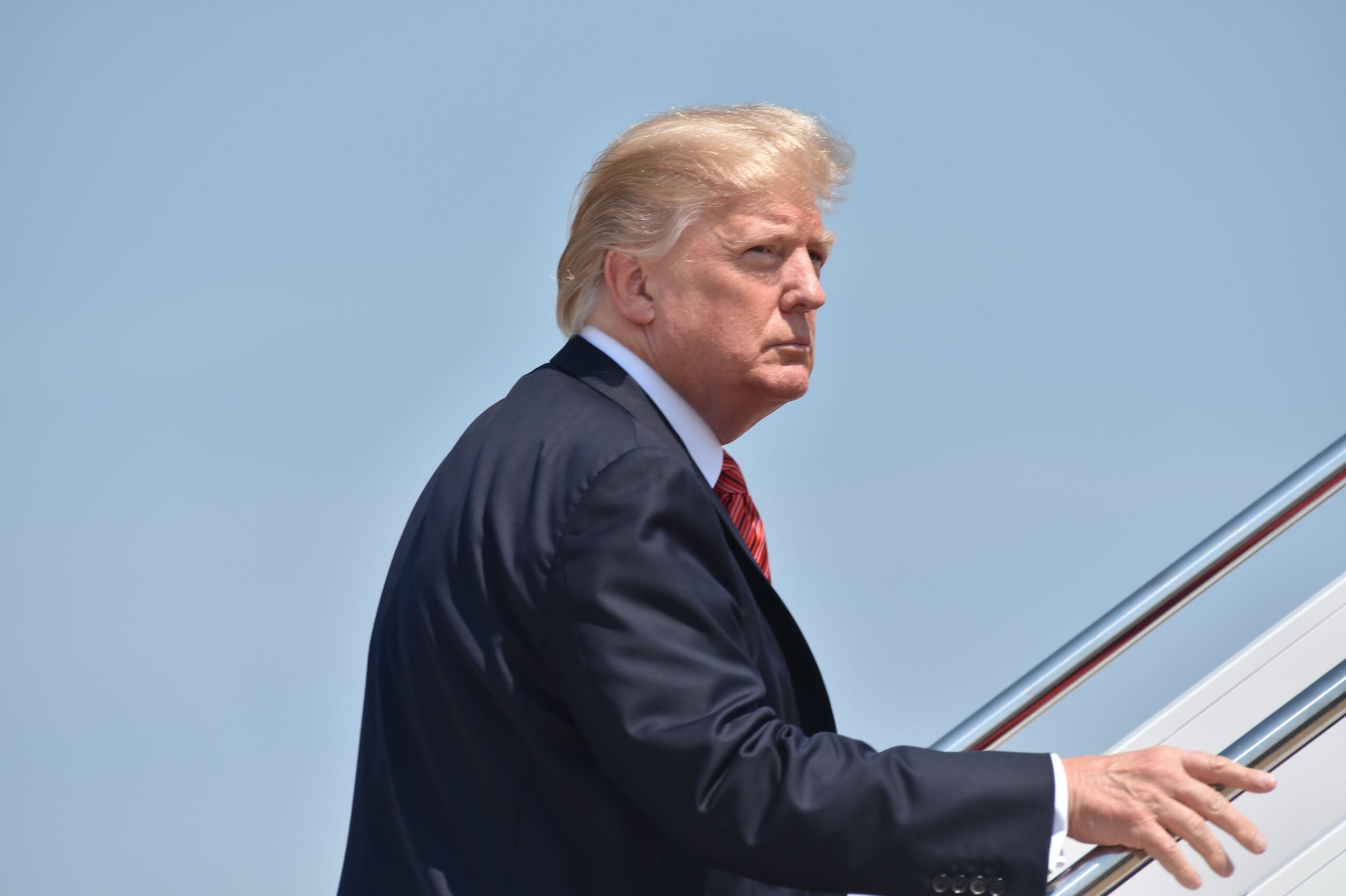
Perhaps the most emotionally charged portion of the experts’ letter involved Trump’s control over America’s nuclear arsenal.
The document stressed that thousands of nuclear warheads remain deployable under presidential authority, and that the president can issue launch orders with extraordinary speed during emergencies.
This argument was clearly designed to underscore the potential stakes involved if concerns about mental fitness were accurate.
For critics of Trump, the nuclear issue magnifies every question surrounding judgment, impulse control, and emotional stability. They argue that even a small risk becomes unacceptable given the destructive capability tied to presidential authority.
Supporters, however, countered that the American military system involves multiple layers of consultation, intelligence analysis, and strategic review before catastrophic actions occur.
Some defense experts also noted that emotional rhetoric about nuclear weapons can intensify public fear while oversimplifying the complexity of military command structures.
Nevertheless, the nuclear angle dramatically increased public attention toward the story because it framed the controversy not simply as political theater, but as a matter of global security.
Social Media Explodes With Reactions
The debate surrounding Trump’s mental fitness quickly exploded across social media platforms, where millions of Americans fiercely argued over the legitimacy of the medical concerns.
Critics shared clips of Trump speeches and interviews they believed demonstrated confusion, inconsistency, or erratic behavior. Supporters responded by posting examples of energetic rallies, sharp political attacks, and long unscripted interactions intended to prove the president remains mentally strong.
Hashtags related to cognitive decline, presidential fitness, and mental health trended rapidly online.
Some users praised the medical professionals for speaking out despite expected backlash. Others accused them of undermining democratic institutions by publicly intervening in partisan politics.
The controversy also exposed a growing public tendency to analyze politicians through viral video clips, memes, and isolated moments rather than comprehensive medical evidence.
Experts warn that social media can intensify confirmation bias, causing people to interpret identical footage in dramatically different ways depending on political affiliation.
In the end, the online reaction revealed just how deeply divided the country remains regarding Trump himself.
Mental Health And Politics Remain A Dangerous Combination
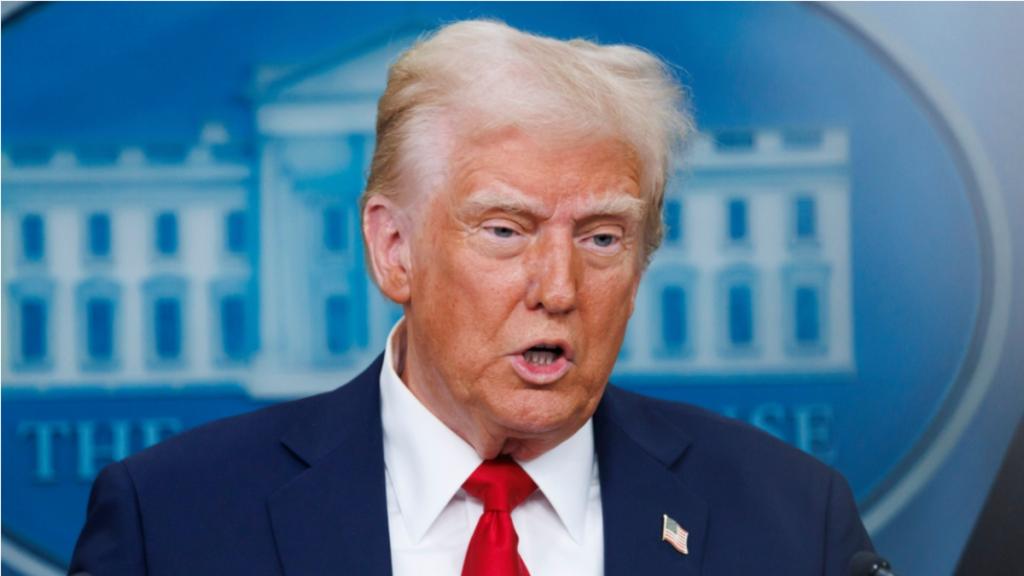
Historically, questions surrounding the health of political leaders have always generated intense controversy. From Franklin Roosevelt’s concealed medical struggles to modern debates about aging presidents, Americans have repeatedly wrestled with how much transparency the public deserves.
Mental health concerns create even greater sensitivity because psychiatric assessment often involves interpretation rather than clear physical measurement.
Unlike a broken bone or blood test result, cognitive fitness can be subjective and politically explosive.
That reality makes public conversations about presidential mental health uniquely dangerous. Supporters fear weaponization. Critics fear silence. Medical professionals fear ethical compromise. Voters fear instability.
The Trump controversy sits directly at the center of all these anxieties.
Some analysts believe future presidential campaigns may increasingly focus on mandatory cognitive testing and transparent health evaluations. Others warn such measures could open the door to politically motivated misuse.
Either way, the issue is unlikely to disappear anytime soon.
Congress Faces Pressure But Removal Remains Unlikely
Although the letter called for urgent action, there remains no immediate indication that Congress will pursue removal proceedings based on mental fitness concerns alone.
The Twenty Fifth Amendment provides mechanisms for addressing presidential incapacity, but invoking it would require extraordinary political consensus and institutional cooperation.
Historically, such measures have been viewed as options of absolute last resort.
Most political observers believe the current debate will remain primarily symbolic unless dramatically new developments emerge.
Even among some Trump critics, there is recognition that publicly observed behavior alone may not meet the threshold necessary for constitutional action.
Still, the existence of the congressional letter itself represents a remarkable political moment. Rarely do dozens of medical professionals collectively accuse a sitting president of being mentally unfit in such direct language.
Whether the concerns ultimately influence policy or elections remains uncertain. But the discussion has undeniably entered mainstream national discourse.
What This Debate Could Mean For The Future
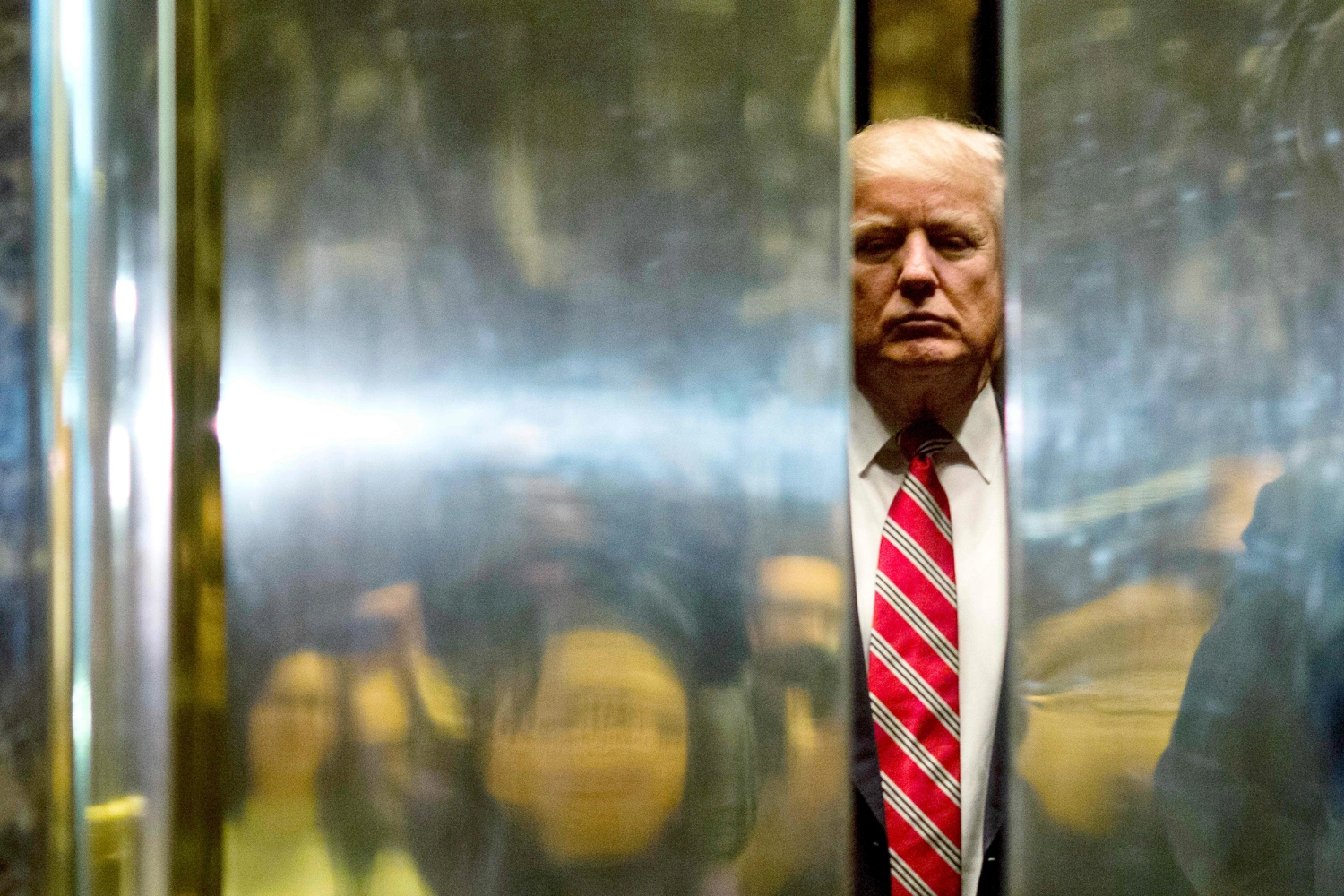
The controversy surrounding Trump’s mental fitness may ultimately become part of a much larger shift in how Americans evaluate political leadership.
In previous generations, voters often prioritized ideology, policy, charisma, or economic performance above all else. Increasingly, however, physical health, mental sharpness, emotional stability, and psychological resilience are becoming central public concerns.
This transformation reflects both modern media culture and rising anxiety about global instability. In an era of nuclear weapons, artificial intelligence, cyber warfare, and rapid geopolitical crises, many citizens now view presidential judgment as critically important in ways previous generations may not have fully considered.
At the same time, the fierce backlash against the medical experts reveals another reality. Americans remain deeply suspicious of institutions that appear politically involved, including scientific and medical authorities.
That tension creates a difficult paradox. The public wants reassurance about leadership stability, yet many distrust the people attempting to provide those evaluations.
As the 2026 political landscape continues evolving, the debate over Trump’s mental fitness may become more than a temporary controversy. It could become a defining example of how modern democracies struggle to balance transparency, ethics, political division, and public trust in an increasingly volatile world.