
Table of Contents
- A Personal Journey to Defeat Cancer
- A Deep Loss Inspires Change
- A New Mission: Using Physics to Fight Cancer
- The Breakthrough: Laser Treatment Using Nanoparticles
- The Challenges of Being a Pioneer
- Making the Treatment Affordable
- Recognition and Support
- A Vision for the Future
- Changing the Future of Cancer Treatment
A Personal Journey to Defeat Cancer
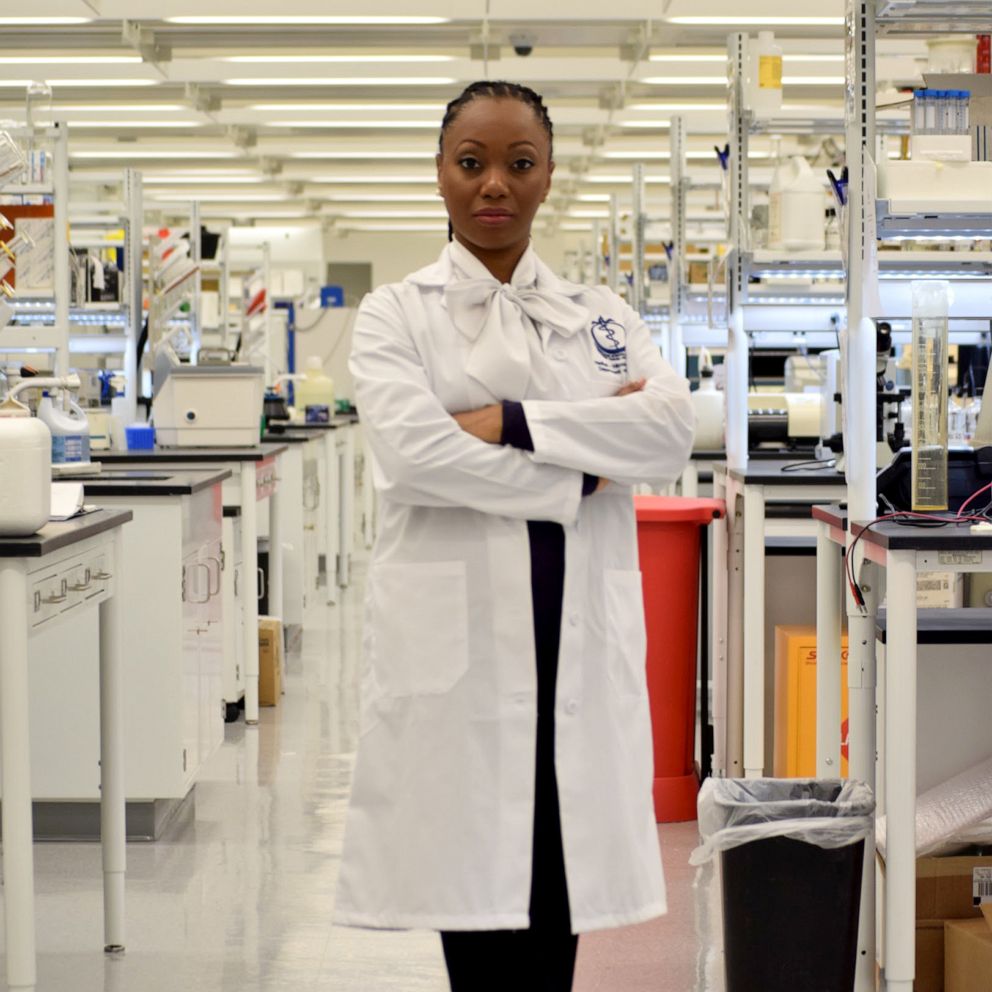
Dr. Hadiyah-Nicole Green’s journey to discovering a revolutionary approach to cancer treatment is deeply personal. She lost two people who raised her, her aunt and uncle, to cancer, which motivated her to dedicate her life to finding a better way to treat the disease. Raised by her aunt Oralee Smith and uncle General Lee Smith in St. Louis, Missouri, Dr. Green was a bright student, excelling academically and eventually earning her degree in physics from Alabama A&M University. Little did she know that the loss of her family would lead her down a path of scientific innovation that would not only change the way we treat cancer but could potentially save millions of lives.
This story highlights how personal loss, determination, and scientific curiosity can converge to create life-changing solutions. After caring for her aunt during her battle with cancer and witnessing the horrors of chemotherapy and radiation firsthand, Dr. Green became determined to find a way to treat cancer without the damaging side effects of traditional methods. What followed was the birth of a new approach to cancer treatment — using lasers to target and destroy cancer cells.
A Deep Loss Inspires Change
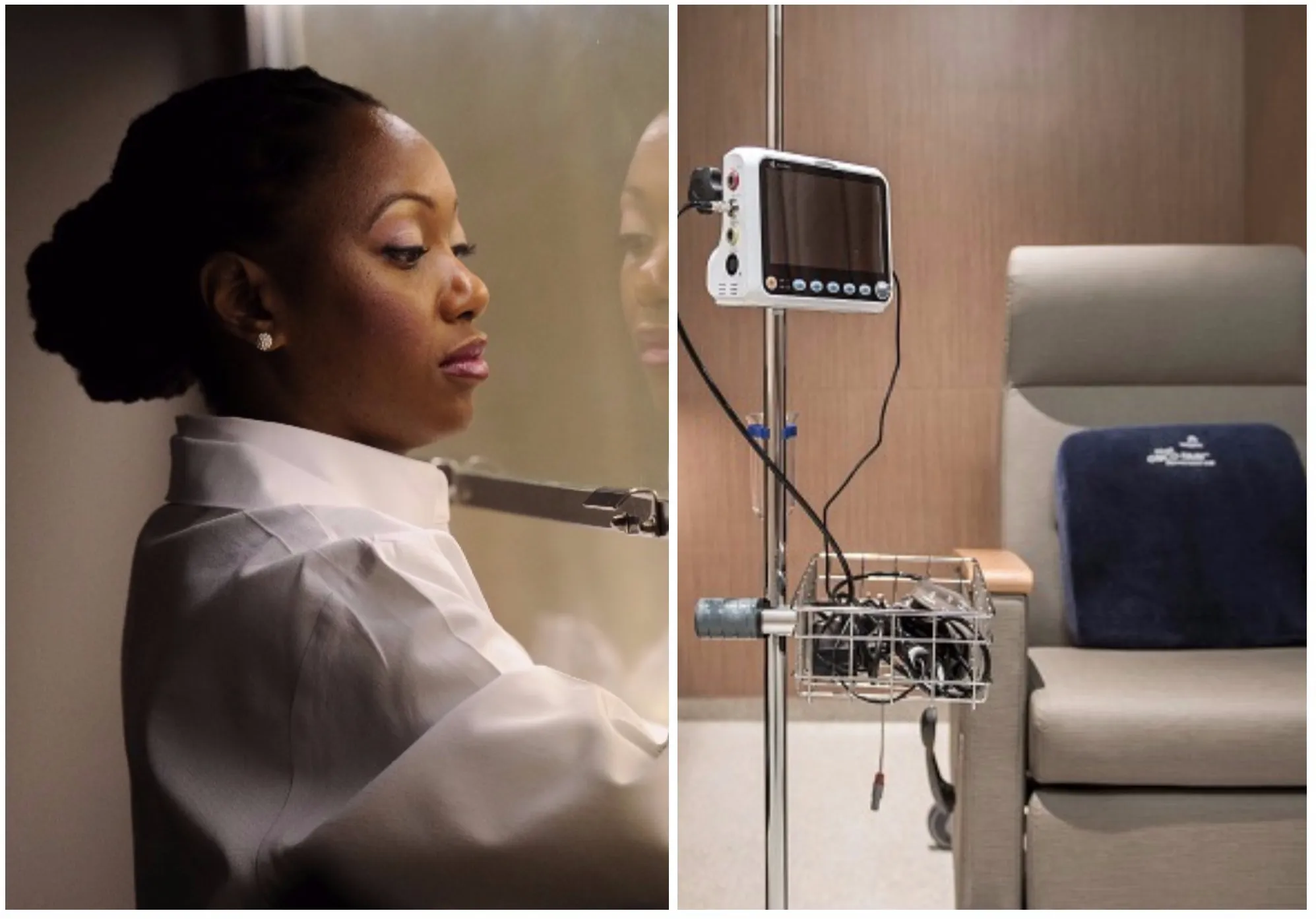
Dr. Green’s journey into the world of cancer research began under tragic circumstances. In 2005, her beloved aunt, who had been a mother figure in her life, was diagnosed with cancer. The news hit hard, especially because her aunt had kept her diagnosis a secret for eight years. The treatment options offered were difficult and invasive, and her aunt refused chemotherapy and radiation, opting instead for a more passive approach.
Dr. Green remembers her aunt’s painful decision not to undergo treatment, which was rooted in a deep fear of the side effects. “That was a profound statement to me,” Dr. Green recalls. “I didn’t understand it at first.” Sadly, her aunt passed away in 2005, but the experience would change Dr. Green’s life forever. Shortly after her aunt’s death, Dr. Green’s uncle was diagnosed with cancer as well. While he chose to undergo the rigorous treatments, the impact on his health was devastating.
Despite the treatment, her uncle’s condition deteriorated, and he too passed away. His suffering left Dr. Green questioning the conventional cancer treatments. Why, she wondered, if the cancer was localized, did the treatment affect the entire body? Despite chemotherapy’s potential to destroy cancer cells, the side effects were often worse than the disease itself. This pivotal moment cemented Dr. Green’s resolve to change the way cancer was treated.
A New Mission: Using Physics to Fight Cancer
After her uncle’s death, Dr. Green’s focus shifted from a general interest in science to a specific mission: to find a better way to treat cancer. She enrolled in the University of Alabama Birmingham to pursue a master’s and Ph.D. in physics, with a new goal in mind: to treat cancer in a way that didn’t destroy healthy cells.
During her time at UAB, Dr. Green began to explore the potential of laser technology. She learned that lasers could be used in combination with nanoparticles to selectively target cancer cells, sparing healthy tissue. The idea seemed promising, but it had never been attempted on such a scale before. Dr. Green decided to make this her life’s work.
The Breakthrough: Laser Treatment Using Nanoparticles
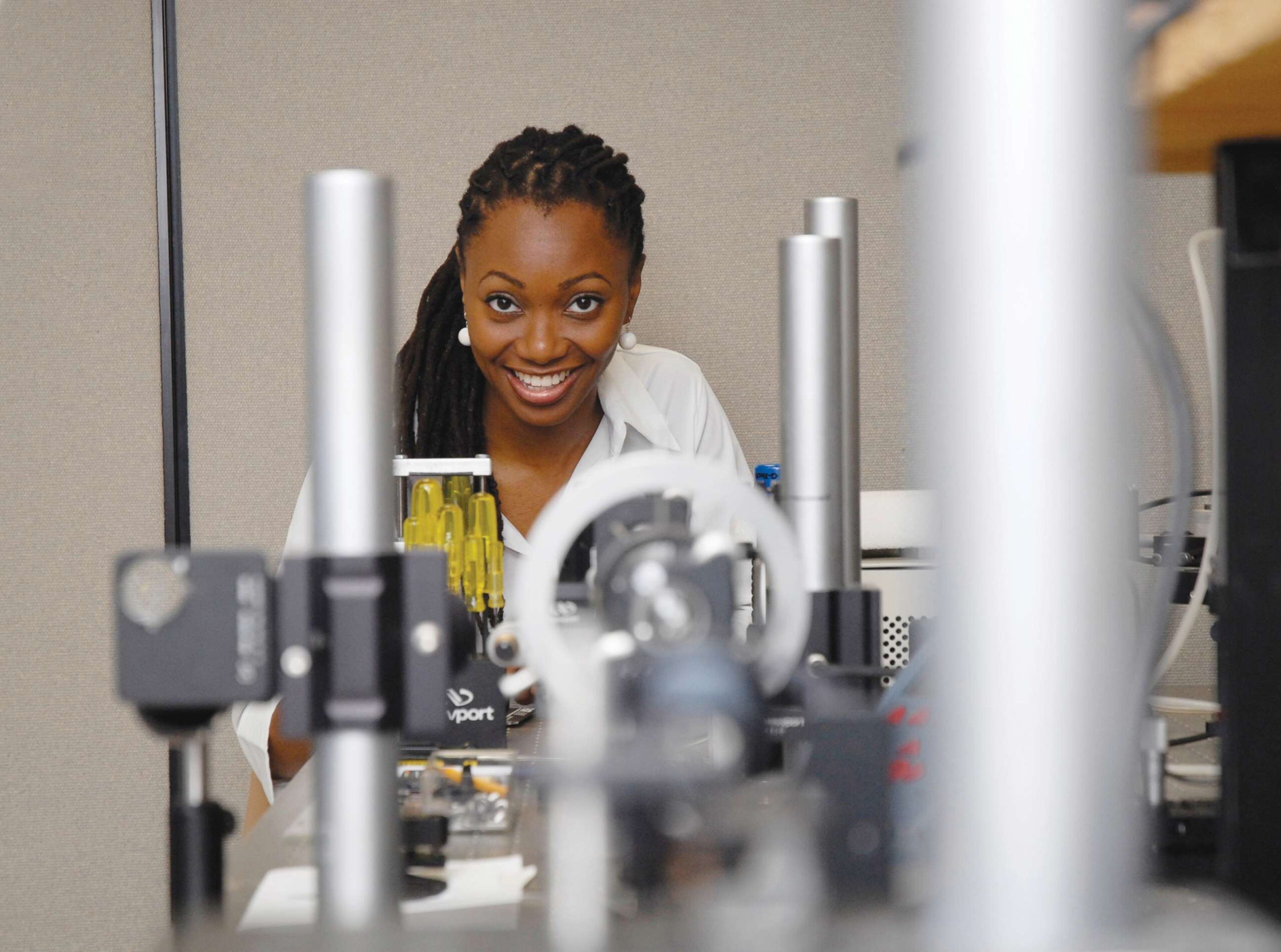
After years of research, Dr. Green succeeded in developing a method that used nanoparticles to deliver a laser directly to cancer cells, killing them without harming surrounding healthy tissue. This breakthrough was groundbreaking for several reasons. First, it offered a new, non-invasive treatment method. Second, it promised to do so without the painful and debilitating side effects associated with chemotherapy and radiation.
In animal studies, Dr. Green’s laser treatment was shown to be highly effective, and her work caught the attention of the medical and scientific communities. She became the first person to successfully cure cancer using nanoparticles in laboratory settings. The implications of her work were vast — potentially offering a safer, more effective way to treat a variety of cancers.
The Challenges of Being a Pioneer
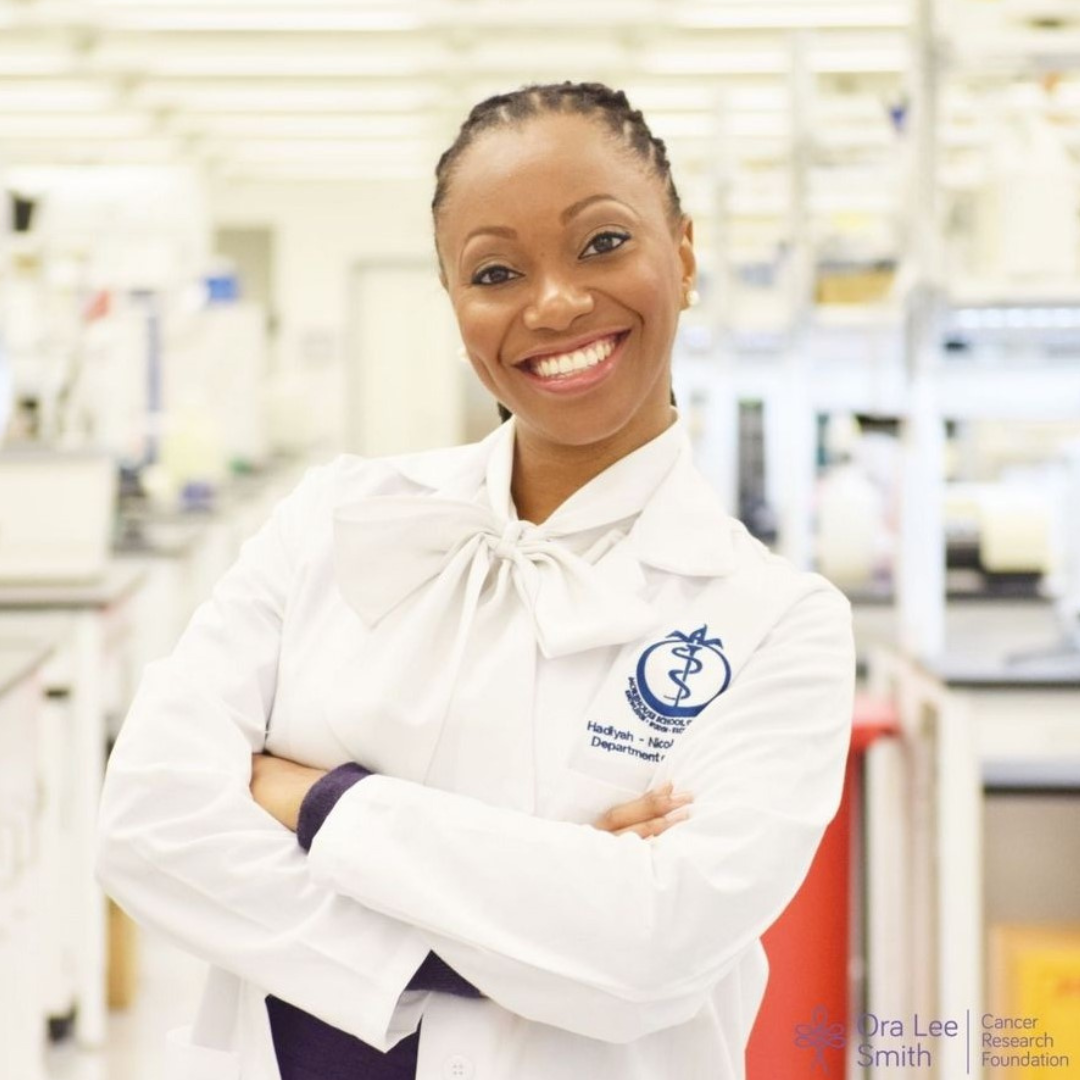
While the technology was groundbreaking, the path to success was not easy. Dr. Green faced countless challenges in her pursuit of this new cancer treatment. There were technical challenges in ensuring the nanoparticles could be delivered precisely to the cancer cells, and there were the typical struggles that come with any cutting-edge research, including skepticism from the scientific community and the difficulty of securing funding.
“It’s hard becoming one of the first,” Dr. Green said. “While you’re going through it, it’s not fun, it’s not cute. It’s a lot of trial and error, and you’re constantly pushing the limits of what’s possible.”
Despite these challenges, Dr. Green’s determination never wavered. She continued to work on perfecting her technology, testing it on animal models and refining the delivery system. Her dedication eventually paid off when she was able to demonstrate that her method was not only effective but could be done safely.
Making the Treatment Affordable
Dr. Green has always been committed to making her treatment affordable and accessible. As someone who was raised by a family who worked hard to make ends meet, she knew that the exorbitant costs of cancer treatment were a barrier to many people. “Cancer treatment can cost in the hundreds of thousands of dollars, and that’s just not sustainable for most people,” she said.
Rather than selling her technology to big pharmaceutical companies, Dr. Green founded the Ora Lee Smith Cancer Research Foundation, named after her late aunt, to fund her research and make her treatment available to those who need it most. Her goal is to offer this treatment at a fraction of the cost of traditional therapies, making it accessible to a broader population. She also plans to make her treatment available through a nonprofit model, ensuring that it remains affordable for people from all walks of life.
Recognition and Support
Dr. Green’s groundbreaking work has not gone unnoticed. In addition to her scientific achievements, she has been recognized for her efforts to make cancer treatment more equitable. She was awarded a $1.1 million grant to further her patent-pending technology, which will help accelerate the development of her treatment and make it available to more people.
In addition to her financial support, Dr. Green has garnered attention for her role as a trailblazer in the medical field. As one of the few Black women to earn a Ph.D. in physics, she is acutely aware of the importance of representation and the need to inspire future generations. “I don’t just represent myself, I represent all of us,” she said. “I am a role model for all of us, and I don’t take that lightly.”
A Vision for the Future
Dr. Green’s ultimate goal is to change the way cancer is treated and reduce human suffering. Her laser treatment has the potential to revolutionize the field of oncology, offering a safer, more effective option for patients. She hopes to see her technology become widely available, not only improving cancer treatment but also paving the way for new, innovative approaches to medicine.
“I realize that I’m just a vessel,” she said. “But I want to help humanity. It’s a huge honor, and it’s humbling to be at the forefront.”
Dr. Green’s work represents the intersection of personal loss, scientific innovation, and a deep commitment to improving the world. Her efforts could very well change the future of cancer treatment, saving countless lives in the process.
Changing the Future of Cancer Treatment
Dr. Hadiyah Green’s groundbreaking work with lasers and nanoparticles is setting the stage for a new era in cancer treatment. Her personal journey, driven by the loss of loved ones to cancer, has fueled her dedication to finding a better way to fight the disease. Through innovation, perseverance, and a commitment to making her technology accessible, Dr. Green is on the verge of transforming the way we approach cancer treatment — offering hope for a future without the devastating side effects of traditional therapies. Her work serves as an inspiration for scientists, patients, and future generations alike, reminding us all that with passion and determination, change is possible.