
Table of Contents
- The Humanitarian Crisis and Its Impact on Pets
- Why Are Pets Being Abandoned?
- The Plight of the Abandoned Pets
- The Role of Animal Shelters and Rescue Organizations
- The Expat Community’s Emotional Strain
- The Legal and Ethical Questions Raised
- The Growing Awareness of Animal Welfare in Conflict Zones
- The Future of Pet Ownership in Crisis Situations
- The International Response and Support for Animal Welfare
- A Call for Greater Compassion and Responsibility
The Humanitarian Crisis and Its Impact on Pets
As the war in Iran continues to worsen, many expatriates have been forced to leave Dubai and return to their home countries or seek refuge in other nations. However, with limited resources and the urgency of their departure, some individuals have been left with no choice but to abandon their pets. The pets, often seen as family members, are left behind in a city where they have no one to care for them. Animal shelters in Dubai have been overwhelmed by the influx of abandoned pets, with many struggling to find space, food, and medical care for the animals left behind. The situation is not only a tragedy for the animals but also highlights the emotional toll the conflict has had on expatriate families.
Why Are Pets Being Abandoned?

The reasons behind the abandonment of pets are complex and multifaceted. For many expatriates, the decision to leave their pets behind is driven by financial constraints and the overwhelming pressure to leave quickly. With travel restrictions, limited flights, and the financial burden of relocating during a crisis, some owners simply cannot afford to bring their pets with them. Others may face logistical challenges, such as finding pet-friendly accommodations or securing necessary paperwork for their animals to travel. In many cases, the emotional strain of the war, combined with the practical difficulties of fleeing a conflict zone, has led some to make the heartbreaking decision to leave their pets behind, often without a clear plan for their future care.
The Plight of the Abandoned Pets
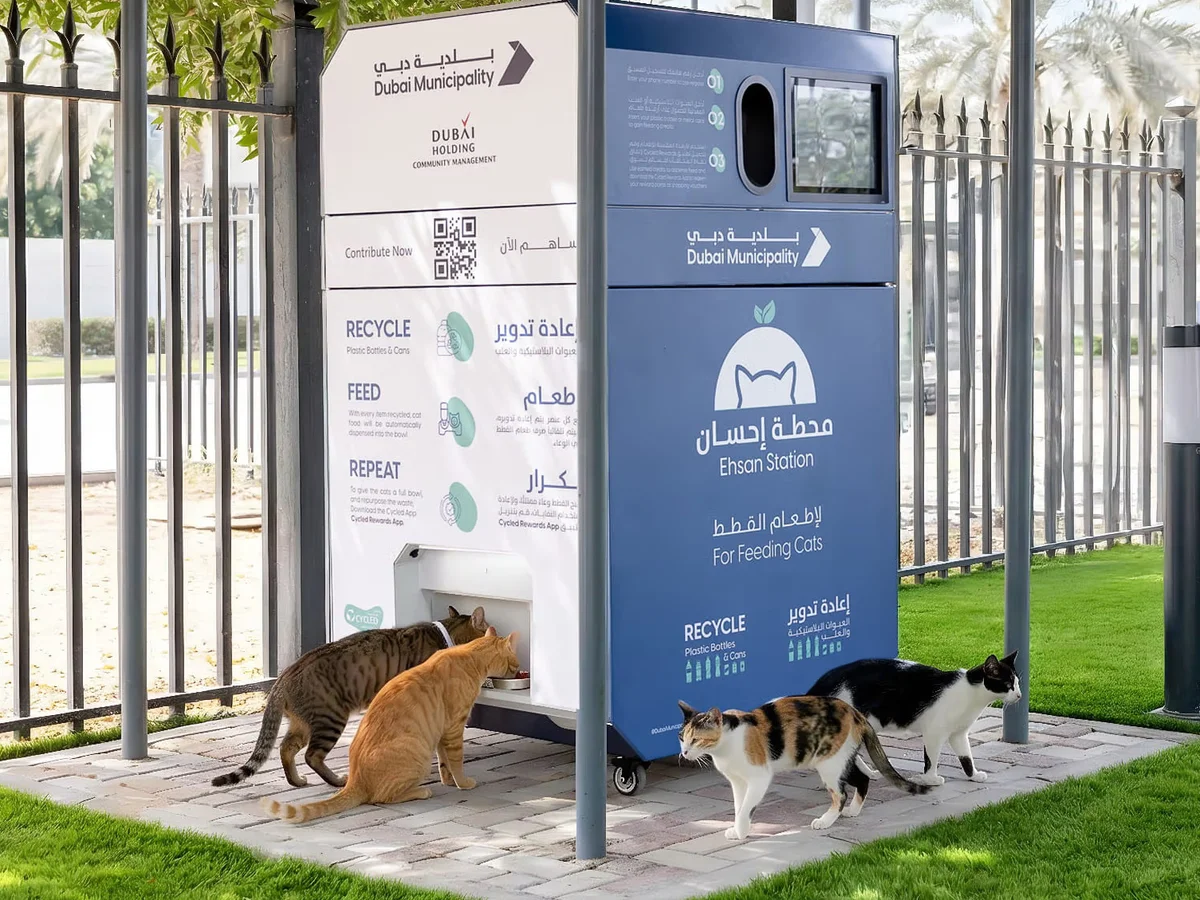
The abandoned pets left behind in Dubai face a grim fate. Many of the animals, particularly dogs and cats, have been found wandering the streets, hungry, scared, and confused. Animal rescue groups in the city have reported a rise in the number of stray animals, with many of them showing signs of neglect and malnutrition. Shelters are struggling to keep up with the demand, and the limited space available means that some animals are left without adequate care or protection. While some pets have been fortunate enough to be rescued and rehomed, others continue to suffer on the streets, their futures uncertain. The situation is a stark reminder of the vulnerability of animals in times of crisis and the challenges faced by those who care for them.
The Role of Animal Shelters and Rescue Organizations

In response to the increasing number of abandoned pets, animal shelters and rescue organizations in Dubai have stepped up their efforts to provide care for the animals. Local organizations have been working tirelessly to rescue and rehabilitate abandoned pets, providing medical care, food, and shelter. However, the overwhelming number of animals has strained these organizations, and resources are often limited. Volunteers and animal welfare advocates have been working around the clock to raise awareness and mobilize support for the abandoned pets. Despite their best efforts, the scale of the problem has raised questions about the need for more sustainable solutions to address pet abandonment in times of crisis.
The Expat Community’s Emotional Strain
The emotional strain on the expatriate community in Dubai is also significant. Many of the people who have been forced to leave their pets behind have expressed deep guilt and sorrow over their decision. The bond between humans and animals is powerful, and for many, the thought of abandoning a beloved pet is unbearable. Yet, the harsh realities of fleeing war, often with little notice and under extreme pressure, have left many expatriates in a difficult position. While some owners have tried to find alternative solutions, such as rehoming their pets with friends or family, others have been forced to make the heart-wrenching decision to leave their animals behind, knowing they may never see them again.
The Legal and Ethical Questions Raised

The abandonment of pets during times of crisis raises significant ethical and legal questions. While there are laws in place to protect animals from abuse and neglect, the situation in Dubai is complicated by the unique challenges posed by war and displacement. International laws regarding the treatment of animals during conflicts are not always clear, and many pet owners find themselves in a legal gray area. In some cases, owners who abandon their pets could face legal consequences, but the circumstances of the conflict complicate matters. Animal welfare groups have called for more robust legal protections for animals in times of crisis, as well as better infrastructure to support displaced animals and their owners.
The Growing Awareness of Animal Welfare in Conflict Zones
The abandonment of pets in Dubai is not an isolated incident but part of a larger issue of animal welfare in conflict zones. Around the world, pets and other animals often bear the brunt of human conflicts, suffering from neglect, abuse, and abandonment. Efforts to improve animal welfare during conflicts have gained traction in recent years, with international organizations and animal rights groups advocating for better protections for animals during times of war and displacement. The situation in Dubai has highlighted the need for more comprehensive approaches to animal welfare, particularly in regions affected by conflict. As awareness of these issues grows, there is hope that more will be done to protect animals in crisis situations.
The Future of Pet Ownership in Crisis Situations
Looking forward, there are several key challenges to address when it comes to pet ownership in crisis situations. One of the main issues is ensuring that pets are included in evacuation and relief efforts. In many cases, pets are seen as secondary to human needs, and their care is often neglected during crises. However, there is a growing recognition that pets are integral members of families, and efforts are being made to ensure that animals are not left behind in future evacuations. Governments and relief organizations are being urged to develop protocols for evacuating pets alongside their owners, ensuring that they are given the same level of care and consideration as human refugees. The future of pet ownership in crisis situations may depend on the ability of global communities to adapt to these challenges and recognize the importance of animals in human lives.
The International Response and Support for Animal Welfare
International responses to the abandonment of pets have been mixed, but animal welfare organizations are beginning to mobilize more effectively in crisis regions. Some international organizations have provided support for shelters and rescue groups in Dubai, helping to care for the abandoned animals and raise funds for their rehabilitation. However, more needs to be done to create long-term solutions to the problem of pet abandonment in conflict zones. Efforts to provide temporary shelters, financial aid, and medical supplies to organizations caring for displaced animals are essential in mitigating the effects of crisis on animal welfare. The international community must come together to ensure that animals are given the protection and care they deserve during times of war and disaster.
A Call for Greater Compassion and Responsibility
The abandonment of pets in Dubai as expatriates flee the escalating war in Iran is a tragic reflection of the broader challenges of animal welfare during times of crisis. As the world grapples with the human cost of conflict, it is vital to remember that animals, too, suffer in these situations. The plight of the pets abandoned in Dubai highlights the need for greater compassion, responsibility, and legal protections for animals in crisis zones. Going forward, it is crucial that we develop more sustainable solutions to address the issue of pet abandonment, ensuring that animals are given the care and attention they deserve, even in the most difficult of circumstances.