
Table of Contents
The Numbers Speak for Themselves
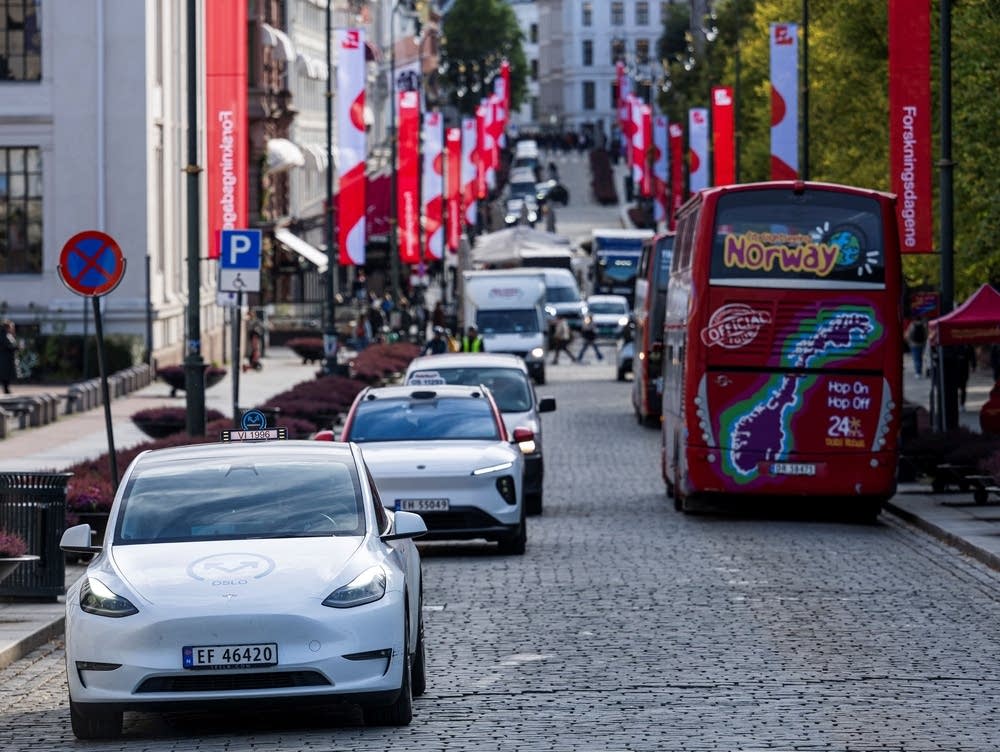
Norway’s electric car revolution is remarkable not just because of the sheer number of EVs on the roads, but also due to the speed with which the transition has occurred. As of 2024, electric vehicles account for over 50% of all new car sales in Norway, a feat no other country has managed to achieve at this scale. This milestone reflects a confluence of government incentives, consumer demand, and technological advances, making Norway the global leader in EV adoption.
The Norwegian government has played a pivotal role in this transformation by offering a range of incentives that make electric vehicles more attractive to consumers. These include exemptions from taxes and tolls, free parking, and access to bus lanes. For many Norwegians, these incentives have made the switch to an electric vehicle not just an environmentally conscious decision but also a financially savvy one. The combination of economic benefits and environmental awareness has made Norway a hotspot for EV adoption.
Tesla’s Dominance in the Norwegian Market
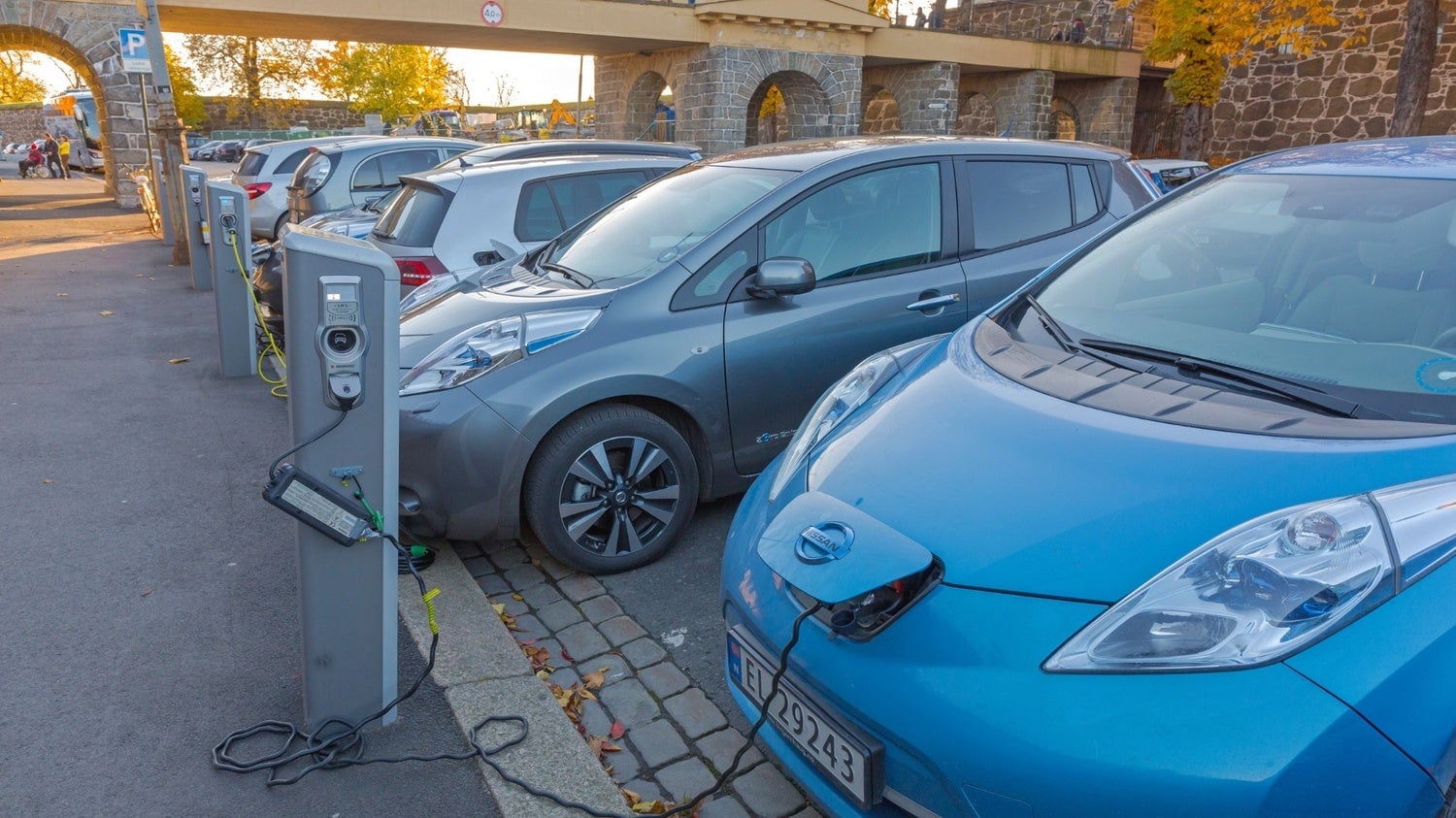
Tesla, the American electric car giant, has been a key player in the success of electric cars in Norway. In fact, Tesla has been the best-selling car brand in the country for several years. The Model 3, in particular, has been a bestseller, with its combination of performance, technology, and competitive pricing making it a popular choice for Norwegian consumers.
Tesla’s dominance in Norway is a testament to the company’s ability to meet the needs of a market that values sustainability, innovation, and quality. Norway’s government incentives, coupled with Tesla’s reputation for cutting-edge technology and long-range capabilities, have made the brand an easy choice for consumers looking to make the switch to electric.
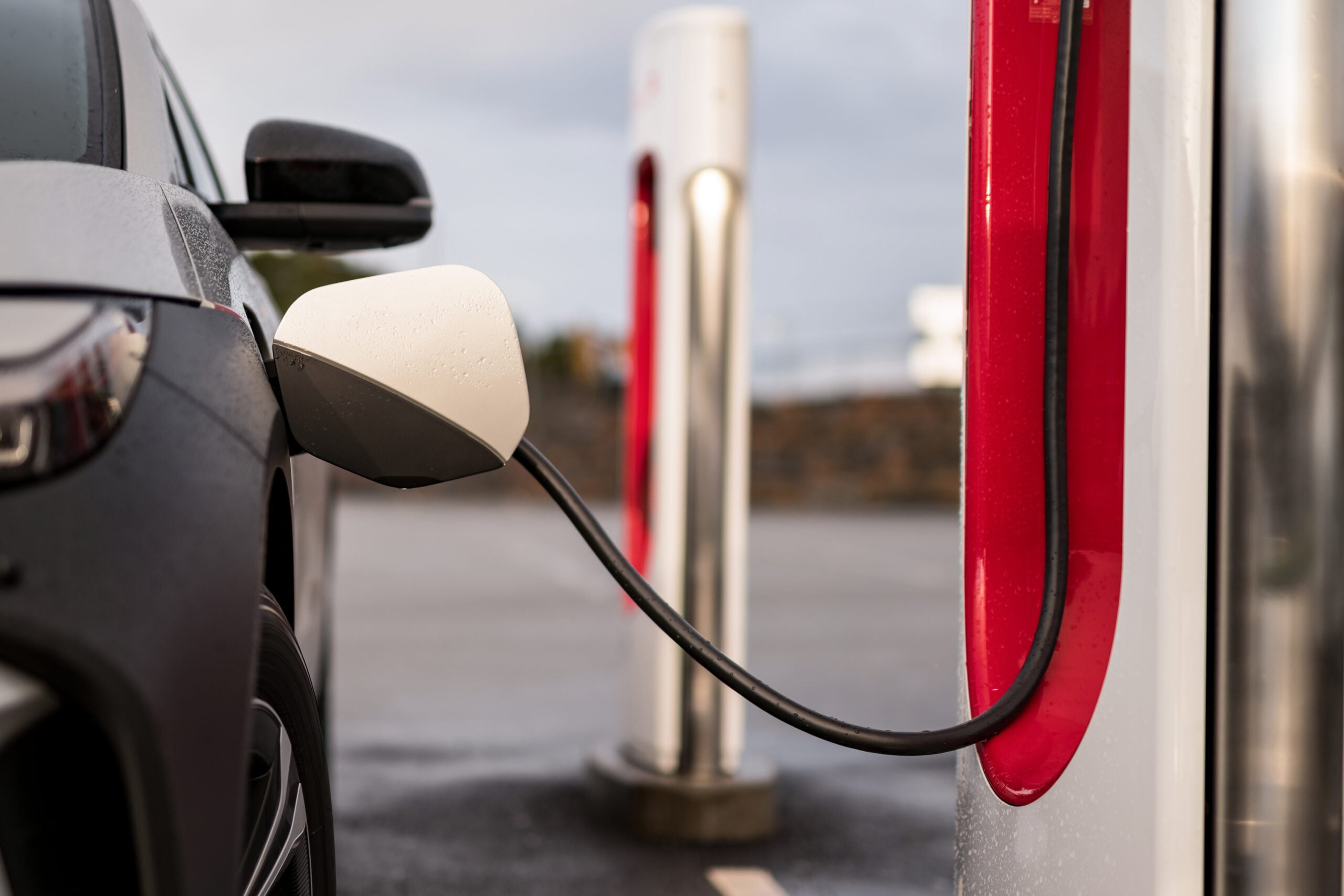
However, Tesla’s success in Norway is not just about the car itself. The company’s Supercharger network, which enables quick charging along the country’s vast roadways, has played a crucial role in making electric car ownership practical and convenient. The infrastructure that supports EVs in Norway is one of the most robust in the world, ensuring that consumers have access to the resources they need to make the transition to electric driving.
The Rise of Chinese Automakers
While Tesla remains the dominant player in the Norwegian market, Chinese automakers are quickly gaining ground. Companies like BYD, NIO, and Xpeng are entering the Norwegian market with competitive, high-quality electric vehicles that appeal to a growing base of environmentally conscious consumers. Chinese automakers have been able to offer EVs at more affordable prices compared to their Western counterparts, which is an attractive feature for many buyers.
Chinese brands also bring with them innovations in battery technology and vehicle design, making them strong contenders in the global EV market. For instance, BYD, the world’s largest manufacturer of electric vehicles, has started to gain traction in Norway with its range of affordable electric cars. As these Chinese companies expand their presence in Norway, they are reshaping the competitive landscape and providing consumers with more options than ever before.
The growing influence of Chinese automakers in Norway is part of a larger trend in which Chinese EV companies are gaining a foothold in markets around the world. As production costs continue to decrease and technological advancements push the limits of battery efficiency, Chinese automakers are well-positioned to challenge established players in the global automotive market.
How Norway Became a Model for the World
Norway’s success in electric vehicle adoption is not just a national achievement; it serves as a model for other countries to follow. The country’s aggressive policy measures, which include providing financial incentives for consumers to purchase electric vehicles and investing heavily in EV infrastructure, offer valuable lessons for governments around the world.
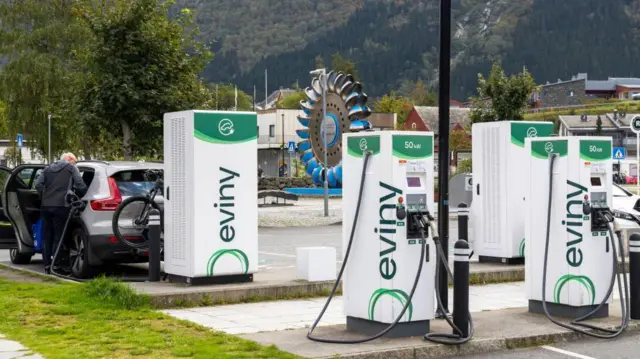
Norway’s EV infrastructure is one of the most developed in the world, with an extensive network of charging stations, including fast-charging options that make long-distance travel convenient for electric vehicle owners. The government’s commitment to expanding this infrastructure has been crucial in fostering a widespread transition to electric cars. By making charging stations widely available and easy to access, Norway has made EV ownership not just an attractive choice but also a practical one.
For countries like the U.S. and China, which are looking to increase their EV market share, Norway’s approach offers a blueprint for success. By creating a favorable regulatory environment and providing financial incentives, governments can help accelerate the shift toward electric vehicles. Moreover, investing in infrastructure is key to ensuring that electric car ownership is viable and convenient for consumers.
The Environmental Impact
The environmental benefits of Norway’s push for electric cars cannot be overstated. With its abundant hydropower resources, Norway has one of the cleanest grids in the world, making electric cars an even more environmentally friendly option. By adopting EVs, Norwegians are reducing their carbon footprint and contributing to global efforts to combat climate change.
Norway’s success in EV adoption also sends a strong message to the world: the transition to sustainable transportation is not just a possibility; it’s a necessity. By leading the charge in EV adoption, Norway is showing that it’s possible to reduce greenhouse gas emissions and achieve sustainability goals without sacrificing convenience or quality of life.
The widespread adoption of electric vehicles in Norway has the potential to inspire other nations to follow suit, accelerating the global transition to clean energy and reducing reliance on fossil fuels. As more countries adopt similar policies and invest in EV infrastructure, the world can move closer to meeting the ambitious climate goals set by international agreements like the Paris Climate Accord.
Challenges Ahead
While Norway’s success in electric vehicle adoption is commendable, there are challenges ahead. One of the biggest challenges is maintaining the momentum of EV adoption in the long term. As the market becomes saturated with electric vehicles, it will be important for the Norwegian government to continue supporting innovation in the EV sector, including advancements in battery technology and charging infrastructure.
Additionally, as more Chinese automakers enter the market, there will be increased competition. While this is a positive development for consumers, it could put pressure on established players like Tesla to innovate even further and maintain their competitive edge.
Despite these challenges, Norway’s experience offers valuable lessons for the global EV market. With continued government support and investment in infrastructure, Norway is well-positioned to maintain its leadership role in the transition to sustainable transportation.
Conclusion
Norway’s position as the world leader in electric vehicle adoption is a testament to the power of government policy, consumer demand, and technological innovation. With Tesla leading the way and Chinese automakers quickly gaining ground, the future of the electric car market in Norway looks bright. As the world looks to combat climate change and reduce carbon emissions, Norway’s example serves as a beacon for other countries to follow. By providing incentives, investing in infrastructure, and encouraging innovation, Norway has created a roadmap for a sustainable, electrified future. As the global transition to electric vehicles continues, Norway’s success story will remain a model for the world to emulate.