
Table of Contents
The Epstein Files and the Sulfuric Acid Delivery
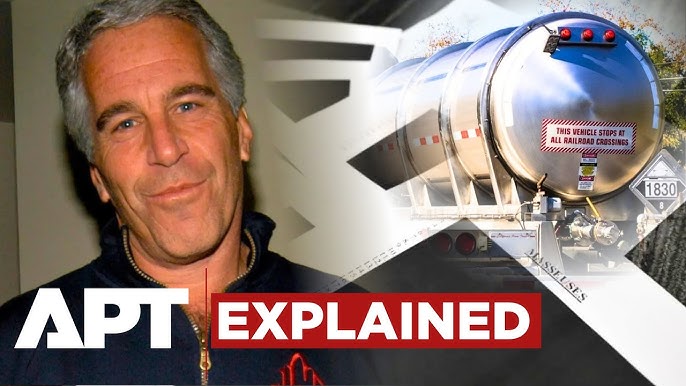
Newly unearthed information from the Epstein files has revealed that 330 gallons of sulfuric acid were purchased and delivered to his private island, Little Saint James, in the days leading up to his death. This startling discovery has left investigators, journalists, and the public questioning the timing and purpose of such a large order of a highly corrosive chemical.
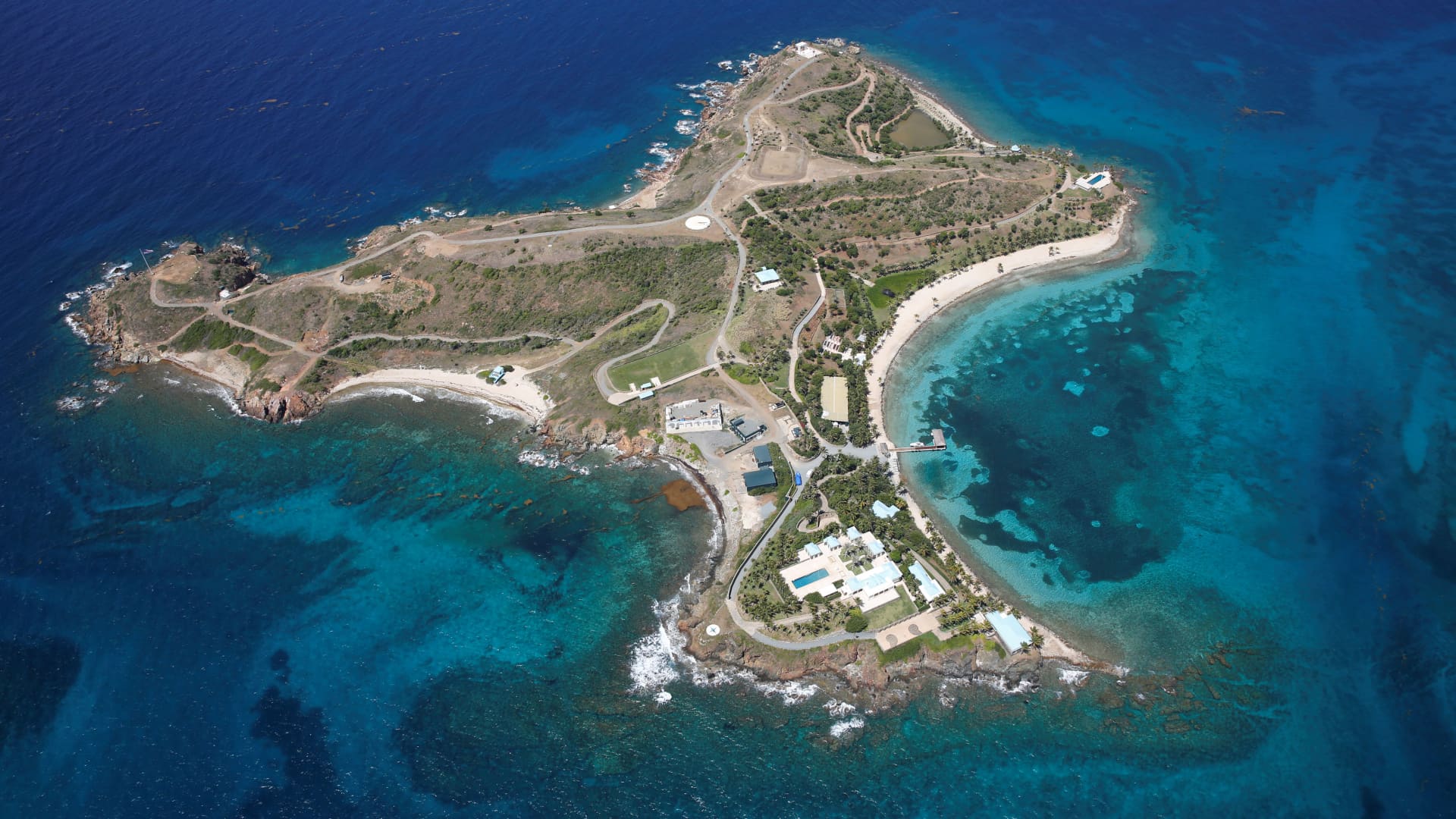
Epstein’s private island, located in the U.S. Virgin Islands, was notorious for its use in trafficking young women and girls for sex. It has long been speculated that Epstein used his island as a base of operations for his criminal activities, as well as a sanctuary where he could entertain his high-profile friends and associates. With the island serving as a key location in the investigation, the discovery of the sulfuric acid delivery adds a new layer of mystery to the case.
Sulfuric acid, commonly used in industrial and chemical processes, is also known for its ability to destroy organic matter. Given Epstein’s involvement in sex trafficking and the many reports of him keeping detailed records, it’s plausible that he may have used the acid to destroy evidence, such as documents, videos, or even remains that could have tied him to further criminal activities. The fact that the delivery took place just as the FBI had reopened its investigation into his activities is particularly suspicious.
Why Sulfuric Acid?
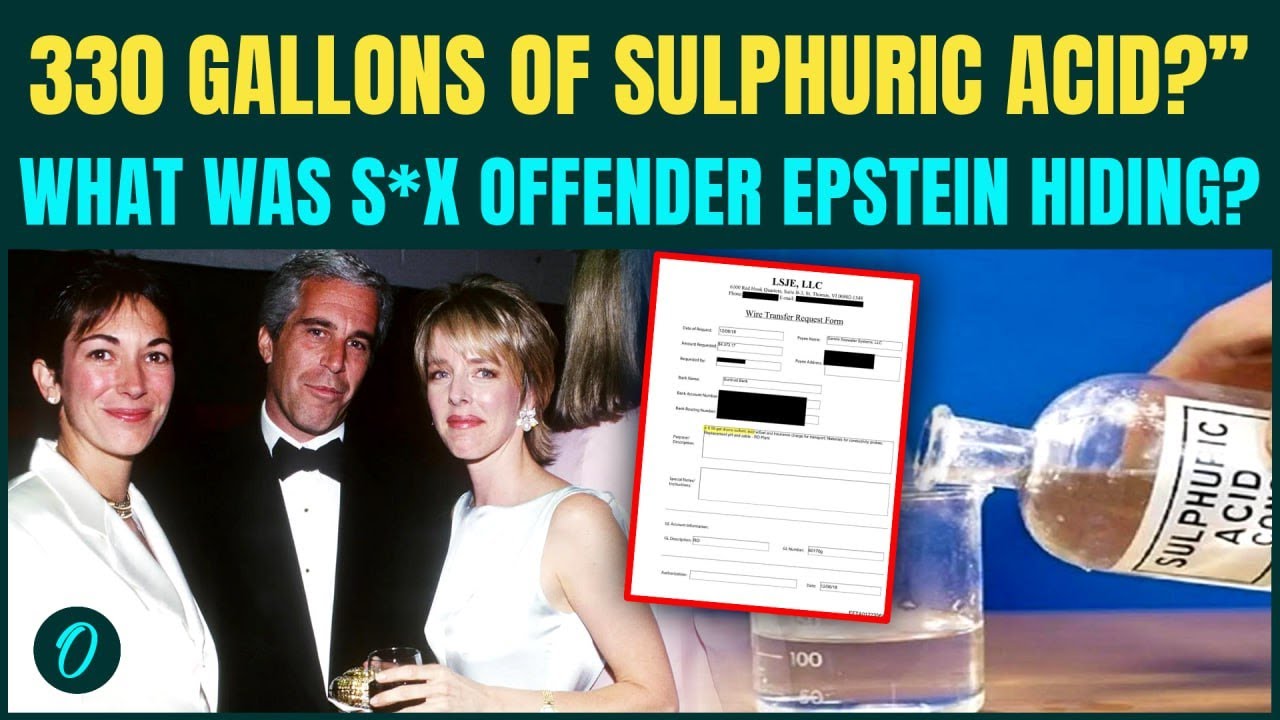
The use of sulfuric acid to destroy evidence is not uncommon in criminal investigations, particularly in cases involving highly sensitive materials. Sulfuric acid is capable of breaking down organic substances quickly and efficiently, making it an ideal substance for covering up tracks. In Epstein’s case, this could have included everything from physical records of his sex trafficking activities to electronic devices containing incriminating evidence.
Epstein’s operations were known to involve a complex network of powerful individuals, and it is widely believed that he maintained extensive records of his dealings. These could include flight logs, guest lists, photographs, and possibly even video recordings of the crimes that took place on his island. Given the nature of his criminal empire, the possibility that Epstein was preparing to destroy critical evidence with such a large quantity of sulfuric acid is deeply concerning.
Furthermore, sulfuric acid is also used in the manufacturing of illicit drugs and in certain processes that may have been linked to Epstein’s operations. While the exact use of the acid remains unclear, its delivery raises questions about what Epstein was attempting to destroy or conceal before his sudden death in 2019.
The Timing of the Sulfuric Acid Delivery
The timing of the sulfuric acid delivery to Epstein’s island is perhaps the most alarming aspect of this new revelation. The delivery occurred just as the FBI was intensifying its investigation into Epstein’s activities, reopening the case after his arrest and subsequent death in custody. The fact that such a significant amount of sulfuric acid was delivered at this specific moment suggests that Epstein was aware of the renewed scrutiny and was taking steps to protect himself and his network.
It’s well known that Epstein had connections to a wide array of powerful individuals across politics, business, and entertainment, many of whom were reportedly involved in his criminal activities. The delivery of sulfuric acid could be seen as part of a larger effort to erase evidence that could have implicated these individuals. It raises the question: was Epstein attempting to destroy evidence of his own crimes, or was he trying to protect others who were involved in his network?
The Role of Little Saint James in Epstein’s Criminal Network

Little Saint James, Epstein’s private island, played a central role in his criminal operations. It was on this island that many of the trafficking victims were allegedly brought, and where Epstein’s illicit activities were reportedly carried out. The island itself is a key piece of evidence in the investigation, with several survivors testifying to the horrors they experienced while on the island.
The discovery of the sulfuric acid delivery further complicates the investigation, as it suggests that Epstein was not only concerned with hiding his own criminal actions but also with covering up the operations on the island. The fact that he would go to such lengths to purchase and deliver a large quantity of sulfuric acid suggests that he may have been preparing to destroy physical evidence of his trafficking network and the abuse that occurred on Little Saint James.
What Does This Mean for the Epstein Case?
The discovery of the sulfuric acid delivery adds a new dimension to the Epstein case and provides investigators with a potential lead in their search for the truth. If it can be proven that Epstein was using the acid to destroy evidence, it could provide crucial insight into the extent of his criminal operations and the lengths he was willing to go to in order to conceal his activities.
For the victims of Epstein’s trafficking ring, the possibility that critical evidence was destroyed is heartbreaking. Many survivors have already spoken out about the abuse they endured at the hands of Epstein and his associates, and the destruction of evidence could make it even harder for them to find justice. The delivery of sulfuric acid suggests that Epstein’s network may have gone to extraordinary lengths to protect themselves from prosecution, even after his death.
The investigation into Epstein’s activities is ongoing, with law enforcement agencies continuing to uncover new evidence and follow up on leads. The discovery of the sulfuric acid delivery is just one piece of the puzzle, and it remains to be seen what further revelations will come to light as investigators continue to delve into the dark world of Epstein’s criminal empire.
The Broader Implications for Justice and Accountability
The ongoing investigation into Jeffrey Epstein’s activities is not just about uncovering the full extent of his crimes; it is about holding those who enabled and supported him accountable. The revelation of the sulfuric acid delivery underscores the need for continued vigilance in the pursuit of justice for Epstein’s victims.
While Epstein’s death may have robbed the world of the opportunity to hear his side of the story, the investigation into his network is far from over. The recent discoveries, including the delivery of sulfuric acid, remind us that the search for justice is still very much alive. The question now is whether law enforcement agencies can track down the individuals who were involved in Epstein’s operation and ensure they face the consequences of their actions.
Conclusion
The discovery of 330 gallons of sulfuric acid delivered to Epstein’s private island at a crucial moment in the investigation is a chilling reminder of the lengths to which he and his associates were willing to go to cover up their crimes. The timing of the delivery, coupled with the destructive properties of sulfuric acid, raises serious concerns about the destruction of evidence and the continued efforts to protect powerful individuals involved in Epstein’s criminal network.
As the investigation continues, the pursuit of justice for Epstein’s victims remains paramount. The new revelations from the Epstein files only add to the complexity of the case, but they also serve as a stark reminder that the fight for accountability is far from over. The true extent of Epstein’s operation may still be hidden, but with each new discovery, we move closer to uncovering the full truth.