

Table of Contents
Holding Photos of Their Younger Selves
The photos these four women hold are not just mere mementos of their childhood; they are powerful symbols of innocence lost. Each photo represents a time when these women were just children, before they met Epstein. By sharing these photos, the survivors remind the world of the most harrowing aspect of their stories: they were just children when they were exploited and abused.
As they recount the ages at which they first encountered Epstein—ages ranging from 14 to 17—they bring to light the cold reality of how Epstein manipulated young girls, many of whom were vulnerable and unsuspecting. The photos also show the stark contrast between the innocence of childhood and the devastation of exploitation, amplifying the emotional weight of their testimonies.
Giving Voice to the Silent Majority
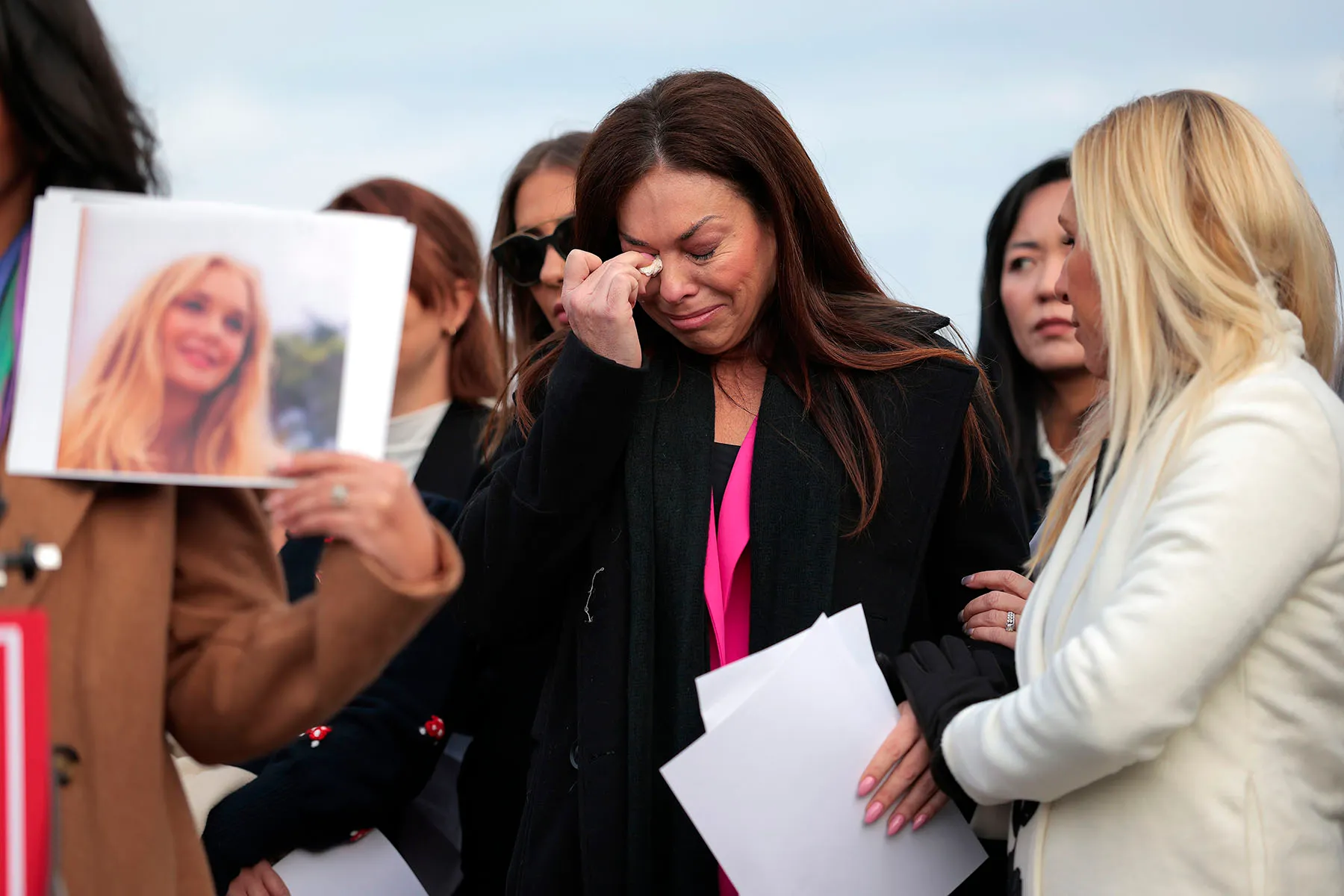
These four women, though part of a much larger group of survivors, have chosen to step into the public eye, offering their faces and their voices to a cause that has long been ignored. While over a thousand survivors exist, their stories are often relegated to the margins, overshadowed by the media circus surrounding Epstein’s high-profile connections. By sharing their experiences, these survivors are working to give voice to all those who were abused but remain unheard.
The courage it takes to publicly recount the abuse they endured is immeasurable. For these women, their fight is about much more than seeking personal justice. It is about ensuring that the larger system of abuse and exploitation Epstein built is fully exposed and that those who enabled it are held accountable. Their stories serve as a rallying cry for all victims of abuse to stand up, speak out, and demand justice.
The Impact of Early Trauma
When these women speak about the ages at which they first met Epstein, the trauma of their experiences becomes even more palpable. At just 14, 15, or 16 years old, they were thrust into a world of manipulation, coercion, and violation—far too young to understand the extent of the damage Epstein would inflict on their lives.
This recollection of their ages is a stark reminder of the power imbalance that existed between Epstein and his victims. Epstein, a powerful figure with immense wealth and influence, preyed on vulnerable young girls, offering them promises of fame, fortune, or an escape from their difficult circumstances. The survivors’ stories shed light on how Epstein exploited these vulnerabilities, making their fight for justice all the more urgent.
Seeking Justice for the Survivors
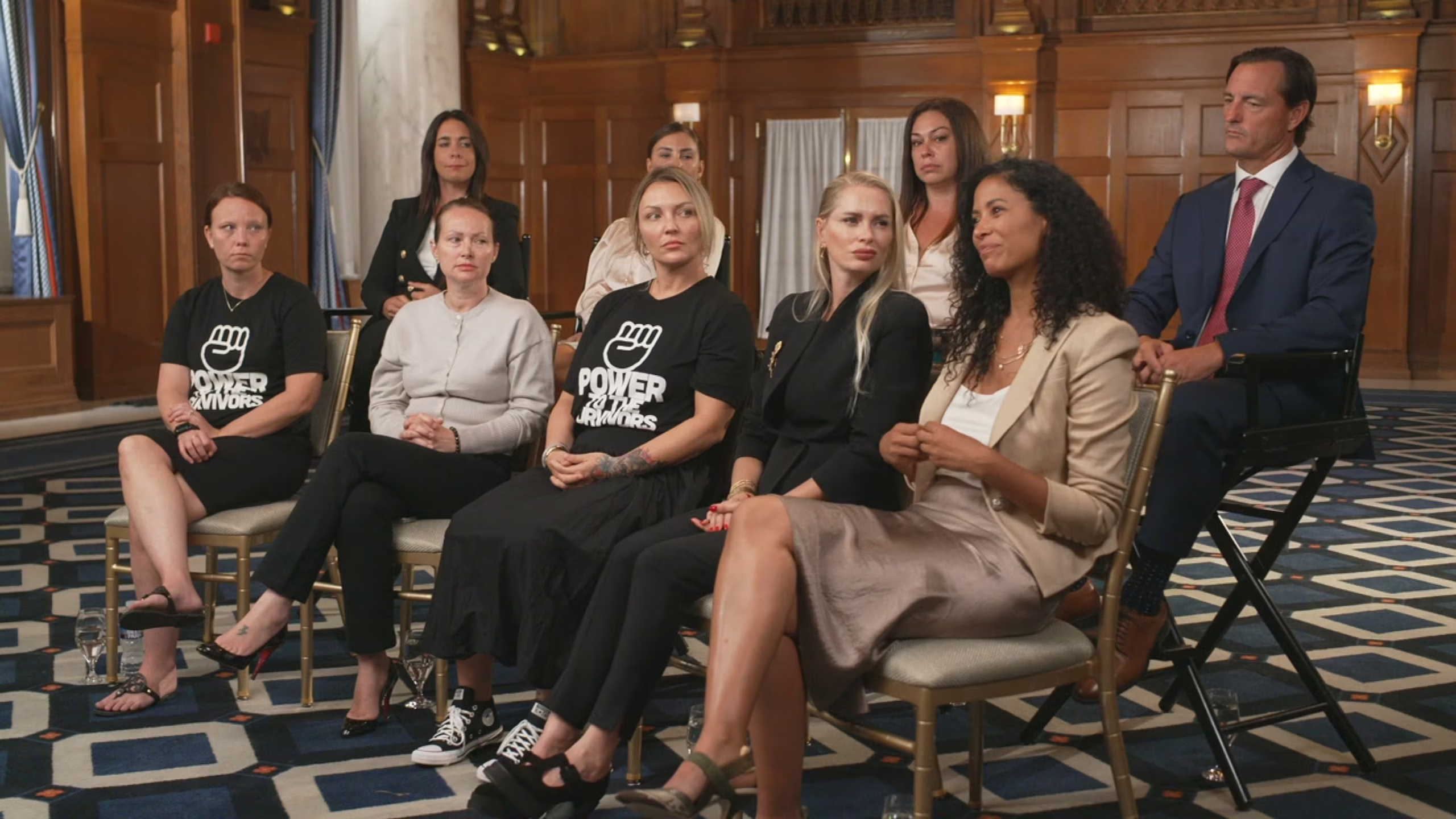
The legal journey for Epstein’s survivors has been long and fraught with challenges. After Epstein’s arrest in 2019 and subsequent death, many survivors hoped for a swift resolution to their quest for justice. However, the legal battle has been slow-moving, with numerous obstacles standing in the way of accountability.
The survivors continue to push for justice not only for themselves but also for all those who suffered in silence. Legal efforts to hold Epstein’s associates and enablers accountable are ongoing, but the survivors are determined to ensure that those who aided him do not escape scrutiny. While Epstein may no longer be alive to face justice, his network of co-conspirators must still be held accountable for their roles in the abuse.
Amplifying the Survivors’ Voices
Public advocacy has played a crucial role in bringing attention to the plight of Epstein’s survivors. Through social media campaigns, public statements, and legal actions, the survivors have managed to keep the case in the public eye, despite the passage of time. The #MeToo movement, which gained traction in the wake of the Weinstein scandal, has provided a platform for survivors of Epstein’s abuse to share their stories and demand justice.
In addition to raising awareness, public advocacy has pressured lawmakers and law enforcement to prioritize the investigation into Epstein’s network. The survivors’ tireless efforts have led to increased public scrutiny of Epstein’s enablers, with many individuals now facing legal action for their roles in the abuse.
Accountability for Epstein’s Enablers
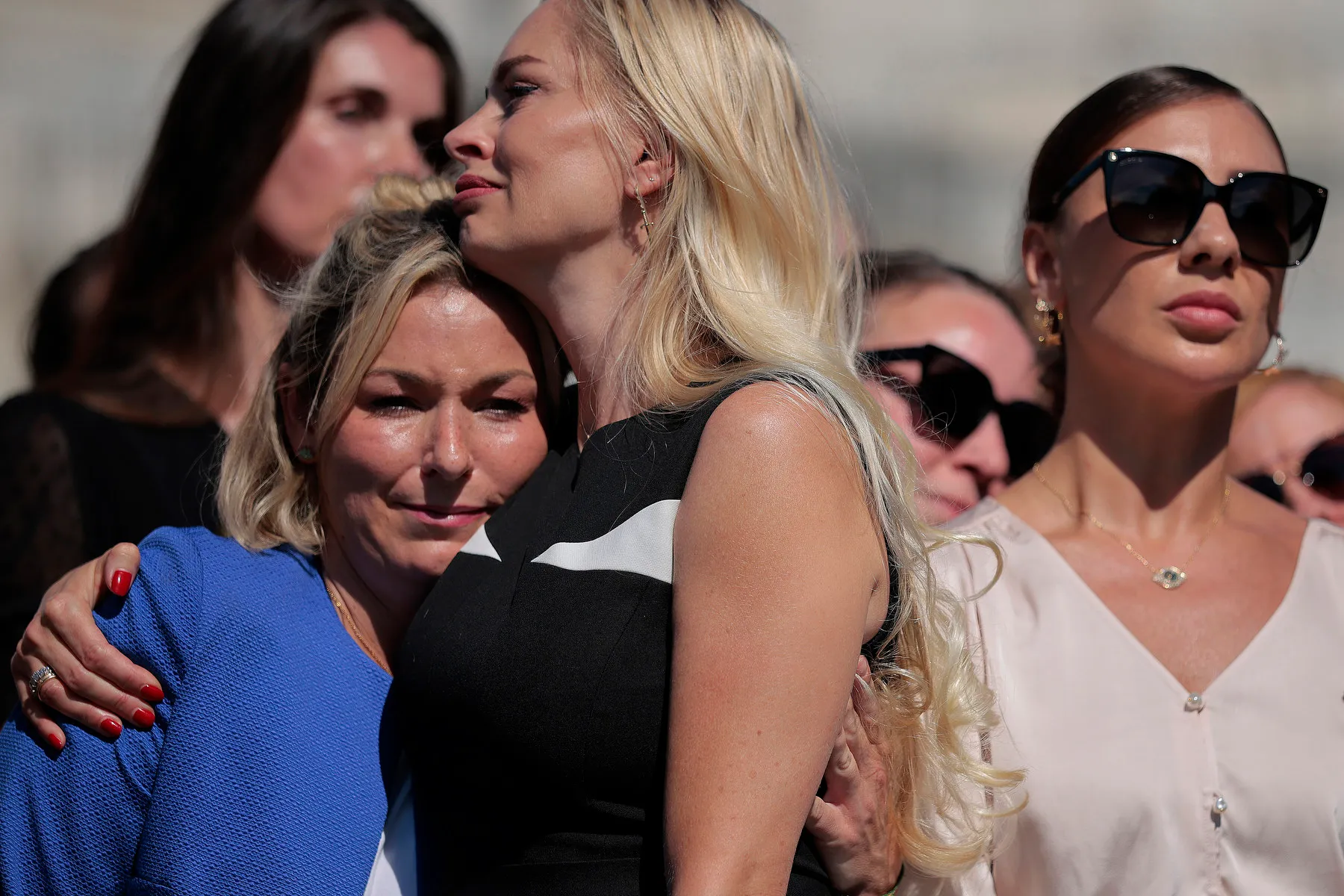
For these four women and the thousands of other survivors, justice means more than just prosecuting Epstein. It means holding accountable the individuals who facilitated his crimes, including those who provided him with access to vulnerable girls and those who protected him from prosecution. This includes individuals in positions of power, whether they are financiers, political figures, or celebrities.
The survivors are calling for a full investigation into Epstein’s network, urging authorities to go beyond the high-profile individuals already named in court documents. They argue that true justice can only be achieved when every individual who played a role in Epstein’s crimes is brought to justice, regardless of their social or political status.
Healing from Trauma
While the fight for justice is critical, the psychological toll of Epstein’s abuse cannot be overlooked. For many survivors, healing from the trauma of their experiences is a lifelong process. The emotional scars left by years of manipulation, exploitation, and violation are not easily erased.
The survivors’ efforts to speak out are not only a means of seeking justice but also a way of reclaiming their voices and their sense of agency. By telling their stories, they are taking control of their narrative and fighting back against the shame and guilt that so often accompany experiences of abuse. The process of healing is ongoing, and the survivors’ courage continues to inspire others to confront their own trauma and fight for justice.
Protecting Future Generations
Beyond their fight for personal justice, Epstein’s survivors are also fighting for the protection of future generations. They are advocating for stronger laws to protect children from exploitation and abuse and calling for better support systems for victims of sexual violence. The survivors believe that systemic changes are necessary to prevent future abuses and to ensure that children are safe from harm.
The survivors’ advocacy is not just about seeking justice for the crimes of the past, but about creating a safer world for children in the future. They are working to raise awareness about the prevalence of child exploitation and to push for stronger policies and protections to safeguard vulnerable children from abuse.
Conclusion:
The fight for justice for Jeffrey Epstein’s survivors is far from over. While Epstein’s death may have closed one chapter in the case, it has opened the door to an even larger struggle—one that demands accountability for those who enabled his crimes and protection for future generations of children. The four women holding photos of their younger selves are not just speaking for themselves; they are speaking for all survivors who have yet to find their voice. Their courage in the face of unimaginable trauma is a reminder that justice is not just about the legal system—it’s about making sure that the voices of victims are heard, and that the truth is never forgotten.