

When news broke that Tesla was facing an $800 million loss due to unsold Cybertrucks, the automotive world took notice. The much-anticipated vehicle, which was touted as the future of electric trucks, is now sitting on dealership lots with no buyers in sight. For a company that has consistently defied the odds with groundbreaking innovations and strong demand for its vehicles, this is a surprising and significant setback. But what is causing this sudden decline in interest? Is it a temporary blip, or does it signal deeper issues within the electric vehicle market? In this article, we explore the reasons behind the Cybertruck’s faltering demand and what it means for Tesla’s future.
Table of Contents
- The Rise and Fall of the Cybertruck
- The Cybertruck’s Bold Design: Too Far Ahead of Its Time?
- Production Delays and Supply Chain Issues
- Changing Consumer Preferences: The Shift Away from Pickup Trucks
- The Economic Landscape: Financial Concerns and Uncertainty
- Tesla’s Reputation: Will It Be Affected by Cybertruck’s Struggles?
- What Does the Future Hold for the Cybertruck?
- Conclusion: Will Tesla’s Cybertruck Make a Comeback?
The Rise and Fall of the Cybertruck
Tesla’s Cybertruck was first unveiled in 2019, and it immediately garnered attention for its bold design, futuristic features, and the promise to revolutionize the electric truck market. Tesla CEO Elon Musk’s vision for the Cybertruck was clear: create a durable, all-electric alternative to traditional pickup trucks that would appeal to a wide range of consumers, from environmentalists to rugged outdoor enthusiasts.
At first, the Cybertruck seemed poised for success. Over 200,000 pre-orders poured in within a few days of the announcement, fueling optimism about its future. However, as the years have passed and production has been delayed, the excitement surrounding the vehicle has begun to dwindle. Despite Tesla’s best efforts to market the Cybertruck as an industry game-changer, it has become clear that the demand isn’t meeting expectations. The company now finds itself sitting on $800 million worth of unsold inventory, raising concerns about the future viability of the Cybertruck and its place in the competitive electric vehicle market.
The Cybertruck’s Bold Design: Too Far Ahead of Its Time?

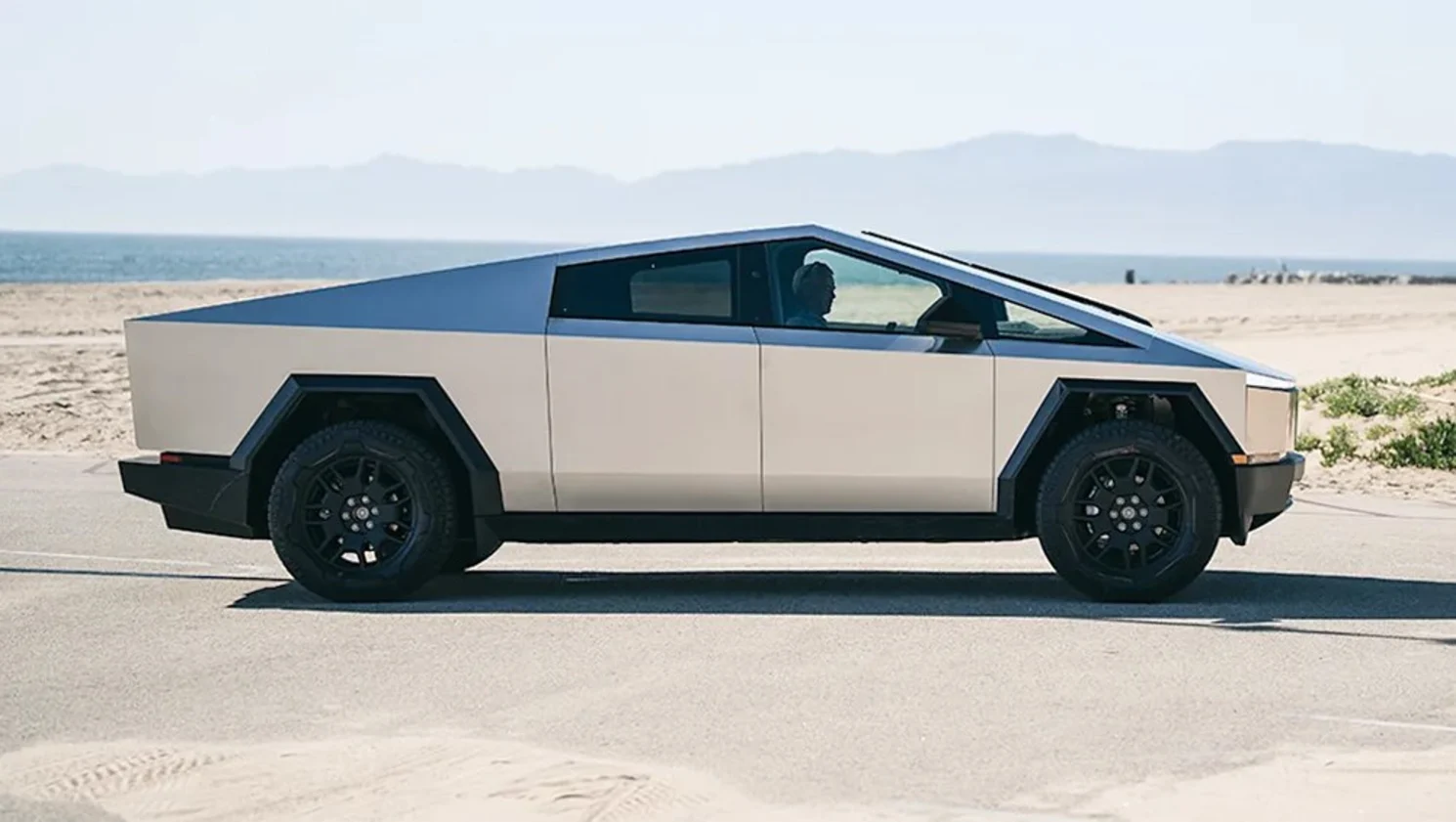
One of the most defining features of the Cybertruck is its design. With its sharp angles, steel exoskeleton, and unconventional look, the truck stands out in a market dominated by traditional pickup designs. While this bold approach earned the Cybertruck instant attention, it may also be a contributing factor to its lackluster sales.
For many potential buyers, the Cybertruck’s appearance is simply too radical. The truck’s design is unlike anything currently available on the market, and this has left some buyers uncertain about whether the vehicle will fit into their lifestyles. Pickup trucks, traditionally seen as workhorses with a sense of utility, tend to follow more familiar design principles, and the Cybertruck’s polarizing look might be deterring those who prefer a more conventional aesthetic.
Moreover, the Cybertruck’s design has not only raised questions about its appeal but also its functionality. The vehicle’s sharp edges and angular shape, while futuristic, may not align with the practical needs of traditional truck buyers. Pickup trucks are typically valued for their ruggedness, towing capabilities, and utility features. Whether the Cybertruck can deliver on these aspects is a significant concern for many potential customers.
Production Delays and Supply Chain Issues
Another factor contributing to the slow demand for the Cybertruck is the ongoing production delays and supply chain issues that have plagued Tesla in recent years. The vehicle’s original production timeline was set for 2021, but multiple delays have pushed the release date further into the future. While the company has ramped up production of its other models, the Cybertruck has yet to make its full debut on the market.
These delays have created frustration among potential buyers, many of whom have already placed deposits on the vehicle. In the meantime, other electric vehicle manufacturers have introduced their own electric trucks, such as the Rivian R1T and Ford F-150 Lightning, which have already hit the market. As competition heats up, the longer Tesla waits to deliver the Cybertruck, the more opportunities competitors have to win over customers.
Additionally, supply chain issues, particularly those related to the global semiconductor shortage, have affected Tesla’s ability to meet demand for its vehicles. While the company has navigated these challenges more successfully than many of its competitors, the Cybertruck’s production delays are still a significant factor in its faltering demand.
Changing Consumer Preferences: The Shift Away from Pickup Trucks
The rise of electric vehicles has been driven largely by consumers seeking more sustainable transportation options. However, there has been a noticeable shift in consumer preferences in recent years. While pickup trucks have historically been a staple in the American automotive market, the demand for traditional gas-powered trucks is starting to wane. Many consumers are now gravitating toward smaller, more fuel-efficient vehicles, particularly as gas prices fluctuate and concerns about environmental impact increase.
In addition, the increasing popularity of electric sedans and SUVs, such as the Tesla Model S, Model 3, and the Model Y, has created a more competitive environment for the Cybertruck. These vehicles offer similar benefits in terms of sustainability and performance but with a more familiar design and broader appeal. The Cybertruck, in contrast, is designed for a more niche market, which may limit its potential customer base.
As a result, some potential buyers who initially expressed interest in the Cybertruck may have shifted their focus to more conventional electric vehicles, which offer similar features but with a more established market presence. This change in consumer behavior has further complicated Tesla’s efforts to capture the electric truck market.
The Economic Landscape: Financial Concerns and Uncertainty
The global economic landscape is also playing a role in the slow demand for the Cybertruck. As inflation rises and interest rates increase, consumers are becoming more cautious about big-ticket purchases like vehicles. The rising cost of living and concerns about economic stability have led many people to rethink their spending habits, with luxury items such as the Cybertruck falling lower on the priority list.
For potential buyers, the cost of the Cybertruck may be a deterrent. The vehicle’s base price is expected to start at over $40,000, and for many, this may not justify the truck’s unconventional design and unproven track record. In addition, buyers may be concerned about the long-term reliability and resale value of the Cybertruck, especially considering that electric vehicles in the truck market are still relatively new and untested.
Tesla’s Reputation: Will It Be Affected by Cybertruck’s Struggles?

Tesla has built its reputation on innovation and cutting-edge technology, and its vehicles have garnered a loyal customer base. However, the slow demand for the Cybertruck could have a ripple effect on the company’s overall brand image. If the Cybertruck continues to struggle in the market, it may raise questions about Tesla’s ability to successfully diversify its product lineup and meet the demands of different customer segments.
Moreover, Tesla’s focus on the Cybertruck has led to delays in the development of other models, such as the Tesla Semi and the Roadster. If the Cybertruck does not meet sales expectations, it could further strain the company’s resources and hinder its growth in the highly competitive electric vehicle market.
However, Tesla’s leadership, particularly Elon Musk’s ability to steer the company through challenging times, could mitigate some of these concerns. Musk has a proven track record of overcoming obstacles and delivering on ambitious promises, and Tesla’s existing portfolio of successful vehicles may help cushion the impact of the Cybertruck’s struggles.
What Does the Future Hold for the Cybertruck?
While the current situation may be concerning for Tesla, there is still hope for the Cybertruck. The vehicle is set to enter production soon, and it may take time for demand to pick up once the truck becomes available to a broader audience. Moreover, as Tesla continues to improve its manufacturing processes and address the issues that have plagued the Cybertruck’s development, the company may find ways to reignite interest in the vehicle.
Additionally, Tesla’s ability to innovate and push the boundaries of electric vehicle technology may still give the Cybertruck a competitive edge in the market. If the vehicle lives up to its promises in terms of performance, durability, and sustainability, it could still capture the attention of consumers who are eager for a more eco-friendly alternative to traditional trucks.
Conclusion: Will Tesla’s Cybertruck Make a Comeback?
The decline in demand for the Tesla Cybertruck is certainly a setback for the company, but it’s far from the end of the road. As with any new product, market acceptance takes time, and there are still many factors that could influence the Cybertruck’s success in the long term. Whether or not Tesla can overcome the current challenges and turn the Cybertruck into the industry leader it was once expected to be remains to be seen.
The future of the Cybertruck, like all Tesla vehicles, is uncertain, but if the company’s past is any indication, it may yet surprise us. With continued innovation and strategic adjustments, Tesla could still carve out a significant niche for the Cybertruck in the growing electric vehicle market.