
Table of Contents
- Flat Earth Beliefs Lead to Dangerous Voyage: A Couple’s Misguided Adventure
- The Start of Their Dangerous Journey: A Quest to Find the Edge
- The Use of the Compass: An Ironic Tool for Navigation
- A Series of Missteps: The Journey Unravels
- The Unfulfilled Mission: A Return to Mainland Italy
- The Psychological and Social Factors Behind Flat Earth Beliefs
- The Influence of Online Communities and Misinformation
- Lessons from the Couple’s Voyage: The Importance of Critical Thinking
- The Importance of Combating Misinformation and Promoting Science Education
- The Broader Implications of Flat Earth Beliefs
- A Call for Better Science Communication and Critical Thinking
Flat Earth Beliefs Lead to Dangerous Voyage: A Couple’s Misguided Adventure
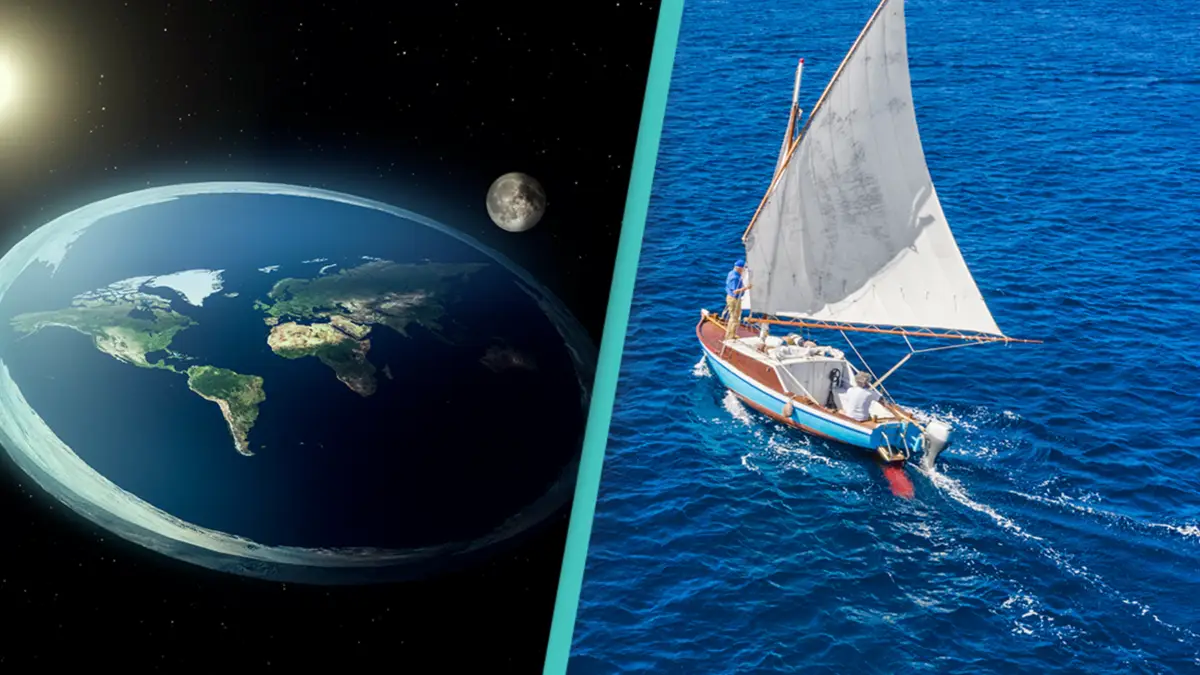
In a world driven by scientific progress, some individuals still cling to outdated and debunked beliefs. One such group is the Flat Earth community, whose members challenge centuries of evidence proving the Earth is round. Despite overwhelming scientific consensus, the belief in a flat Earth persists among a small but vocal faction of society. In an extraordinary and ironic turn of events, a couple from Venice, Italy, decided to take their flat Earth convictions to the extreme. They sold their car, purchased a boat, and set sail on a mission to find the “edge” of the Earth. Their ill-fated journey, which ended in a massive disaster after just a few days at sea, reveals the complexities of belief and human curiosity. What drove them to make such a perilous decision?
The Start of Their Dangerous Journey: A Quest to Find the Edge

The global pandemic disrupted many lives, with lockdowns and quarantine measures in place across the world. Yet for this couple in Venice, it provided the perfect opportunity to pursue their long-held belief in the flat Earth theory. Believing that the world was not spherical but instead flat, they embarked on an audacious mission to find the edge of the Earth, which they thought was located near Lampedusa, an island in the Mediterranean Sea. The journey, which defied both common sense and scientific knowledge, began with high hopes and a strong sense of purpose.
In a move that highlighted their conviction, the couple sold their car to fund the purchase of a boat. This drastic decision was not just about the cost; it was symbolic of their unwavering belief in the flat Earth theory. What followed was a voyage that, for all its adventurous spirit, was doomed from the start.
One of the most ironic aspects of the couple’s voyage was their reliance on a compass, a tool that works based on the Earth’s magnetic field. This was particularly curious, as the flat Earth theory rejects the existence of a magnetic field that would align with the scientific principles behind a compass. Salvatore Zichichi, a maritime health expert, found humor in this contradiction, stating, “The funny thing is that they oriented themselves with the compass, an instrument that works on the basis of terrestrial magnetism, a principle that they, as Flat-Earthers, should reject.”
By using a compass, the couple inadvertently accepted a scientific concept that contradicted their belief system. This paradox became more evident when they found themselves off-course, drifting away from their intended destination. Instead of reaching Lampedusa, the couple ended up on the island of Ustica, a clear indication that their navigation skills were far from perfect. This error in their journey was just the beginning of a series of misadventures.
A Series of Missteps: The Journey Unravels
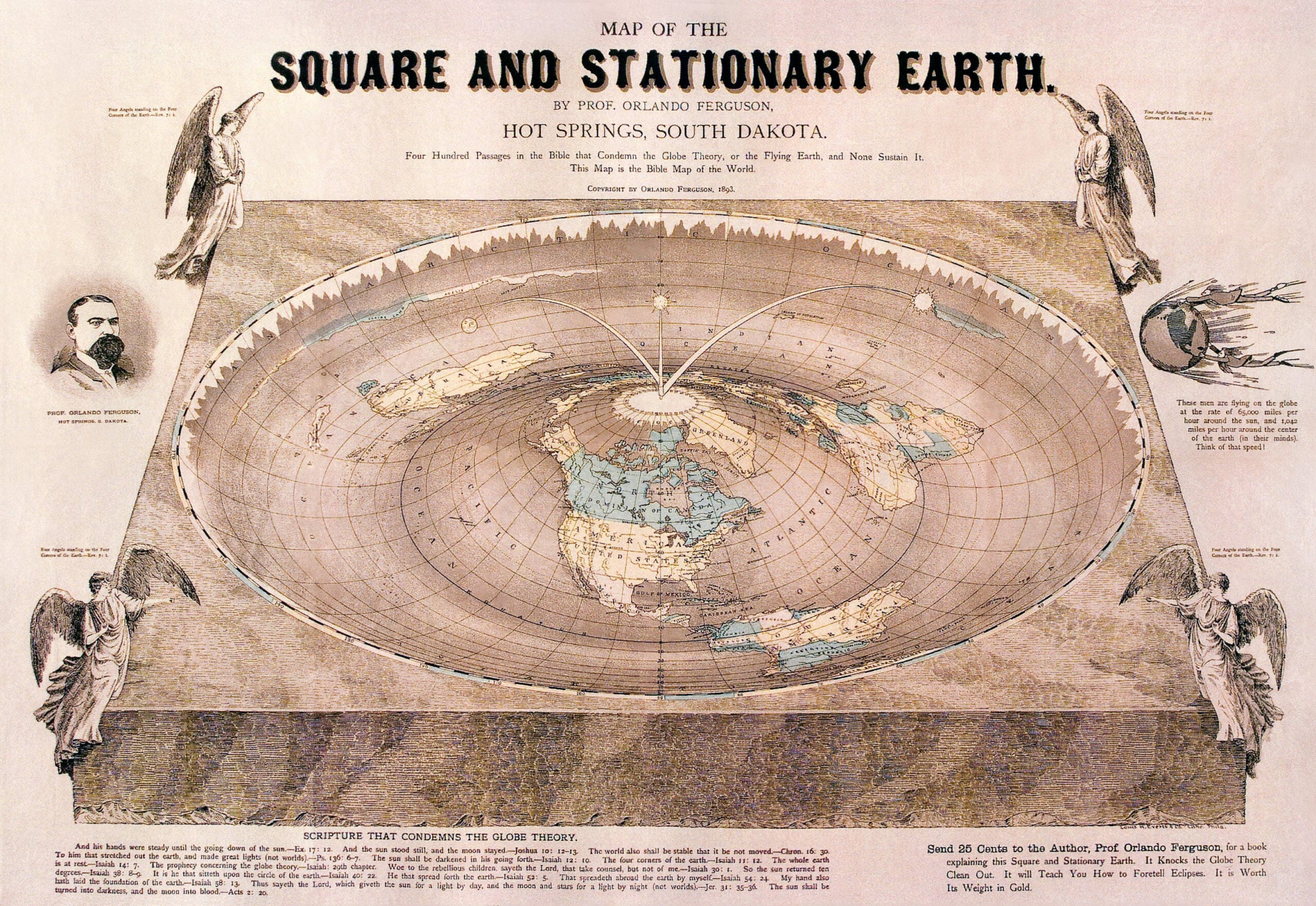
What began as a bold adventure soon turned into a series of unfortunate events. Their journey, despite meticulous planning and a deep-seated belief in their cause, was fraught with difficulties. The couple’s initial misstep was navigating to Ustica instead of Lampedusa, a clear sign of their inadequate navigation skills. This deviation from their planned course not only thwarted their objective but also exposed them to the challenges of the pandemic, which had been ongoing at the time.
Upon reaching Ustica, the couple was placed under quarantine as a safety measure. However, their adventure was far from over. Determined to continue their journey, they attempted to escape quarantine, but their efforts lasted only three hours before authorities located and brought them back. This incident echoed the folly of their initial mission, as they found themselves trapped in the very situation they sought to avoid.
The Unfulfilled Mission: A Return to Mainland Italy
Ultimately, the couple abandoned their quest for the edge of the Earth and returned to mainland Italy by ferry. Their mission remained unfulfilled, and their beliefs unproven. The couple’s journey serves as a poignant reminder of the potential consequences of pursuing deeply held but scientifically unfounded beliefs. It highlights the dangers of disregarding scientific facts in favor of personal conviction, especially when such beliefs lead to risky actions and impractical decisions.
While their voyage ended in failure, the story of this couple underscores a broader issue—the persistence of the flat Earth theory in the modern world. Despite centuries of evidence and overwhelming scientific consensus, some individuals continue to believe in a debunked concept. Their story serves as a cautionary tale about the dangers of misinformation and the importance of critical thinking.
The Psychological and Social Factors Behind Flat Earth Beliefs
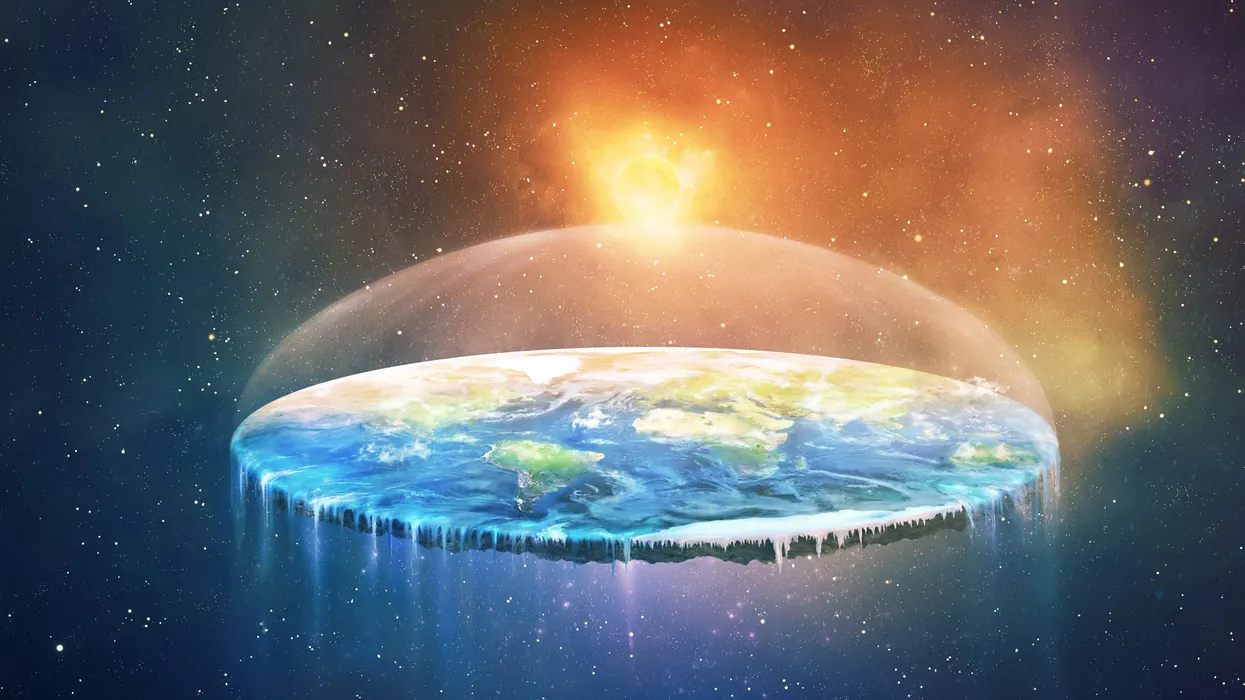
To understand why this couple, and many others, continue to embrace the flat Earth theory, it’s essential to explore the psychological and social factors that contribute to such beliefs. According to Asheley Landrum, a psychologist from Texas Tech University, members of the Flat Earth community often share a deep distrust of authorities and institutions. This distrust is not necessarily rooted in a lack of education but in a belief that the government, scientific bodies, and educational systems are hiding the truth.
Landrum’s research, which included interviews with Flat Earth proponents, revealed that many individuals are drawn to these beliefs due to a combination of conspiracy theories and a sense of religious or spiritual conviction. Flat Earth beliefs often become a source of identity for those who feel alienated from mainstream society, and these convictions can be reinforced through online communities and platforms like YouTube.
The Influence of Online Communities and Misinformation
One of the key factors driving the persistence of flat Earth beliefs is the rise of online platforms, particularly YouTube. Research has shown that many Flat Earthers were first exposed to the theory through videos and content shared on these platforms. Once individuals are introduced to the theory, they can easily find related content, leading them down a rabbit hole of misinformation. As Asheley Landrum noted, “All but one of the 30 Flat Earthers I interviewed cited YouTube as the source of their initial exposure.”
The algorithms on YouTube and other social media platforms can create echo chambers, where users are repeatedly exposed to content that reinforces their beliefs. This cycle makes it difficult for individuals to break free from misinformation, even when confronted with overwhelming evidence to the contrary. The couple’s voyage was, in many ways, a manifestation of the power of online misinformation, which can lead individuals to take extreme actions based on false premises.
Lessons from the Couple’s Voyage: The Importance of Critical Thinking

The misadventure of the Flat Earth couple provides several important lessons about belief systems, critical thinking, and the role of scientific literacy in the modern world. Their journey highlights the power of deeply held beliefs and the lengths to which individuals will go to prove their convictions. At the same time, it underscores the necessity of critical thinking and an understanding of scientific principles in navigating the world.
The couple’s use of a compass, an instrument rooted in the science of Earth’s magnetic field, serves as a powerful reminder of the importance of understanding the tools we use and the scientific knowledge behind them. Their reliance on the compass, while intended to support their journey, exposed the contradictions in their beliefs and reinforced the need for greater scientific education and media literacy.
The Importance of Combating Misinformation and Promoting Science Education
The persistence of Flat Earth beliefs, despite overwhelming evidence to the contrary, underscores the importance of combating misinformation and promoting science education. As the internet continues to play a central role in shaping public opinion, it is essential to address the spread of false information and provide individuals with the tools to critically evaluate the content they encounter online. This requires not only improving scientific literacy but also fostering a culture of skepticism and inquiry that encourages people to question the validity of the information they consume.
The Broader Implications of Flat Earth Beliefs
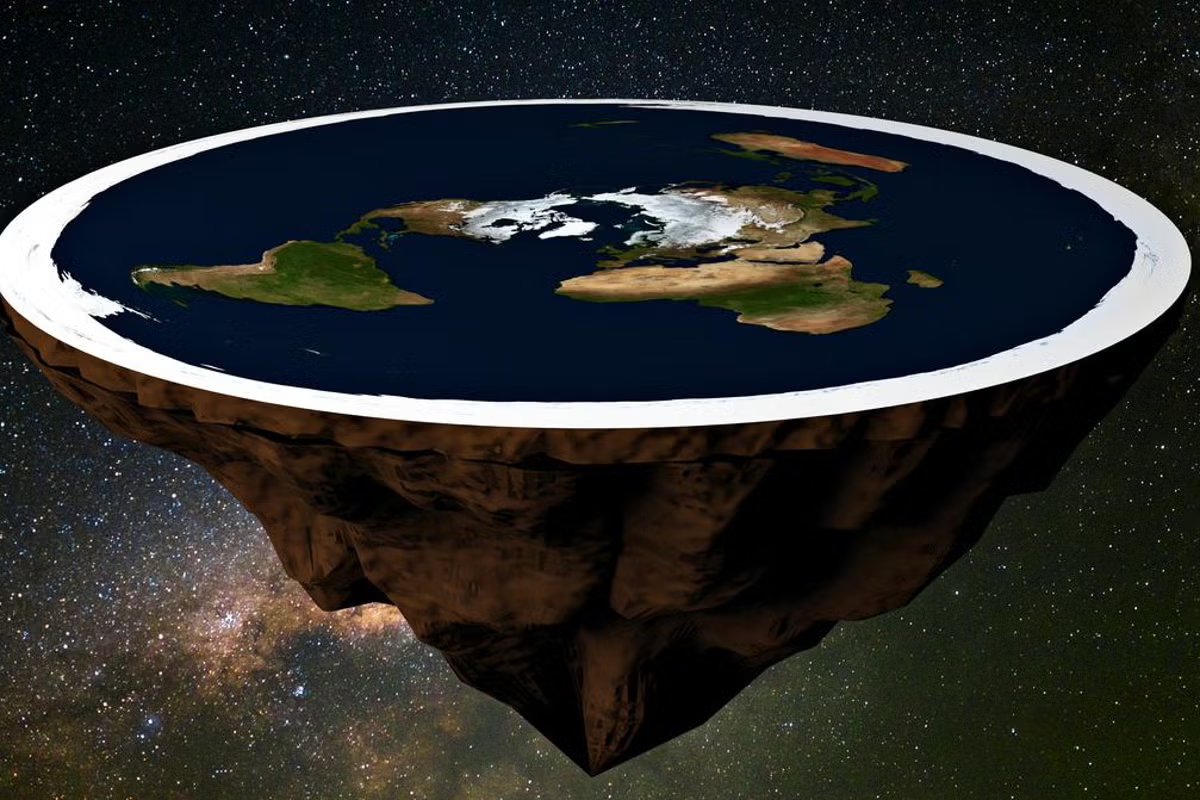
The couple’s journey, while misguided, offers important insights into the broader implications of Flat Earth beliefs. If individuals are willing to undertake dangerous and irrational actions to prove a theory that has been debunked for centuries, what does this say about our ability to critically evaluate other scientific concepts and societal issues? The Flat Earth movement may be a fringe example, but it highlights the need for better science communication and a more informed society that can distinguish fact from fiction.
A Call for Better Science Communication and Critical Thinking
The ill-fated journey of the Flat Earth couple serves as a poignant reminder of the importance of scientific literacy, critical thinking, and the role of the internet in shaping beliefs. Their story may be humorous in its irony, but it also highlights a troubling reality: the persistence of misinformation and the potential dangers it poses. To prevent similar misadventures in the future, we must prioritize science education, promote media literacy, and encourage individuals to approach information with skepticism and curiosity.