

Table of Contents
Florida’s New Law Explained
Florida’s new law expands the state’s use of the death penalty to include individuals convicted of raping a child under the age of 12. Prior to this change, the death penalty in Florida could only be applied in cases of first-degree murder. Governor DeSantis signed the bill into law, making Florida the first state in the U.S. to authorize the death penalty for child rape.
The law was introduced in response to growing public outcry over child sexual abuse cases and the perceived leniency of existing punishments. Supporters of the law argue that the death penalty is a necessary and just punishment for those who commit such horrific crimes, especially when the victims are vulnerable children. Proponents believe the law will act as a deterrent, sending a strong message that child rape will not be tolerated in Florida.
However, the law has faced strong opposition from legal experts, human rights advocates, and organizations that oppose the death penalty. Critics argue that the law raises significant constitutional issues, as the U.S. Supreme Court has previously ruled that the death penalty should only be applied in cases of murder. This ruling, stemming from the 2008 case of Kennedy v. Louisiana, has led to widespread legal challenges over whether Florida’s new law violates the Eighth Amendment’s prohibition against cruel and unusual punishment.
The Legal and Constitutional Challenges

The primary legal question surrounding Florida’s new law is whether it can stand up to constitutional scrutiny. The U.S. Supreme Court has long held that the death penalty is only appropriate for cases involving murder. In the 2008 Kennedy v. Louisiana case, the Court ruled that imposing the death penalty for crimes that do not result in death—such as child rape—violates the Eighth Amendment.
Florida’s new law challenges this precedent, setting the stage for a potential Supreme Court case that could revisit the issue of the death penalty for crimes other than murder. Legal experts are divided on whether the Court will uphold Florida’s law or strike it down. Some argue that the law is a direct challenge to the 2008 ruling, while others believe that the unique nature of child rape cases could justify the death penalty in certain circumstances.
If the law is challenged and ultimately upheld, it could set a dangerous precedent for other states considering similar measures. The question arises: should the death penalty be expanded to other heinous crimes, such as child sexual abuse, when the victim does not die? And if so, how far should the law go in punishing those convicted of non-lethal crimes?
The Ethical Implications of the Death Penalty for Child Rape
While the legal questions surrounding Florida’s new law are significant, the ethical implications are equally important. The death penalty has long been a controversial issue in the United States, with opponents arguing that it is inhumane and often applied in a racially biased manner. By expanding its use to cases of child rape, critics argue that the law could lead to disproportionate punishment for certain communities, particularly those with limited access to quality legal representation.
Ethically, the death penalty for child rape raises questions about whether the punishment fits the crime. While child sexual abuse is undoubtedly a horrific and traumatic experience for victims, the death penalty is a final, irreversible act of punishment. Critics contend that executing someone for a crime that does not result in death may be an unjust overreach of the state’s power and could open the door to further abuses of the justice system.
Moreover, the application of the death penalty is not always fair or equal. Numerous cases have shown that racial minorities, particularly Black individuals, are more likely to be sentenced to death than their white counterparts, even in cases where the crime does not involve murder. This raises questions about the fairness of the death penalty in Florida, where racial disparities have long been a concern in the criminal justice system.
The Supporters of the Death Penalty for Child Rape
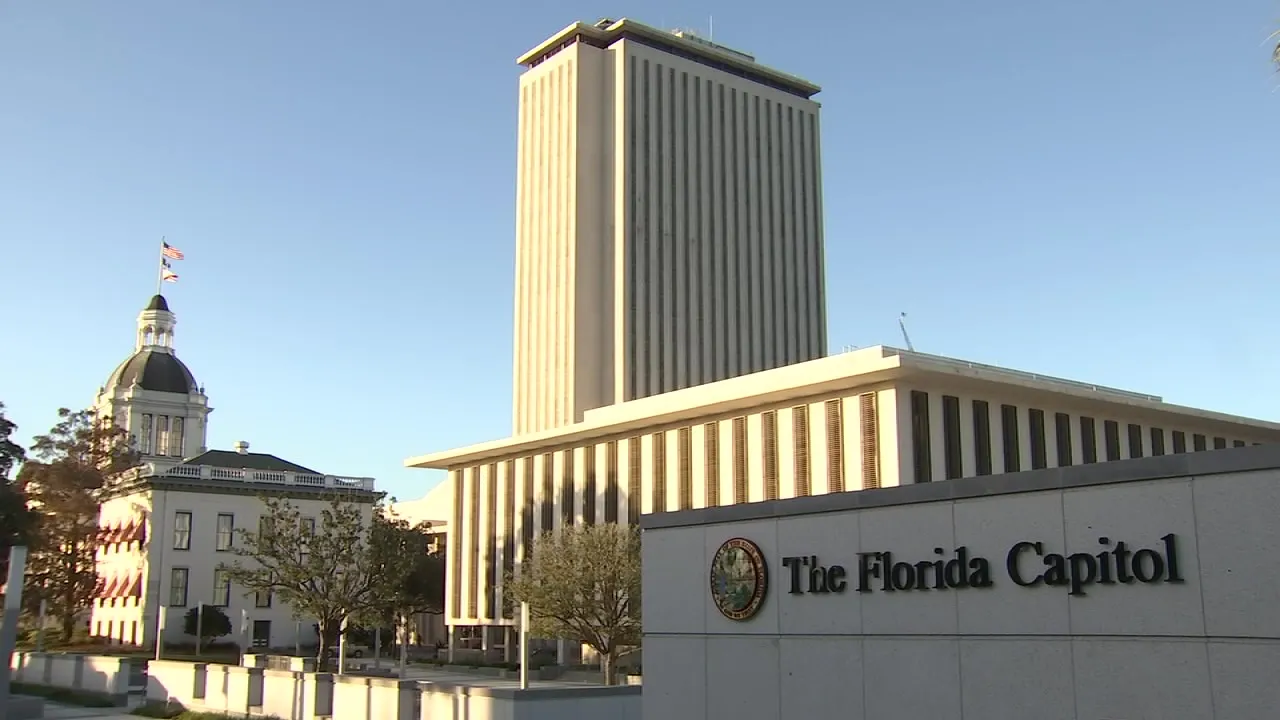
Supporters of the new law argue that the death penalty is a necessary tool in the fight against child sexual abuse. They contend that child rape is one of the most heinous crimes a person can commit, and those who perpetrate it should be held accountable to the fullest extent of the law. By including child rape in the list of offenses punishable by death, Florida lawmakers aim to send a strong message that the state will not tolerate such crimes, particularly against vulnerable children.
For many, the law is seen as a way to provide justice for the victims and their families, who may feel that the current system does not do enough to punish offenders. Supporters believe that the death penalty will act as a deterrent, preventing would-be offenders from committing such acts in the first place. They argue that the severity of the punishment will help reduce the incidence of child sexual abuse in Florida and beyond.
Additionally, the law has strong backing from certain advocacy groups that focus on protecting children. These organizations argue that child rape cases often leave lasting scars on the victims, both physically and emotionally. They assert that the perpetrators of these crimes should face the most severe consequences to ensure justice for the victims.
The Impact on the Criminal Justice System

Florida’s new law is likely to have far-reaching implications for the state’s criminal justice system. The law’s introduction comes at a time when the U.S. is experiencing heightened public scrutiny of the death penalty, with many states moving away from its use. Florida, however, has historically been one of the most active states in carrying out executions, and this new law represents a significant expansion of the death penalty’s scope.
The law may also lead to a shift in how the criminal justice system handles child sexual abuse cases. Prosecutors may now feel pressure to seek the death penalty in these cases, particularly when the defendant is seen as a repeat offender or when the crime is particularly heinous. This could lead to longer trials, increased legal costs, and a greater strain on Florida’s already-overburdened court system.
At the same time, the law could inspire other states to follow Florida’s lead, potentially leading to a national debate on the appropriate use of the death penalty for crimes beyond murder. If other states pass similar legislation, the U.S. may see an increase in death penalty cases related to child rape, further complicating the legal landscape surrounding capital punishment.
Conclusion:
Florida’s new law allowing the death penalty for child rape has ignited a firestorm of legal, ethical, and public debates. While supporters argue that the law is necessary to protect children and send a strong message against child sexual abuse, critics worry about its constitutional validity and its potential to lead to unfair, disproportionate punishments.
As the law moves through the legal system, it will undoubtedly face challenges that could result in significant changes to how the death penalty is applied in Florida and across the nation. The outcome of these challenges will likely have long-term implications for the future of capital punishment in the U.S., and whether it should be expanded to include non-lethal crimes such as child rape remains a central question for lawmakers, legal experts, and the public.