

Table of Contents
- Ford’s $19.5 Billion Setback and Its Impact on the EV Industry
- Ford’s Financial Struggles: A $19.5 Billion Loss
- The Halt of the F-150 Lightning Production: What’s Behind the Decision?
- Why the Shift in Ford’s EV Strategy?
- The Future of Ford’s Electric Vehicles: What’s Next?
- Implications for the EV Industry: Lessons Learned
- Conclusion: A Critical Crossroads for Ford and the EV Industry
Ford’s $19.5 Billion Setback and Its Impact on the EV Industry
When Ford Motor Company announced a dramatic shift in its electric vehicle (EV) strategy, the automotive world took notice. The company revealed it would take a staggering $19.5 billion financial hit as it scales back its EV plans and halts production of the highly anticipated F-150 Lightning electric pickup truck. This move has sent shockwaves through the EV industry and raised questions about the viability of mass-market electric vehicles in an increasingly competitive marketplace.
Ford’s decision marks a significant pivot in the company’s long-term strategy, which was originally set to position the F-150 Lightning as a centerpiece of its EV transformation. This article explores the implications of Ford’s decision on its financial future, the electric vehicle sector, and the broader automotive market. What led to this drastic change, and what does it mean for the company’s electric future?
Ford’s Financial Struggles: A $19.5 Billion Loss

Ford’s $19.5 billion loss is tied to a reassessment of its electric vehicle division. The company had initially planned aggressive production targets for electric cars, with the F-150 Lightning playing a central role in its strategy. However, market conditions, rising production costs, and competition from other automakers have led Ford to reconsider its approach.
The decision to cut back on EV production isn’t just about halting a single model; it reflects a broader shift in the company’s financial outlook. Ford, which has invested heavily in EV technology and production, is now rethinking its strategy to manage costs while continuing to invest in its electric future.
The company’s decision also comes at a time when automakers are grappling with inflationary pressures and supply chain disruptions, factors that have affected production timelines and profitability. Ford is not alone in facing these challenges; several other major automakers have also scaled back their EV ambitions in light of these obstacles.
The Halt of the F-150 Lightning Production: What’s Behind the Decision?
One of the most striking elements of Ford’s recent announcement is the decision to halt production of the F-150 Lightning, a highly anticipated electric version of its best-selling F-150 pickup truck. The F-150 Lightning was seen as a key part of Ford’s strategy to make inroads into the electric vehicle market, combining the brand’s legacy of rugged trucks with the promise of zero-emission technology.
The halt of F-150 Lightning production is largely due to ongoing production challenges, including parts shortages and supply chain issues. Ford has struggled to meet its production targets for the model, and as a result, the company has delayed further manufacturing of the vehicle. This has led to customer frustration and a tarnished reputation for Ford, which had hoped to be a leader in the electric truck market.
While the F-150 Lightning’s production halt is a temporary setback, it raises questions about the company’s ability to deliver on its promises in the competitive EV market. The electric vehicle sector has been rapidly evolving, with many consumers and companies looking for alternatives to traditional gas-powered vehicles. Ford’s challenge will be to regain momentum and address the growing concerns about the F-150 Lightning’s production delays.
Why the Shift in Ford’s EV Strategy?

The shift in Ford’s electric vehicle strategy can be attributed to a variety of factors. First, the rapid rise in demand for EVs has created intense competition among automakers, with companies like Tesla, Rivian, and General Motors pushing forward with their own electric offerings. This increased competition has put pressure on Ford to ensure its EV models stand out in a crowded market.
Second, the rising costs associated with producing electric vehicles, including battery costs and the expenses tied to EV-specific technology, have made it difficult for Ford to meet its original financial projections. The company has been working to optimize its manufacturing processes and lower production costs, but it has become clear that the current pricing structure for EVs may not be sustainable in the long term without major adjustments.
Lastly, Ford has been forced to confront the reality that the transition to electric vehicles is not as simple as it once seemed. Although the company is still committed to EV production, it now recognizes that it will need to slow its rollout in order to avoid overextending its resources. As a result, Ford has opted to scale back its plans and reallocate resources to more profitable areas of its business.
The Future of Ford’s Electric Vehicles: What’s Next?
While Ford’s recent decision to scale back its electric vehicle ambitions is a significant setback, it is not the end of the company’s EV journey. Ford has emphasized its continued commitment to electric vehicle production, and the company has outlined plans for future EV models that align with its revised strategy.
The automaker has also reaffirmed its intention to invest in sustainable technologies, including renewable energy infrastructure and battery technology. Ford is working on improving its battery systems to reduce costs and improve efficiency, which will be crucial for its ability to remain competitive in the electric vehicle market.
Ford’s pivot does not mean it is abandoning its electric future; rather, the company is recalibrating its strategy to ensure long-term success. The company is focusing on specific segments of the EV market, including electric trucks, commercial vehicles, and smaller, more affordable EV models that cater to a wider range of consumers.
As the EV market matures, Ford’s strategy will likely evolve, and it will be interesting to see how the company adapts to changing market conditions. With ongoing innovation in battery technology and manufacturing processes, Ford still has the potential to be a significant player in the electric vehicle industry.
Implications for the EV Industry: Lessons Learned
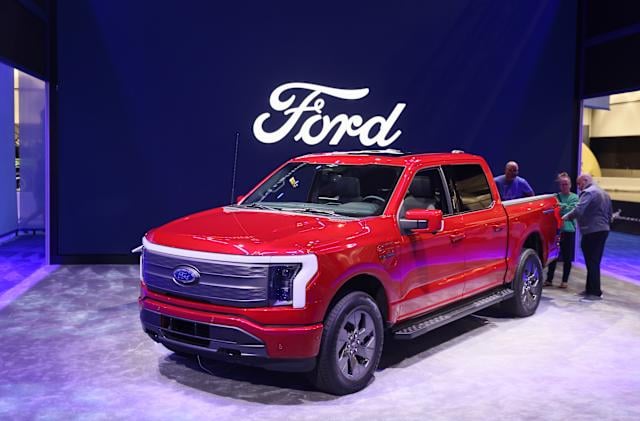
Ford’s decision to scale back its electric vehicle ambitions offers valuable lessons for the broader EV industry. The company’s financial struggles highlight the challenges of transitioning from traditional internal combustion engine vehicles to electric vehicles, particularly in the context of rising production costs and competitive pressure.
The shift in Ford’s strategy also underscores the importance of managing supply chain issues and ensuring that production systems are in place to meet demand. Automakers must navigate the complex web of raw materials, parts suppliers, and manufacturing capacity in order to deliver EVs that meet consumer expectations.
Another key takeaway is the need for automakers to balance ambition with reality. While the push toward electrification is critical for the future of the automotive industry, automakers must be mindful of the challenges they face in making this transition. Ford’s recalibration offers a cautionary tale for other companies in the EV space as they look to expand their electric vehicle offerings.
Conclusion: A Critical Crossroads for Ford and the EV Industry
Ford’s decision to scale back its electric vehicle plans and halt production of the F-150 Lightning is a pivotal moment in the company’s history and in the ongoing transition to electric vehicles. While this setback presents challenges, it also highlights the complexities of navigating the rapidly evolving EV market.
As Ford recalibrates its strategy, the company’s commitment to electric vehicles remains intact, albeit with a more cautious approach. The future of the EV market will depend on how automakers like Ford adapt to the challenges of production, cost management, and competition.
Ultimately, Ford’s journey reflects the broader challenges of the automotive industry as it embraces electrification. With the right investments and strategic adjustments, Ford and other automakers can overcome these hurdles and continue to play a significant role in shaping the future of transportation.