
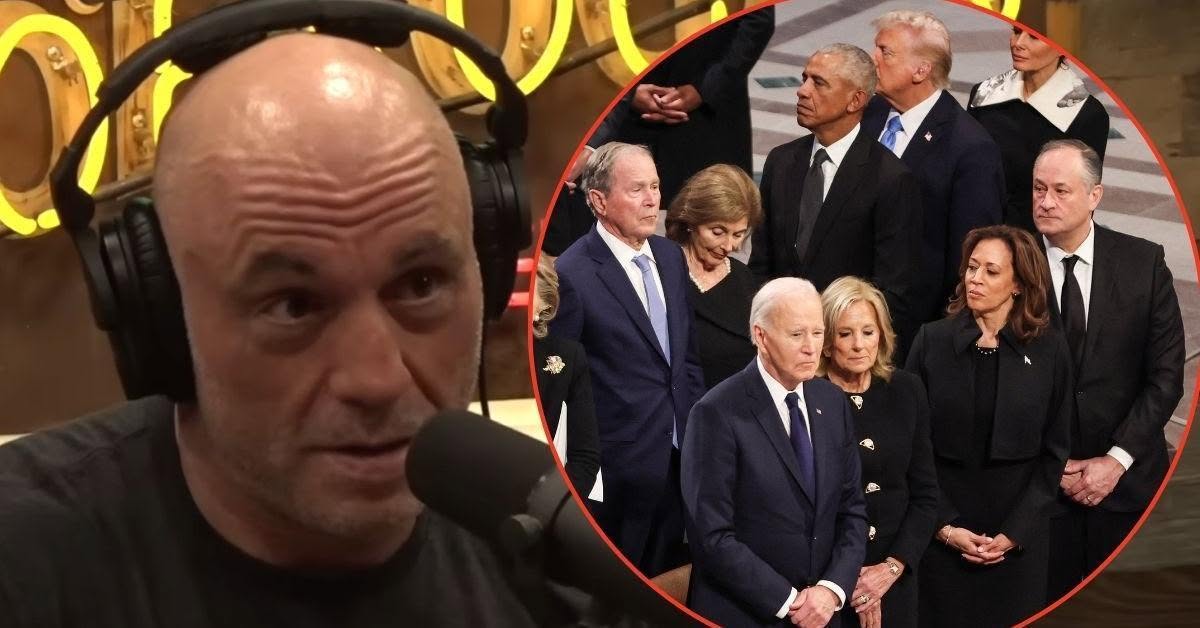
When Joe Rogan made a striking claim during a recent episode of The Joe Rogan Experience, it quickly became one of the most talked about moments online. The podcast host alleged that former U.S. presidents personally contacted Spotify in an effort to have his show removed during the height of the COVID 19 pandemic. While Rogan did not identify any individuals or provide evidence supporting the allegation, the comments have reignited debate over censorship, misinformation, free speech, and the enormous influence that digital platforms now hold over public conversation.
The remarks arrive years after Rogan became one of the most controversial media figures during the pandemic. His interviews with scientists, doctors, and public figures questioning aspects of government COVID policies generated both widespread support and intense criticism. Although much of that controversy appeared to settle in recent years, Rogan’s latest comments have once again placed his relationship with Spotify and the political establishment under the spotlight.
Table of Contents
- A New Allegation During a Wide Ranging Podcast Discussion
- Spotify Found Itself at the Center of a Global Debate
- High Profile Artists Increased the Pressure
- Rogan Says Spotify’s Global Reach Helped Protect Him
- Spotify’s Public Position Has Remained Consistent
- COVID Changed the Media Landscape Forever
- Rogan Says the Backlash Had Real Financial Costs
- Free Speech and Platform Responsibility Continue to Collide
- Critics Say Extraordinary Claims Require Evidence
- Why the Story Continues to Generate Global Attention
- Conclusion
A New Allegation During a Wide Ranging Podcast Discussion
The comments emerged during an interview with behavioral expert Chase Hughes. As the conversation shifted toward influence, media, and public opinion, Hughes suggested that Rogan had often been willing to voice opinions that initially sounded unpopular before eventually gaining wider acceptance.
Rogan responded by reflecting on his experience throughout the COVID pandemic. According to him, the backlash extended far beyond criticism from media outlets or social media users. He claimed organized efforts targeted his sponsors and attempted to pressure Spotify into removing his podcast entirely.
Perhaps his most surprising statement came when he alleged that multiple former U.S. presidents became involved behind the scenes. Rogan claimed they contacted Spotify directly and encouraged the streaming company to take action against his program because of what critics described as COVID vaccine misinformation.
He stopped short of naming anyone involved and declined to provide additional details, saying only that significant money and political influence had allegedly been used in the effort.
Spotify Found Itself at the Center of a Global Debate
Rogan’s comments revive memories of one of Spotify’s biggest public controversies.
After signing an exclusive licensing agreement reportedly worth more than $100 million several years earlier, Spotify suddenly found itself balancing two competing priorities. On one side was its biggest podcast creator, whose interviews attracted millions of listeners worldwide. On the other side were growing calls from medical experts, artists, and advocacy groups demanding stronger moderation of pandemic related content.
The controversy intensified after several episodes featured guests who questioned vaccine mandates, lockdown policies, and some public health recommendations.
Critics argued that these discussions risked spreading misinformation during a global health emergency. Supporters countered that Rogan was providing a platform for open debate at a time when many viewpoints were being dismissed.
The dispute quickly expanded beyond podcasting and became a broader conversation about freedom of expression in digital media.
High Profile Artists Increased the Pressure
One of the most visible moments during the controversy came when legendary musician Neil Young requested that Spotify remove either his music or Rogan’s podcast from the platform.
Spotify ultimately removed Young’s music after refusing to cancel Rogan’s program.
Several other artists followed with similar protests, arguing that they did not want their work hosted alongside content they believed undermined public health messaging.
The episode generated international headlines and placed Spotify under enormous pressure from subscribers, investors, medical professionals, and government officials.
Instead of removing Rogan’s podcast, Spotify introduced advisory notices on episodes discussing COVID related topics, directing listeners toward reliable public health information.
That compromise attempted to preserve creator independence while acknowledging concerns about potentially misleading health claims.
Rogan Says Spotify’s Global Reach Helped Protect Him
During his recent interview, Rogan suggested that Spotify’s international business model played an important role in allowing his show to remain online.
He noted that Spotify is headquartered in Sweden rather than the United States and argued that its global audience reduced the effectiveness of political pressure originating from any single country.
According to Rogan, his podcast consistently ranked among Spotify’s most popular programs across dozens of international markets. He implied that removing one of the platform’s largest global creators would have carried enormous financial and reputational consequences.
Although Spotify has never publicly confirmed receiving political pressure from current or former presidents, the company repeatedly stated during the pandemic that it would not change content policies solely because of pressure directed at one creator.
Spotify’s Public Position Has Remained Consistent
Throughout the controversy, Spotify executives maintained that content moderation decisions would follow company policies rather than public campaigns.
Chief Executive Officer Daniel Ek previously explained that Spotify developed its rules with guidance from both internal specialists and outside experts. He emphasized that the platform would not rewrite its policies based on media cycles or public pressure involving individual creators.
Rather than removing controversial episodes, Spotify expanded its content moderation practices by introducing educational notices on COVID discussions.
The company argued that this approach better balanced open conversation with responsible public information.
Those decisions drew criticism from both sides. Some believed Spotify failed to do enough to limit misinformation, while others argued the platform had already begun restricting free discussion.
COVID Changed the Media Landscape Forever
The pandemic fundamentally transformed how information spread online.
Traditional news organizations, independent podcasters, social media creators, scientists, and government officials all competed for public attention during one of the most uncertain periods in modern history.
Recommendations changed frequently as researchers learned more about the virus, vaccines, treatments, and transmission.
This evolving scientific understanding created confusion among many members of the public and contributed to fierce disagreements over which voices deserved trust.
Podcast platforms became especially influential because they allowed lengthy conversations that differed dramatically from short television interviews or social media posts.
Supporters viewed long form discussions as an opportunity for nuance.
Critics argued they also provided an avenue for inaccurate claims to reach enormous audiences without sufficient fact checking.
Rogan Says the Backlash Had Real Financial Costs
Although his audience continued growing, Rogan acknowledged that the controversy came with personal and financial consequences.
He said sponsors withdrew support and coordinated campaigns attempted to damage both his reputation and business relationships.
While he believes those efforts ultimately failed, Rogan described the experience as one of the most intense periods of his professional career.
He also expressed disappointment that, in his view, critics never acknowledged instances where evolving scientific evidence later aligned with some of the concerns discussed on his podcast.
Many public health experts, however, continue to argue that some information shared during that period lacked appropriate scientific context, highlighting why debates surrounding COVID communication remain deeply polarized.
Free Speech and Platform Responsibility Continue to Collide
The renewed attention surrounding Rogan’s comments illustrates a larger issue extending far beyond one podcast.
Technology companies increasingly find themselves balancing competing expectations.
Governments want platforms to limit harmful misinformation.
Civil liberties advocates warn against excessive censorship.
Creators seek editorial independence.
Advertisers worry about brand safety.
Users expect reliable information while also demanding freedom of expression.
There are no universally accepted answers to these competing priorities.
The COVID pandemic simply accelerated questions that continue affecting every major digital platform today.
As artificial intelligence, social media algorithms, and independent media continue evolving, those debates will likely become even more complicated.
Critics Say Extraordinary Claims Require Evidence
While Rogan’s latest comments generated significant attention, observers also note that his allegation regarding former presidents contacting Spotify remains unverified.
He did not identify which presidents were allegedly involved, provide documentation, or offer supporting evidence during the interview.
Without independent confirmation, the claims remain personal allegations rather than established fact.
Political analysts suggest that if additional evidence eventually emerges, it could significantly reshape public understanding of how governments interacted with technology companies during the pandemic.
Until then, the remarks primarily contribute to an already heated debate over transparency, influence, and accountability in modern media.
Why the Story Continues to Generate Global Attention
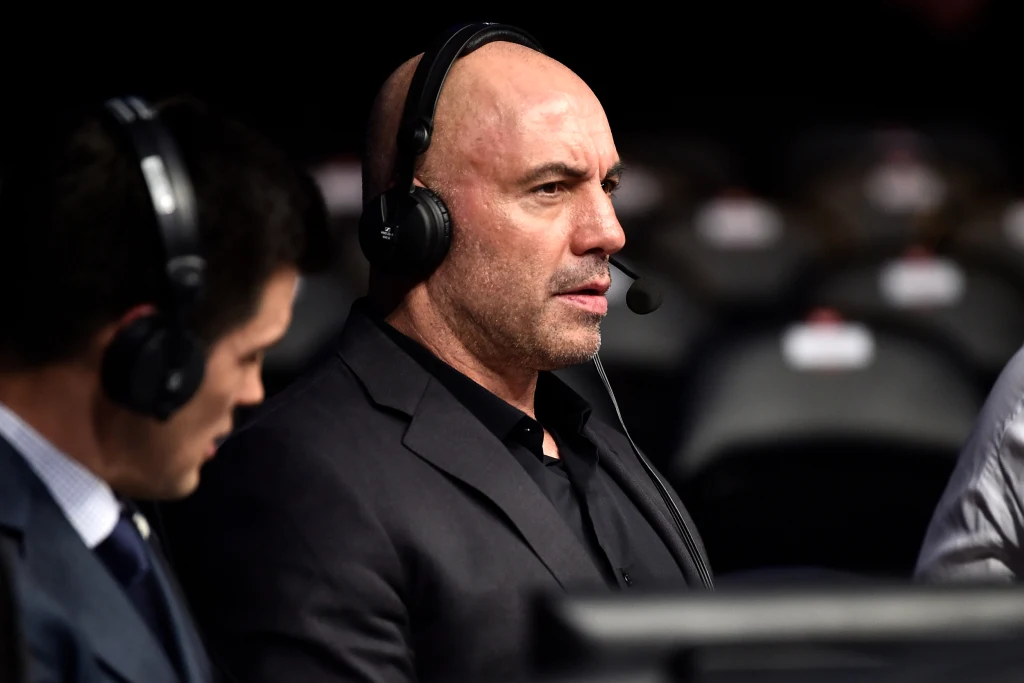
Joe Rogan remains one of the world’s most influential podcast hosts, reaching millions of listeners every week across numerous countries.
Any new comments involving politics, technology companies, or free speech inevitably attract widespread attention because they touch issues that extend beyond entertainment.
His latest allegation has once again placed Spotify, pandemic policies, and political influence into the public conversation.
Whether future evidence supports or contradicts his claims, the discussion highlights how the relationship between governments, digital platforms, and independent creators continues evolving in ways that affect public trust worldwide.
Conclusion
Joe Rogan’s assertion that former U.S. presidents attempted to pressure Spotify into removing his podcast has reopened one of the most controversial chapters of the COVID era. Although the allegation has not been independently verified and no specific individuals were identified, it has revived broader discussions surrounding political influence, corporate decision making, and freedom of expression on digital platforms.
The controversy also serves as a reminder that the debates sparked during the pandemic did not disappear when the public health emergency eased. Questions about who controls information, how platforms should respond to controversial content, and where the balance between public safety and open discussion should lie remain unresolved.
As podcasting continues to rival traditional media in reach and influence, similar disputes are likely to emerge again. Regardless of where readers stand on Rogan’s claims, the episode underscores a larger reality. The battle over information, trust, and free speech has become one of the defining conversations of the digital age.