
Table of Contents
- A Family Tragedy During France’s Heatwave
- What Happened In Carpentras
- The Mother’s Reported Shock
- Why Hot Cars Become Deadly So Fast
- A Heatwave Across Western Europe
- The Manslaughter Investigation
- Why Stories Like This Shock Parents
- The Importance Of Heat Safety Warnings
- A Community Left Searching For Answers
- A Tragedy With A Wider Warning
A Family Tragedy During France’s Heatwave
When news broke that two young brothers had died after being found inside a car during a severe French heatwave, the story shocked families across Europe. The boys, aged four and two, were discovered unresponsive on Monday afternoon in Carpentras, a town in southern France, as temperatures reportedly climbed to around 40C.
Emergency services were called to the scene, but efforts to revive the children were unsuccessful. Authorities later confirmed that the brothers had suffered cardiac arrest, a devastating outcome that can happen when a person’s body overheats beyond its ability to cope.
The case has now become the subject of a manslaughter investigation, with officials trying to determine exactly how the children came to be left inside the vehicle. Early reports suggest their mother may have forgotten about them after returning from a shopping trip, although French media later reported that her statements about the timeline contained inconsistencies.
What began as a private family tragedy has quickly become a national warning about heat, children, and the dangers of parked cars during extreme weather.
What Happened In Carpentras
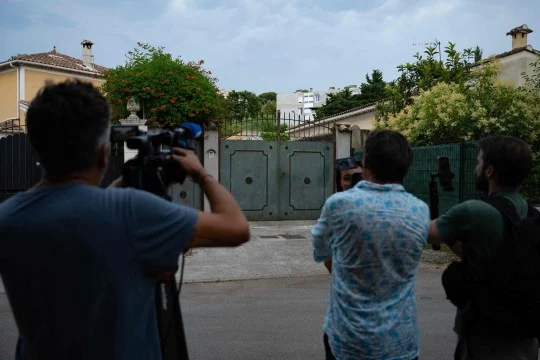
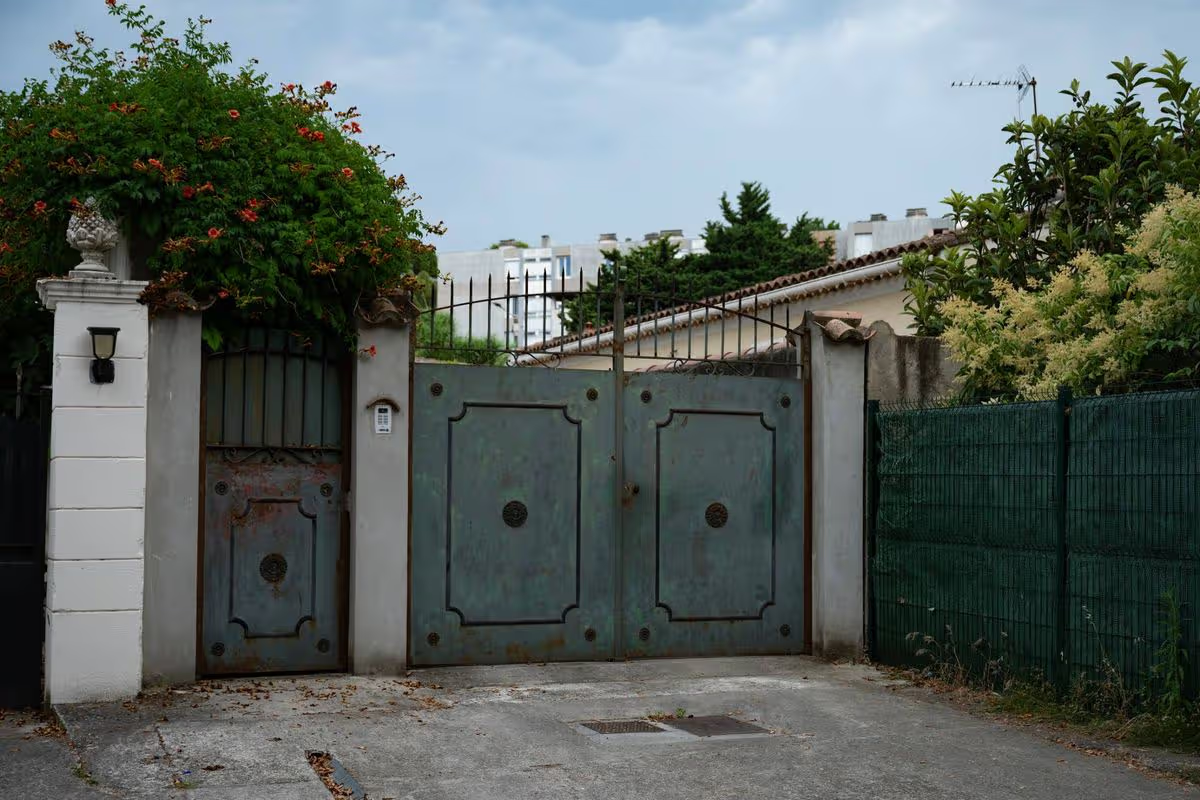
The incident took place outside the boys’ grandmother’s house in Carpentras, a town in the Vaucluse region of southern France. According to early reports, the children were found by their 33-year-old mother after they had been inside the car during dangerously high temperatures.
The precise timeline remains under investigation. French outlet RTL reported that the mother first said she had left the children in the car after returning from shopping. Later, she reportedly said the boys may have climbed back into the vehicle without her knowing while she was unloading groceries.
Because of these reported inconsistencies, investigators are now working to establish what happened before the children were found. In such cases, small details can become critical. How long the children were in the car, whether the doors were locked, whether any windows were open, and who last saw them alive may all become part of the investigation.
For now, the confirmed facts are painfully clear. Two children died during extreme heat, and authorities are examining whether negligence played a role.
The Mother’s Reported Shock
A neighbour reportedly said they heard the mother screaming when she realized what had happened. The witness described her as being in a state of absolute shock. That detail adds a deeply human layer to a case that is already heartbreaking.
In many hot car tragedies, investigators must separate grief from responsibility. A parent or caregiver may be devastated by what happened, but authorities still have to determine whether the death was accidental, negligent, or criminal.
The emotional aftermath is often overwhelming. Families, neighbours, emergency workers, and local communities can all be deeply affected. For the mother, the loss of two children in a single afternoon is almost impossible to imagine. For investigators, however, the focus must remain on evidence, timeline, and legal responsibility.
This is why the case has drawn such strong reactions. It involves both compassion and accountability. People may feel sympathy for a parent in shock, while also demanding answers about how two small children were left in a life-threatening situation.
Why Hot Cars Become Deadly So Fast
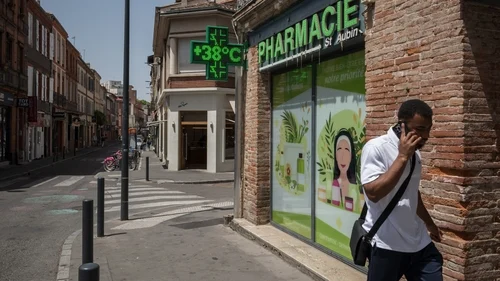
One of the reasons this tragedy has spread so widely is because many people underestimate how quickly a parked car can become dangerous. During a heatwave, the inside of a vehicle can become much hotter than the outside air. Even when the outside temperature is already extreme, the interior can heat up rapidly because sunlight passes through the windows and becomes trapped inside.
Children are especially vulnerable because their bodies heat up faster than adults. They may not be able to open doors, remove themselves from danger, or clearly understand what is happening. A toddler or preschool-aged child can become overwhelmed by heat very quickly.
At temperatures around 40C, the risk becomes even more severe. The body’s normal cooling systems can fail, especially if there is no airflow, no shade, and no access to water. Heatstroke can lead to confusion, collapse, organ damage, and death.
That is why safety experts repeatedly warn that children should never be left alone in a parked vehicle, even for a short time.
A Heatwave Across Western Europe
The tragedy occurred as Western Europe was experiencing intense heat driven by a mass of hot air moving north from the Sahara. Reports described the weather system as being connected to a strong high-pressure pattern often referred to as the African anticyclone.
Meteorologists say this kind of system can create a heat dome effect, where hot air becomes trapped over a region and temperatures continue to rise day after day. When that happens, nights may stay warm, buildings retain heat, and vulnerable people face higher health risks.
France, Spain, Italy, and other parts of Europe have increasingly faced dangerous heat events in recent years. In urban areas and towns with limited shade, heat can feel even more intense. Cars, pavements, walls, and roads can absorb and radiate warmth, creating hazardous conditions for children, older adults, outdoor workers, and anyone without access to cooling.
In that broader context, the deaths in Carpentras are not only a criminal investigation. They are also a reminder that extreme heat is no longer a rare summer inconvenience. It can become deadly within minutes.
The Manslaughter Investigation
French authorities have launched a manslaughter investigation into the deaths. This does not automatically mean that the mother will be convicted or even charged in the end. It means investigators believe the circumstances require legal examination.
In a case like this, prosecutors may look at whether the children were knowingly left in danger, whether the mother acted recklessly, or whether the deaths resulted from a tragic accident. The reported change in the mother’s account will likely be an important part of the investigation.
Authorities may also seek witness statements, examine the car, review phone records, gather medical findings, and reconstruct the family’s movements before the children were discovered. Investigators may ask whether the mother was distracted, whether anyone else was present, and whether the children were expected to be inside the house or car.
The legal question is not only whether the mother is grieving. It is whether her actions, or failure to act, created the conditions that led to the children’s deaths.
Why Stories Like This Shock Parents
Hot car deaths create a particular kind of fear because they force parents to confront a terrifying possibility. Many people want to believe such a thing could never happen in their family. Yet cases around the world often involve routine moments: shopping trips, school drop-offs, schedule changes, or everyday distractions.
This does not remove responsibility, but it explains why these stories cause such intense public reaction. They sit at the intersection of ordinary life and irreversible tragedy. A car parked outside a family home can become a fatal environment, even when the danger is not immediately visible.
Parents reading this story may feel anger, sadness, disbelief, or panic. Some may focus on punishment. Others may focus on prevention. Both reactions come from the same place: the instinct to protect children from harm.
The deaths of the two brothers in Carpentras are especially painful because of their young ages. At four and two, they were completely dependent on adults for safety. That is why the case has become so emotionally powerful.
The Importance Of Heat Safety Warnings
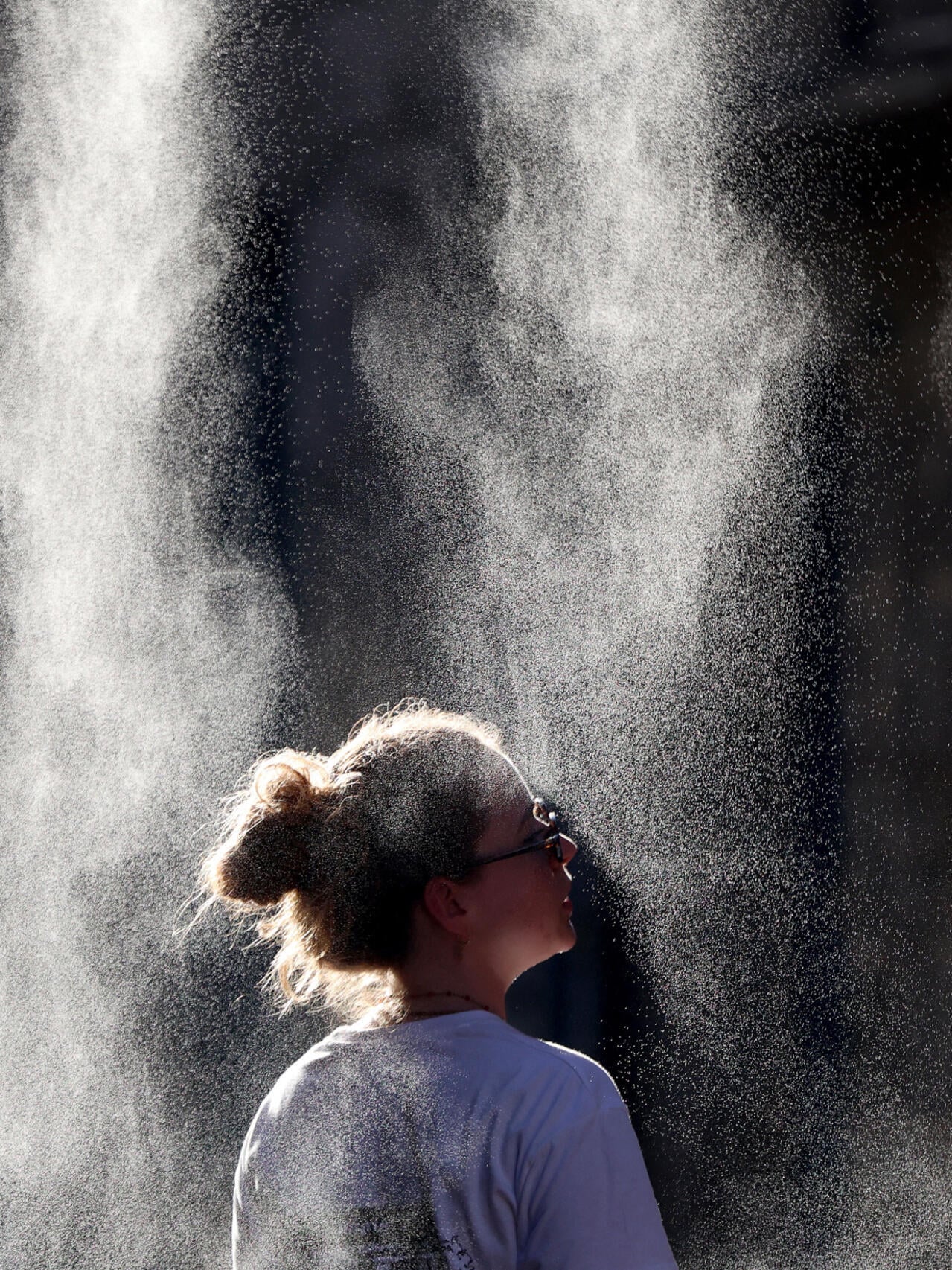
Public safety officials often repeat the same message during heatwaves: never leave children, pets, older adults, or vulnerable people inside parked cars. But tragedies still happen, which suggests that warnings need to be stronger, more visible, and repeated during every major heat event.
Simple habits can save lives. Parents can place a phone, bag, shoe, or key item in the back seat so they are forced to check before leaving the car. Childcare providers can call immediately if a child does not arrive as expected. Families can create routines where every parked car is checked before doors are locked.
There is also a wider responsibility for communities. Neighbours, passers-by, and family members should treat a child alone in a hot vehicle as an emergency. During a 40C heatwave, waiting too long can be fatal.
This case shows why heat safety is not just a parenting topic. It is a public health issue, especially as Europe faces more frequent and intense summer heat.
A Community Left Searching For Answers
In Carpentras, the deaths have left a community shaken. The reported scene outside the grandmother’s house was one of panic, grief, and emergency response. For neighbours, the sound of a mother screaming after finding her children would be difficult to forget.
Local tragedies like this often ripple far beyond the immediate family. Emergency responders carry the memory of what they saw. Neighbours question whether anything could have been done sooner. Families in the area become more alert to heat risks. Online readers debate the mother’s responsibility, sometimes with anger and sometimes with sorrow.
The challenge now is to let investigators do their work while remembering that two children are at the center of the story. Their deaths should not become only a viral headline. They should lead to serious conversations about child safety, heat warnings, caregiver awareness, and the legal standards expected when children are placed at risk.
A Tragedy With A Wider Warning
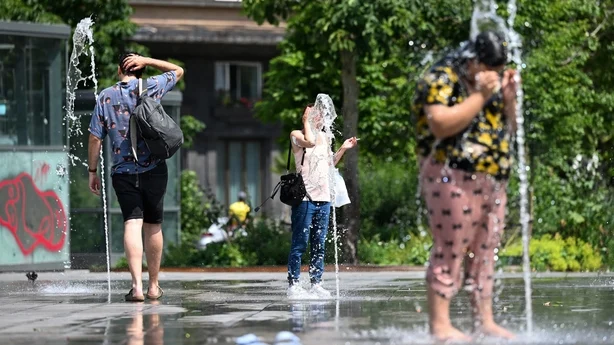
The deaths of two young brothers in a hot car during France’s 40C heatwave are now part of a criminal investigation, but the case is also a warning to every family facing extreme summer temperatures. A parked car can become deadly far faster than many people realize, especially for small children who cannot protect themselves.
The mother’s reported statements will be examined carefully by authorities. Investigators must determine whether this was a case of fatal negligence, a terrible accident, or something else. Until that process is complete, the full truth remains unknown.
What is already known is that two children lost their lives on a day of extreme heat. Their deaths have raised urgent questions about parental responsibility, heatwave preparedness, and how quickly ordinary routines can turn into irreversible tragedy.
As Europe continues to face dangerous heat events, this case may become more than a heartbreaking local story. It may become a reminder that extreme weather changes the risks around everyday life. During a heatwave, a car is not just a vehicle. It can become a sealed, overheating space where minutes matter, and where one forgotten moment can lead to a lifetime of grief.