
Table of Contents
- A Surprise from the Past
- The Ancient Tree: A Link to the Dinosaur Era
- The Discovery: A Couple’s Unexpected Joy
- The Significance of Ginkgo Biloba
- Ginkgo’s Fruit: A Rare and Valuable Product
- A Surprising Achievement
- How This Tree Is Teaching Us About Plant Resilience
- Implications for Gardeners and Environmentalists
- Conclusion
A Surprise from the Past
When news broke that a retired couple in the countryside had an ancient tree bearing fruit for the first time, it took the world by surprise. This wasn’t just any tree — it was a species that had survived since the time of the dinosaurs, having witnessed the rise and fall of ancient creatures long gone. The tree’s ability to bear fruit after centuries of existence was an extraordinary event, one that captured the imagination of botanists and nature lovers alike. What follows is an exploration of this amazing tree’s journey, how it became part of a simple couple’s garden, and what it means for our understanding of plant resilience and history.
The Ancient Tree: A Link to the Dinosaur Era
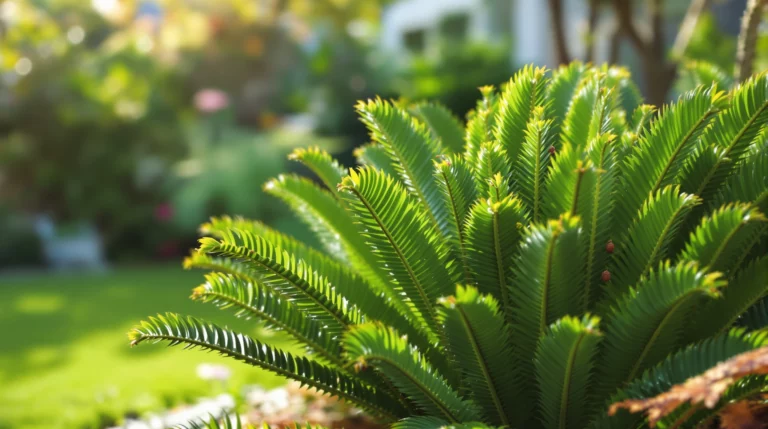
The tree in question is a Ginkgo biloba, an ancient species that dates back more than 270 million years to the time of the dinosaurs. Often referred to as a “living fossil,” the Ginkgo biloba is the last surviving member of a group of plants that were once abundant during the Mesozoic era. Its leaves are distinct, with a fan-like shape that has remained unchanged for millions of years, making it a true biological marvel.
While the Ginkgo biloba can be found in many parts of the world today, it is a rare sight in many regions. However, in the garden of this retired couple, a solitary tree has thrived for years — until now, when it produced fruit for the very first time.
The Discovery: A Couple’s Unexpected Joy
For the retired couple, the ginkgo tree was an unexpected yet treasured addition to their garden. They had planted the tree many years ago, admiring its historical significance and unique beauty, but never anticipating that it would bear fruit. In fact, the tree’s gender, like many Ginkgo biloba trees, had remained unclear for years, as only female trees produce the distinctive, fruit-like seeds.
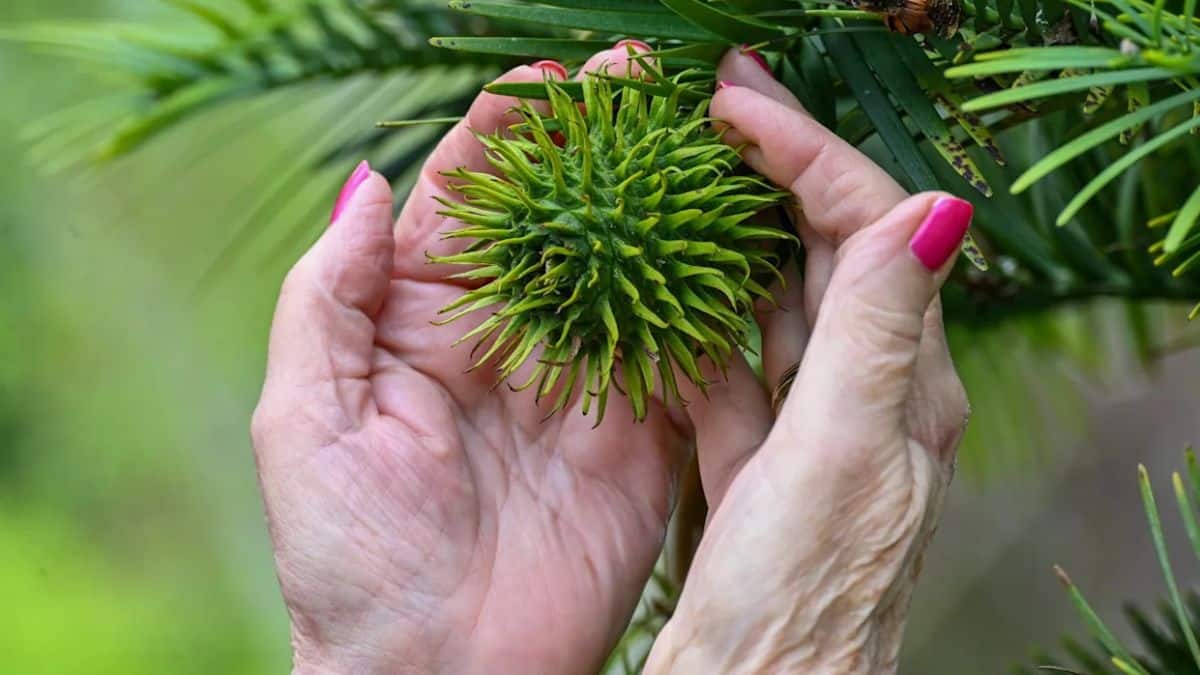
It wasn’t until this year, after decades of waiting, that the couple noticed small, fruit-bearing seeds developing on the tree’s branches. These fruits are often described as yellowish and pungent, and while not commonly seen in gardens, they are an essential part of the tree’s reproductive process. The couple’s excitement over this rare occurrence was palpable, and their story quickly captured the attention of local news outlets and environmental organizations.
The Significance of Ginkgo Biloba
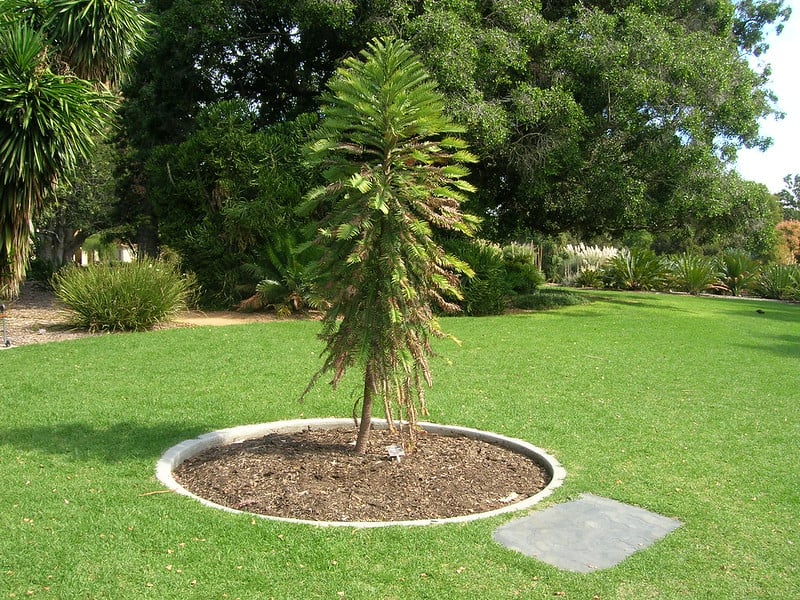
The Ginkgo biloba has held a special place in both history and medicine. In ancient times, this tree was revered by cultures such as the Chinese and Japanese, who used its leaves for medicinal purposes, often to improve circulation and mental function. Its ability to survive harsh conditions, including urban environments, nuclear fallout, and extreme weather, has made it a symbol of endurance and resilience.
The fact that the ginkgo tree has managed to endure through the ages is a testament to its remarkable adaptability. Throughout history, it survived periods of great upheaval, including ice ages and the devastation caused by meteorite impacts that wiped out the dinosaurs. Today, it’s still found thriving in various climates, symbolizing both the fragility and endurance of life itself.
Ginkgo’s Fruit: A Rare and Valuable Product
Though the ginkgo tree’s fruit is not often seen in residential yards, its production carries with it great significance. The seeds of the female ginkgo tree are surrounded by a fleshy coating that, when ripe, produces a distinct odor. This odor, while pungent to many, is part of the natural life cycle of the tree. The seeds inside, however, are highly valued in certain culinary traditions and are considered a delicacy in many Asian cultures.
In fact, ginkgo nuts have been a part of traditional Chinese medicine for centuries, where they are used for their purported health benefits, including improving respiratory function and aiding in cognitive health. While the tree’s fruit is not commonly consumed in the West, the fact that this retired couple’s ginkgo tree is bearing fruit marks an important moment for both botanical enthusiasts and culinary adventurers alike.
A Surprising Achievement
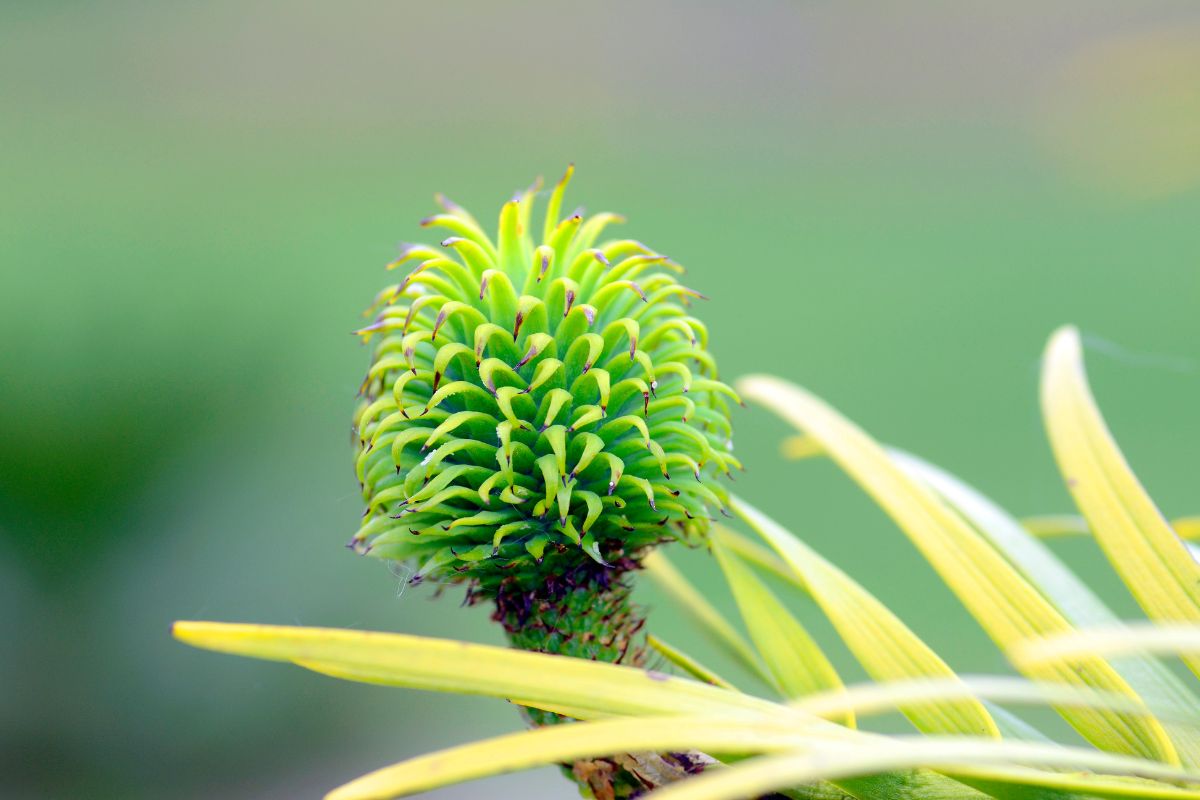
What makes this fruit-bearing ginkgo tree even more remarkable is the fact that it has thrived in a suburban garden, far from the typical environments where these trees are found. Historically, ginkgo trees have been planted in urban spaces due to their resistance to pollution and harsh conditions. However, the environment in the couple’s yard presented its own set of challenges. The tree had to weather extreme winters, fluctuating temperatures, and changing soil conditions — factors that many trees would find difficult to endure.
This tree’s survival and eventual fruit-bearing highlight the resilience of Ginkgo biloba in today’s climate. It demonstrates how plants can adapt to new environments over time, even in areas that may not be ideal for their growth. The success of this ginkgo tree is a reflection of the power of nature to endure, evolve, and thrive, no matter the obstacles it faces.
How This Tree Is Teaching Us About Plant Resilience
The appearance of fruit on this ancient tree also offers valuable lessons for scientists and gardeners alike. It highlights the importance of patience in cultivating nature’s most resilient species. While the ginkgo tree took decades to bear fruit, its eventual success is a reminder that nature has its own rhythm and timeline, one that can’t always be rushed.
Furthermore, the ginkgo tree’s survival in a modern, suburban setting speaks volumes about the ability of certain plant species to adapt to human-induced environmental changes. With climate change and urbanization affecting ecosystems around the world, the resilience of the ginkgo serves as both an inspiration and a call to action for those working to protect and conserve plant species in today’s rapidly changing world.
Implications for Gardeners and Environmentalists
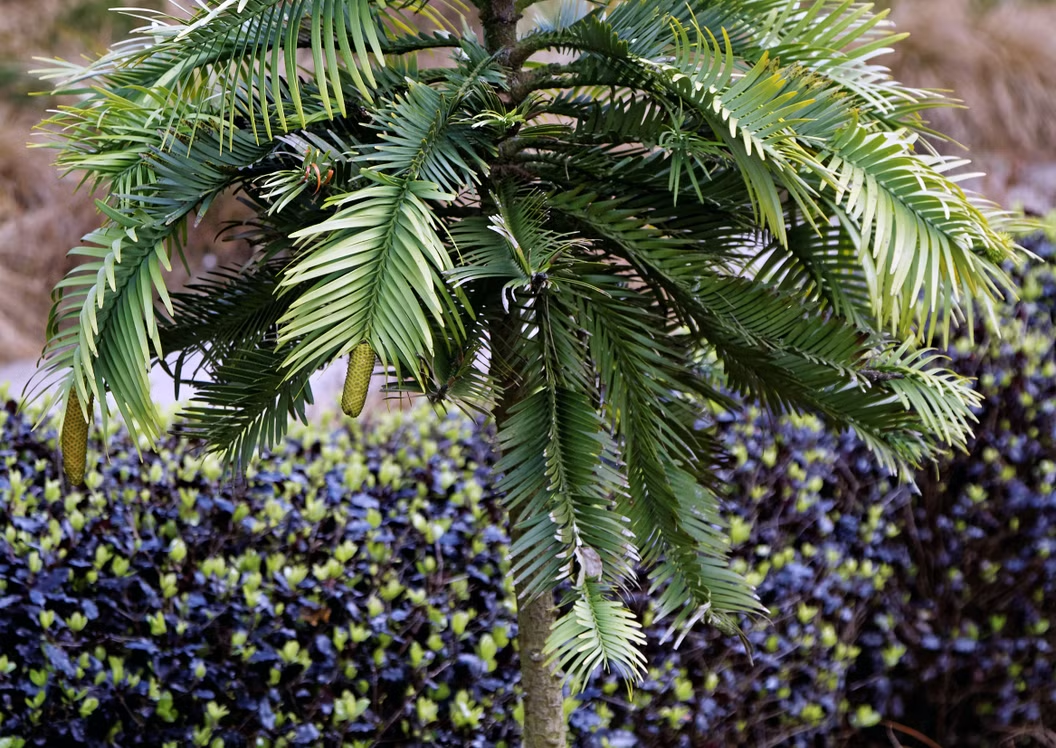
For gardeners, this ginkgo tree’s success could inspire new efforts to incorporate more resilient, low-maintenance plants into urban landscapes. The Ginkgo biloba‘s ability to thrive in difficult conditions makes it a prime candidate for planting in areas that face challenges such as pollution, poor soil, and extreme weather. As more people look for sustainable and low-maintenance options for their gardens, the ginkgo tree stands as a natural solution.
Environmentalists, on the other hand, can take heart in the continued survival of such an ancient species. The fact that the ginkgo has persisted through periods of intense environmental change underscores the importance of preserving plant species that are vital to the planet’s ecological balance. It serves as a symbol of hope for biodiversity conservation, offering a reminder that, even in the face of adversity, life can adapt and continue.
Conclusion
The ginkgo tree that now bears fruit in a retired couple’s yard serves as a living link to the past, connecting us to a time long before human civilization. Its survival and fruit-bearing act as a testament to the resilience of life, both ancient and modern. As the couple continues to watch their tree grow and bear fruit, they are not only witnessing a botanical marvel but also participating in a larger conversation about the intersection of nature, resilience, and human ingenuity.
This tree, which has weathered the passage of time, provides valuable lessons for all of us: about patience, perseverance, and the beauty of slow, steady growth. And in a world that often seeks instant gratification, the ginkgo reminds us that some of life’s greatest rewards take time to bear fruit.