
Table of Contents
- Not Just for Grandmothers Anymore
- The Science Behind the Benefits of Hobbies
- Why Knitting is More Than Just a Craft
- The Unexpected Fountain of Youth
- Comfort Food for the Soul
- The Social Impact of Traditional Hobbies
- Hobbies for Cognitive Function and Brain Health
- How Traditional Hobbies Help Women Age Gracefully
- Conclusion
Not Just for Grandmothers Anymore
In a world where fast-paced technology often dictates daily life, many women are rediscovering the therapeutic joy of traditional hobbies passed down from earlier generations. These activities, often associated with “grandmas,” are not just quaint or nostalgic; they come with actual health benefits that make them vital for modern women. From knitting to gardening, these activities offer more than a sense of accomplishment; they are scientifically proven to improve both physical and mental health.
The Science Behind the Benefits of Hobbies
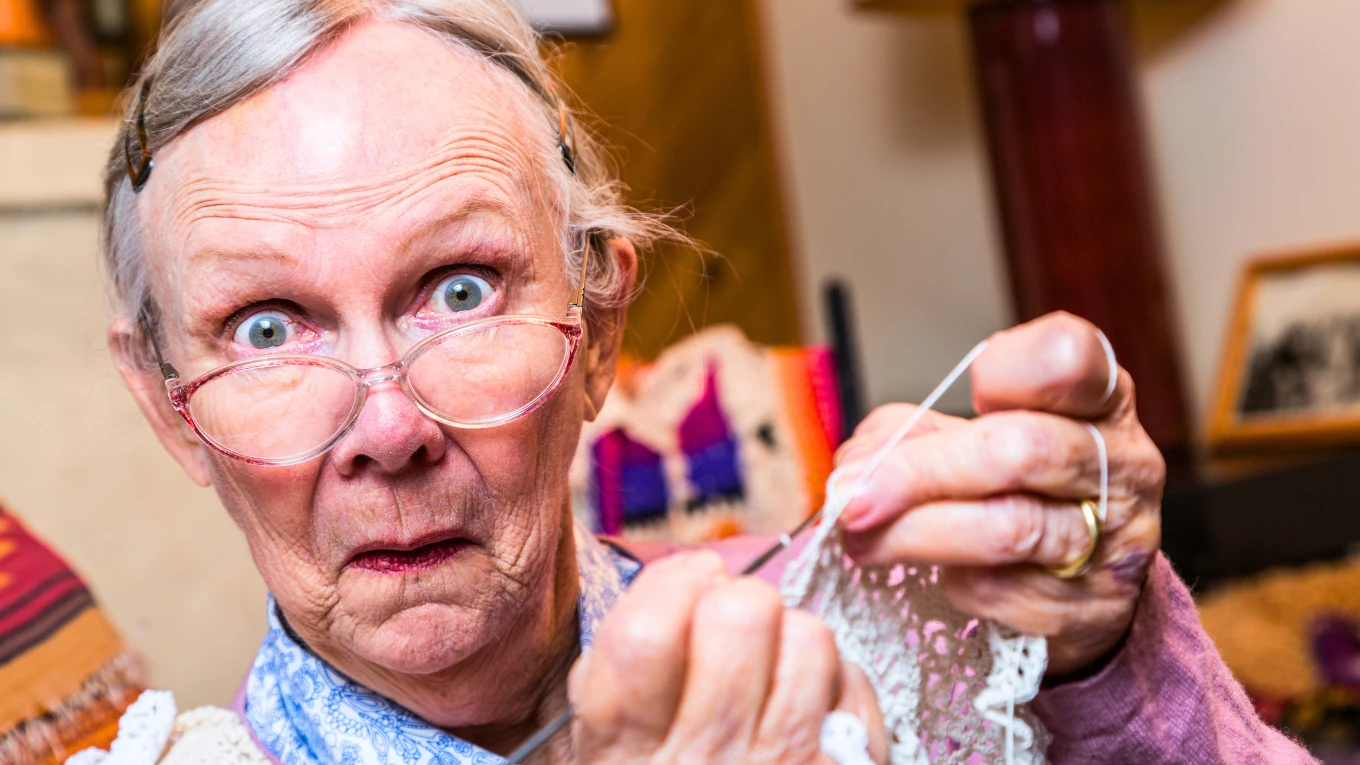
One of the most significant reasons that hobbies like knitting, gardening, and quilting benefit health is that they reduce stress. In fact, studies have shown that these activities can lower blood pressure, reduce heart rate, and improve overall emotional regulation. When women immerse themselves in hobbies, they shift their focus away from life’s stresses and adopt a mindset of mindfulness, which directly impacts their mental well-being.
The act of knitting, for example, has been shown to trigger the relaxation response in the body, similar to meditation, reducing feelings of anxiety and promoting a calm state of mind. Gardening also plays a pivotal role in mental health by connecting people with nature, which has been linked to lowered cortisol levels and improved mood.
Why Knitting is More Than Just a Craft
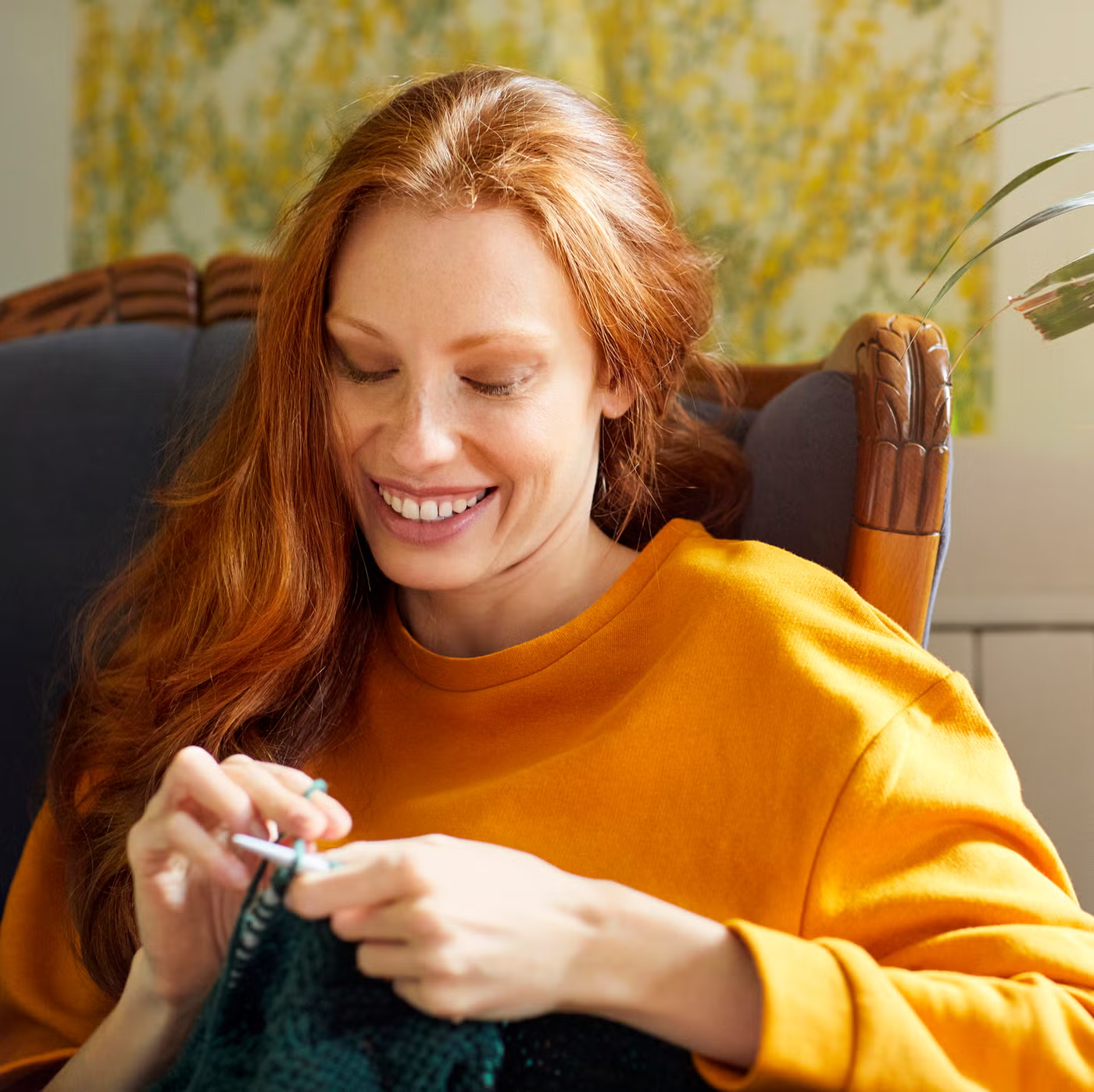
It might seem like a simple pastime, but knitting offers much more than a creative outlet. Studies have revealed that knitting can increase brain function, improve memory, and even boost mood. Engaging in such repetitive, mindful activities helps women maintain cognitive function as they age. Knitting has been used therapeutically to treat symptoms of depression, anxiety, and even PTSD.
Additionally, the focus required while knitting is meditative, promoting a sense of calm. This not only helps with emotional regulation but also encourages connection with others. Many women find knitting groups to be a social outlet, fostering friendships and support networks that are essential for emotional health.
The Unexpected Fountain of Youth
Gardening, often considered one of the ultimate grandma hobbies, is proving to be one of the most beneficial activities for aging women. Several studies suggest that gardening is linked to decreased symptoms of depression, better heart health, and even improved mobility.
Getting outdoors and caring for plants exposes the body to sunlight, which provides much-needed Vitamin D — vital for maintaining bone density and preventing osteoporosis. The physical activity involved in gardening, whether it’s digging, planting, or watering, helps improve strength, balance, and flexibility. But beyond the physical benefits, gardening is a sensory-rich experience that provides peace of mind, reduces stress, and fosters a deeper connection to nature.
Comfort Food for the Soul
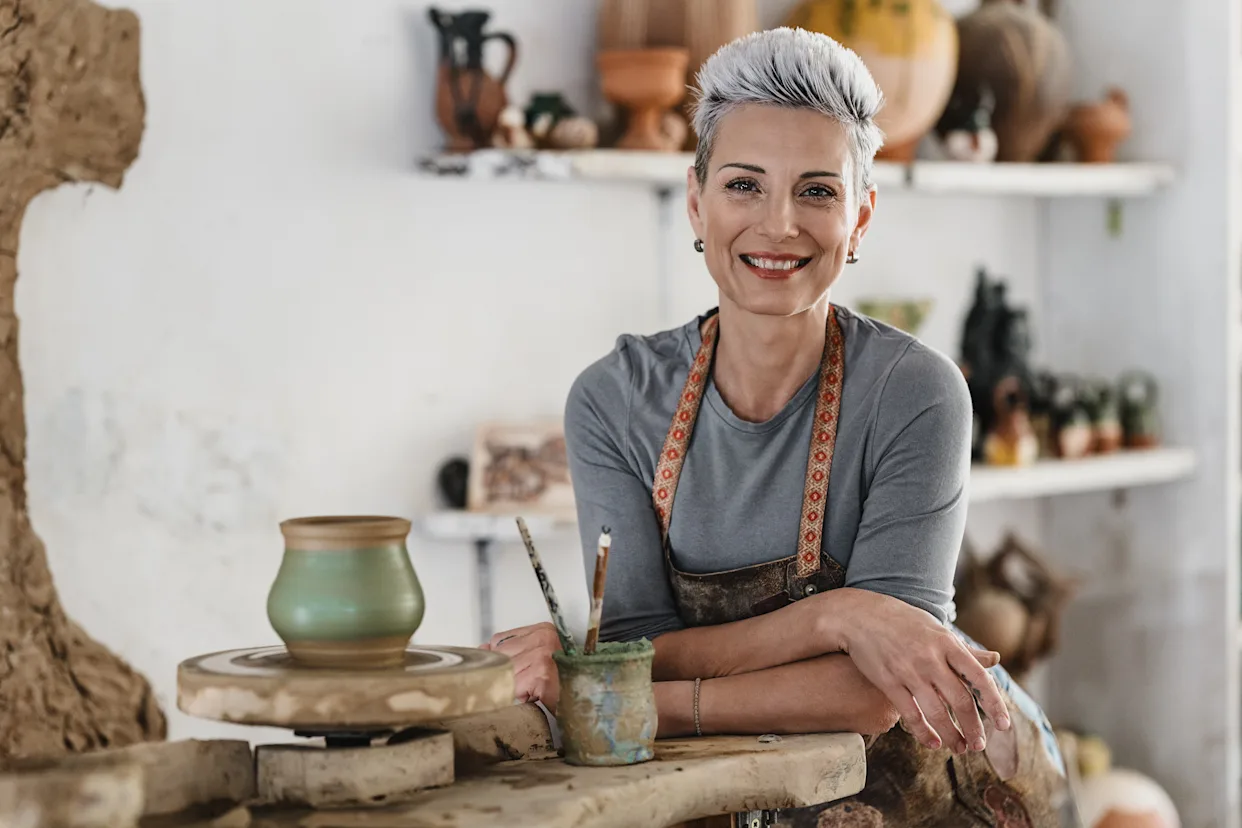
While baking may seem like an old-fashioned chore, it offers a plethora of benefits that support physical and mental health. Just as the smell of freshly baked bread or cookies can evoke fond memories, the act of baking promotes a calming, almost meditative experience. Engaging in the methodical process of measuring, mixing, and creating something from scratch fosters a sense of accomplishment.
Baking also has social benefits. It provides opportunities for women to connect with family and friends, often sharing recipes passed down through generations. These connections are essential for fostering strong emotional bonds and can reduce feelings of isolation, which is common among older women.
The Social Impact of Traditional Hobbies
Hobbies are an excellent way for women to remain socially active, and the benefits of maintaining strong social ties are immeasurable. Studies have shown that people who maintain robust social networks live longer and experience less stress. For older women, engaging in group activities like quilting circles, knitting groups, or garden clubs fosters connection, community, and purpose.
These activities often become the foundation for intergenerational relationships. For example, many grandmothers pass down their hobbies to younger generations, building stronger family bonds while also ensuring that these traditions live on.
Hobbies for Cognitive Function and Brain Health
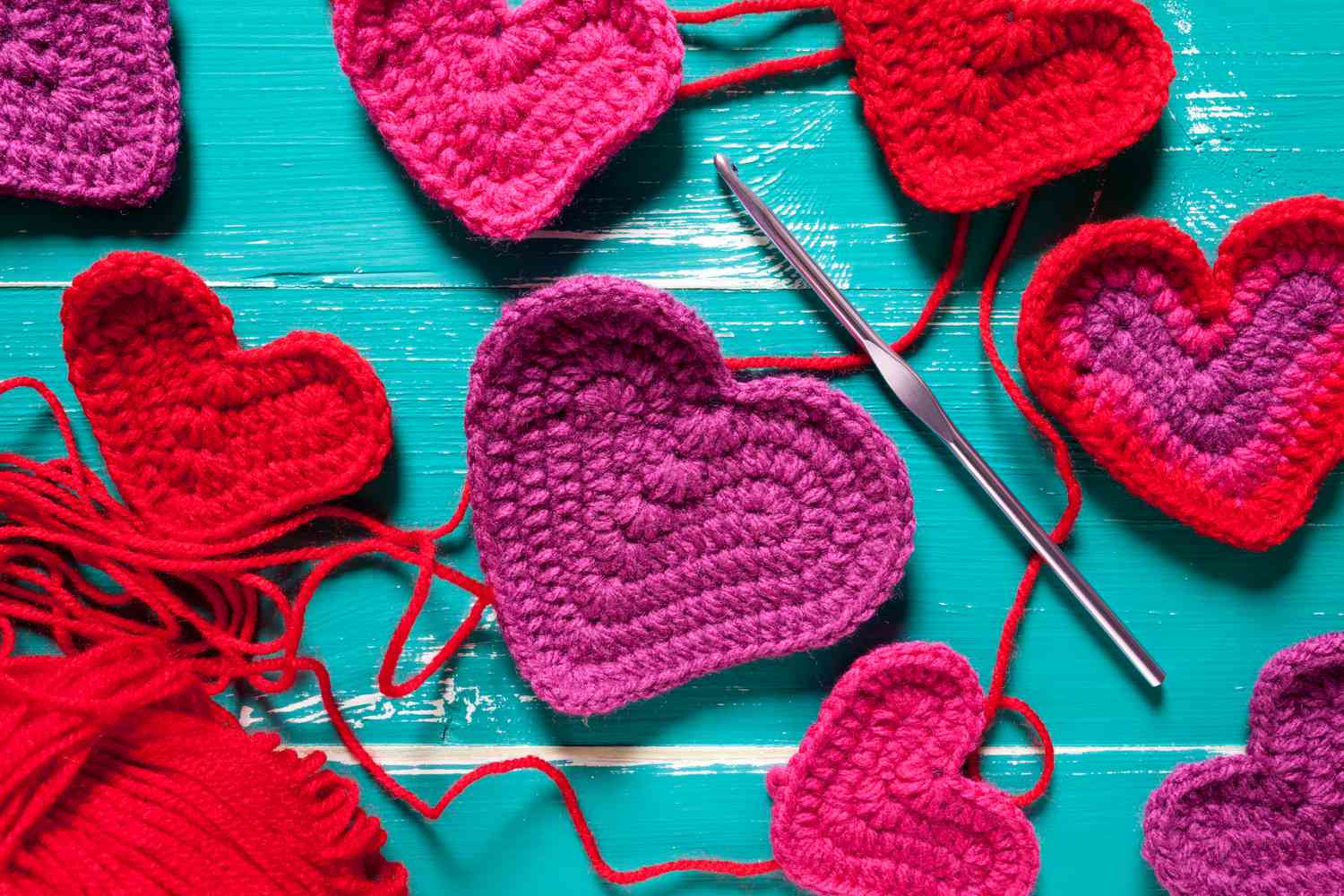
Engaging in hobbies is not only good for the body but also for the brain. Traditional activities like painting, knitting, and cooking challenge the brain in ways that protect against cognitive decline. Regularly engaging in these activities stimulates memory and problem-solving skills, reducing the risk of conditions such as Alzheimer’s and dementia.
Research has demonstrated that creative hobbies such as knitting or painting can increase brain plasticity and strengthen neural connections. These activities promote mental agility and provide a meaningful way to exercise the brain.
How Traditional Hobbies Help Women Age Gracefully
When women engage in hobbies, they are not only enriching their lives with joy and satisfaction but also setting themselves up for healthier, longer lives. Maintaining a routine that includes physical, social, and cognitive activities helps preserve youthfulness. By balancing relaxation with mental stimulation, women can improve their emotional and physical resilience, leading to a higher quality of life as they age.
The act of focusing on something outside of oneself — whether it’s caring for a garden, perfecting a quilt, or creating a handmade sweater — also helps combat loneliness and depression, two factors that are prevalent in aging populations. Having a hobby can keep women engaged in life and provide them with something to look forward to every day.
Conclusion
While grandma hobbies might seem like a quaint relic of the past, they are actually a goldmine for women looking to live longer, healthier, and happier lives. These activities go beyond simple pastimes and offer real, scientifically backed health benefits, from reducing stress to improving cognitive function and strengthening social connections. As women continue to rediscover these traditional hobbies, it’s clear that they are more than just a way to pass the time — they are key ingredients for aging gracefully. So, pick up that knitting needle, dig into your garden, or bake some cookies — and let these timeless hobbies work their magic.